After San Gil, I got the bus to Bogota, where I stayed for a few days before heading to Leticia and the Amazon.
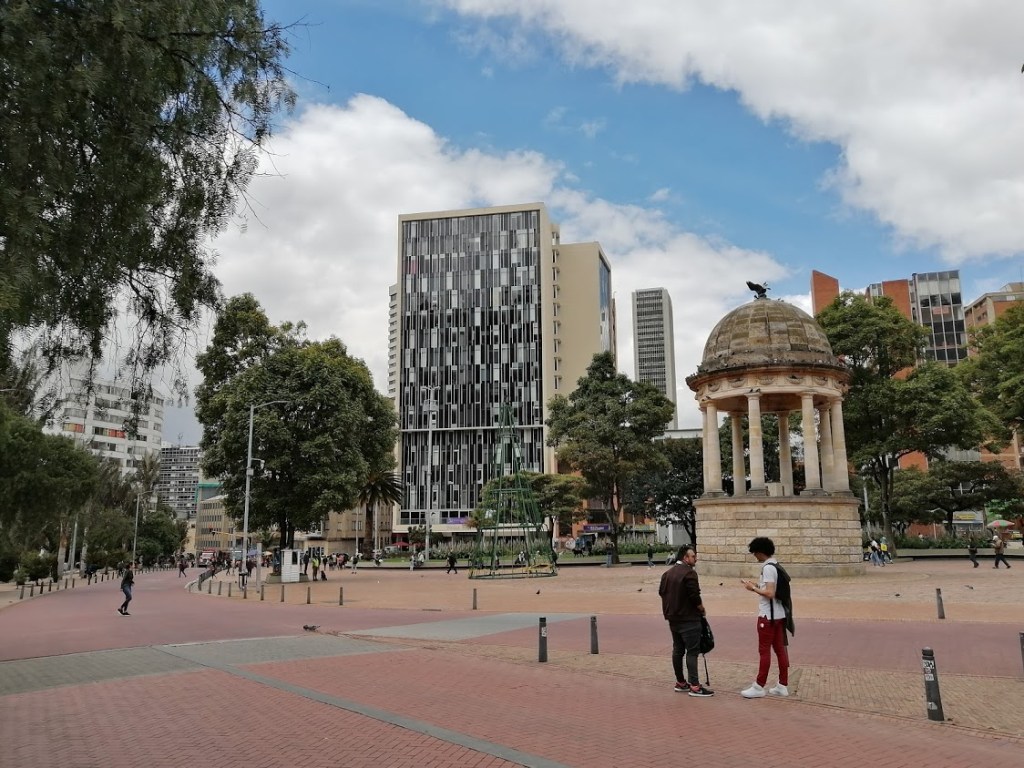
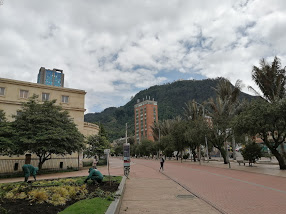
I didn’t do too much in Bogota, but I met David and Karen again in the hostel, who I had met in Medellin. I went with them to Mount Monserrate , a steep cable car ride up the mountain. From there you could see all across Bogota.
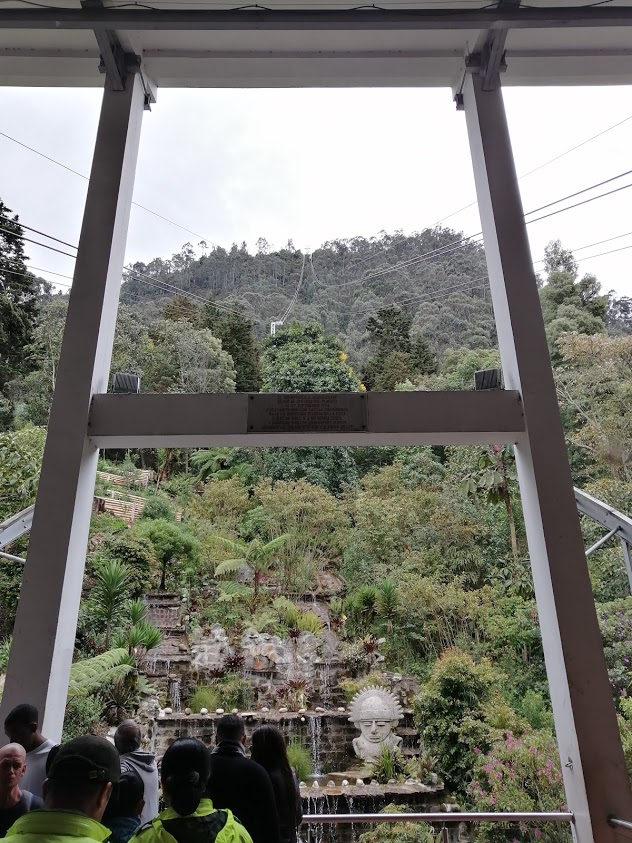
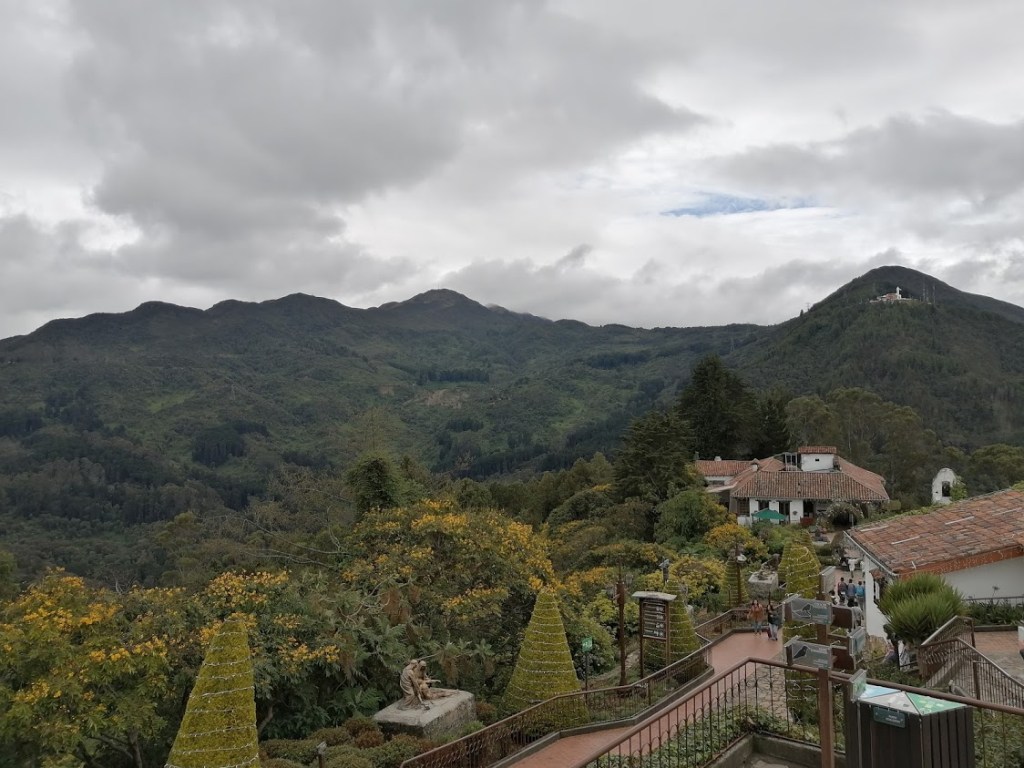
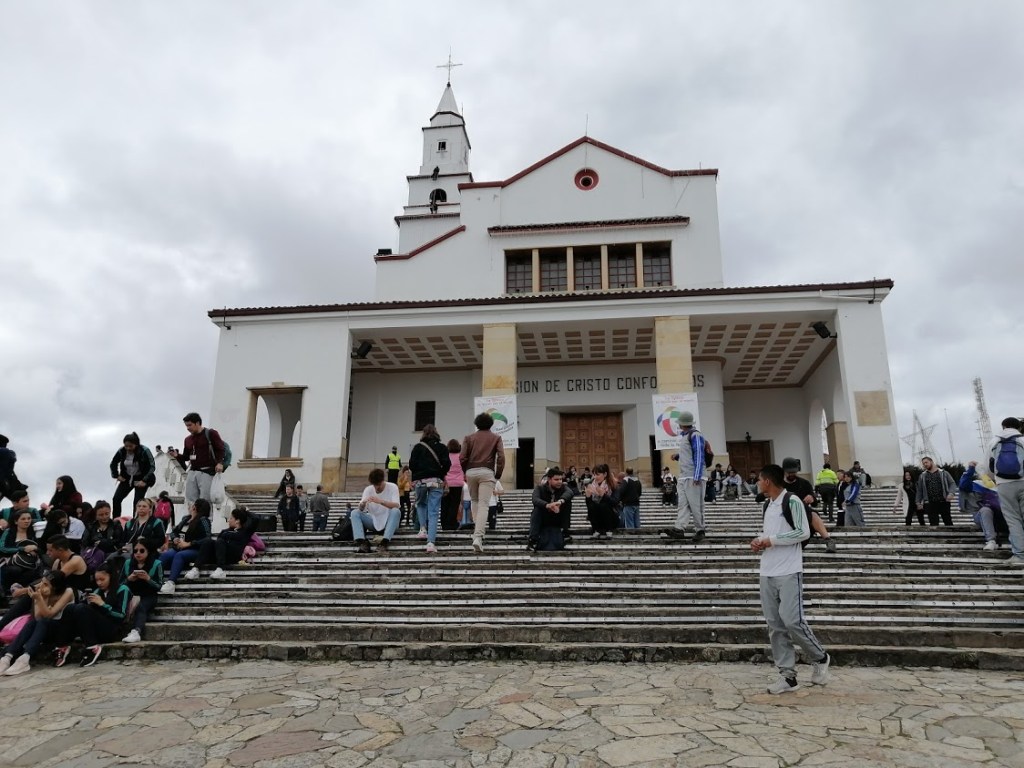
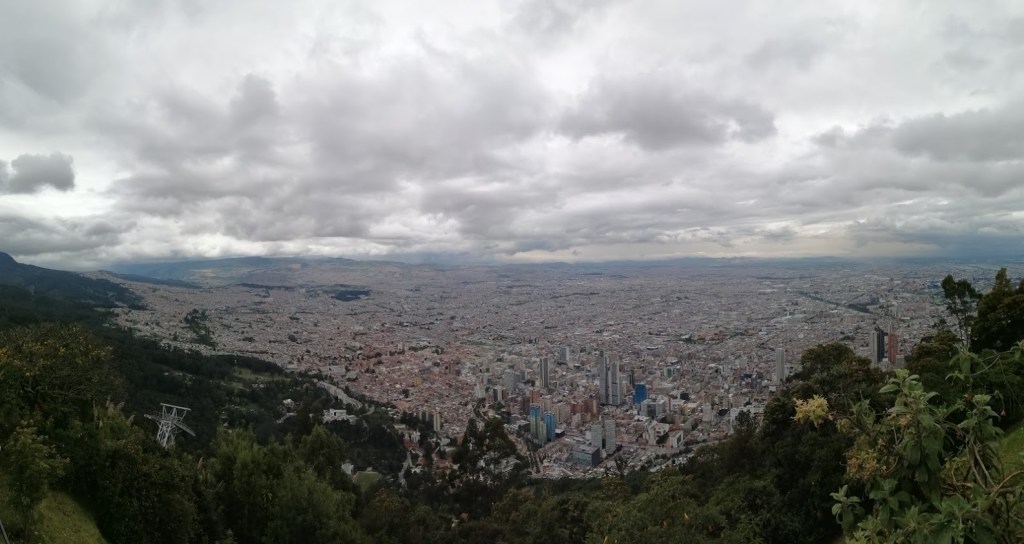
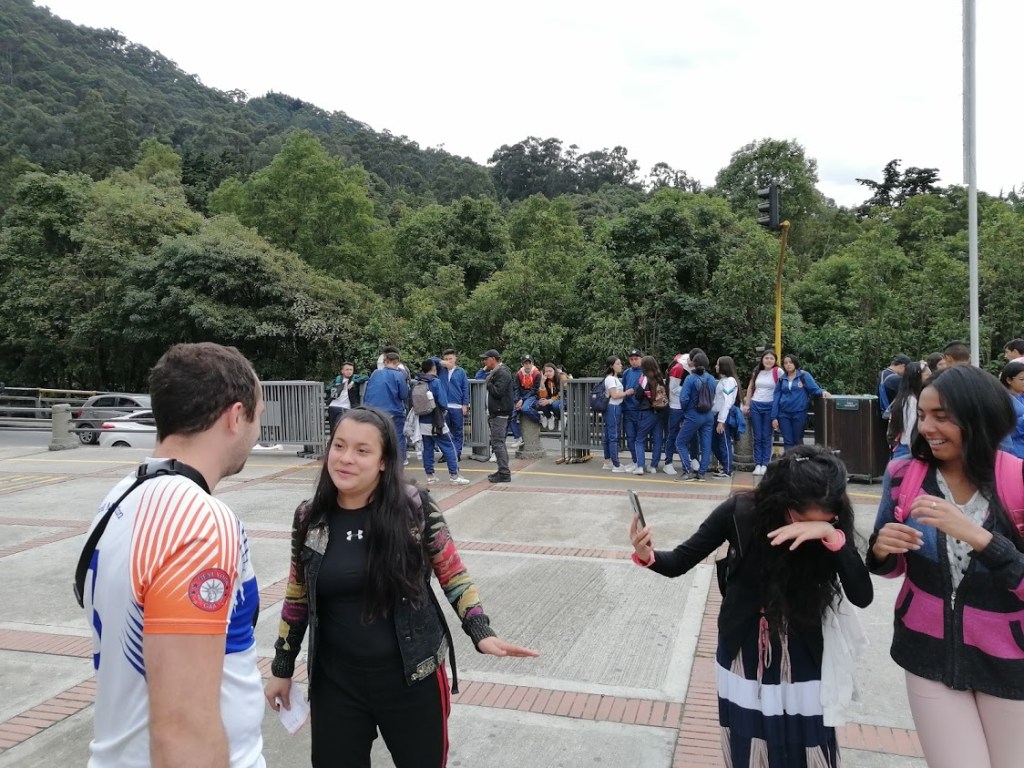
On the way back some girls asked David if they could ask him some questions for their English homework. We all found it quite amusing. First question: “What is your nationality?” “Irish”, second question: “Where are you from?” … “Ireland” …
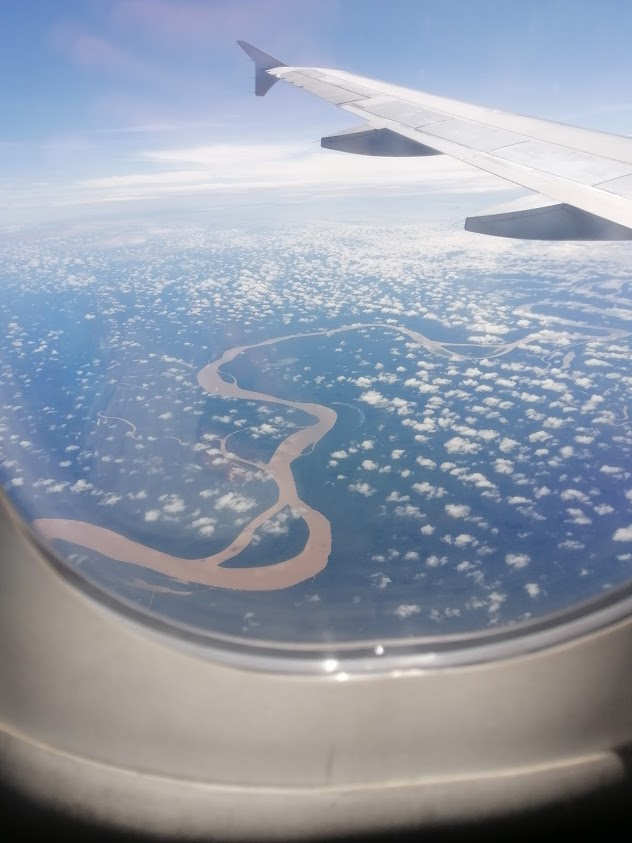
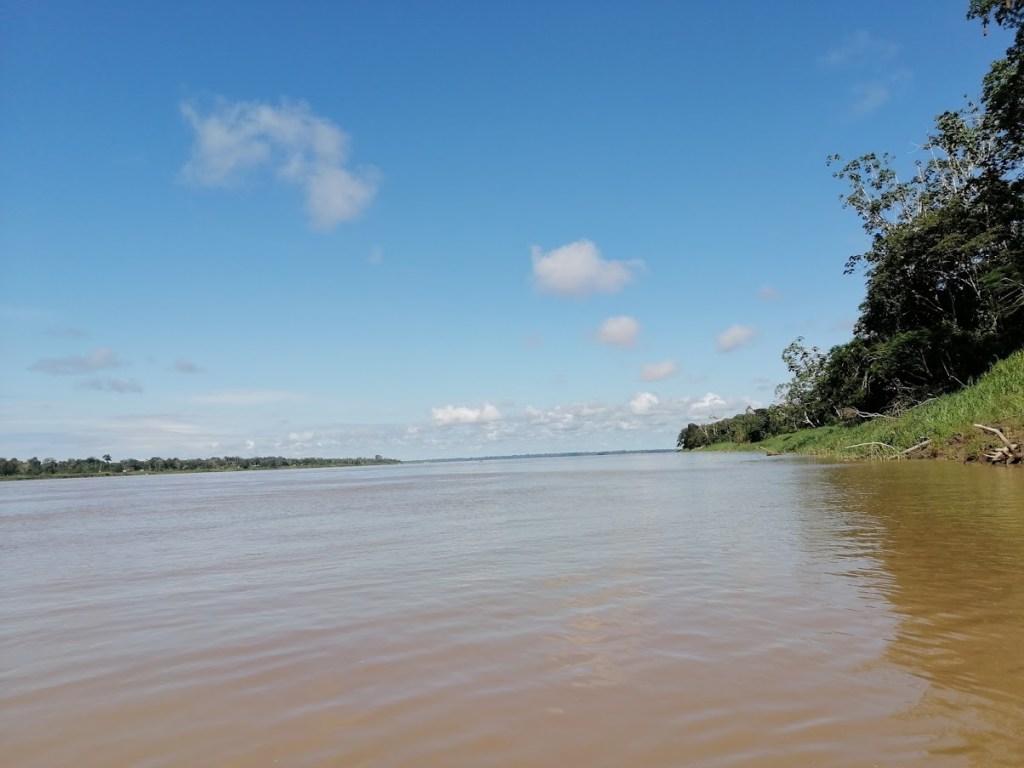
On the plane to Leticia I got my first view of the Amazon river, it really is huge! Leticia is exactly at the point where the borders of Colombia, Peru and Brazil intersect.
A 2-hour journey up the amazon by speedboat brought me to Bocana Amacayacu. The point where the river Amacayacu meets the Amazon.
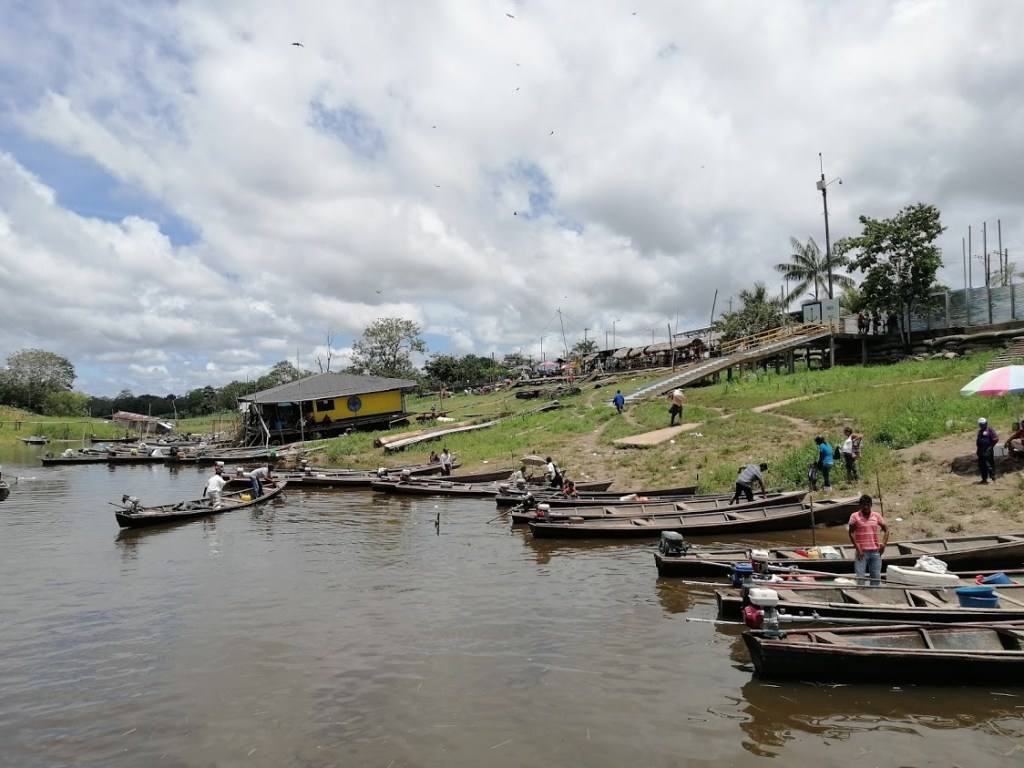
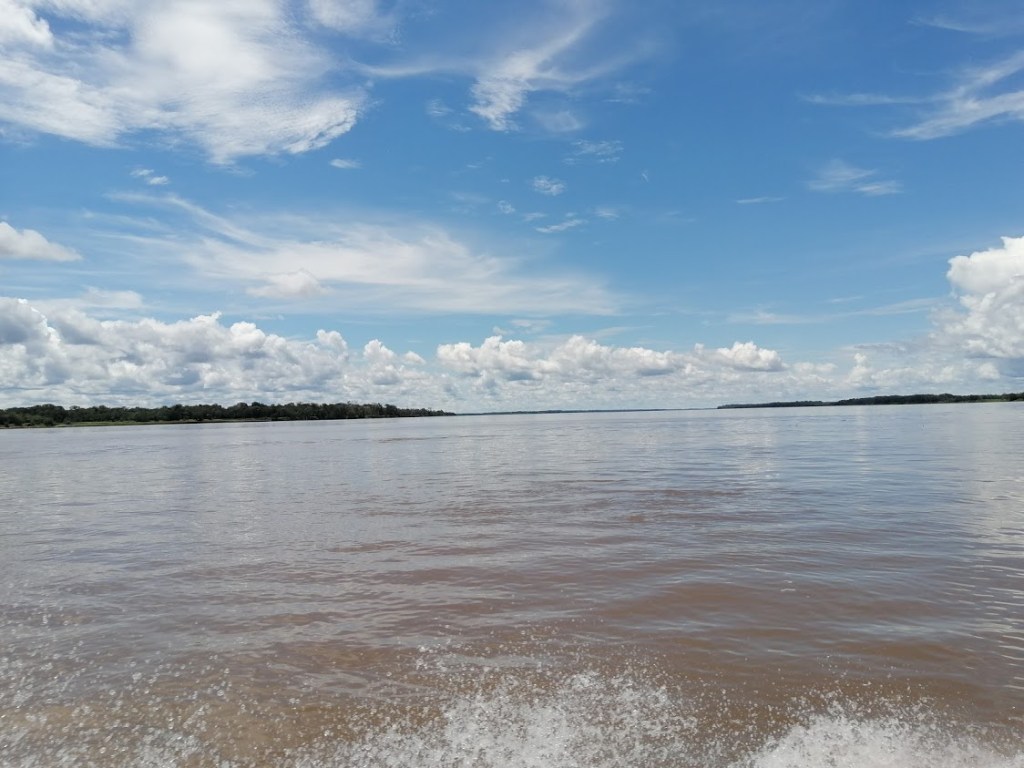
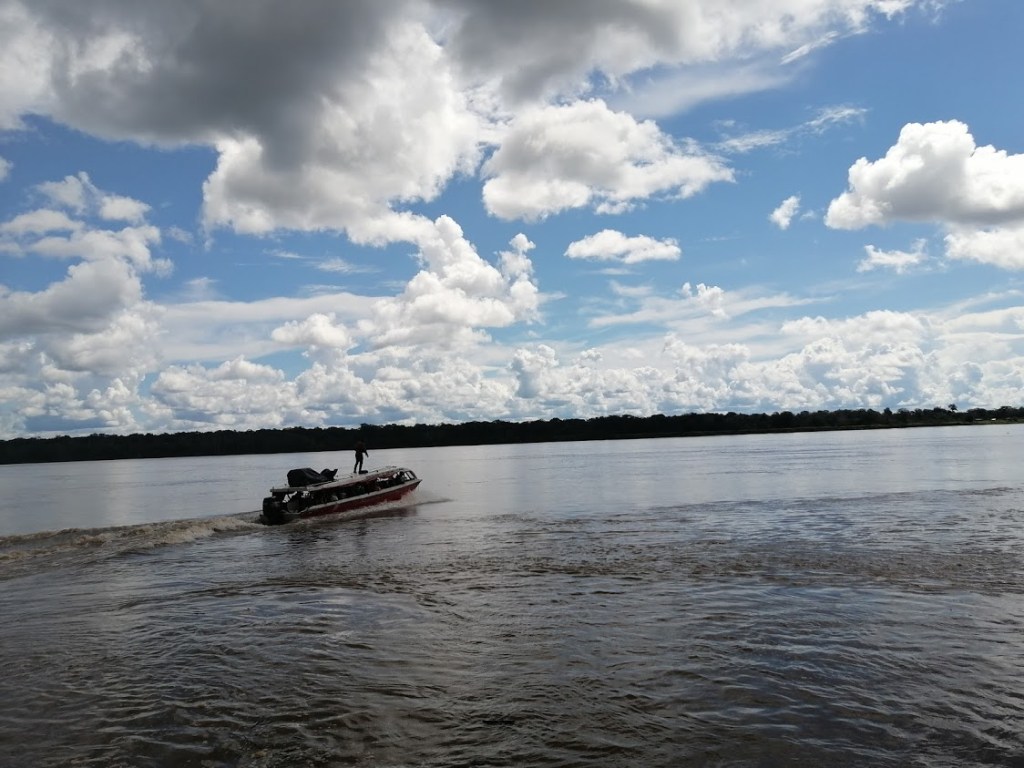
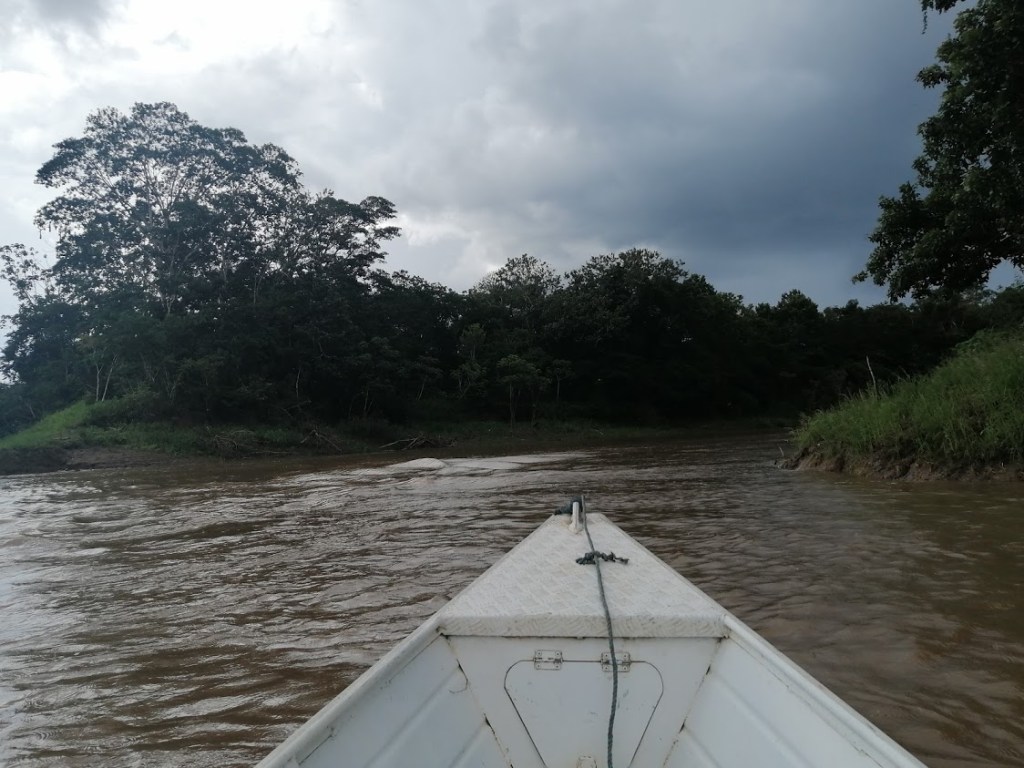
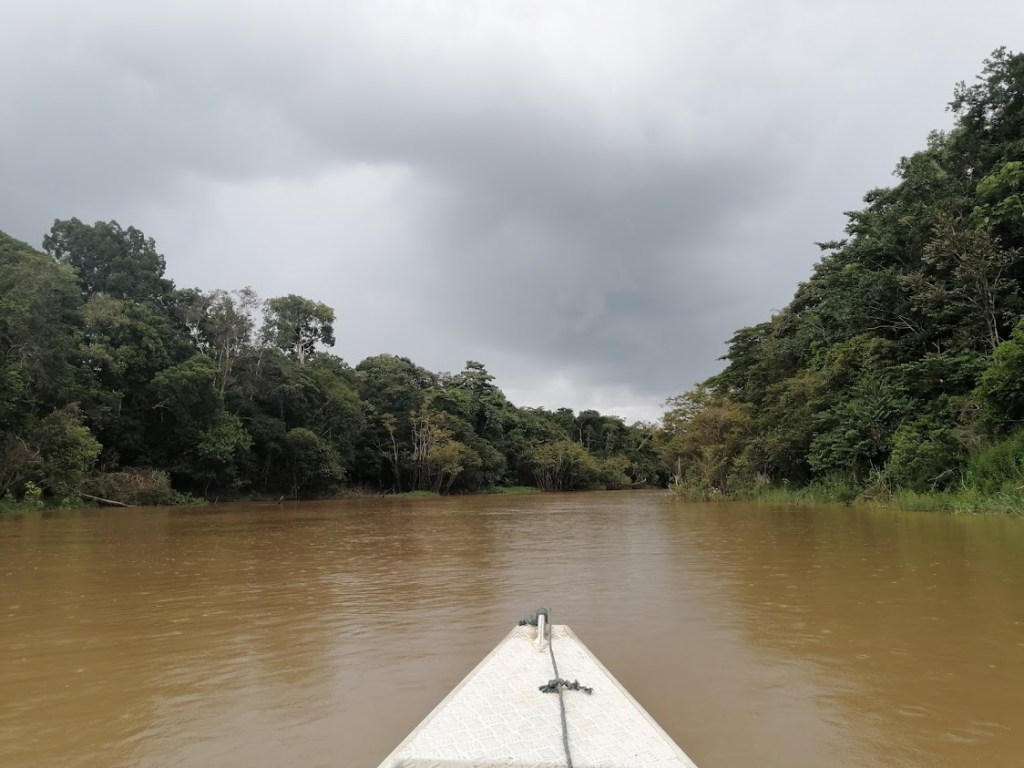
I arrived at Casa Gregorio, in the village of San Martin de Amacayacu. It is a village of around 600 indigenous people. Casa gregorio is the only place for tourists to come to this village. It is ran by Heike, a dutch woman and her husband Jose who is from San Martin. Heike arrived 15 years ago as a PhD student studying leaf cutter ants. The community had taken in several students before, spent time passing on their knowledge, teaching them spanish etc, then the students get their degree, leave and didn’t give anything back to the community. This point was raised with Heike at the time – what was she going to do to help them in return? The person that raised that point with her at the time was Jose. Now, tourists visit casa gregorio, and the money we pay to visit employs members of the village as guides, and contributes to many projects Heike has started. A kindergarten has been built for the village, and they are heavily involved in a legal process of trying to reclaim the communities ancestral land.
After settling in, i went on a walk around the community with my guide James.
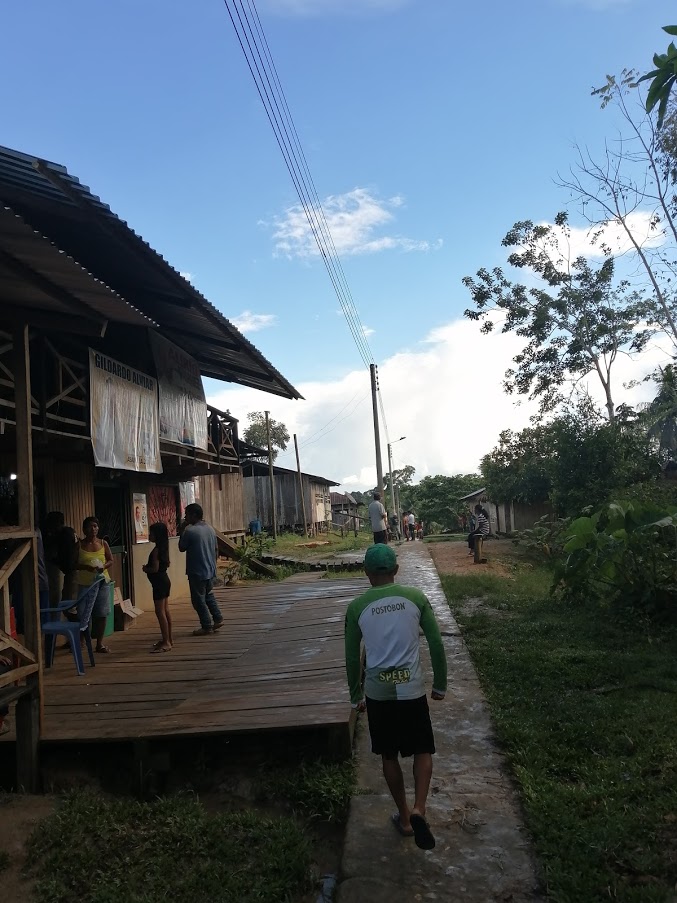
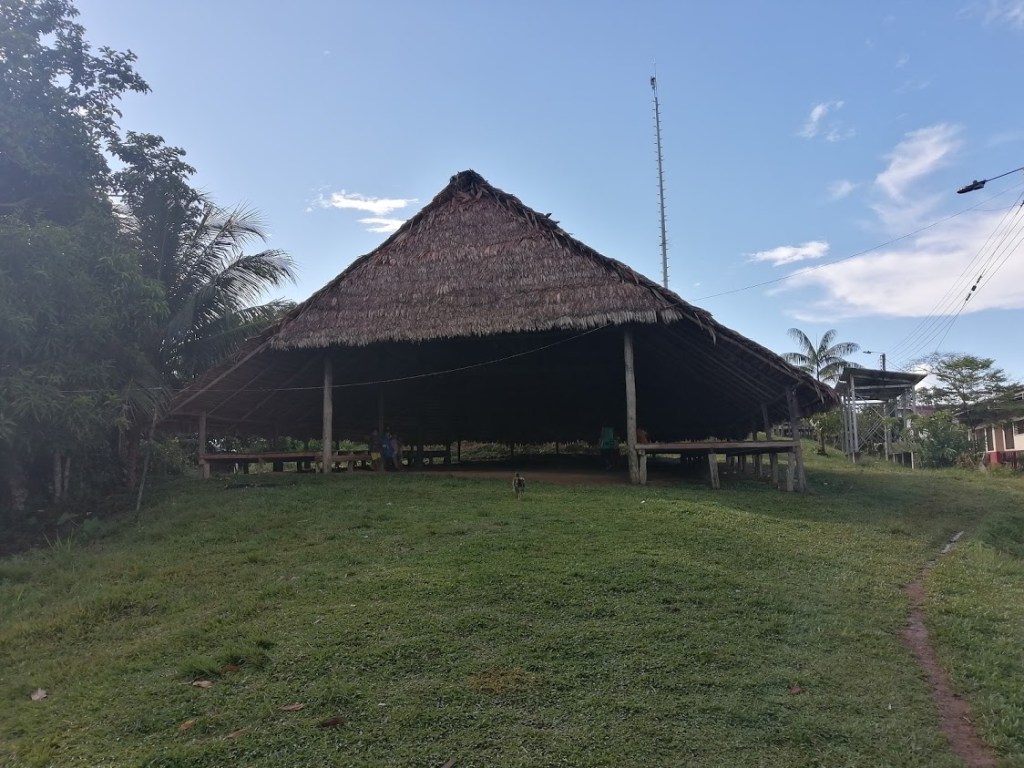
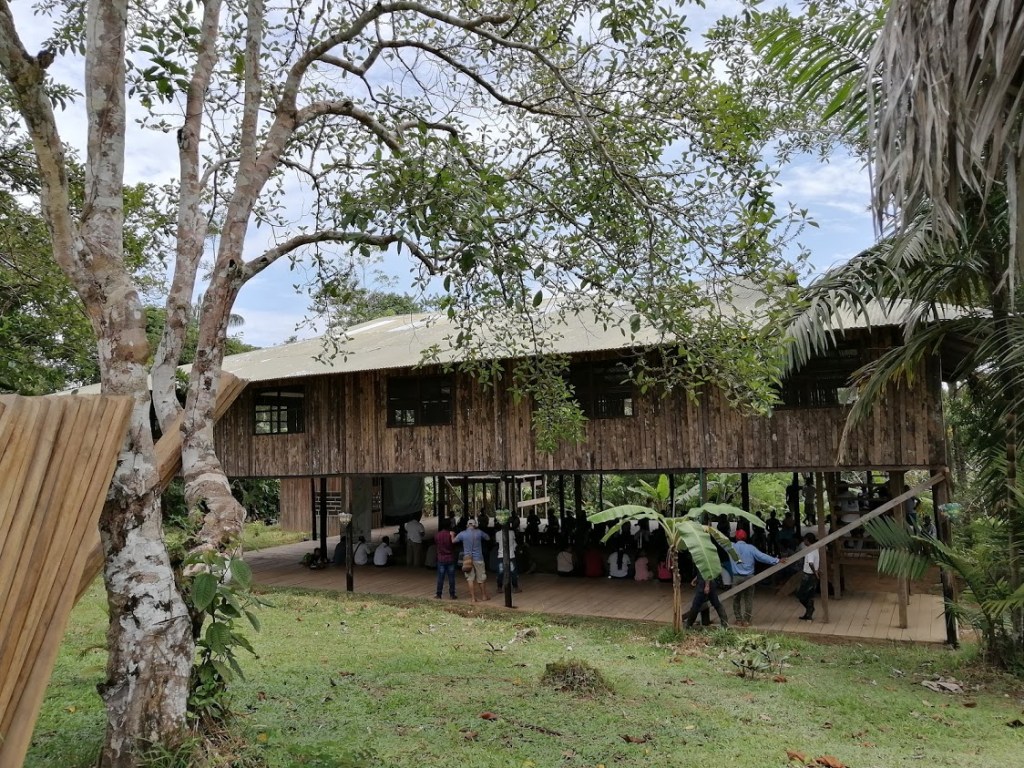
The above image is a small version of a Malloca, which casa gregorio built. It is used to hold meetings amongst the community. Malloca’s were huge buildings that were the home to a whole community of hundreds of people. When missionaries arrived, they tried to put a stop to this way of life and encourage families to have their own separate homes. At first this meant smaller homes, still without walls. Then they got walls, then years later separate rooms, then doors. Now many people in San Martin even have TVs. The missionaries also taught people to speak spanish. Now, most people in San Martin speak spanish as well as Tikuna, their indigenous language.
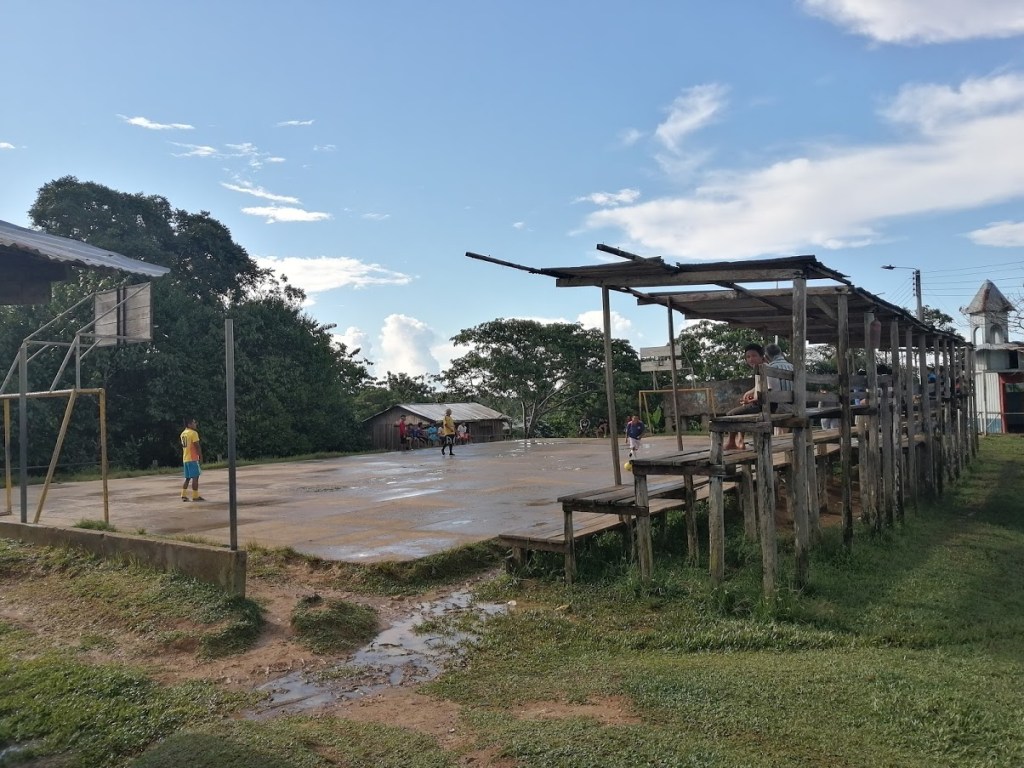
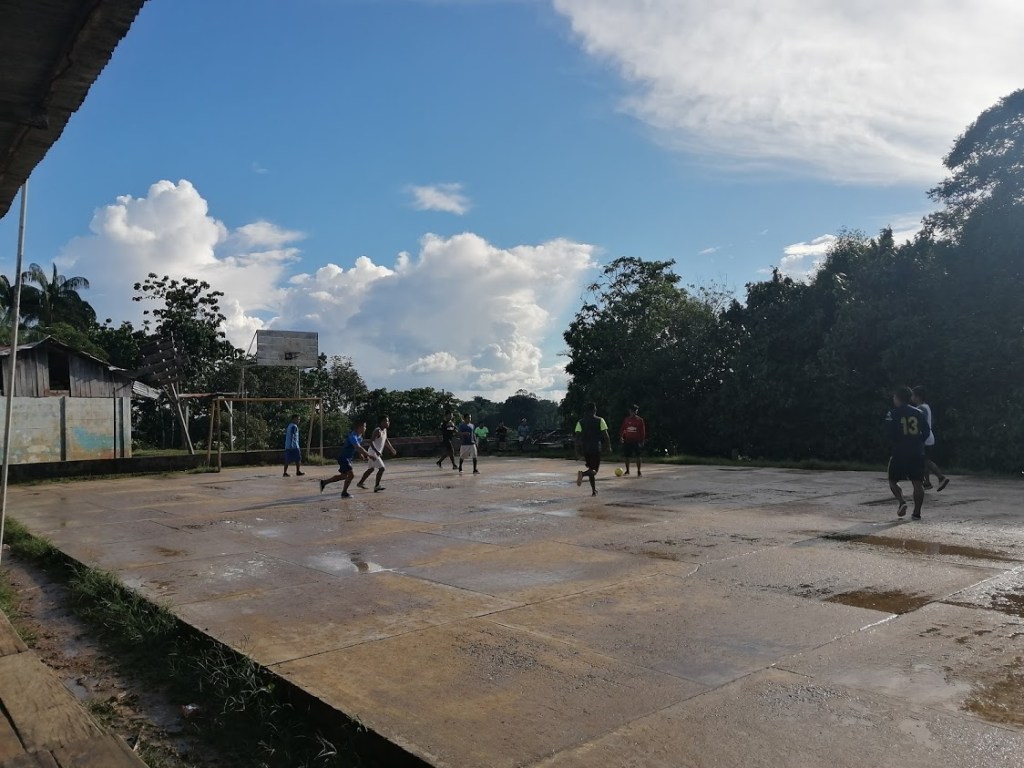
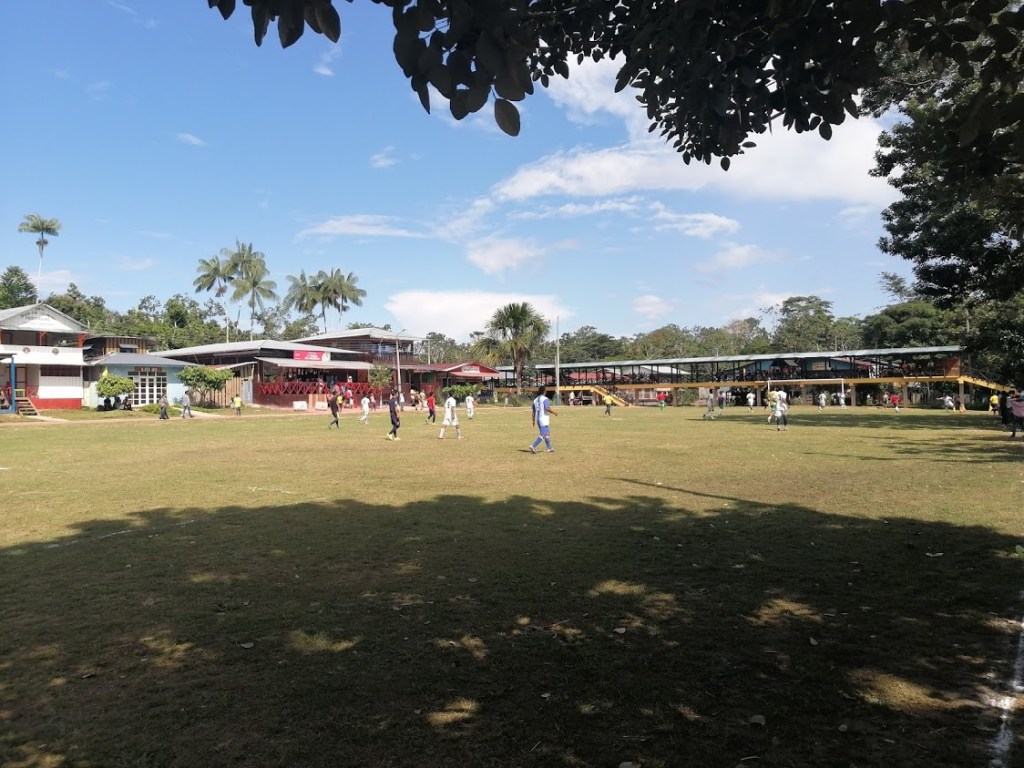
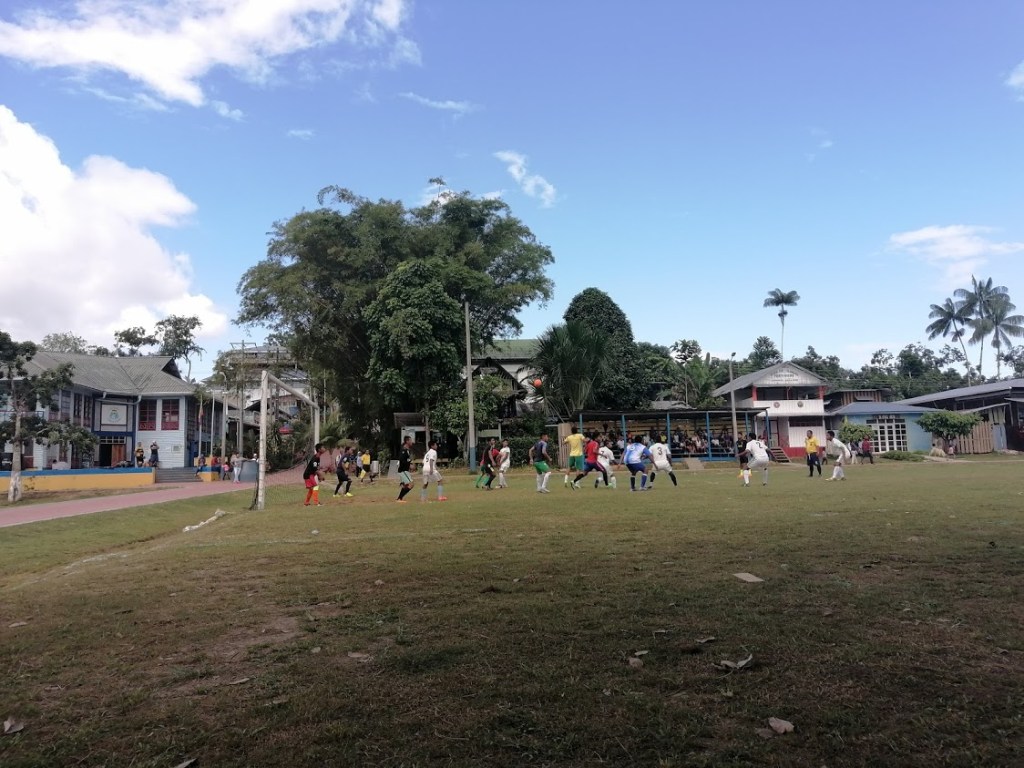
The locals here play football every single day (for money). A lot of the village sit and watch. Most people wear a shirt from one of the top european teams – it really is a huge part of their life here! (And that is obviously a big change from even 20 years ago, when they were much more disconnected from what was going on elsewhere in the world).
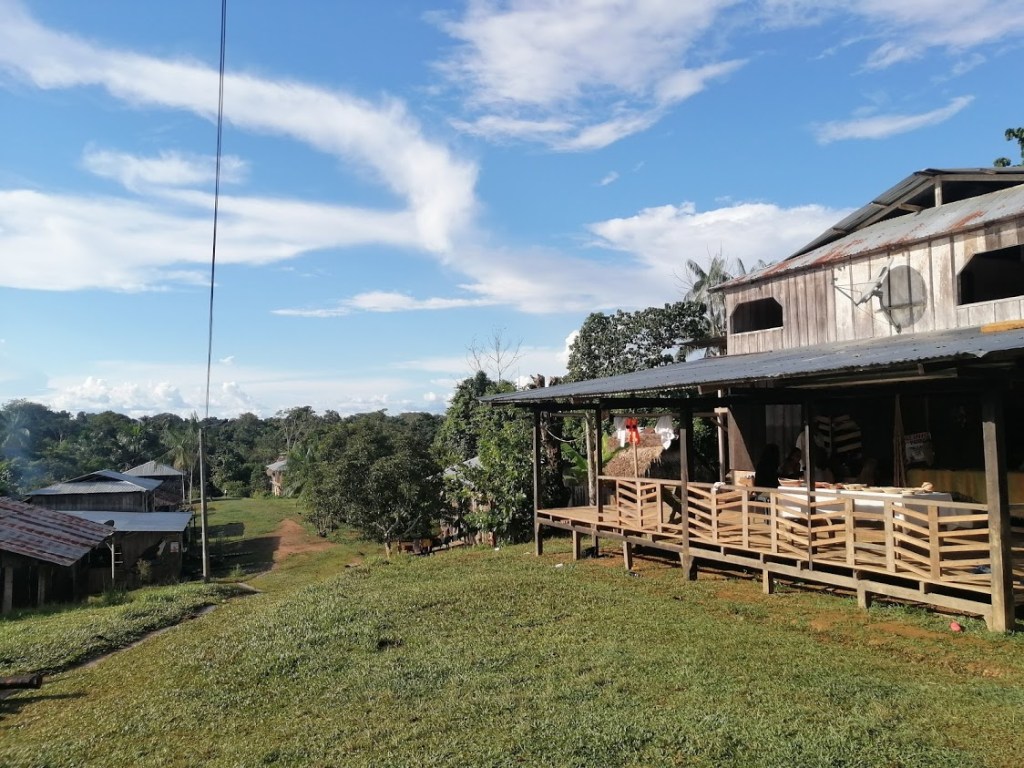
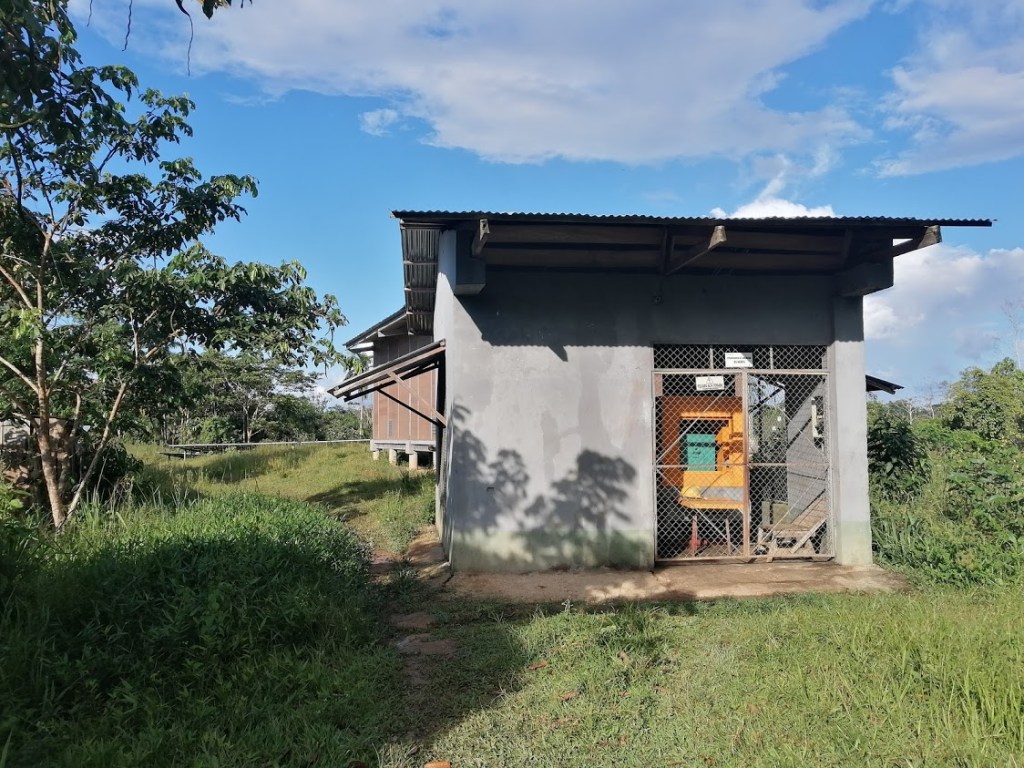
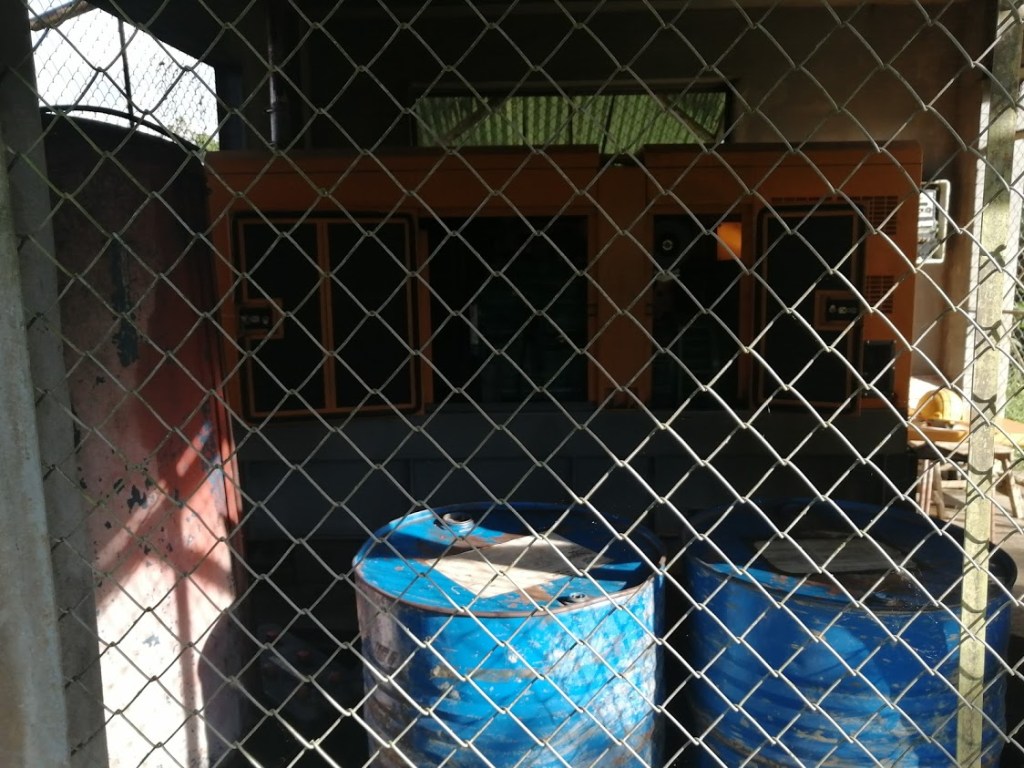
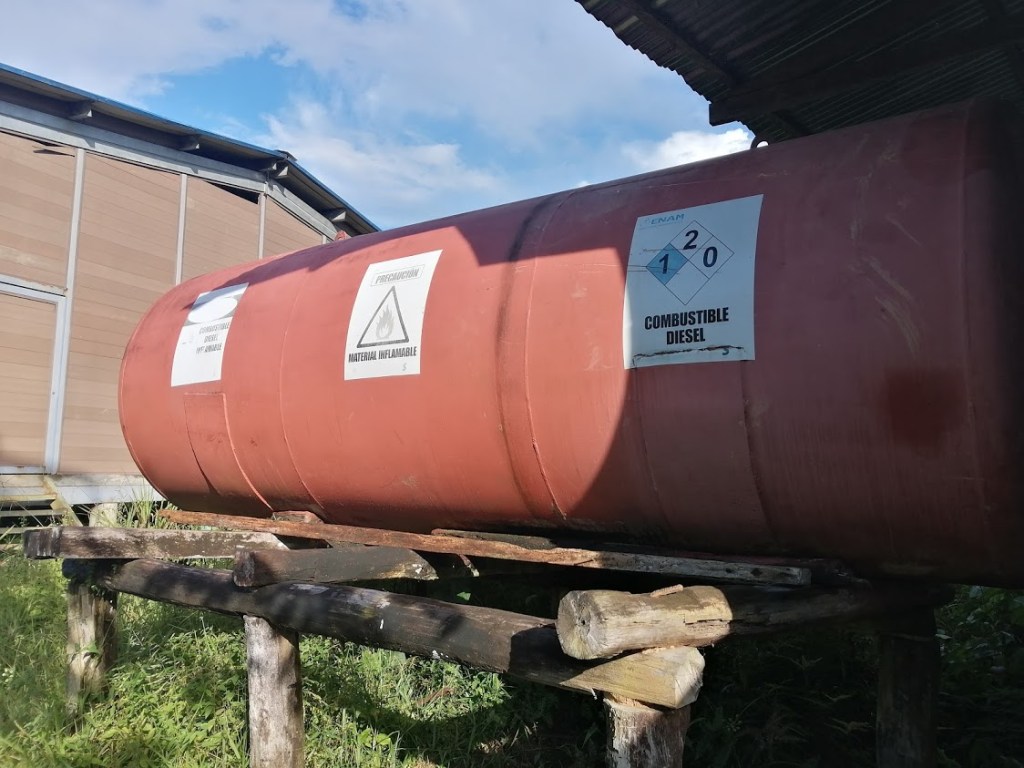
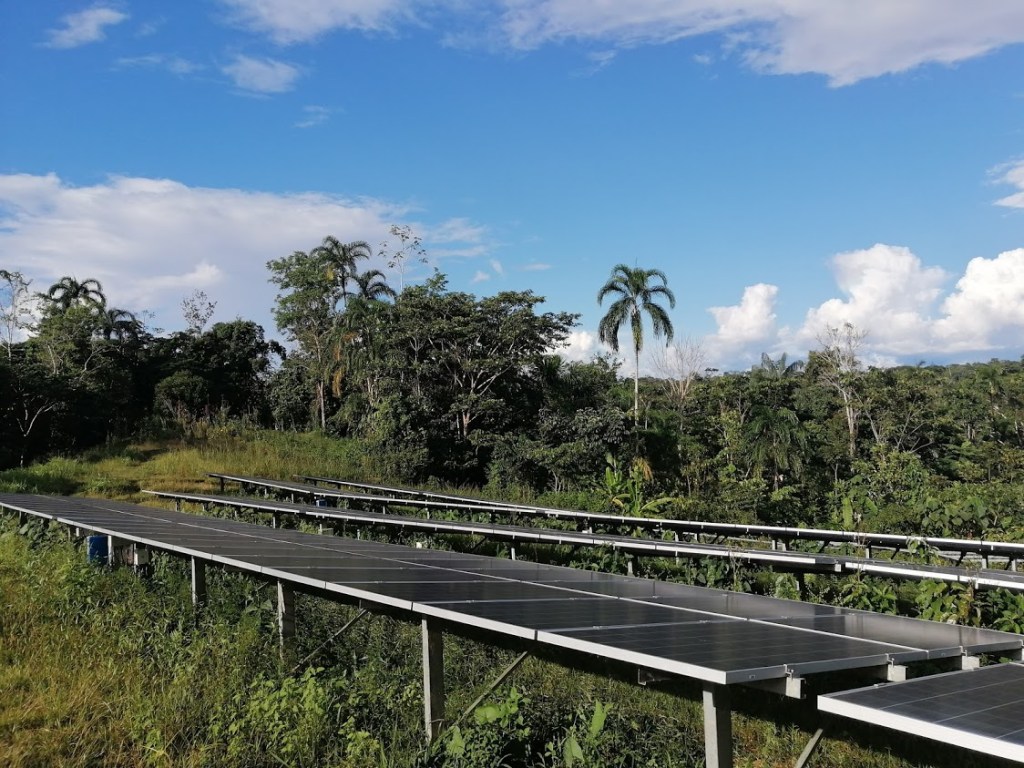
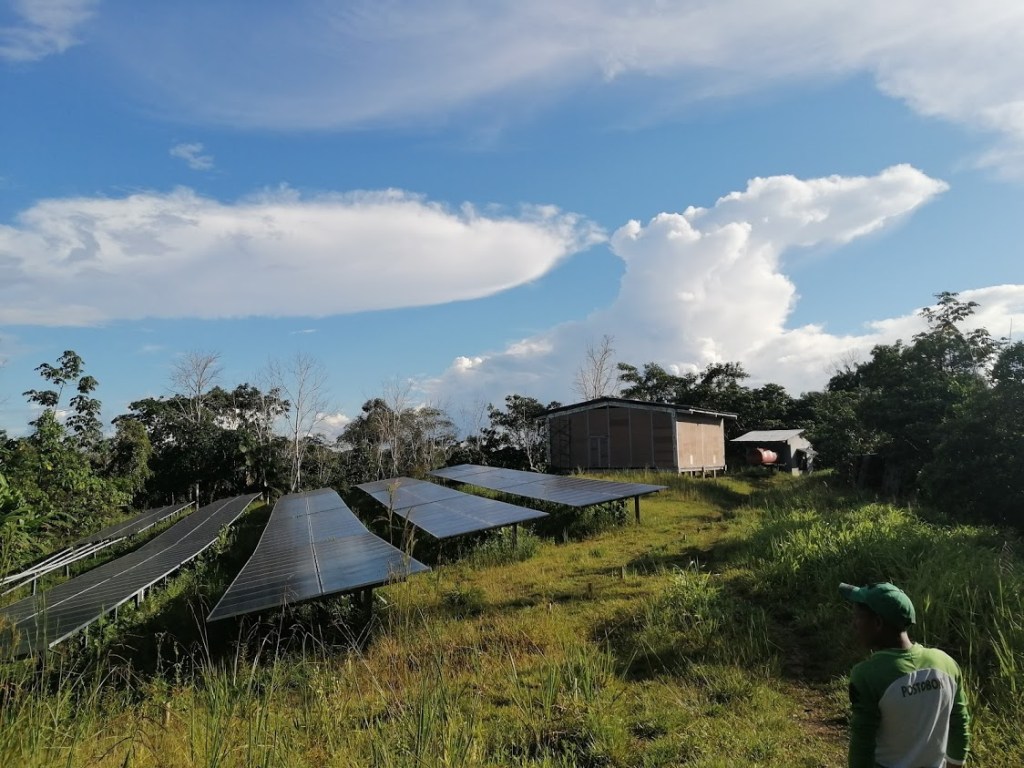
The village has electricity in the morning from 8-11 and in the evening from 5-10. They have a diesel generator which someone is employed to turn on/off at these times. There are also solar panels that were installed 3 years ago, however they do not work. A company installed them and left, without any thought that people here do not have education in engineering etc if there is problems. It was also a problem with the company that supplies the village with diesel, as they have a contract with them to buy diesel for x years.
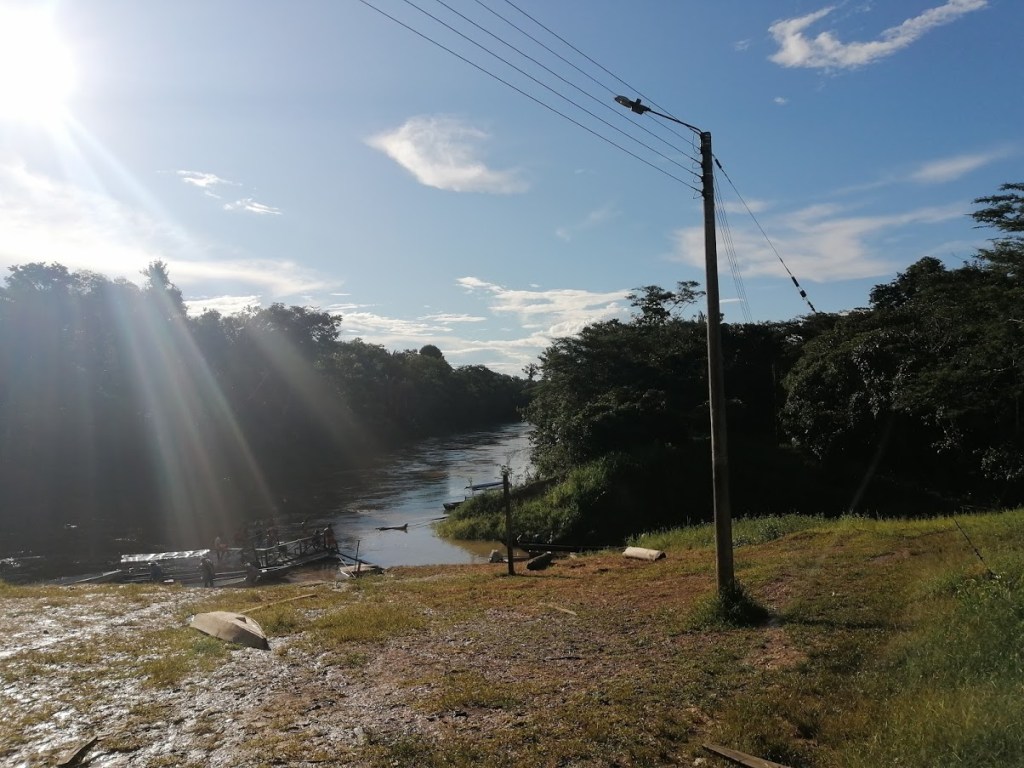
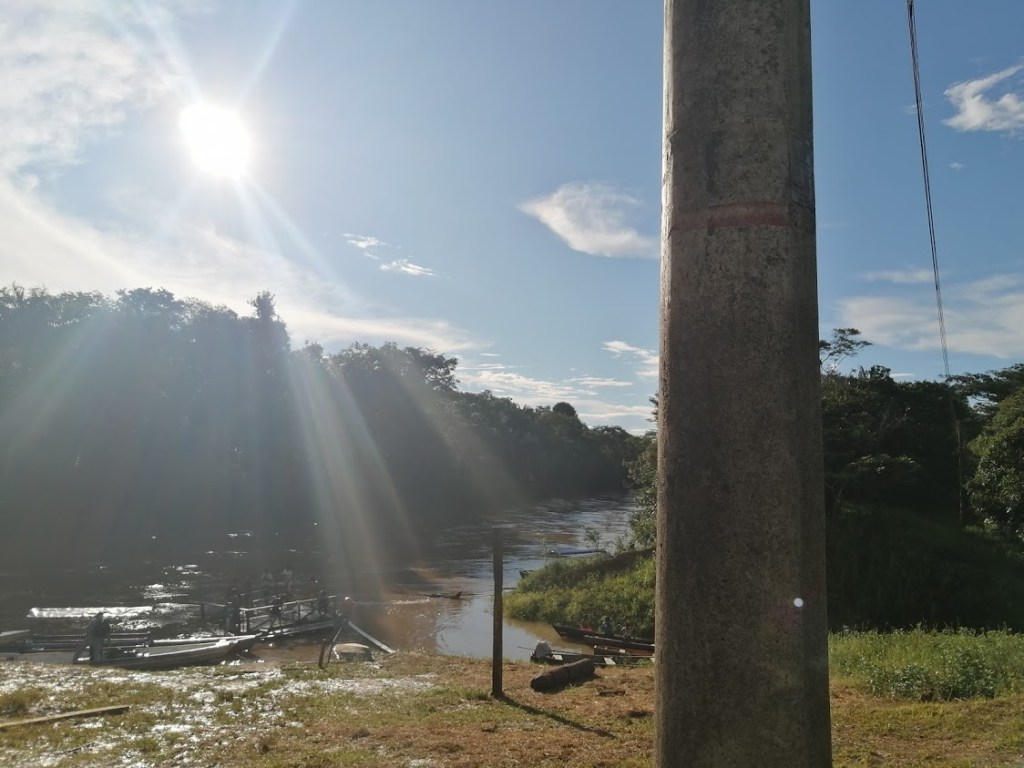
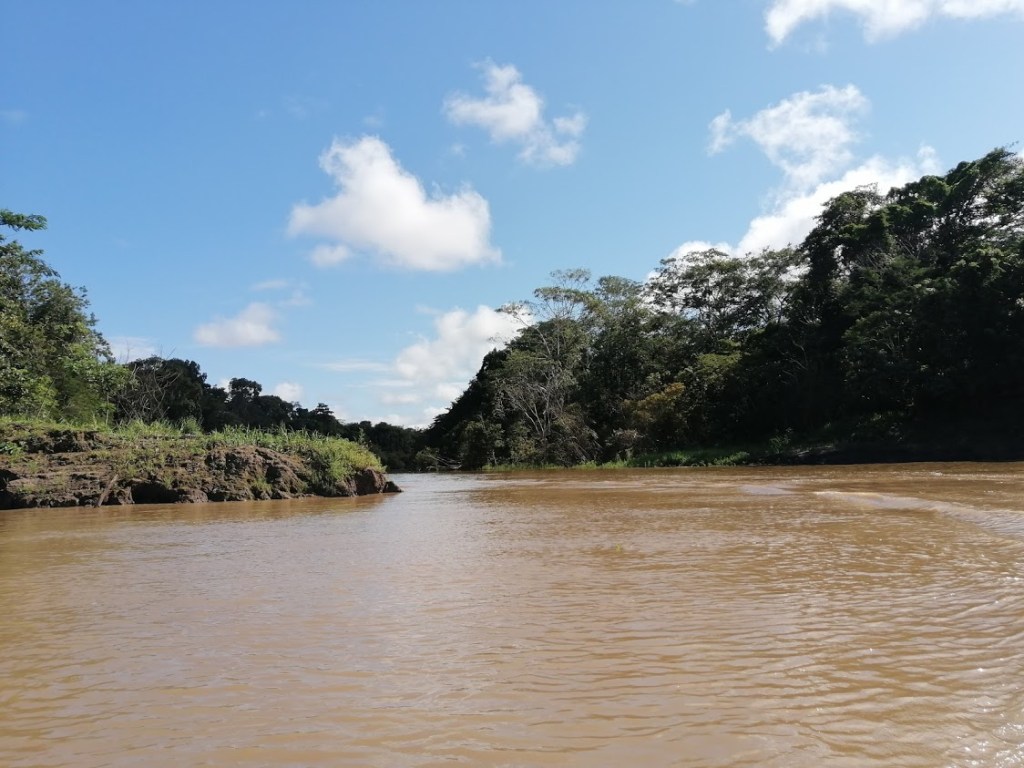
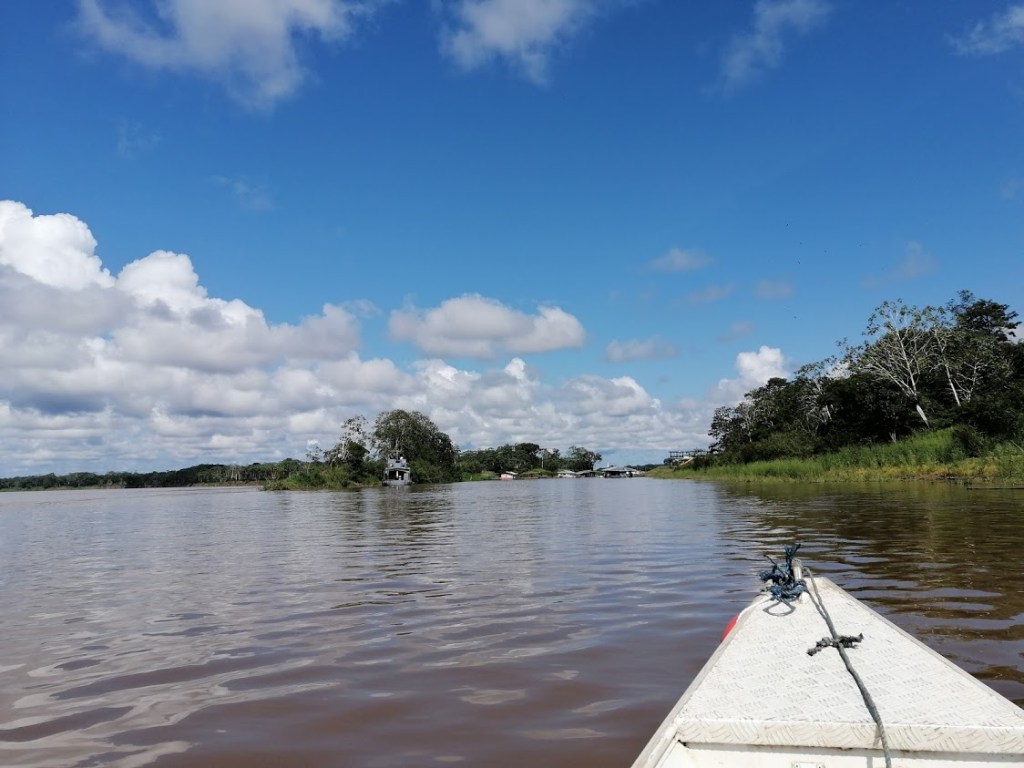
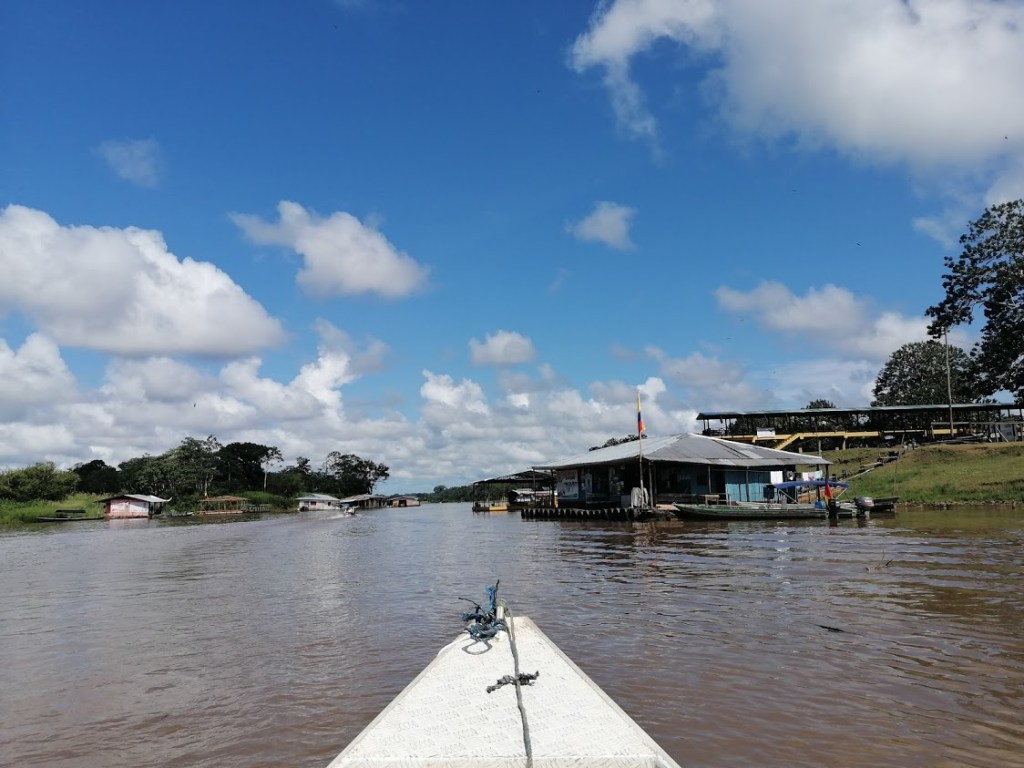
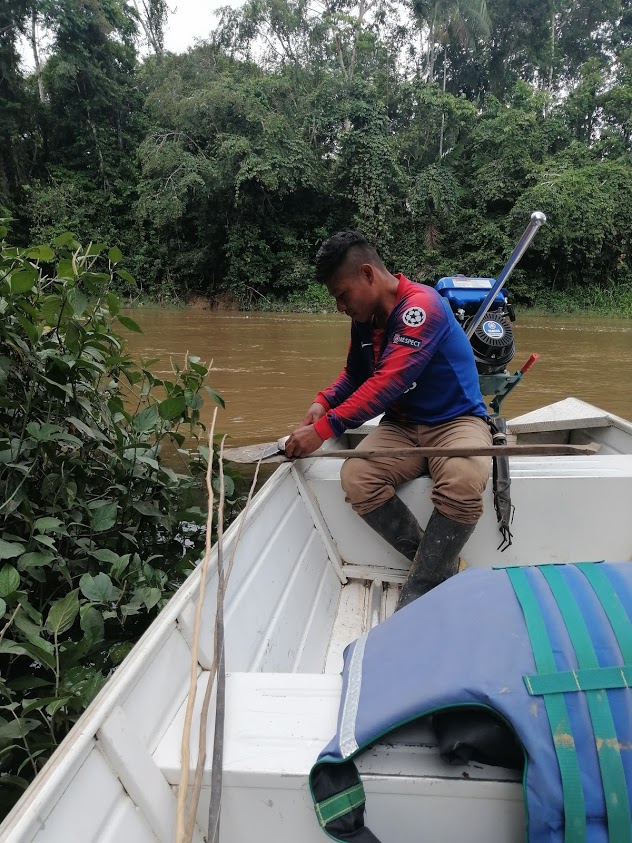
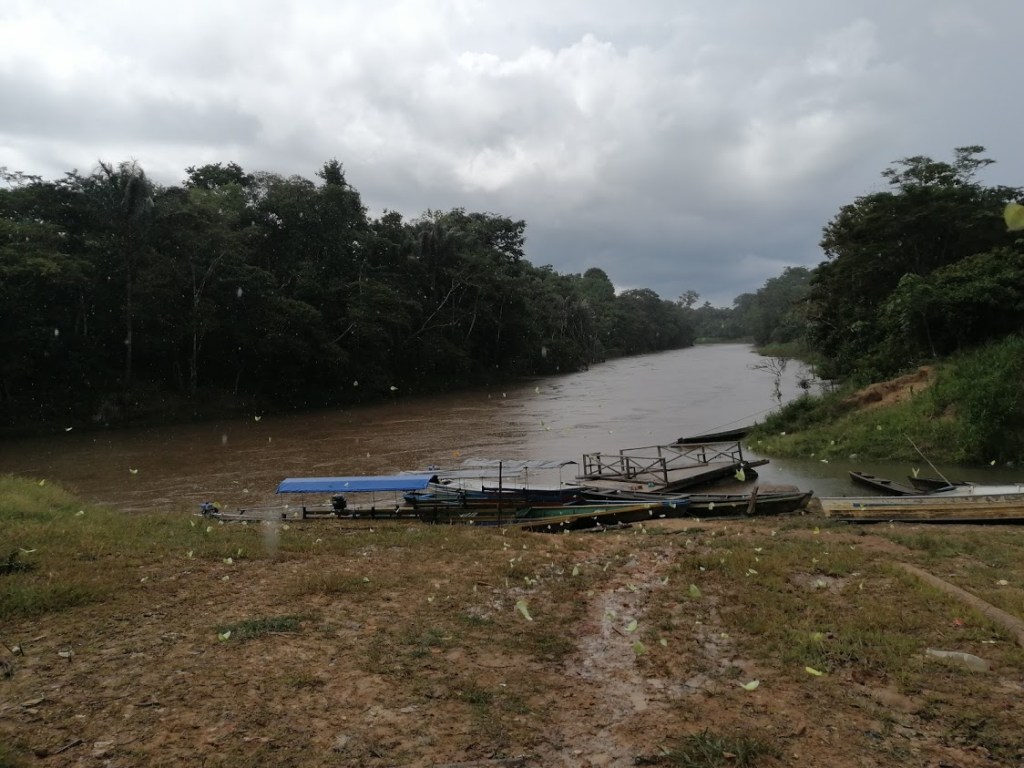
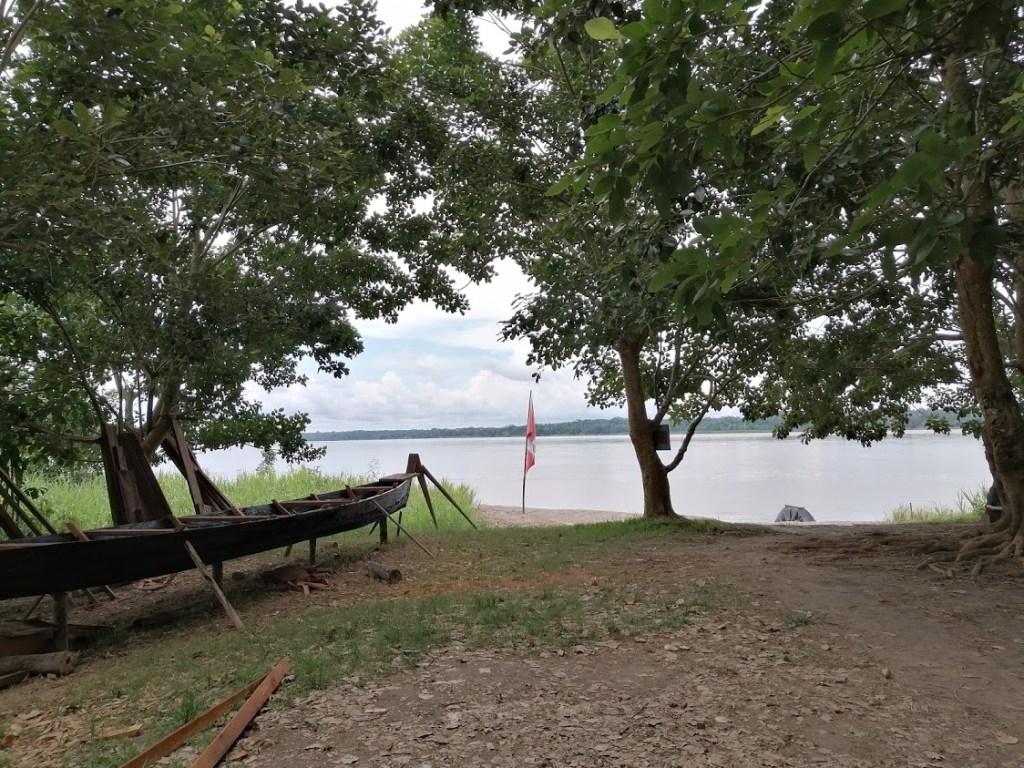
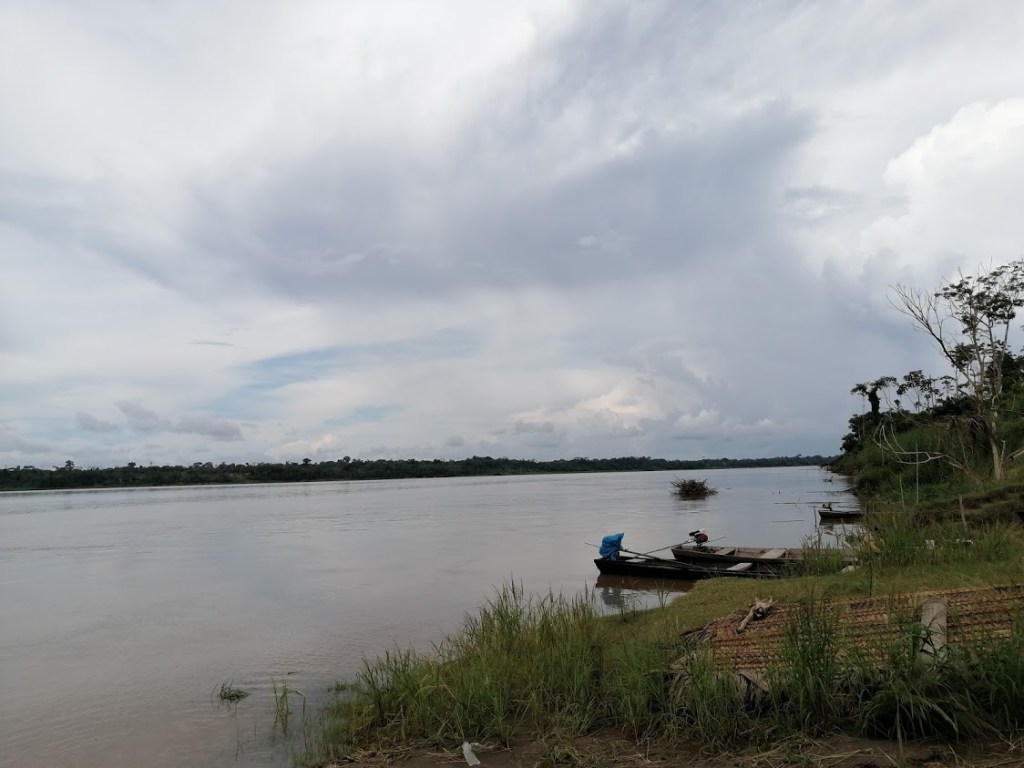
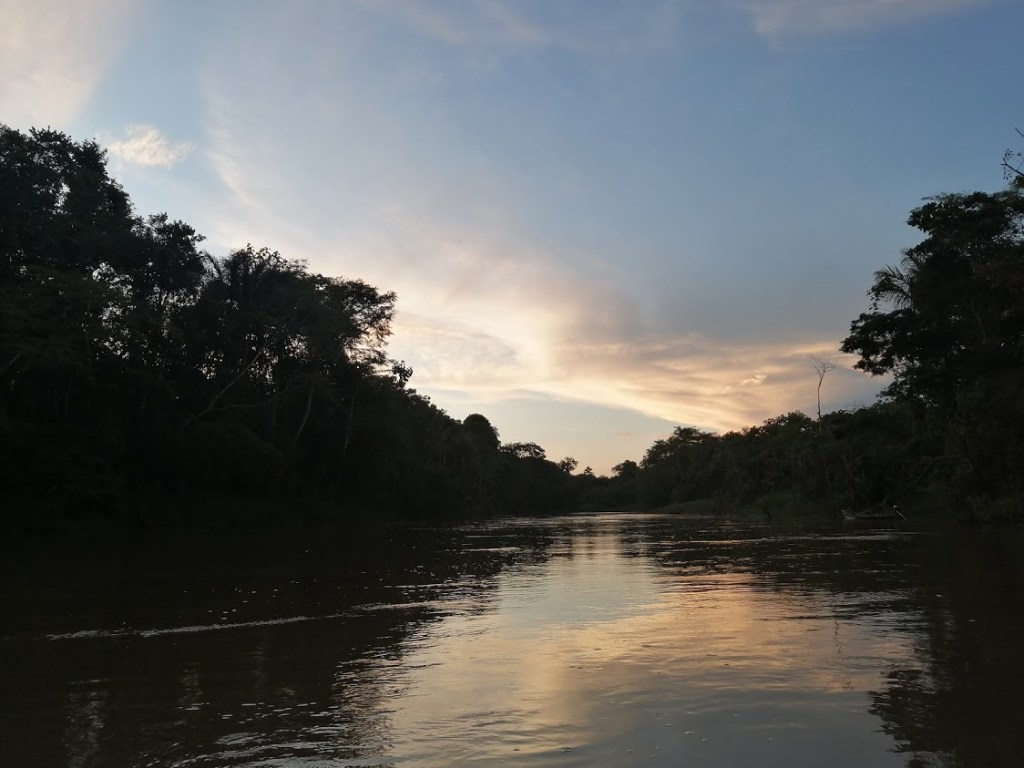
The red line on the pole shows the level the water can get to in the rainy season. The amazon completely transforms between rainy and dry season (when i visited the dry season was coming to an end, and the rainy season starting – the river about midway between lowest and highest). The river in the above photos is the Amacayacu, which joins the amazon after a 10-15minute boat ride. The boats used have small detachable engines and can be seen in the photos. The dock is used for people to access the boats and also for washing themselves, and clothes in the river.
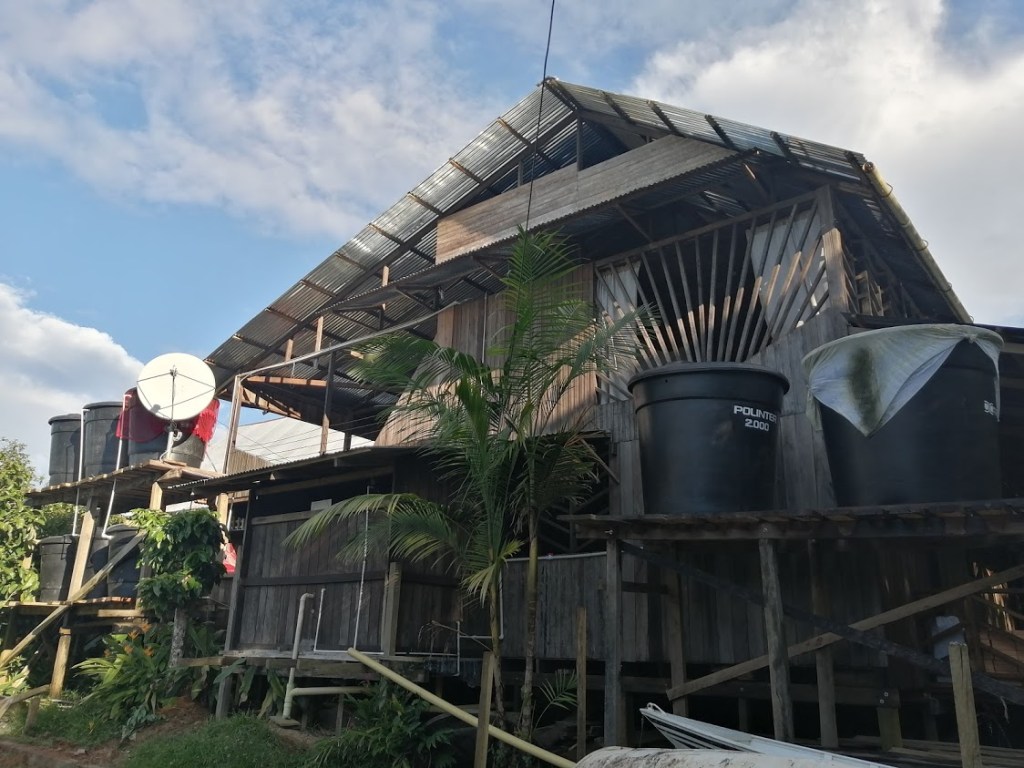
In the dry season, water is a scarce and so a lot of resources are put into collecting water during the wet season, and it is used sparingly.
The next day, i went to Puerto Narino, the “big town” in the area of 5,000 people. It is around a 45minute boat journey away. I saw a pink river dolphin for about a second, and saw about 5 grey river dolphins (they surface and go back under fairly quickly, dont have good photos).
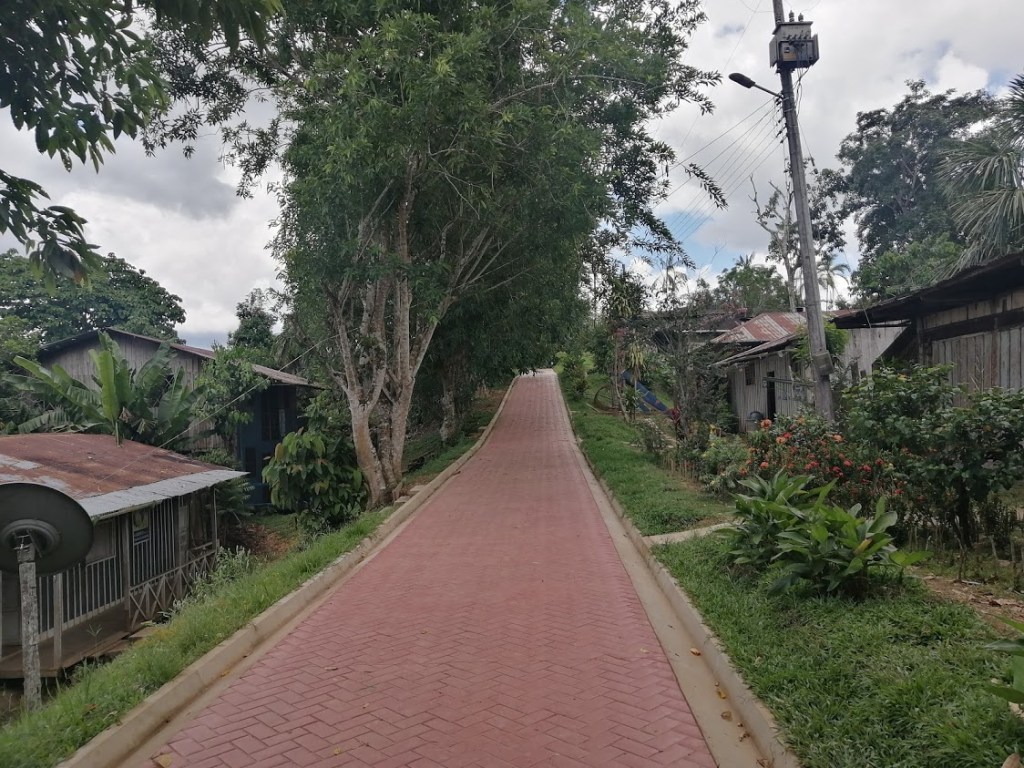
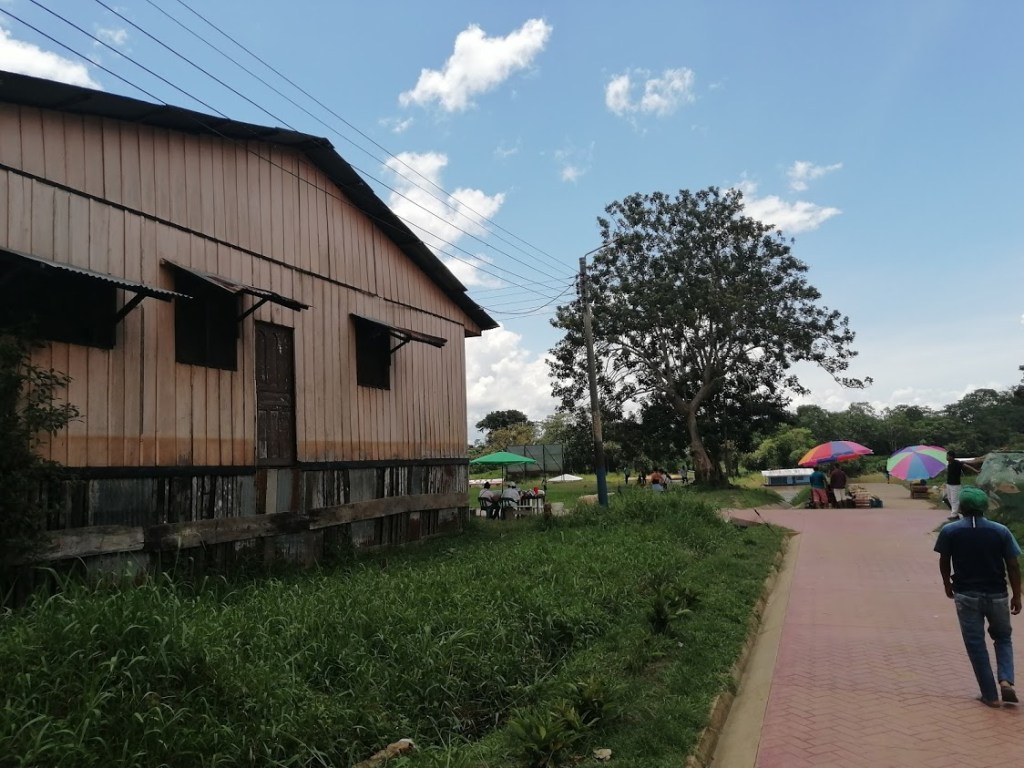
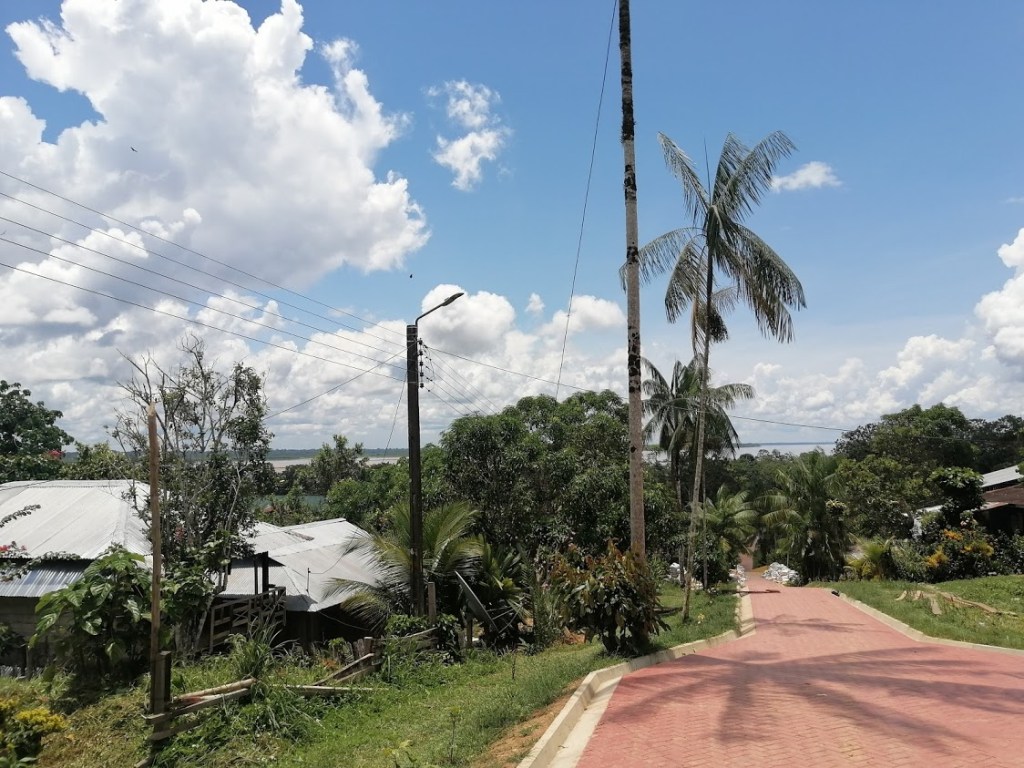
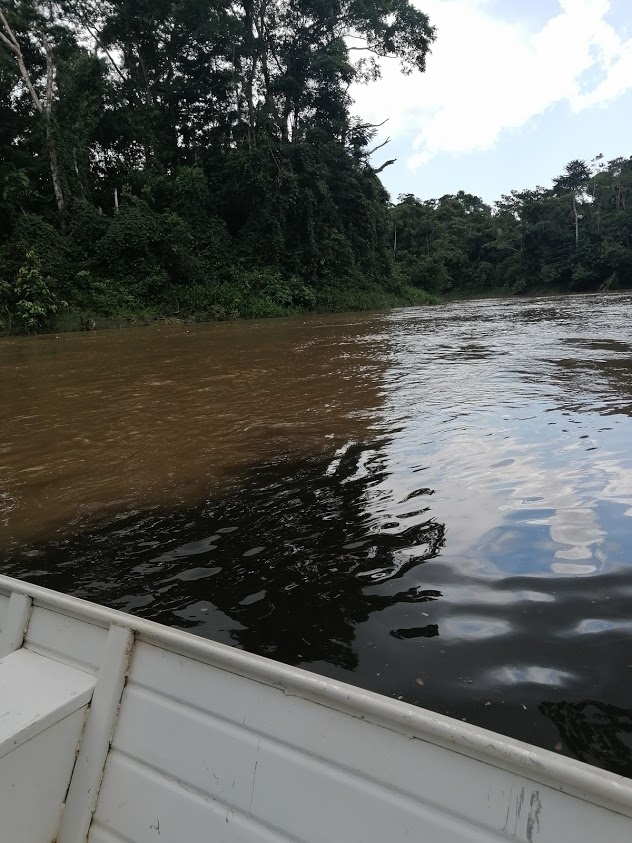
We had a walk around and then went to tarapoto lake. It is a different colour due to the sediment in the area. When you swim down you can see the water change from clear to brown/yellow to black. Whilst i was swimming, there was people only meters away fishing for piranhas – they’re not like the movies!
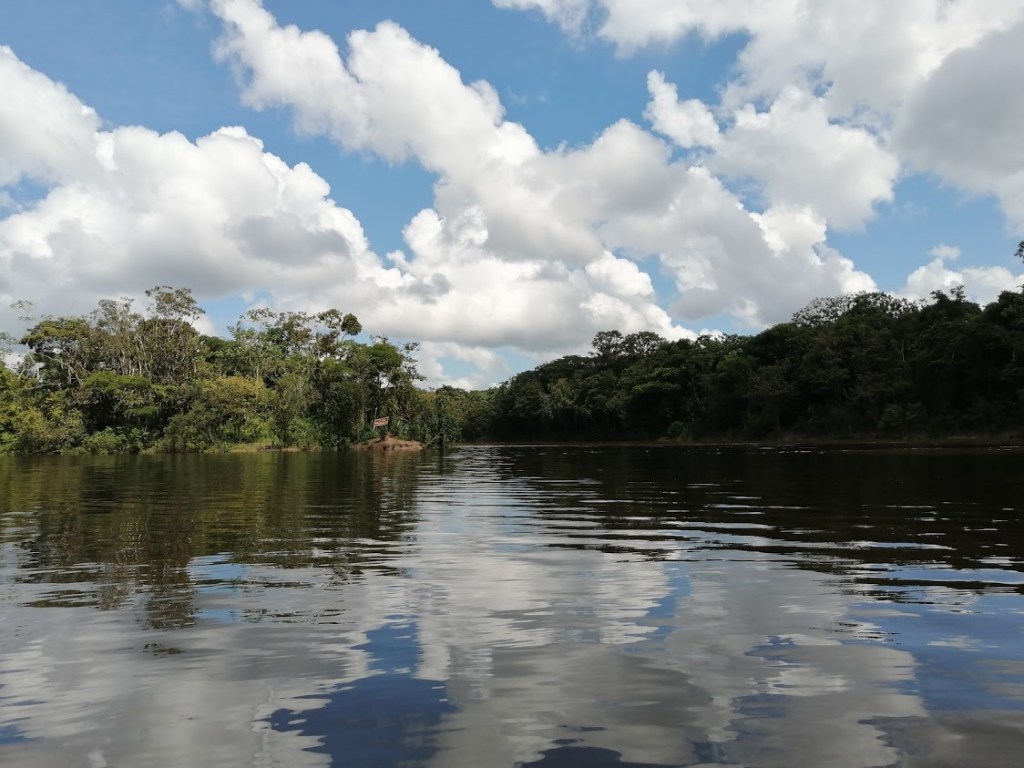
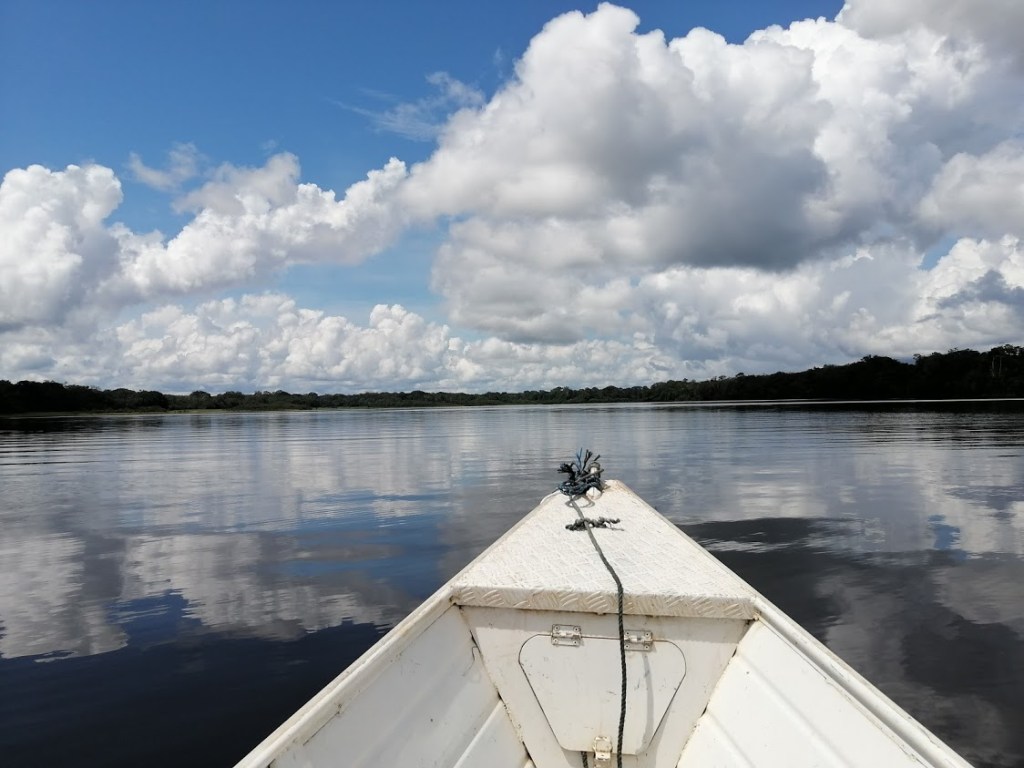
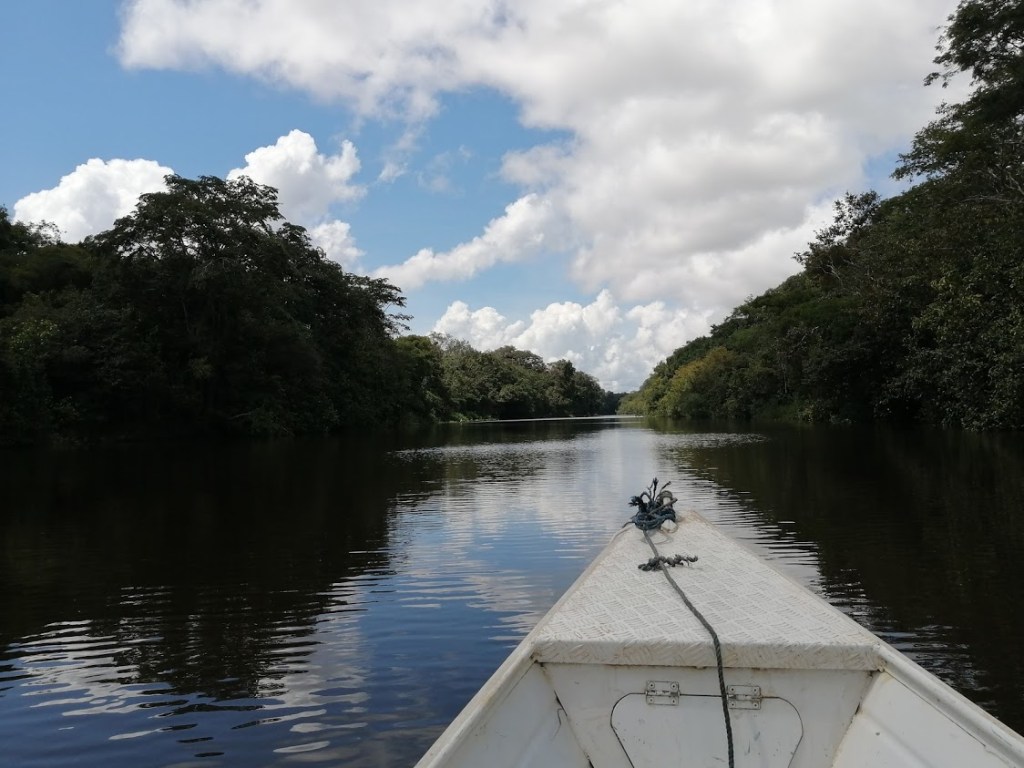
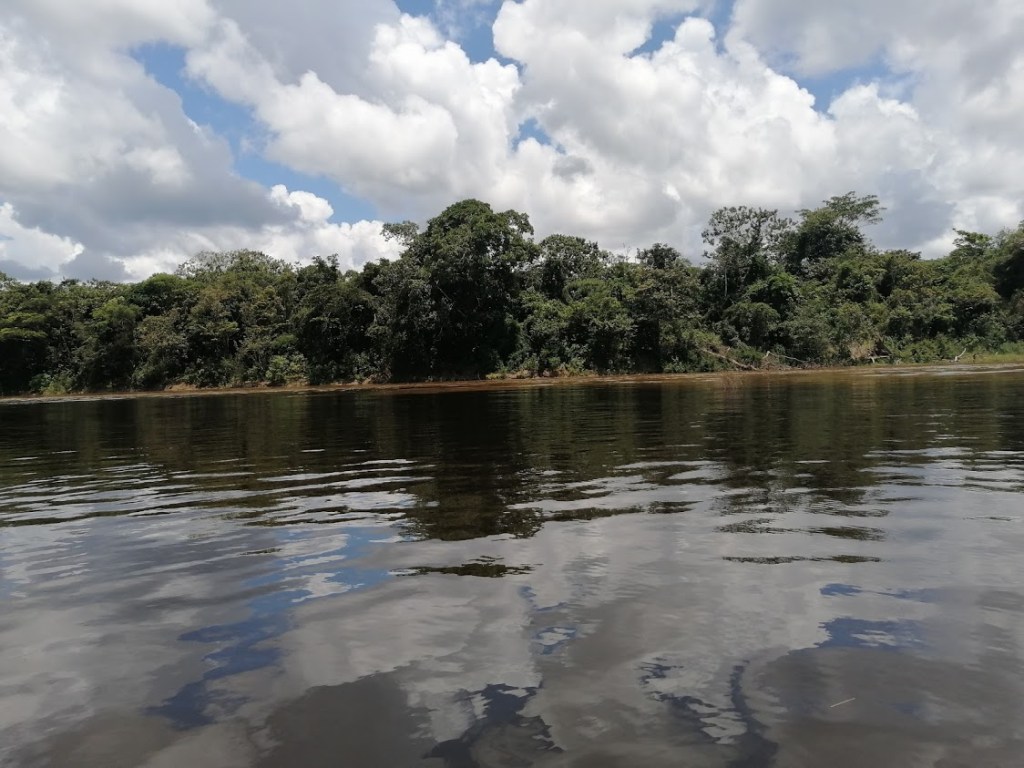
Notice the colour difference where the lake meets the river! In the dry season the lake becomes isolated from the river.
We returned to Puerto Narino to have lunch and to watch the football game. My guide James was subbed on in the second half. San Martin where i was staying were playing Puerto Narino and managed to win 5-3, despite its population being almost 10x less than that of puerto narino! During the wet season, the amazon river completely covers the football pitch, the pier behind is used to access the town.
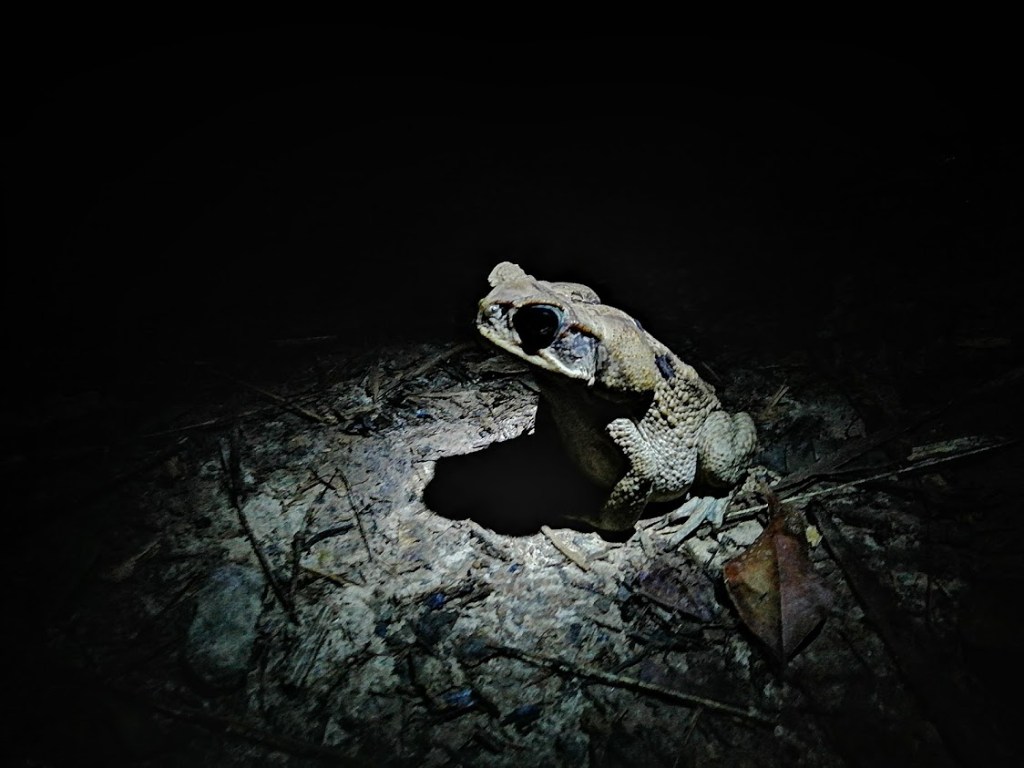
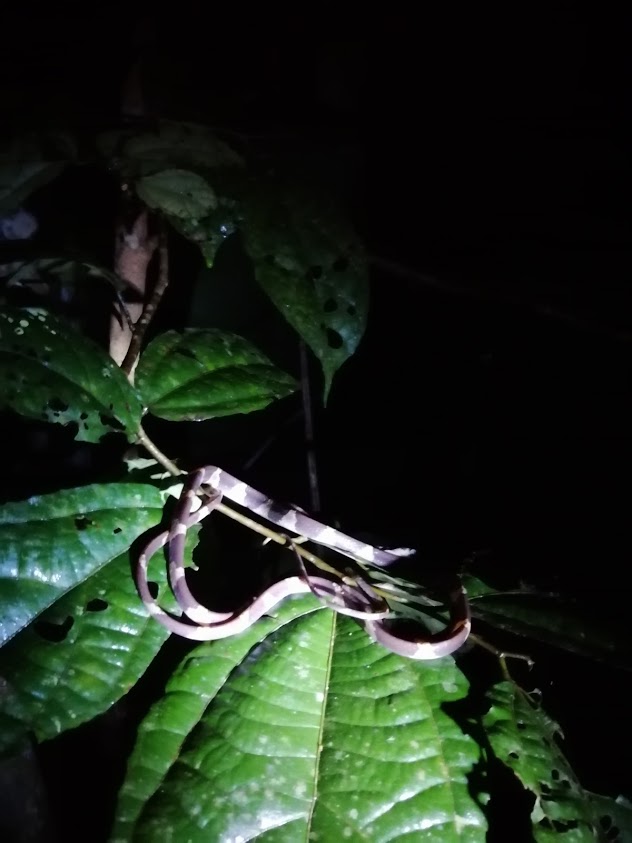
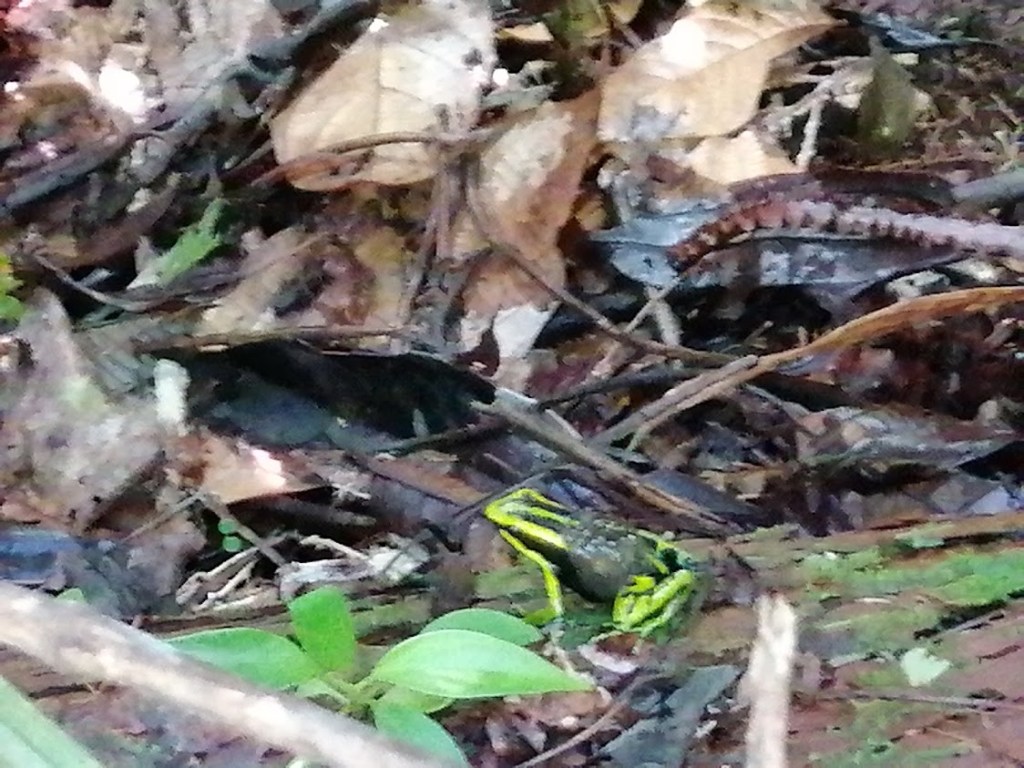
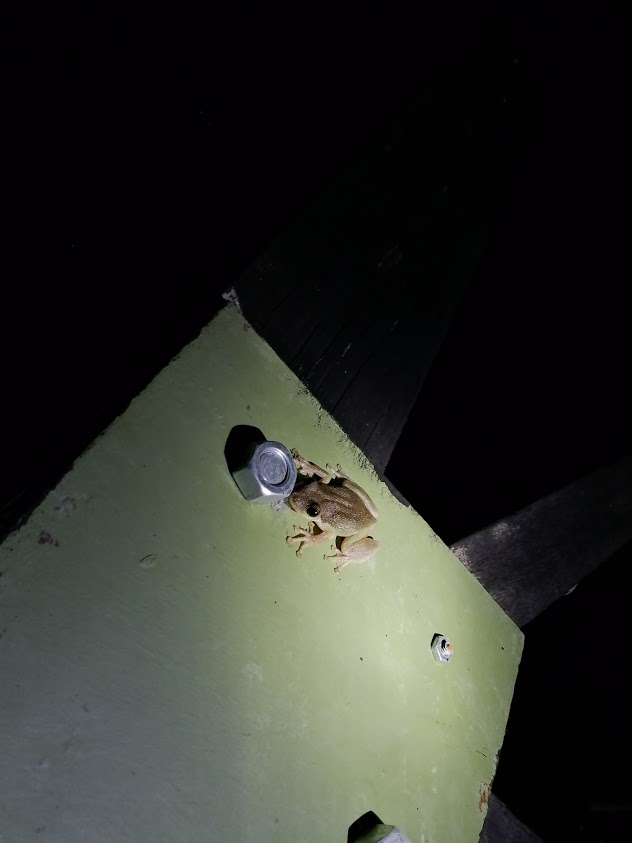
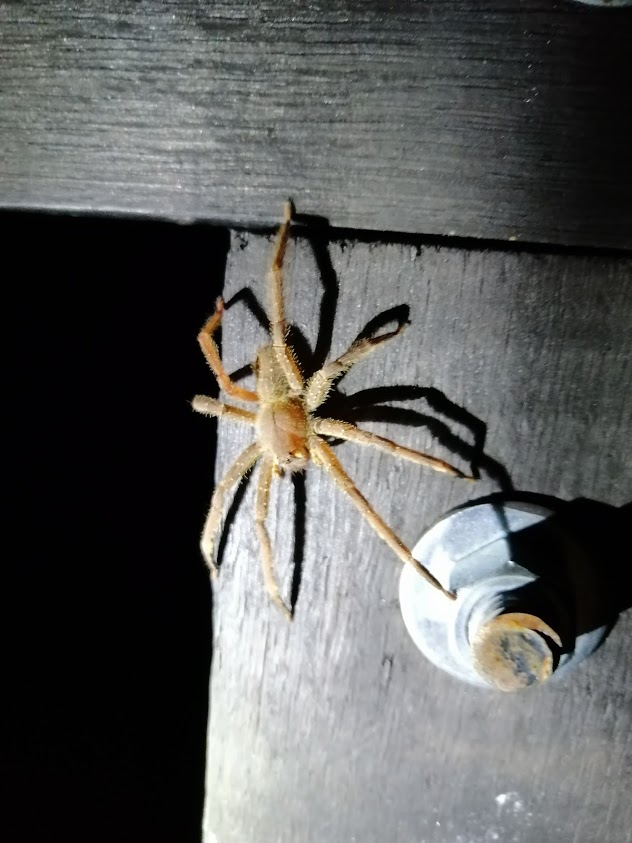
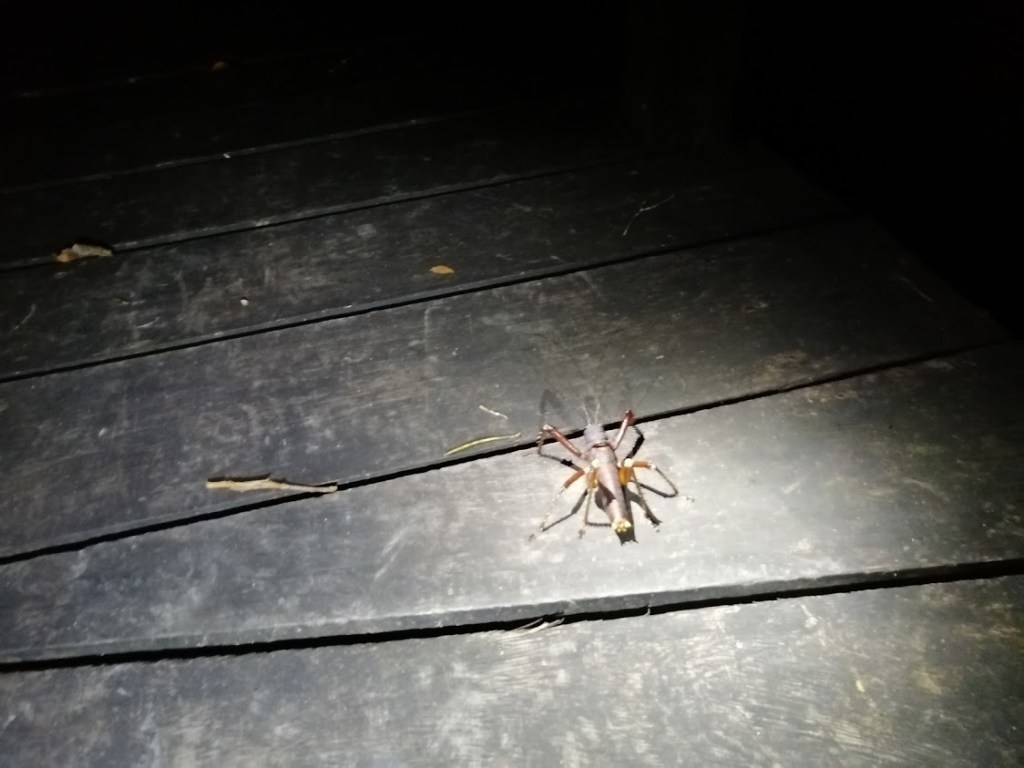
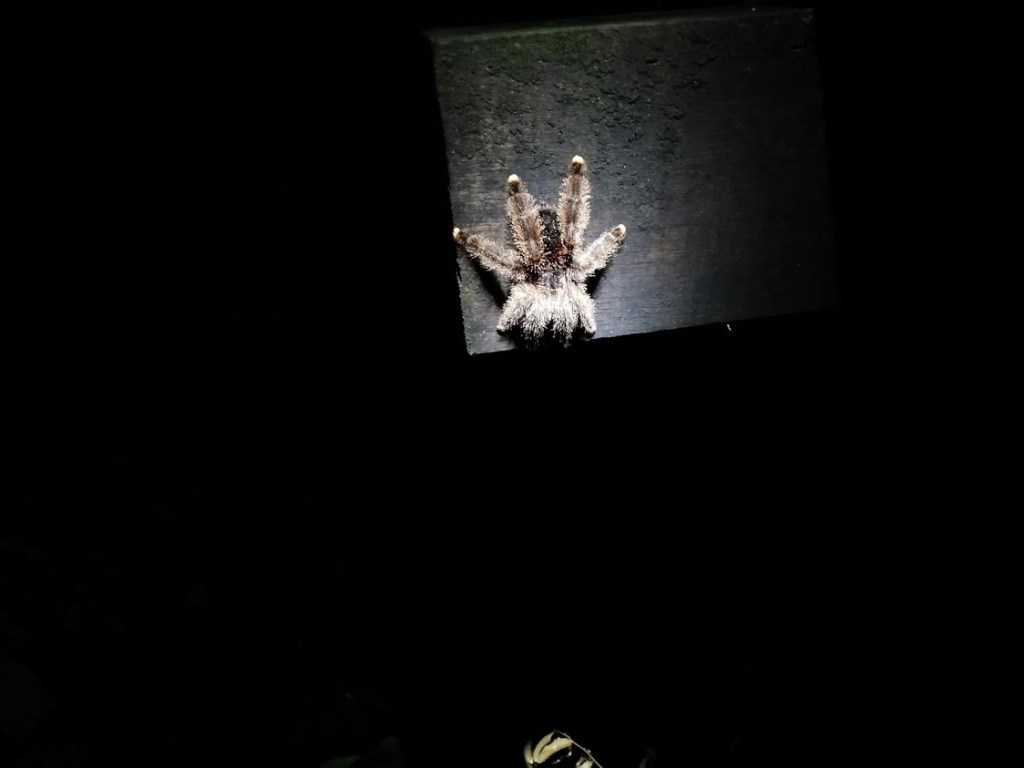
In the evening i did a night walk, seeing some toads, a small snake (non venemous), tarantula, giant crickets and a stick insect.
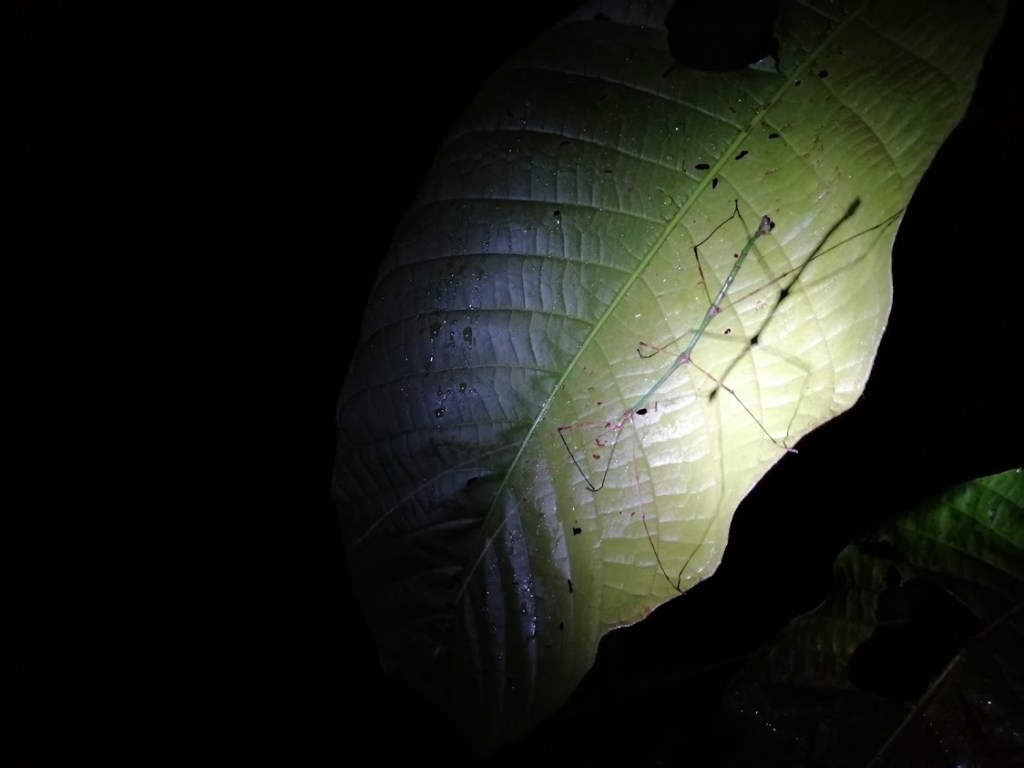
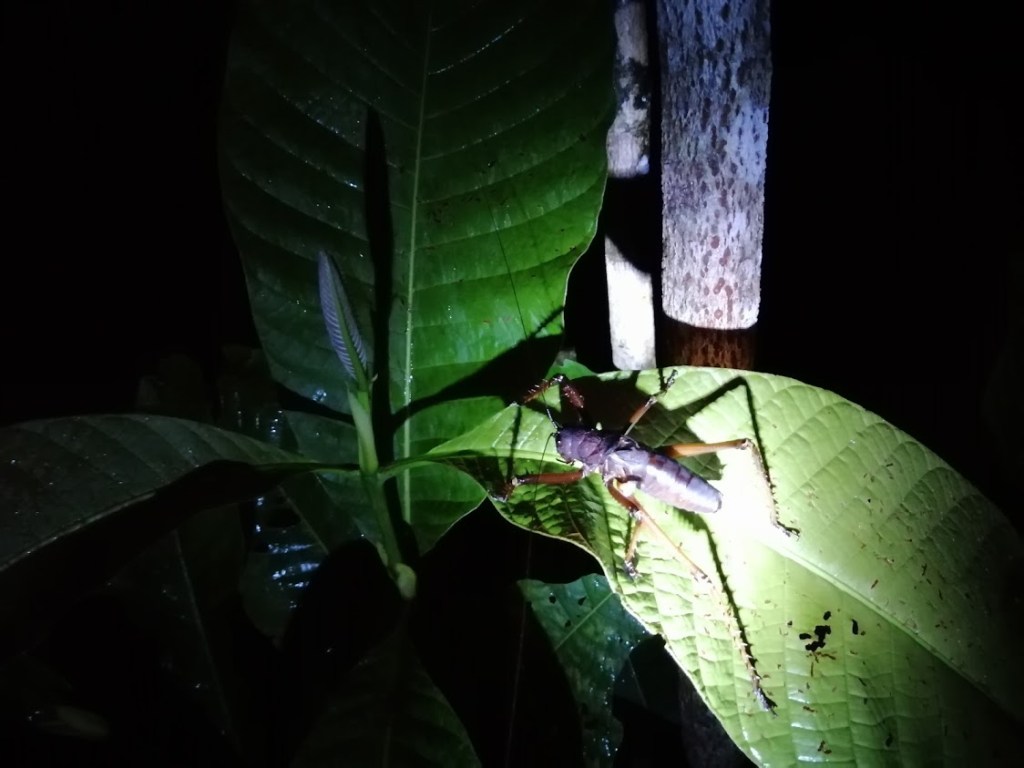
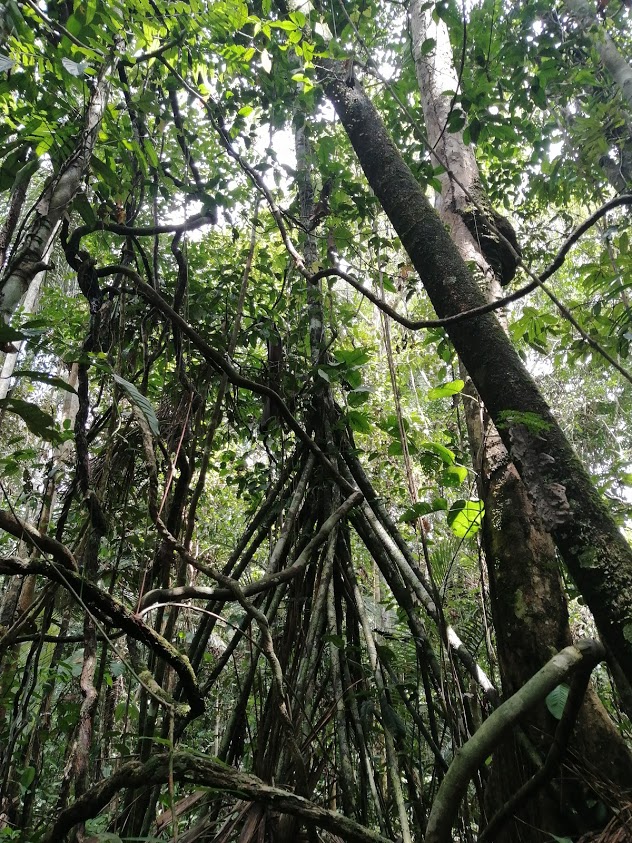
The next day involved a 1 hour boat ride up the amacayacu to do a walk through the primary rainforest, in addition to my guide, i was joined by a crazy canadian man. On the evening he was telling us all about how climate change is a myth propogated to make the elite richer, degrade our quality of life and control us. “They want to get rid of cash, centralise the power and trap us in a digital prison”. He also holds his phone as far away from his face as possible if he has to use it (on airplane mode the rest of the time), and was telling us about 9/11 conspiracies etc etc… (Two of the other people involved in this conversation/debate study environmental science, i studied physics and it was… interesting).
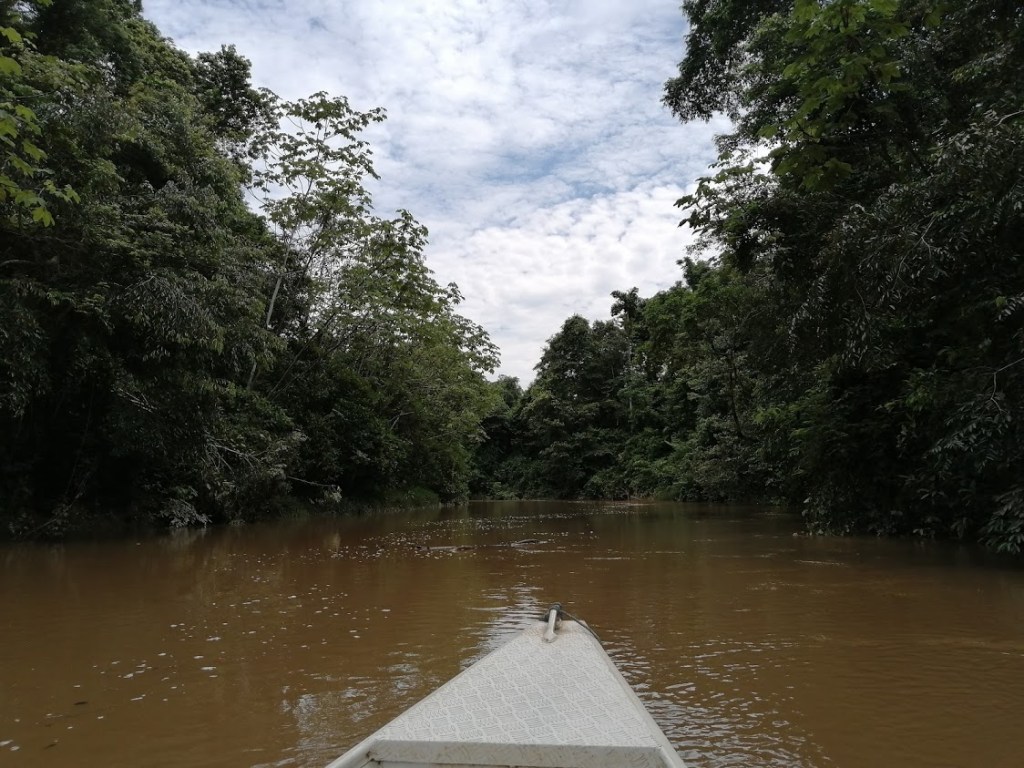
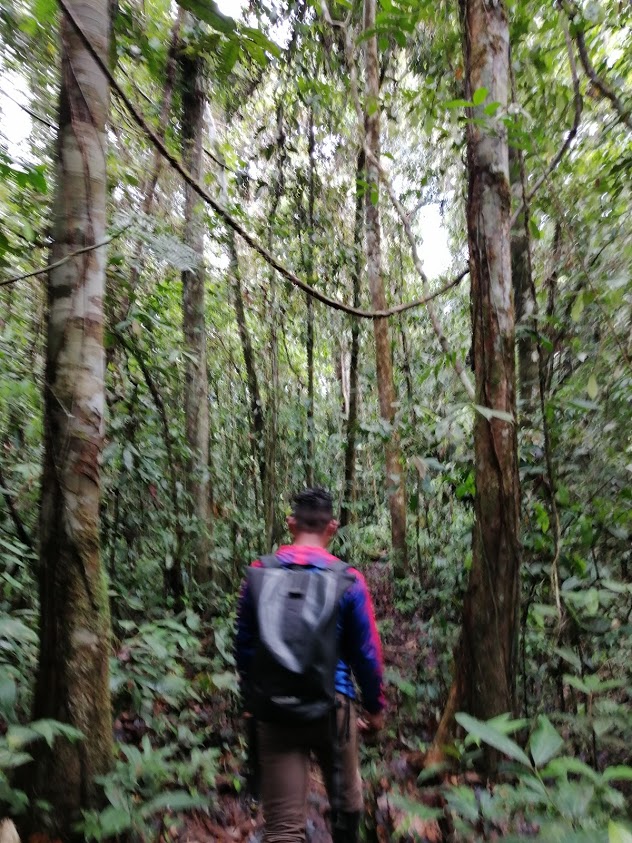

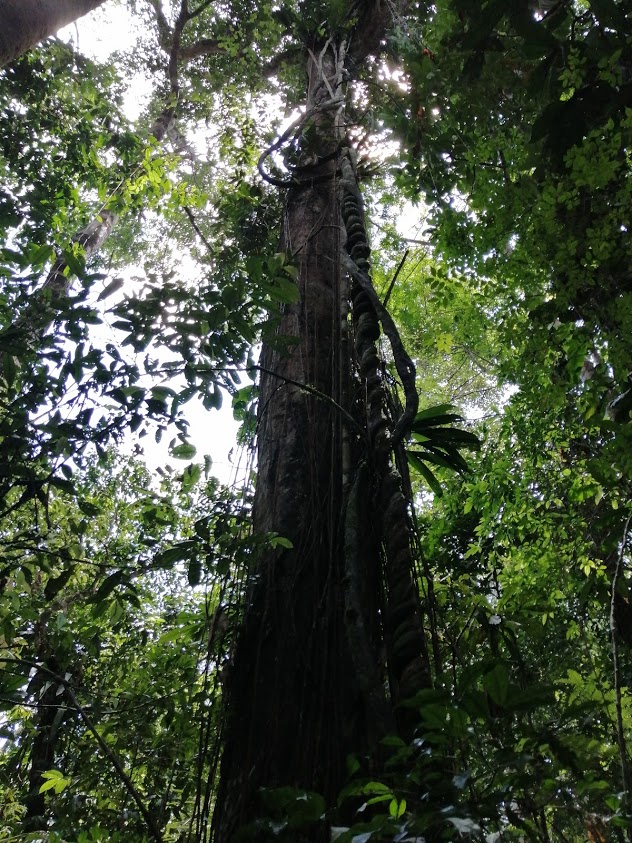
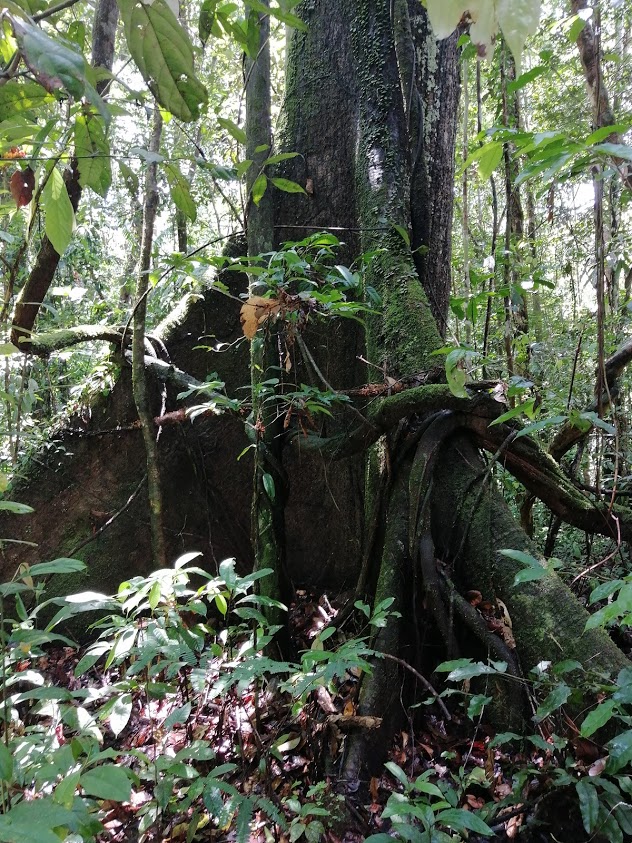
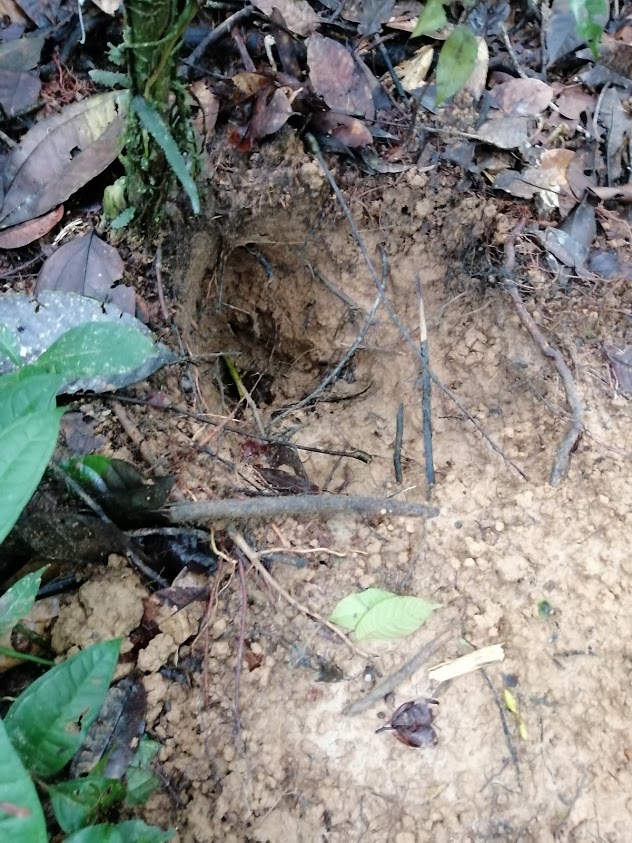
Along the walk we saw lots of termite nests, leaf cutter ants, other kinds of ants (and evidence that an ant eater had been there earlier).
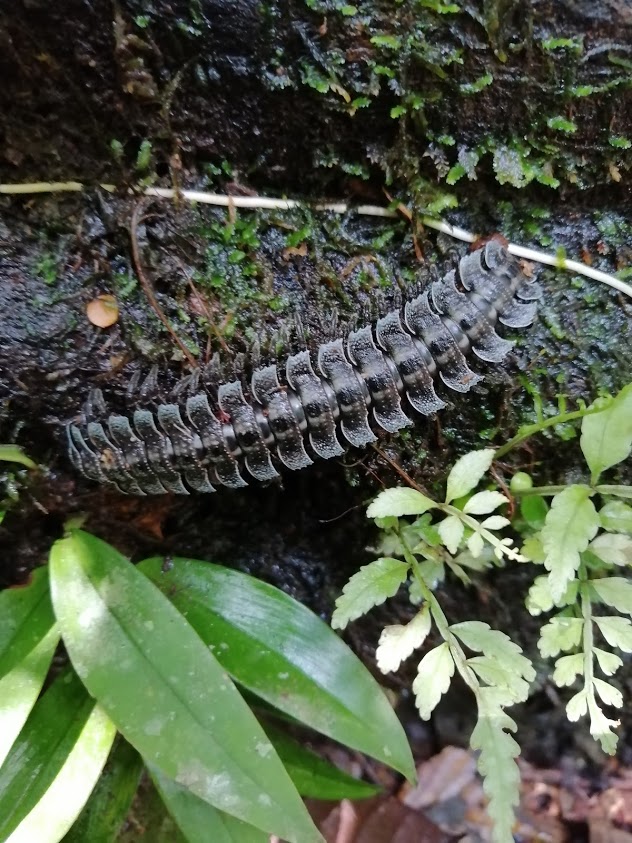
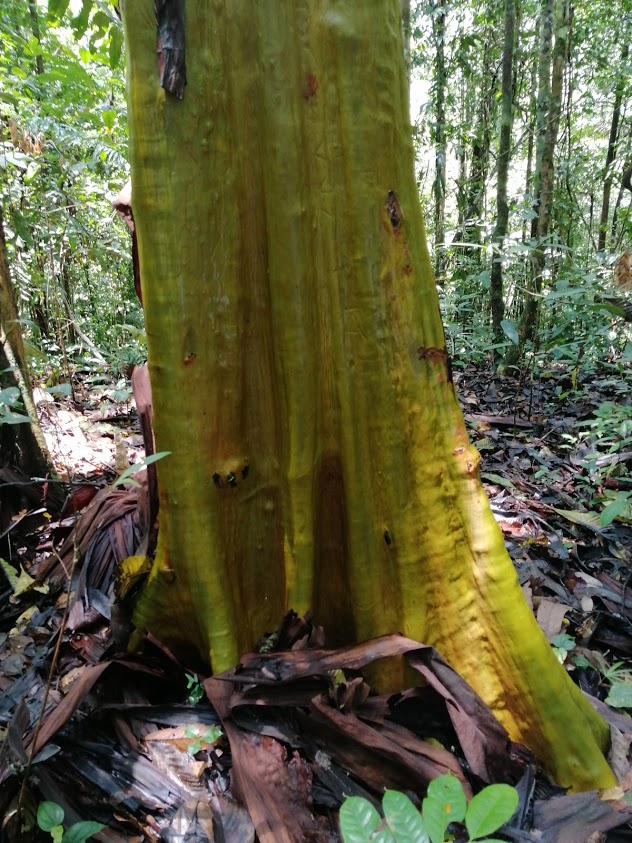
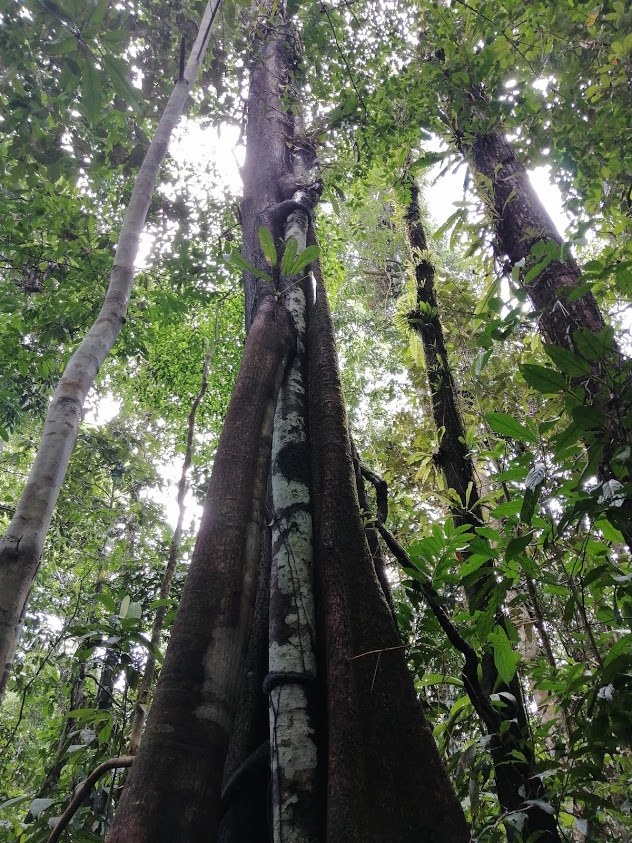
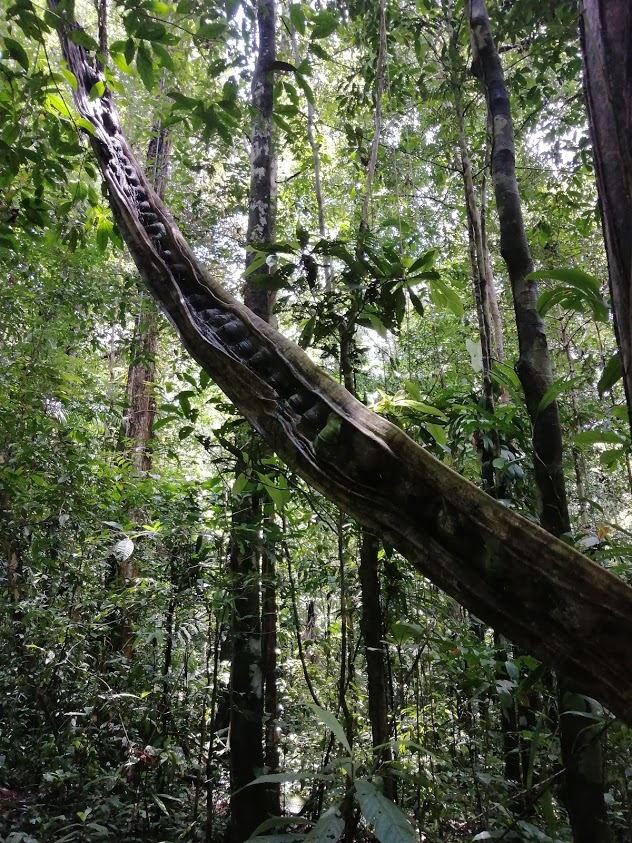
A tree that shreds its bark
On the way back we unsuccesfully fished for piranhas.
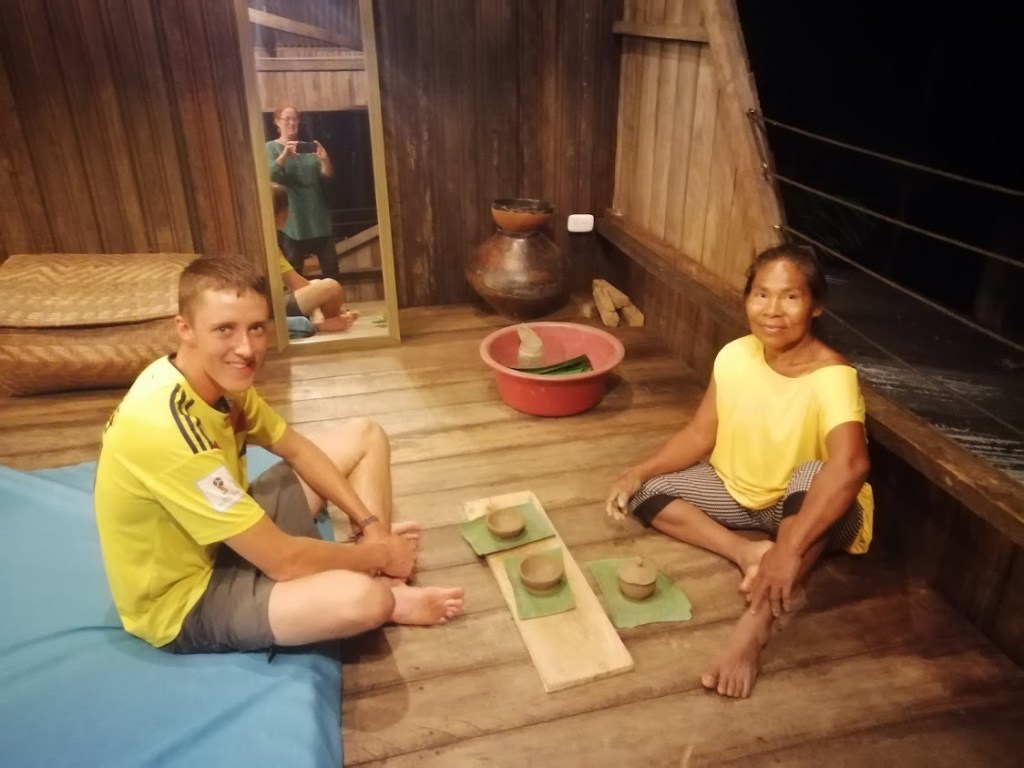
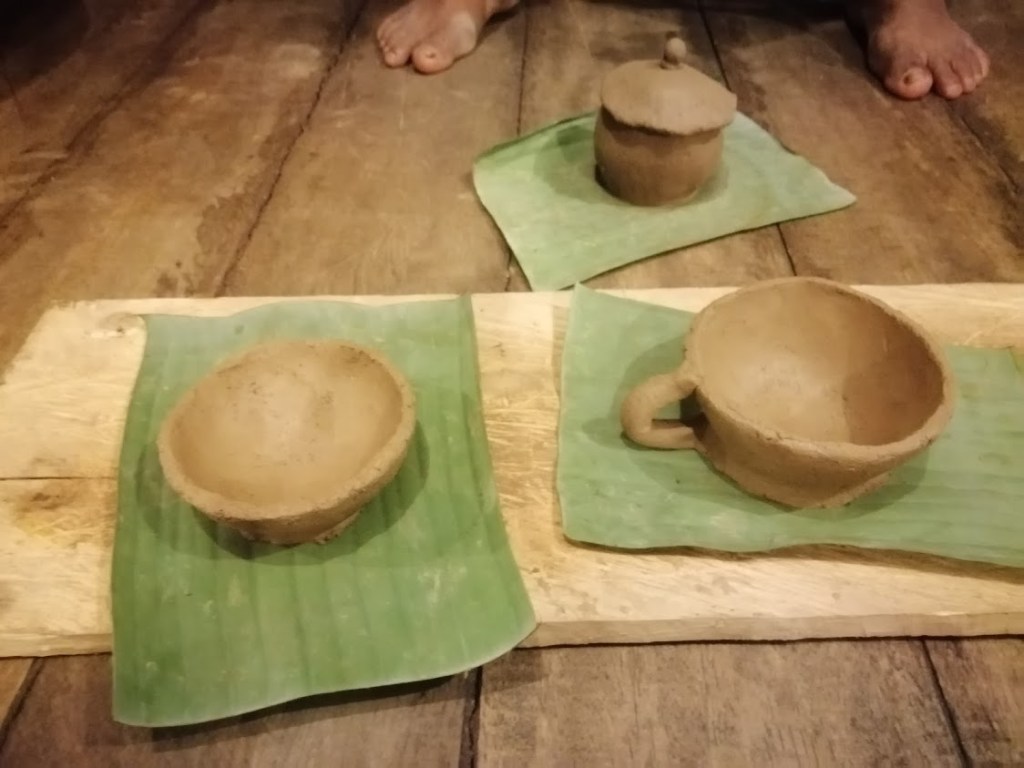
On the evening i learnt about how they make ceramics and gave it a go!
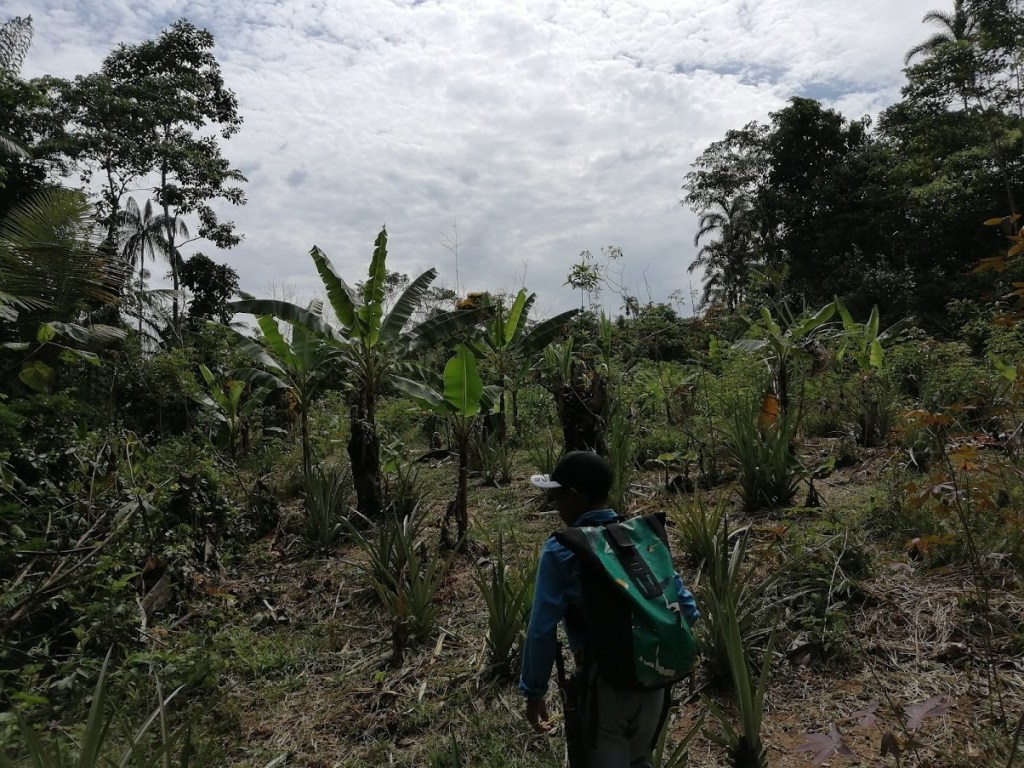
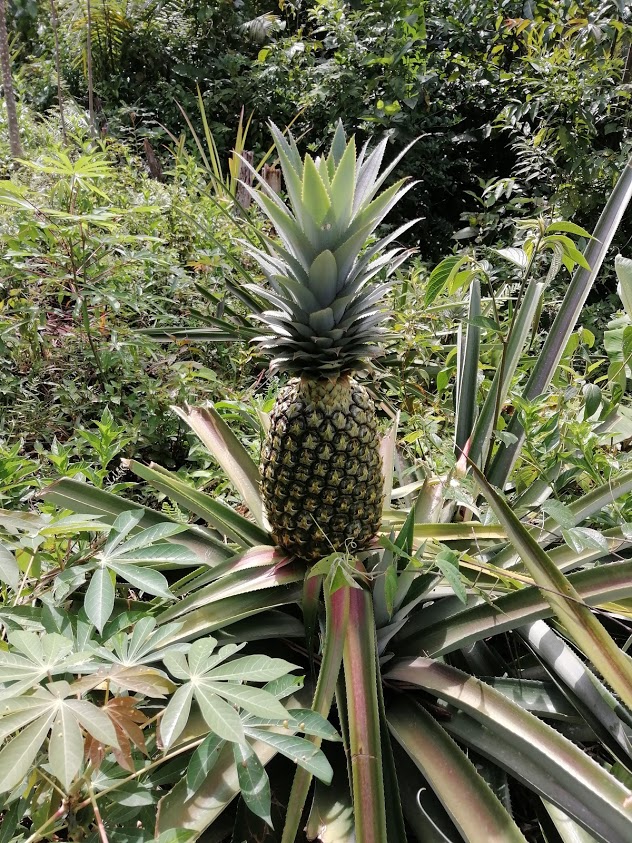
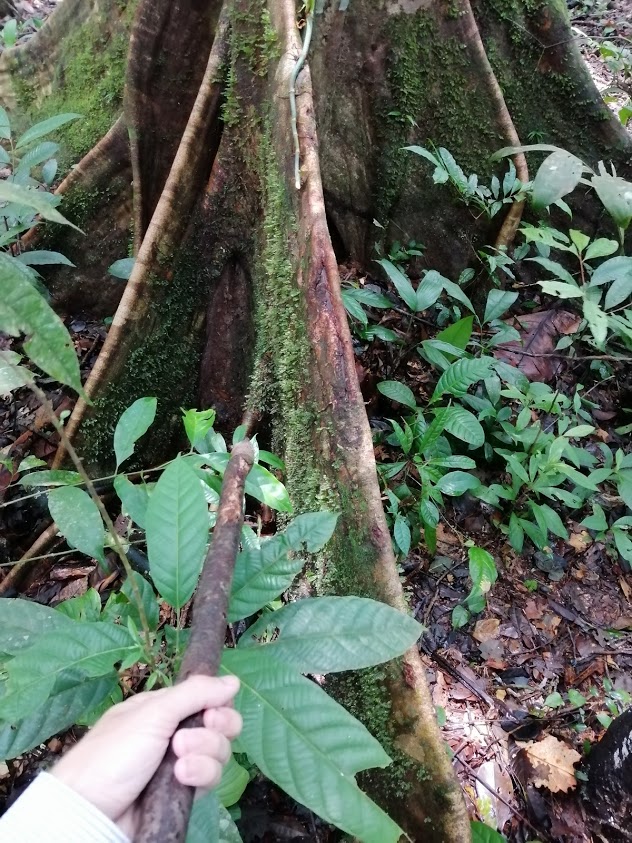
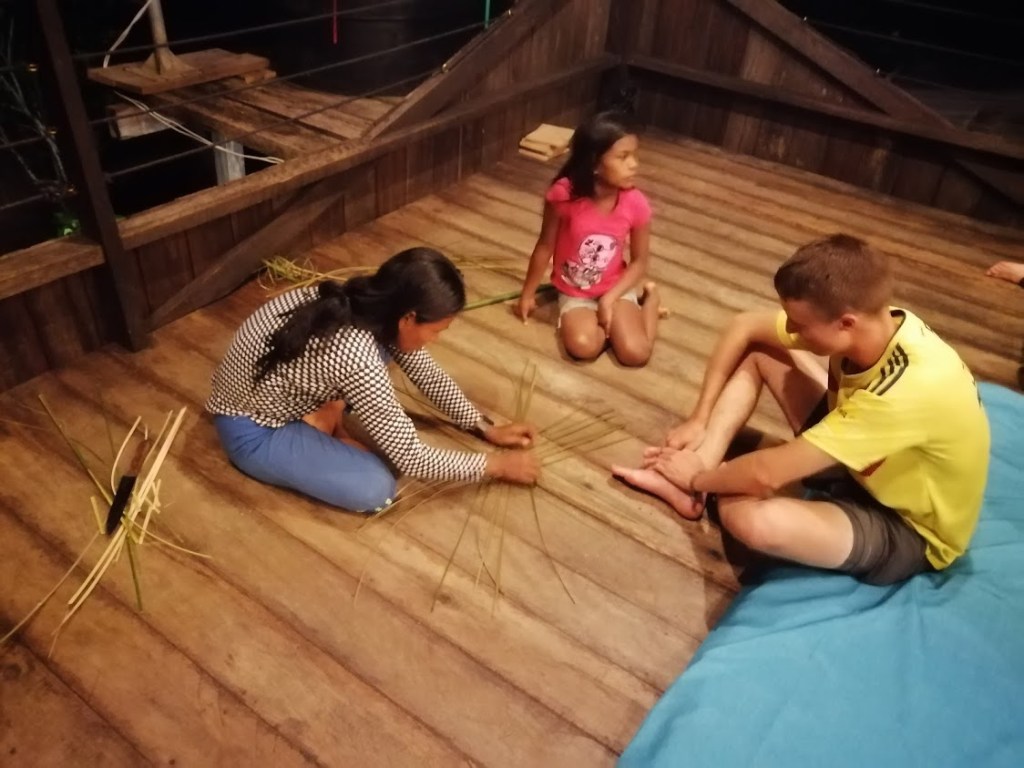
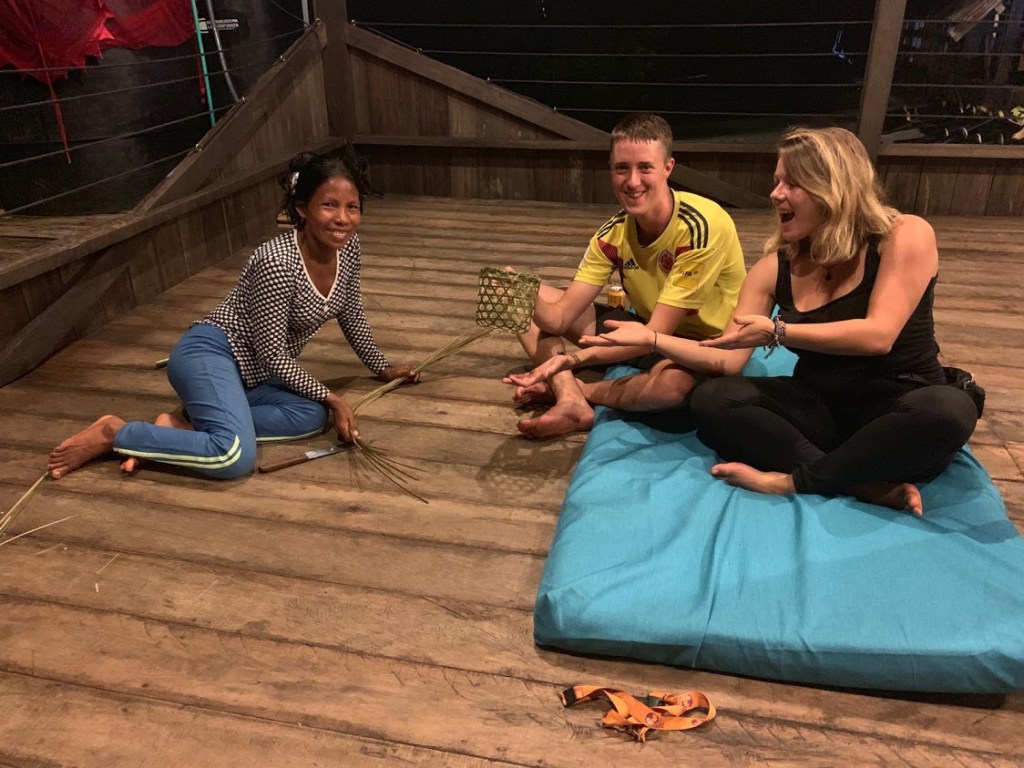
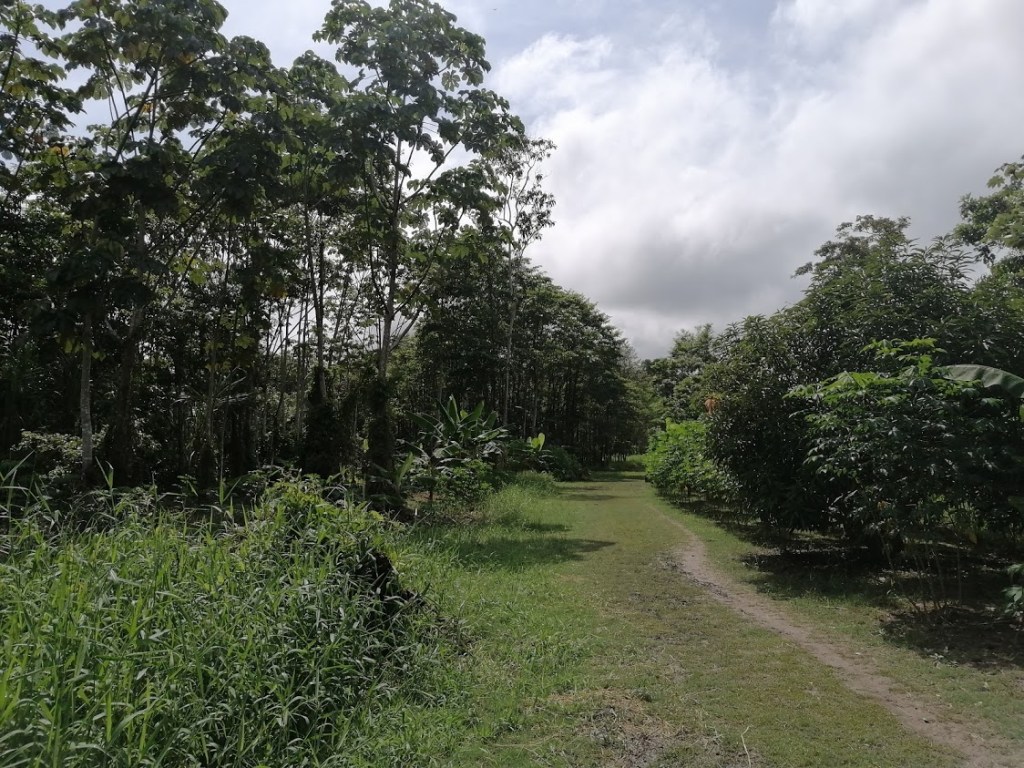
The next day i was taken on a walk to learn about agriculture here. I learned about the importance of rotating the areas that they use to grow, and was shown various different trees that are used for rubber, clothes, medicine, poison for hunting, houses, art and archery.
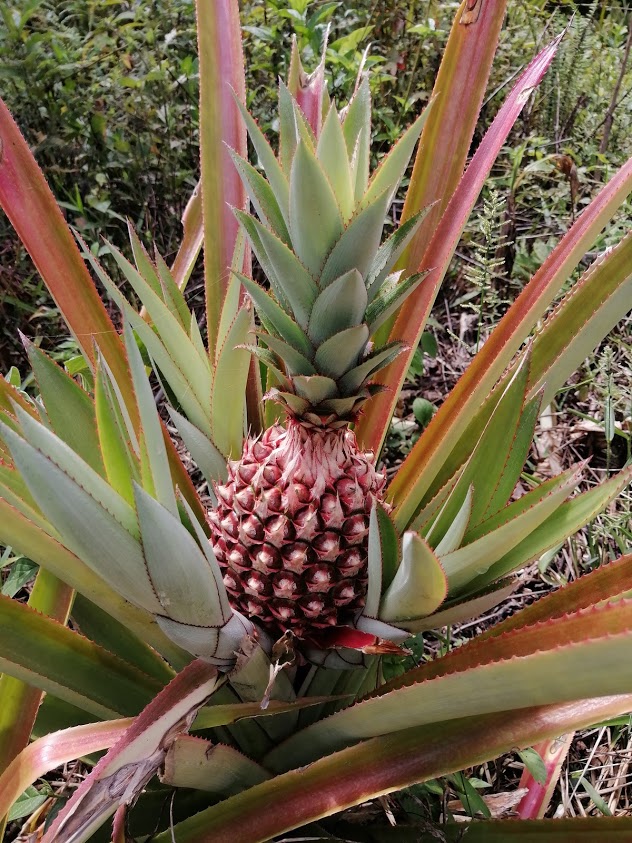
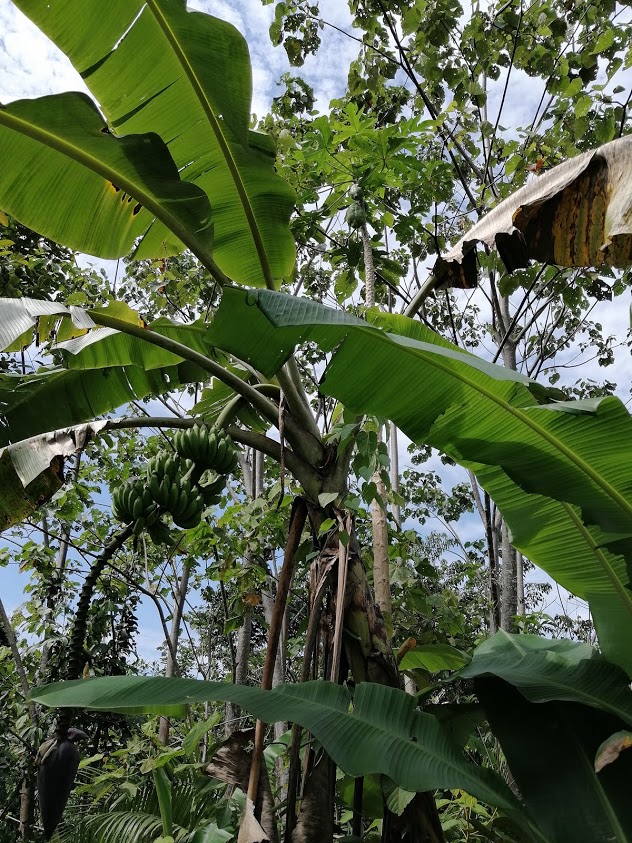
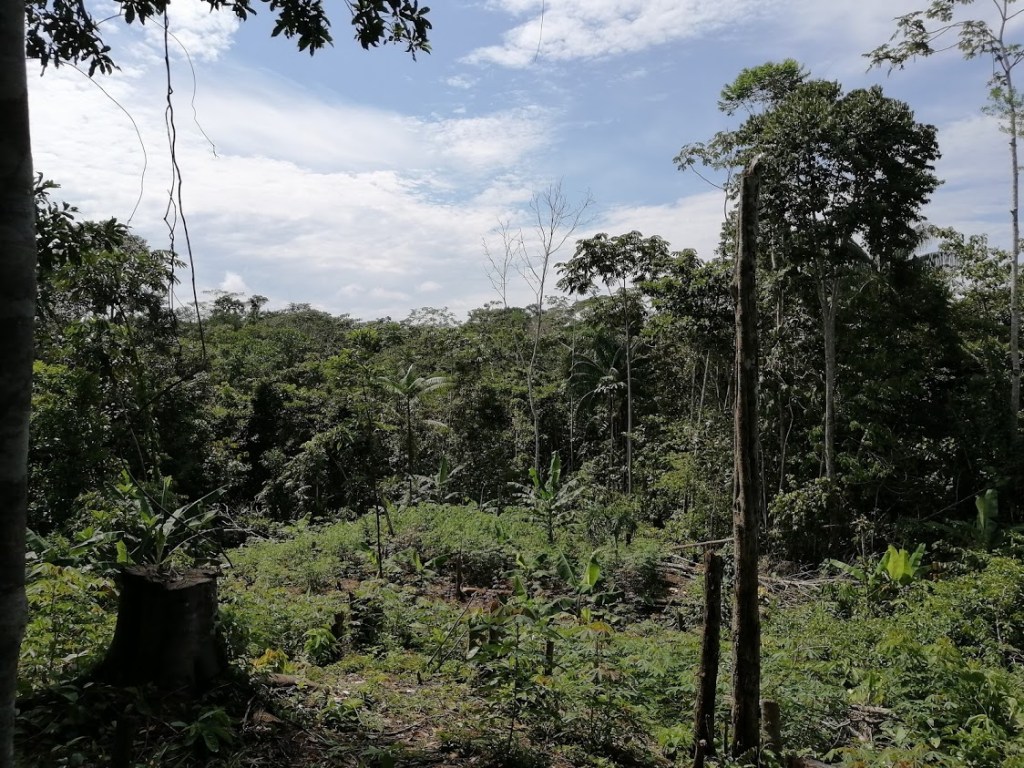
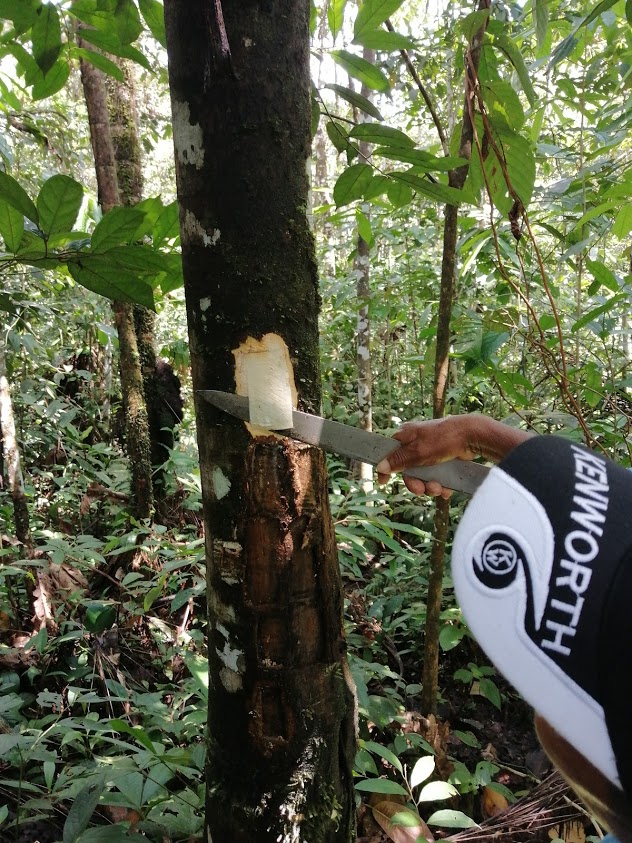
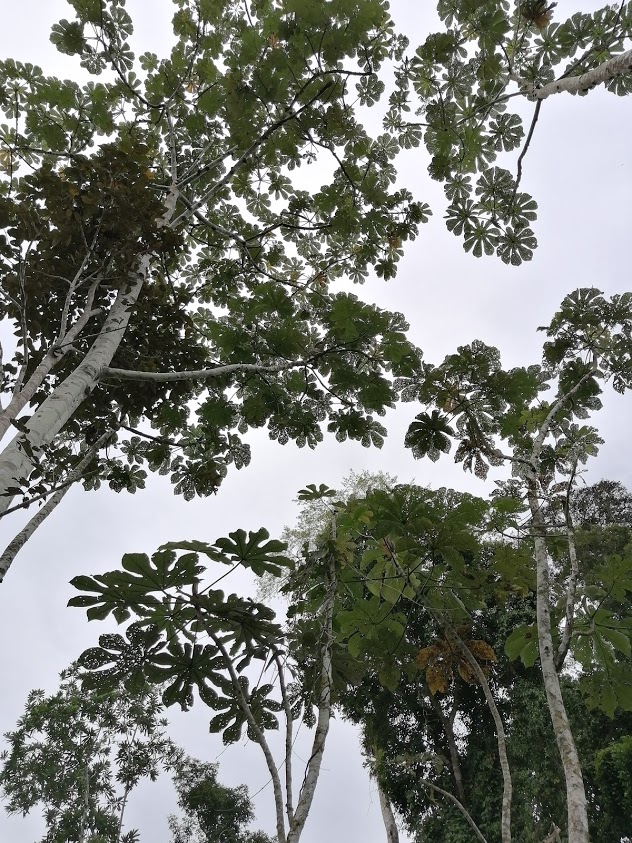
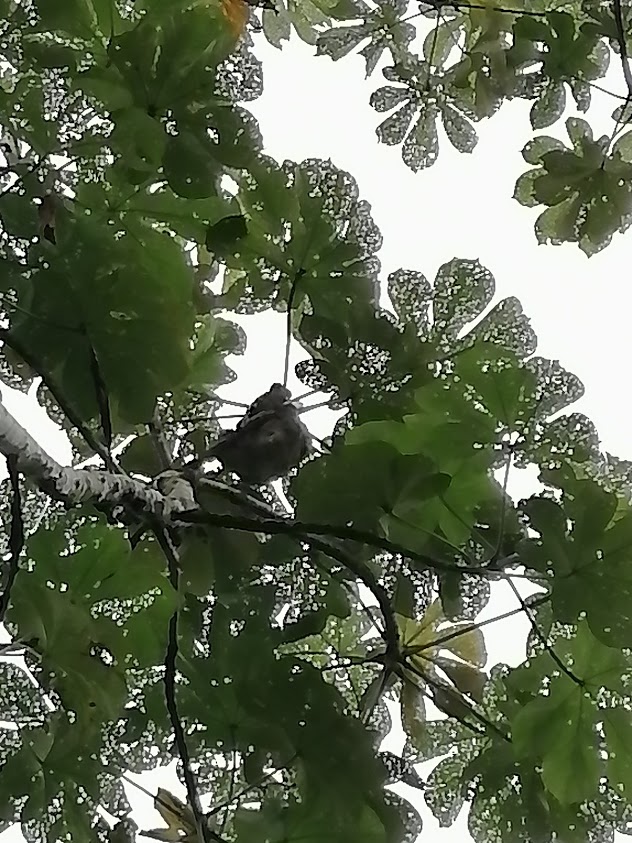
After seeing the villages agriculture, we walked further into the jungle. The guide was extremely good at spotting wildlife, and we saw tamarins and squirrel monkeys from a distance (took me ages to spot them, he did straight away). Cant really see them on photos (new phone camera is way worse than old one… :((( ).
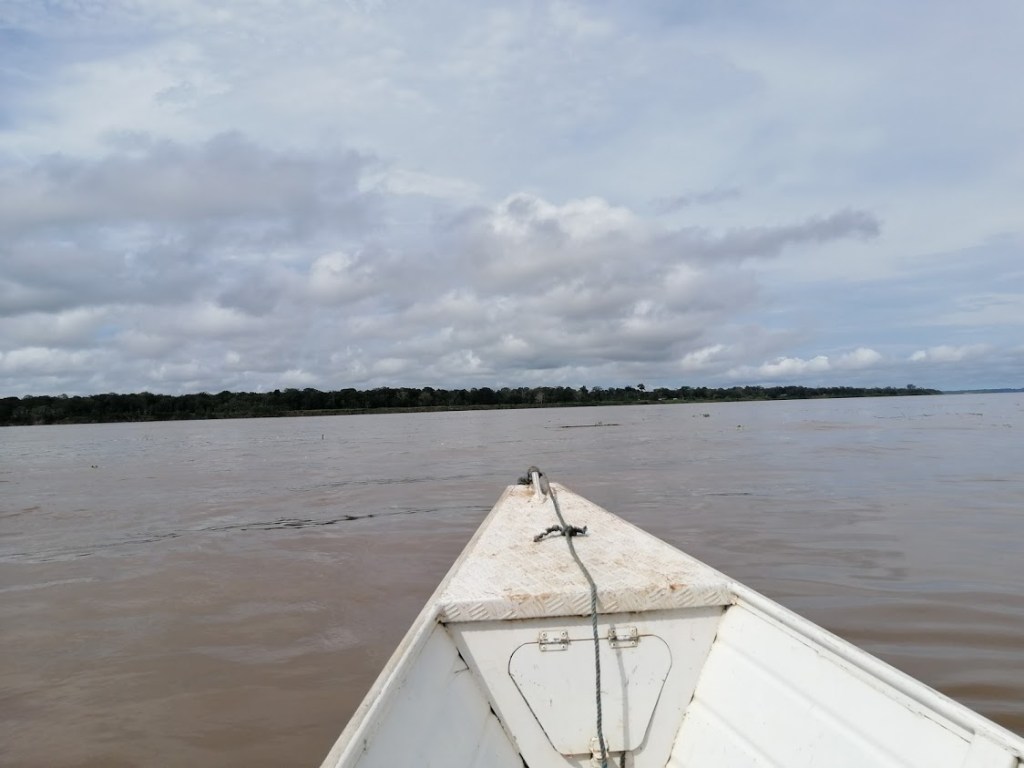
The day after, i went to the Peruvian community of Altamira, a short boat trip over to the other side of the amazon river. In this area, the north side of the amazon is colombia and the southern side is peru.
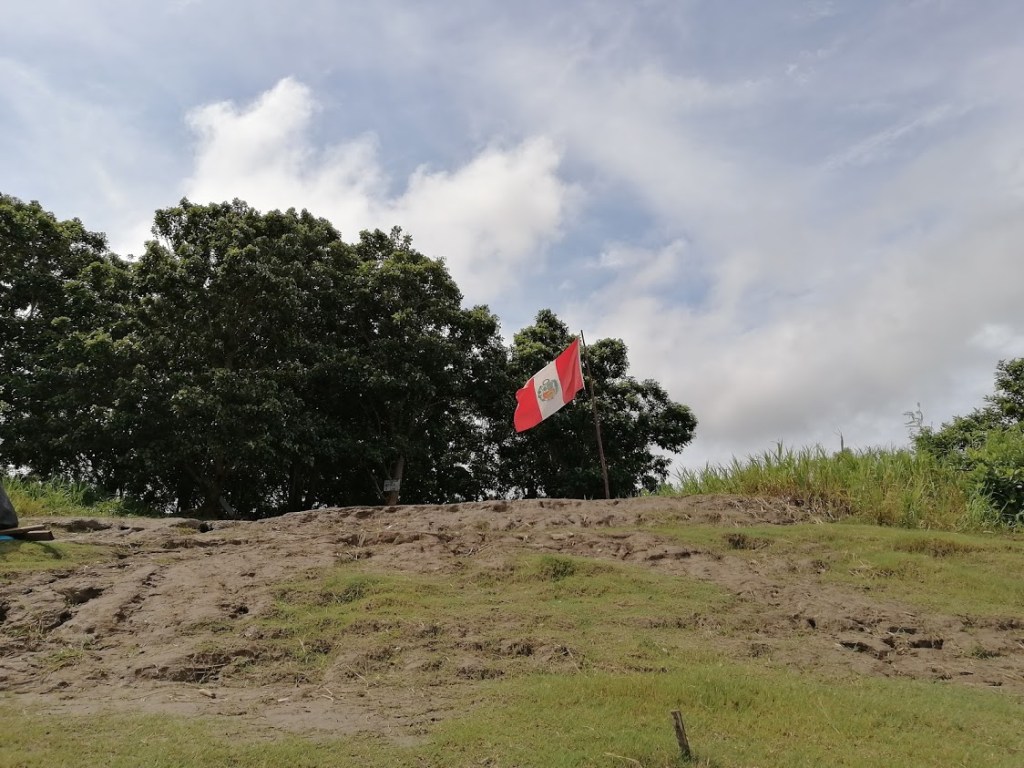
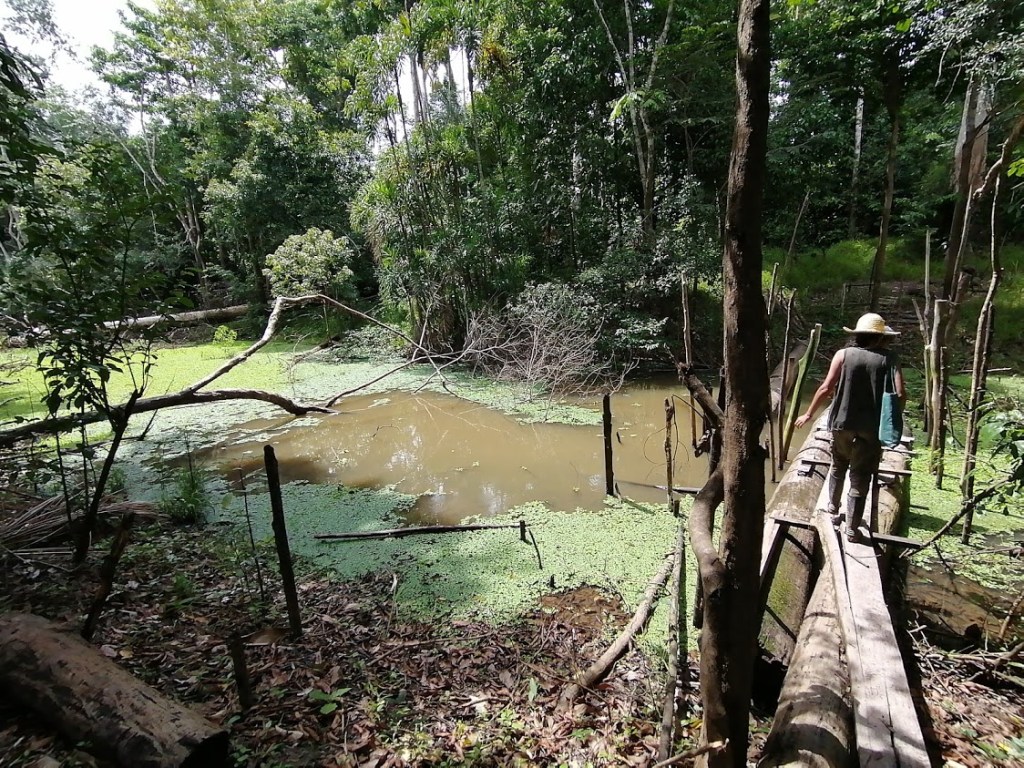
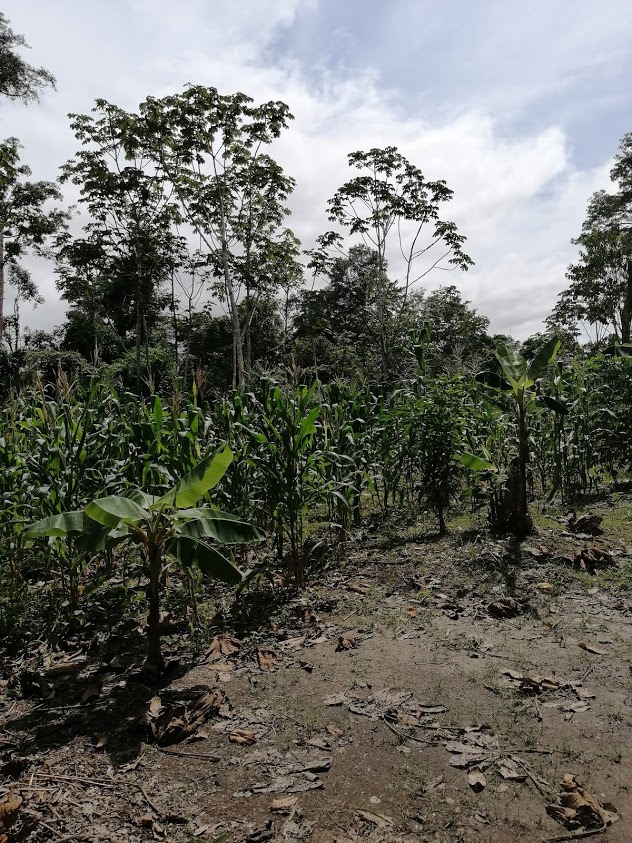
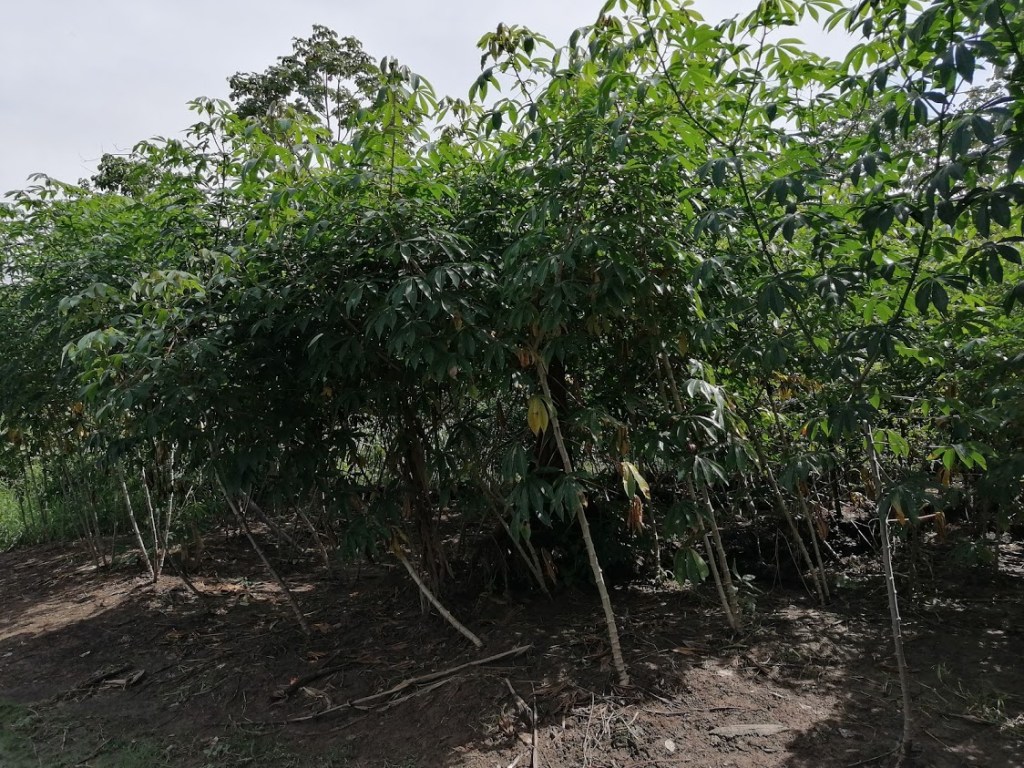
In san martin i learned that it was very hard for them to grow much food, and a lot of it they buy from this peruvian community. This is because their farmlands are close to the river, and flood every year. Whilst this makes the soil fertile, it also means that they cannot grow anything for half a year. They grow lots of yuca, and before the land floods it is all harvested. It is turned into some kind of yellow powder that lasts much longer than keeping it in other forms. Half is kept in the houses for the community to eat whilst the land is flooded, and half is buried, protected by banana leafs. When the water go’s, this food is dug up and eaten in the time it takes for the new crops to grow.

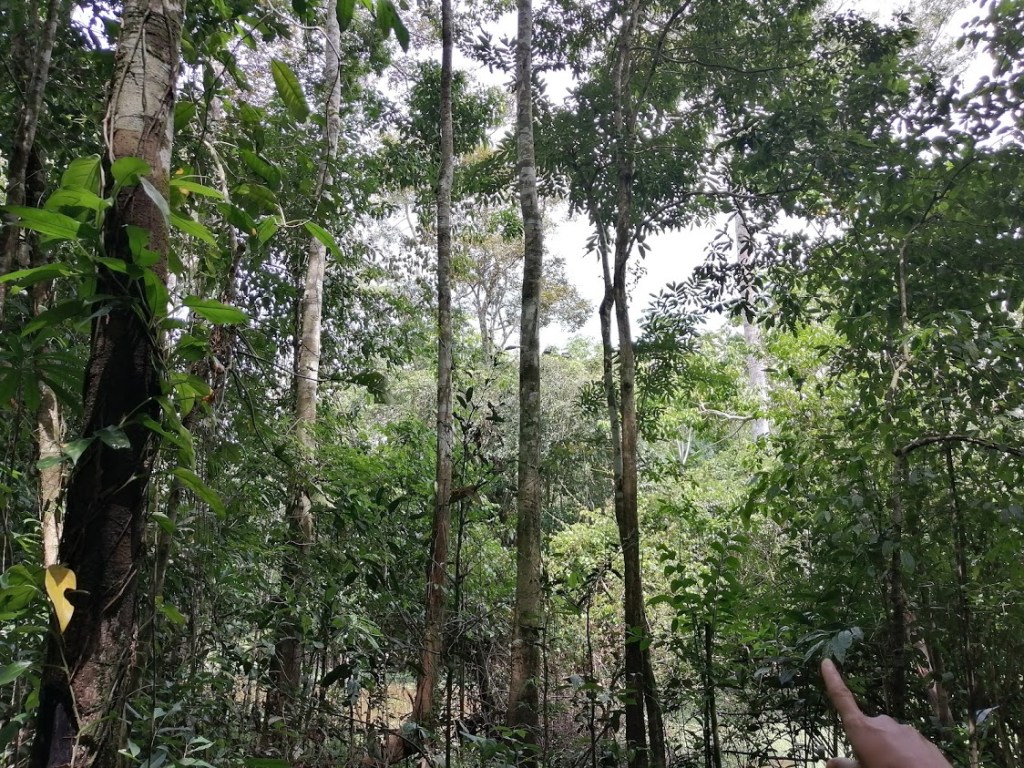
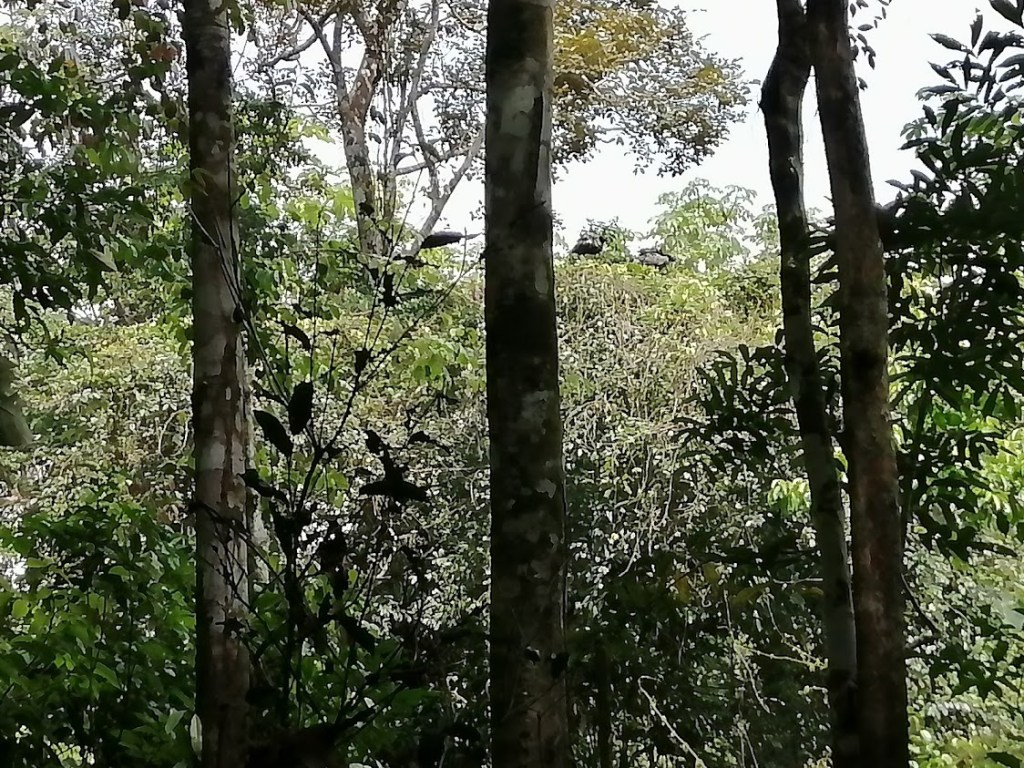
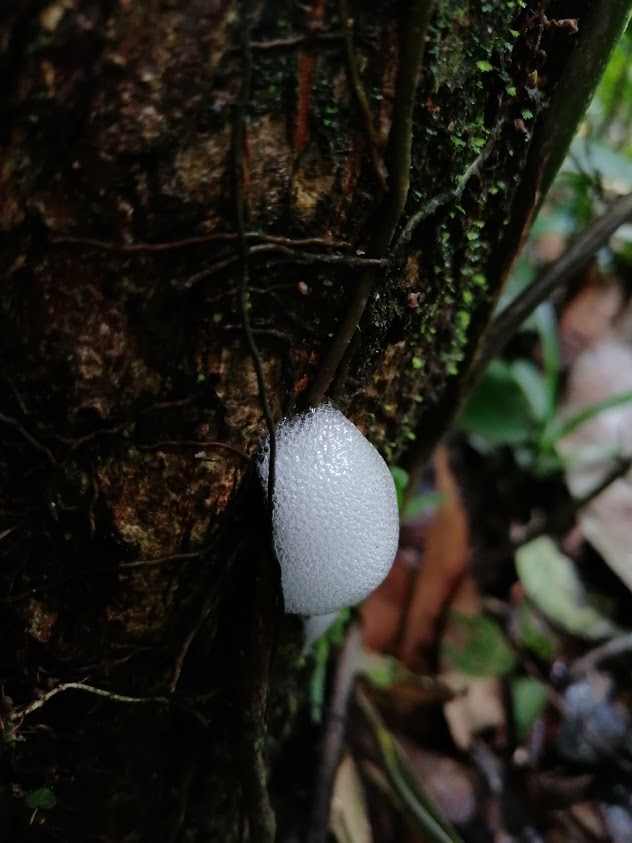
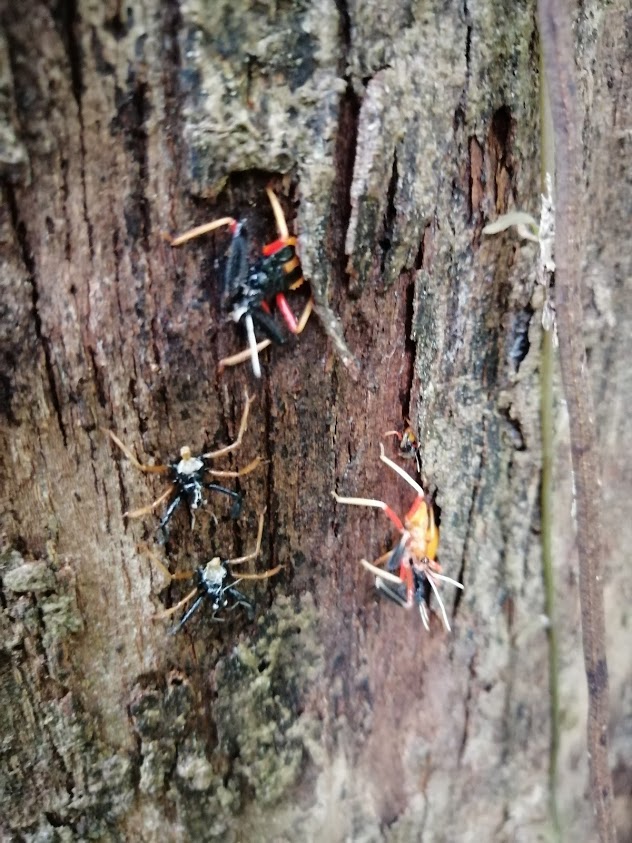
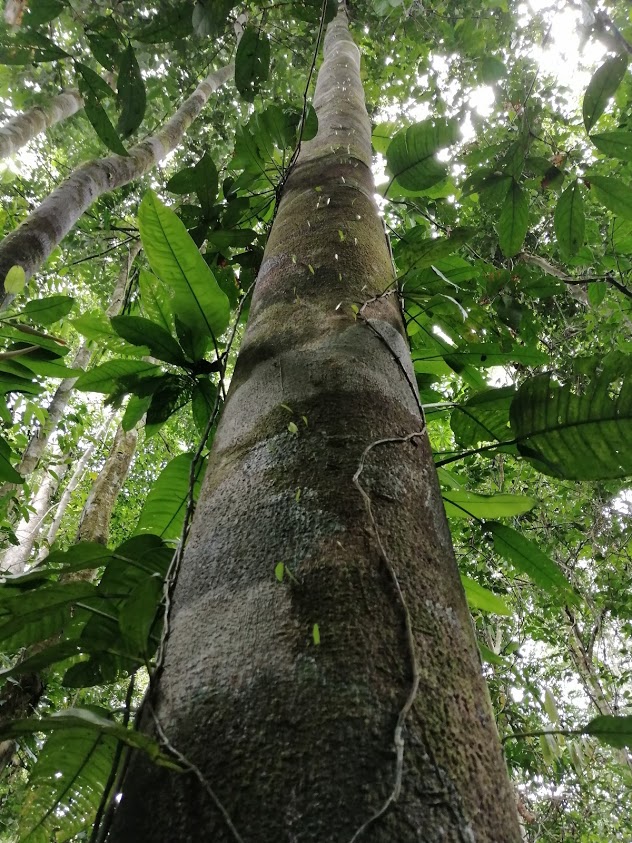
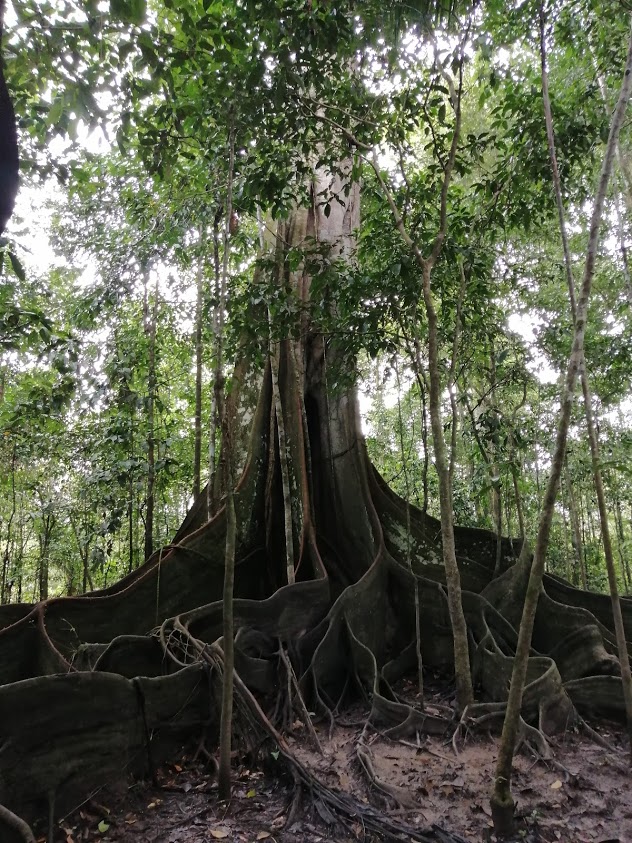
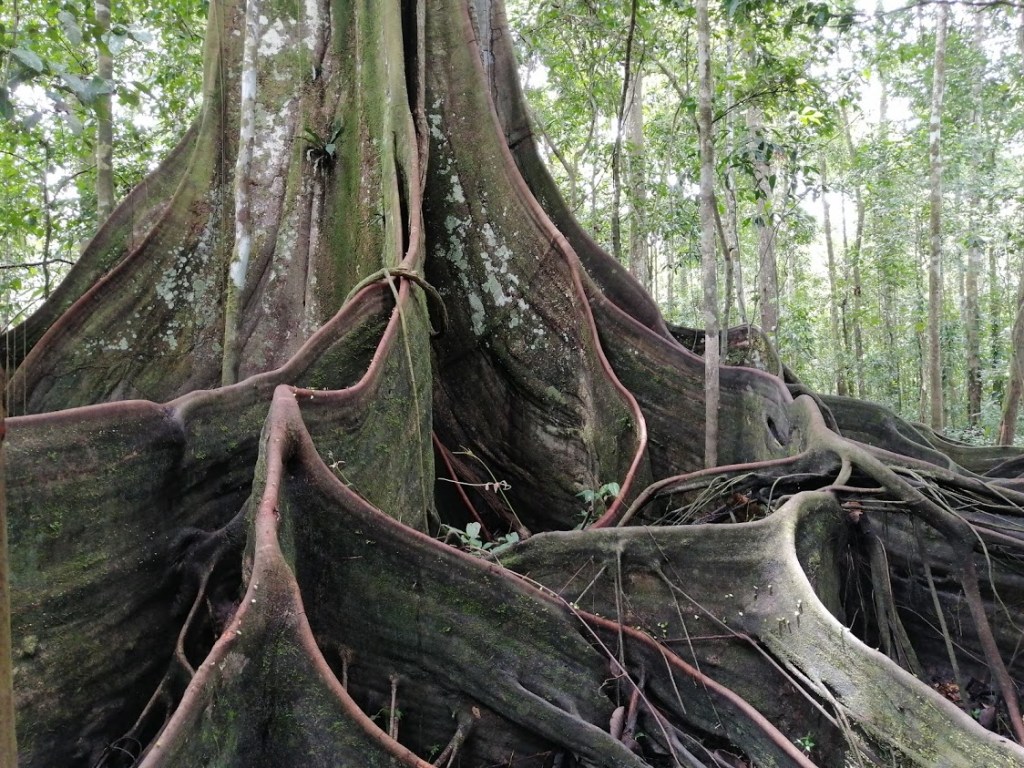
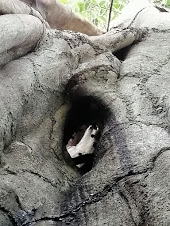
Some bats that live in the tree 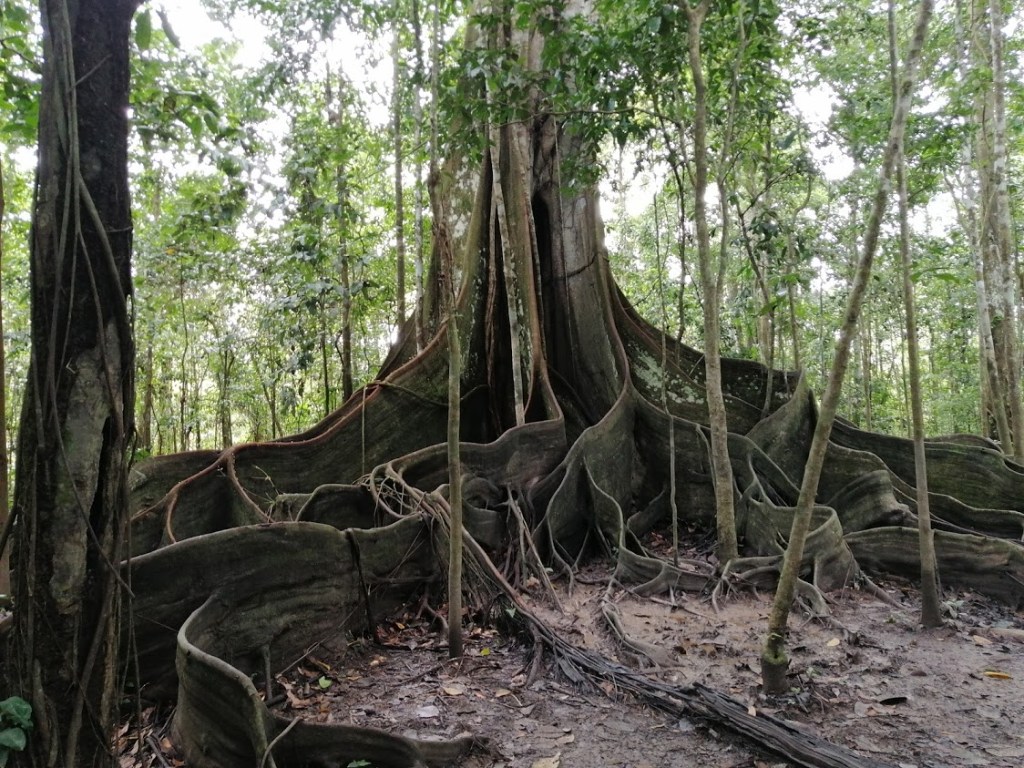
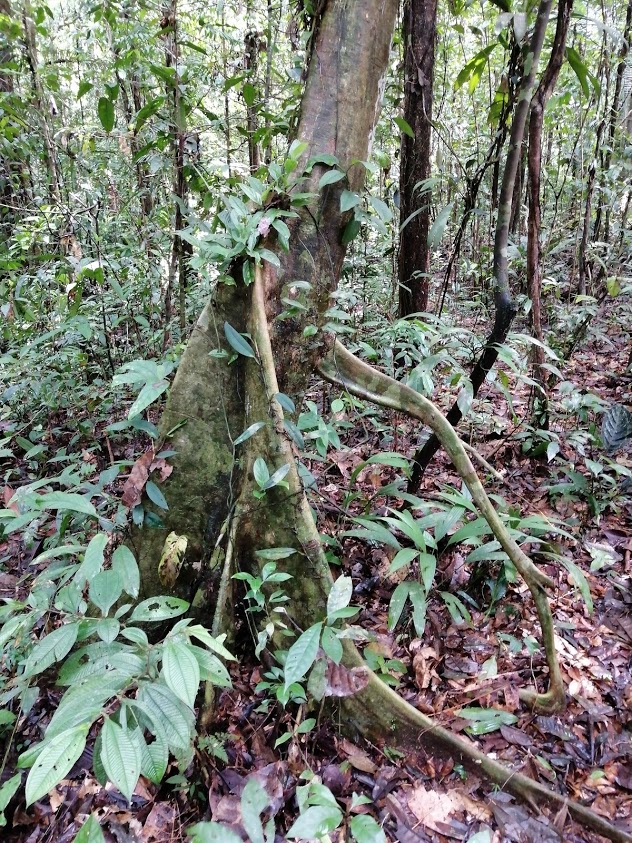
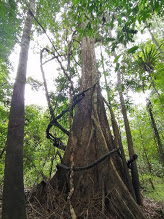
We visited an enmormous tree and were told a lot about the “spirits” inside of it, and that not everyone makes the journey to it because of the forces of the tree…
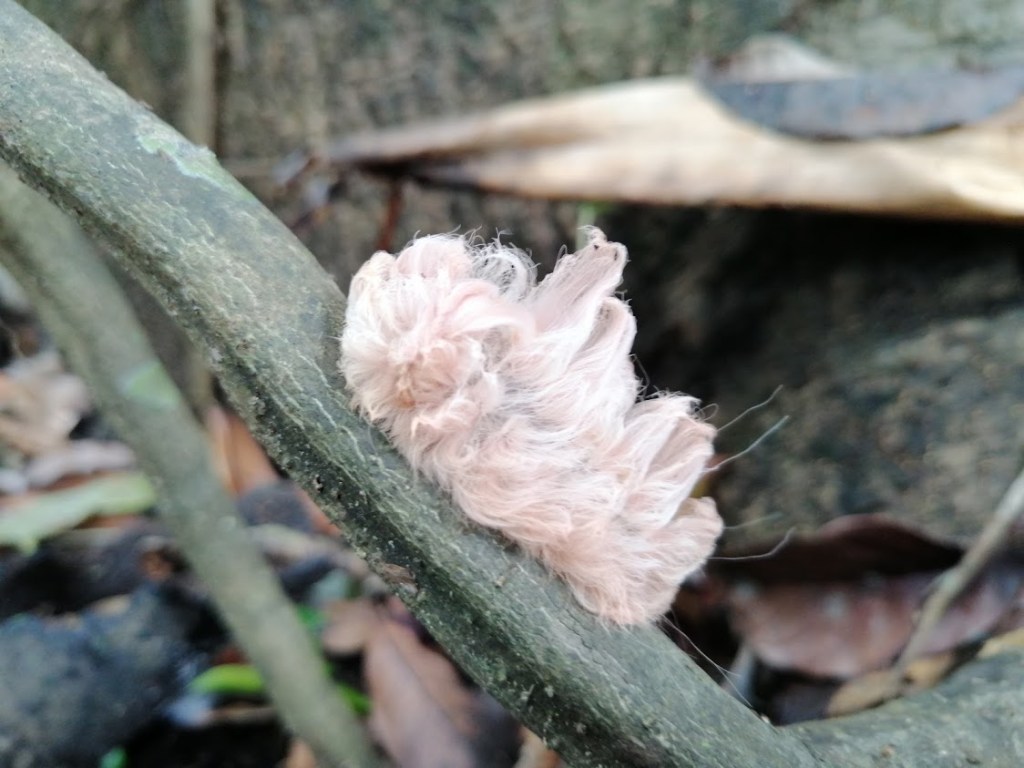
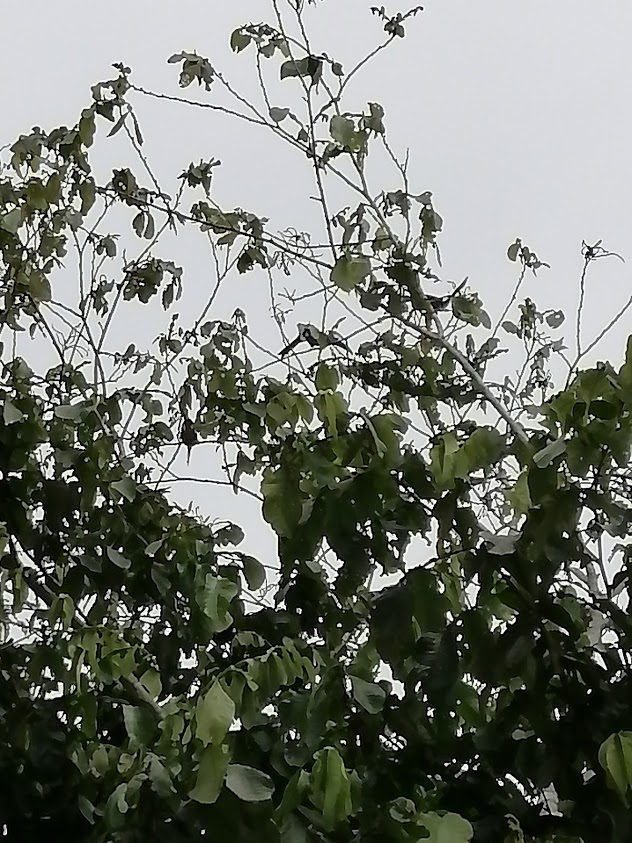
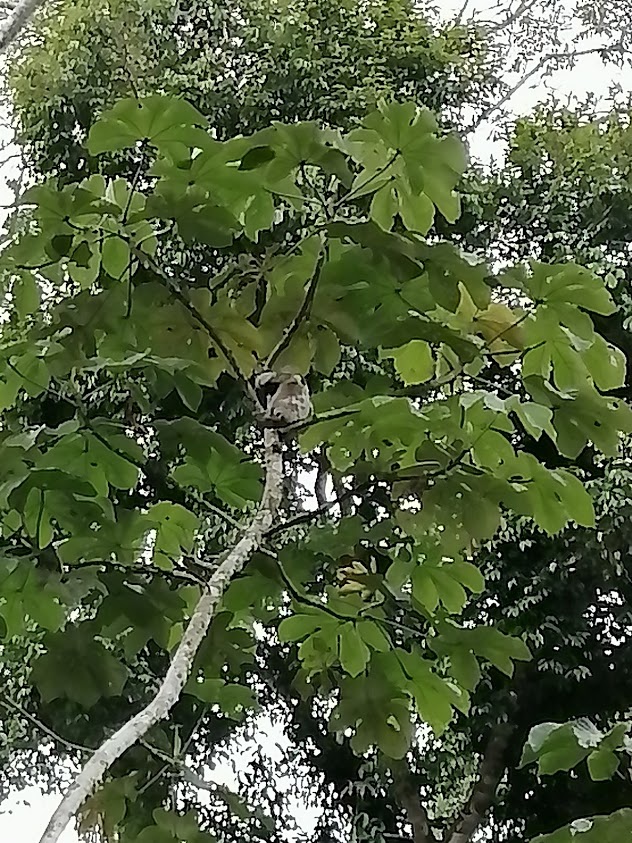
After returning to Altamira, we saw a group of 10-15 Toucans, which i think were black-mandibled toucan’s (from looking at the photos here: https://en.wikipedia.org/wiki/List_of_toucans ). On the way to the boat, there was a sloth in a tree (again, bad photos)
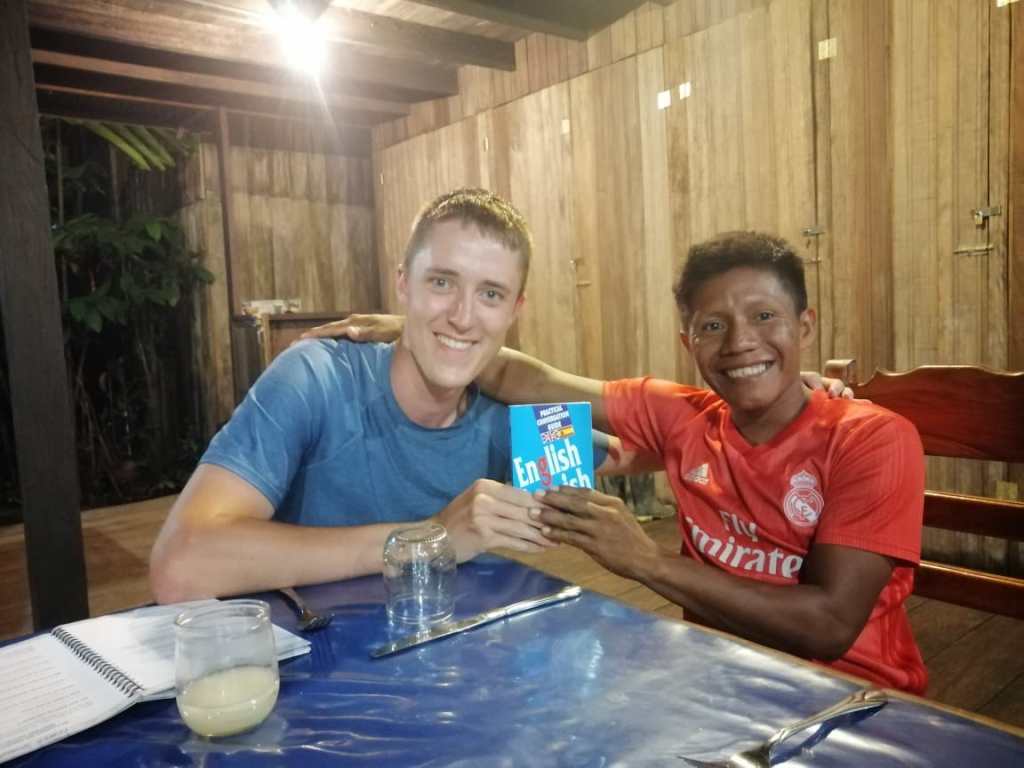
In the evening i was learning a little bit of spanish, from the book grandad gave me and from another i got from a lesson in Medellin. James, who had been my guide for a couple of activities, and speaks a little bit of english, noticed the books and thought they seemed great. I ended up giving them to him to help him learn english. I want to return to the Amazon at some point in my life when the river is at its highest, if i do, i agreed with James i would return to san martin speaking fluent spanish, and he will speak fluent english back!
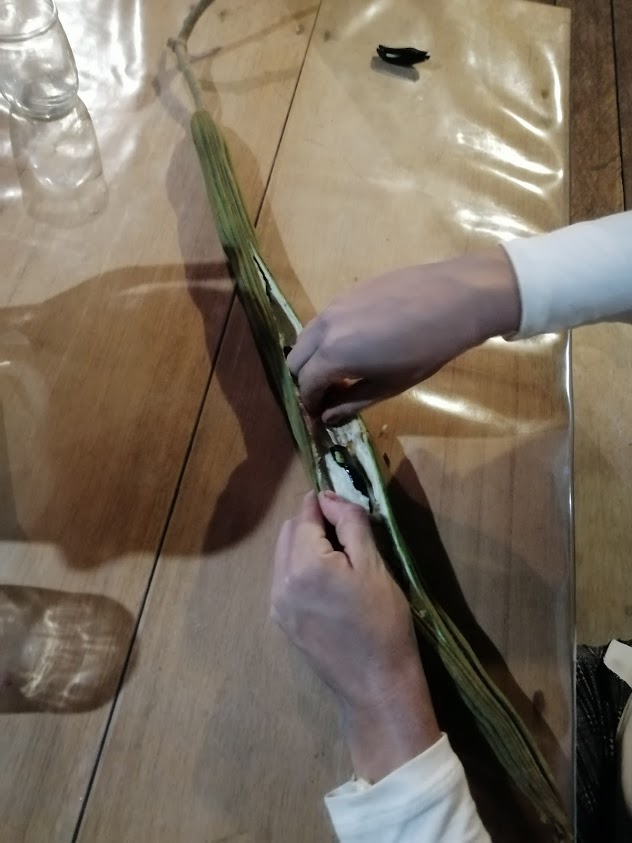
On my final day, i visited Mocagua and the Maikuchiga monkey rehabilitation center.
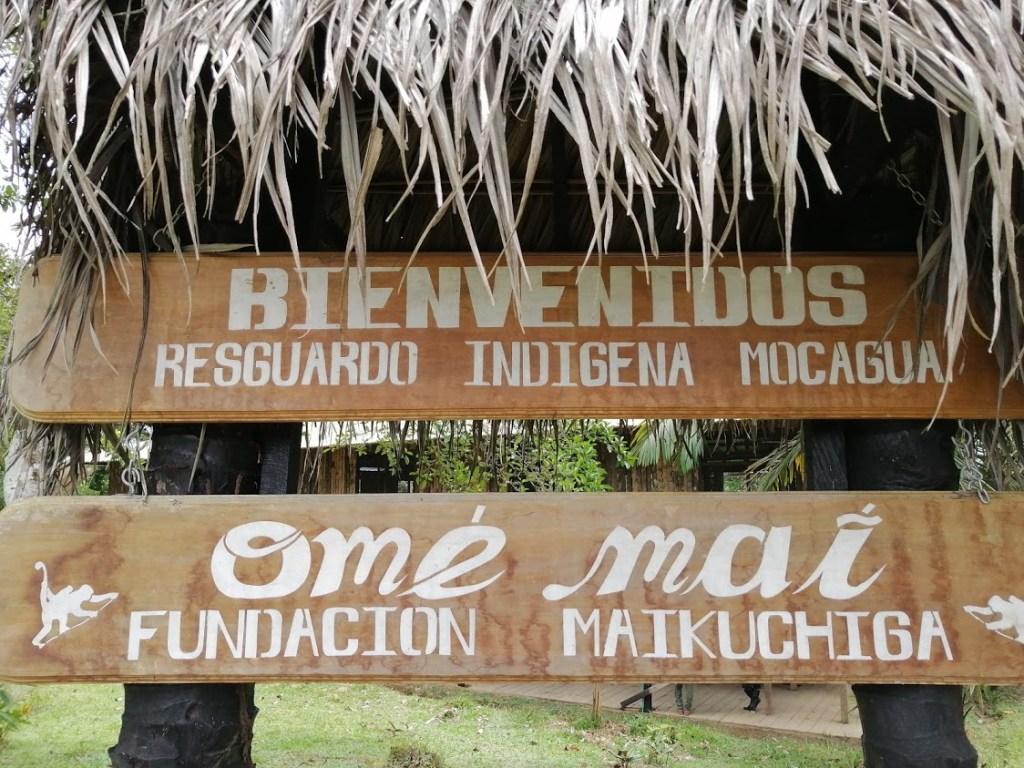
This area floods in the rainy season. We were told its incredibly important for the whole ecosystem. The soil fertilises, the small fish have a few months rest where they can hide in the cover of the forest from bigger fish. Insects go from the ground into the trees, monkeys eat the insects and some can even fish.
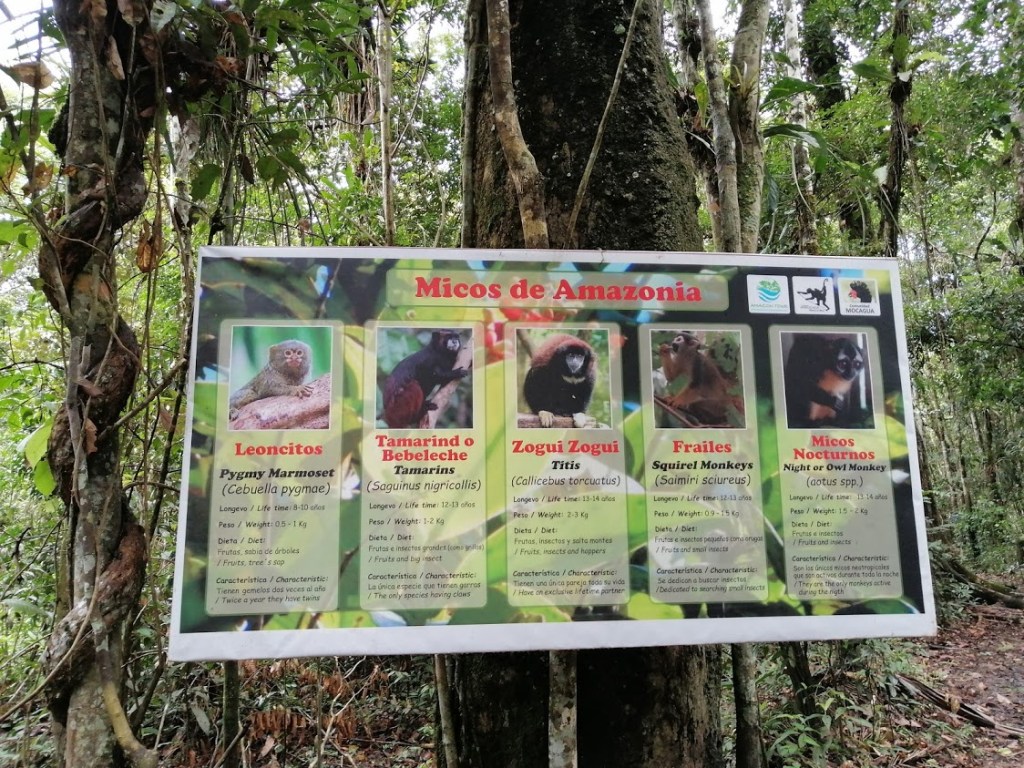
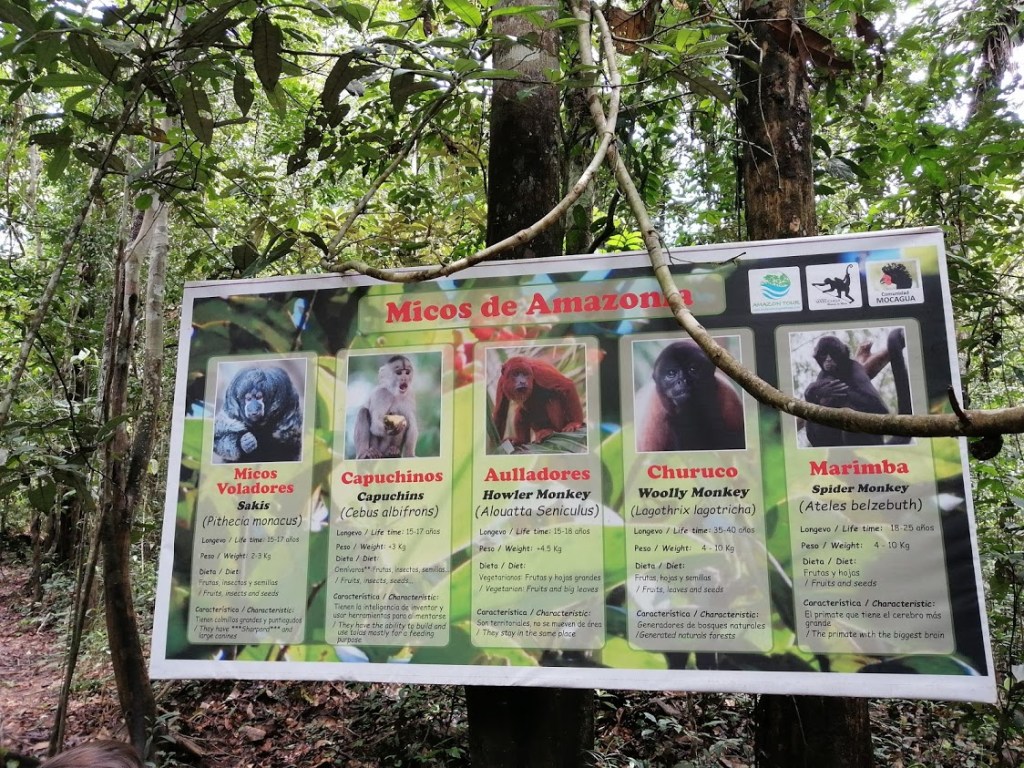
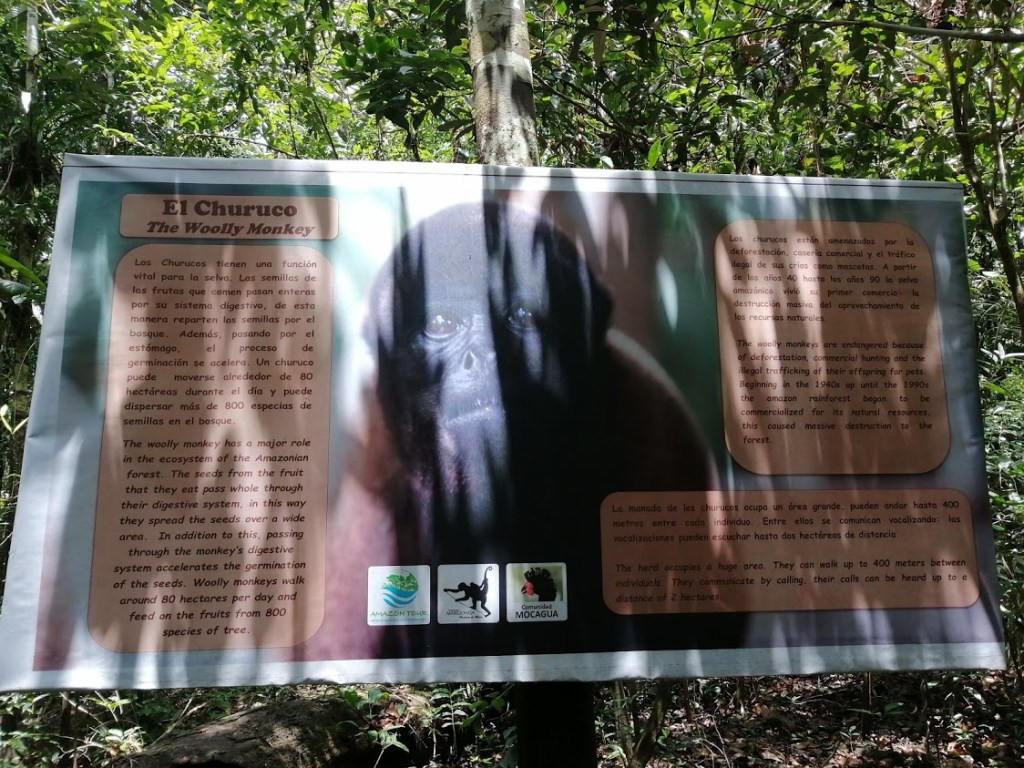
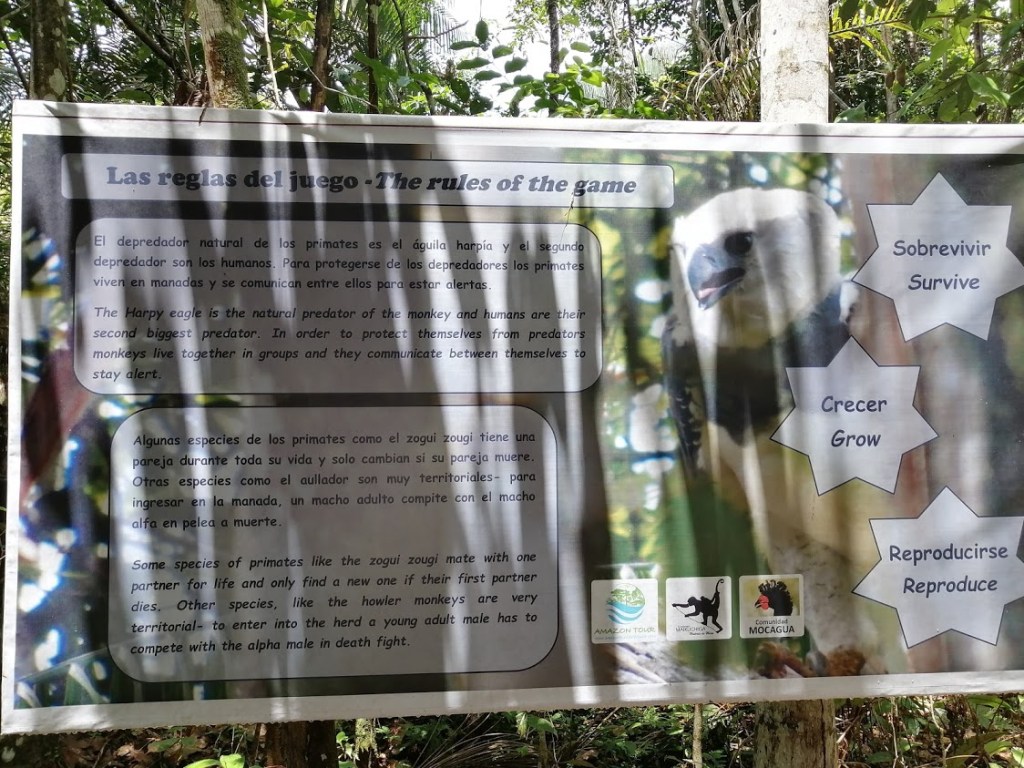
We were told that red howler monkeys can be ill with Malaria but they know how to treat themselves. It is a specific tree bark that they crush up and drink in water – although a quick google search does not show any results that support this.
Here are the notes that i took from the visit, copy and pasting them rather than rewriting it all in a different way (once again im about a month behind on writing this up and trying to catch up…):
Sarah Bennett from America came here in 2006 saw they were hunting them for food and to sell. Educated them. They come here if they have been pets or are injured. They had a squirrel monkey that lost its leg to an Eagle. A woolly monkey that was in a cage ready to be eaten, it’s mum and sister had already been eaten. Capuchins that had their mother killed and kept as pets. Its for protection and a status symbol. When theyre ready to be released they take them 4 or 5 hours away to release and they watch them for a week to see if they have problems. The Capuchins have been released twice and managed to return. The injured squirrel monkey was taken back by its group. Now the group comes back sometimes to visit. The one that was here comes to the people for food, the others sit in the tree and protect. When they arrive they are in quarantine. There is inside enclosures open for them if they want to go inside, but are always able to just roam freely in the forest. A couple of times the lock hasnt been on the house and they creep in, knowing they have to be quiet. The capuchins are very intelligent and curious, and think everything has something inside so they try to smash everything. Some of them go into the forest at night and some go in their inside areas. But when the people make a call the monkeys all come. They eat insects and fruit from the forest. They are given oats and honey here but they mainly stay because they had a bad life and want a family. They have freed 800 monkeys here. The monkey populations are growing, from stopping hunters. It’s complicated to rescue them from pets or kept for food because they are in indigenous tribes with their own laws. The people at the foundation can’t go and save them, they have to know indegenous people who help and go via them. They can’t have red howlers or spider monkeys here because they are other species of monkey and also women. When they release them back into the wild also depends on their type, for example one species has to fight to get into the troop, needs to be strong enough.
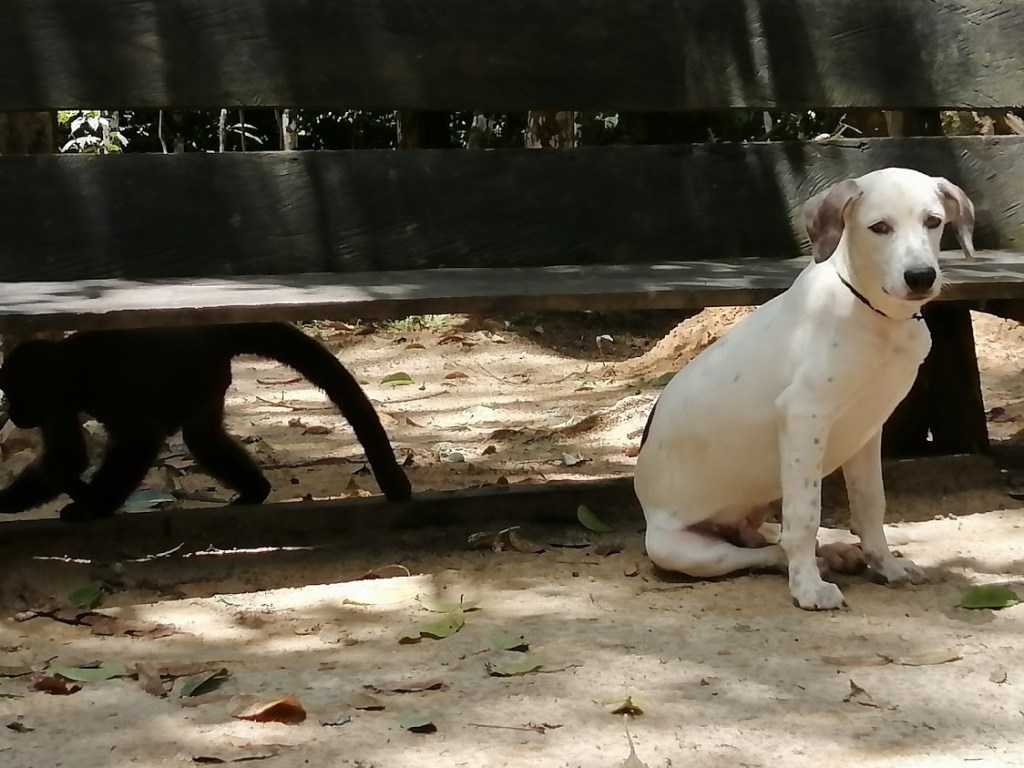
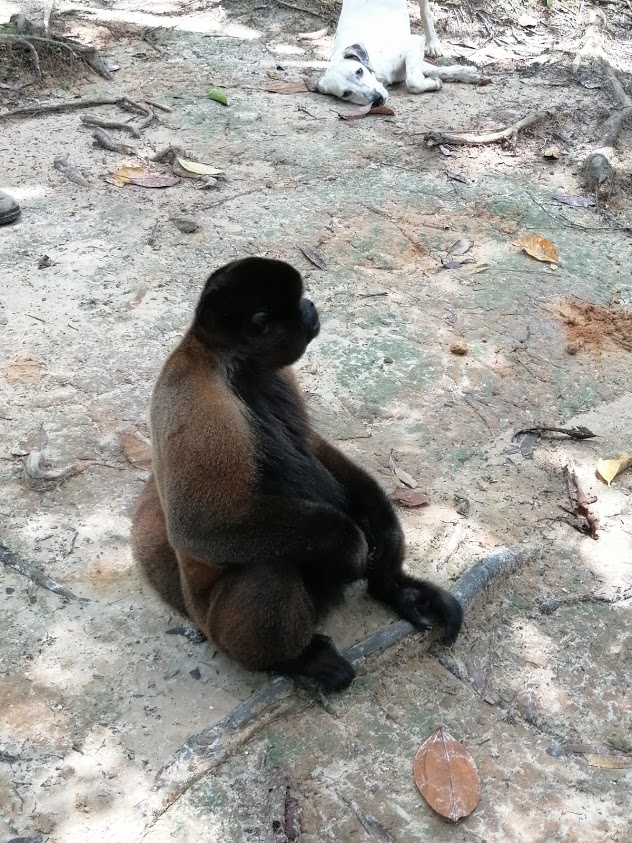
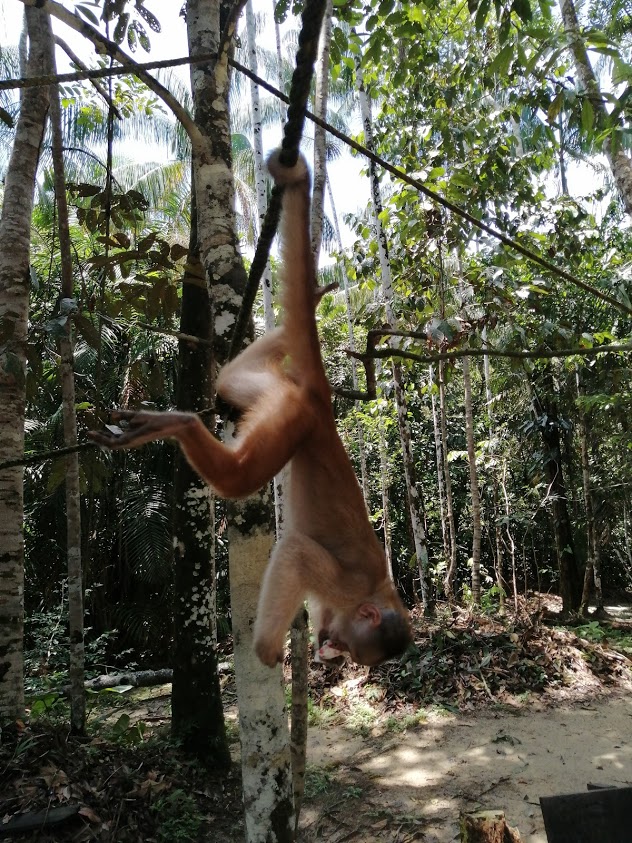
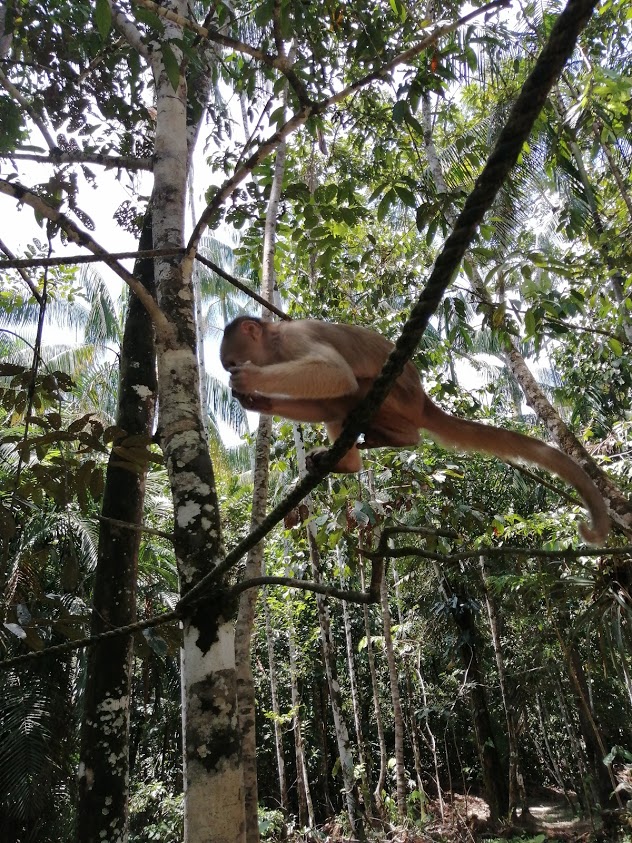
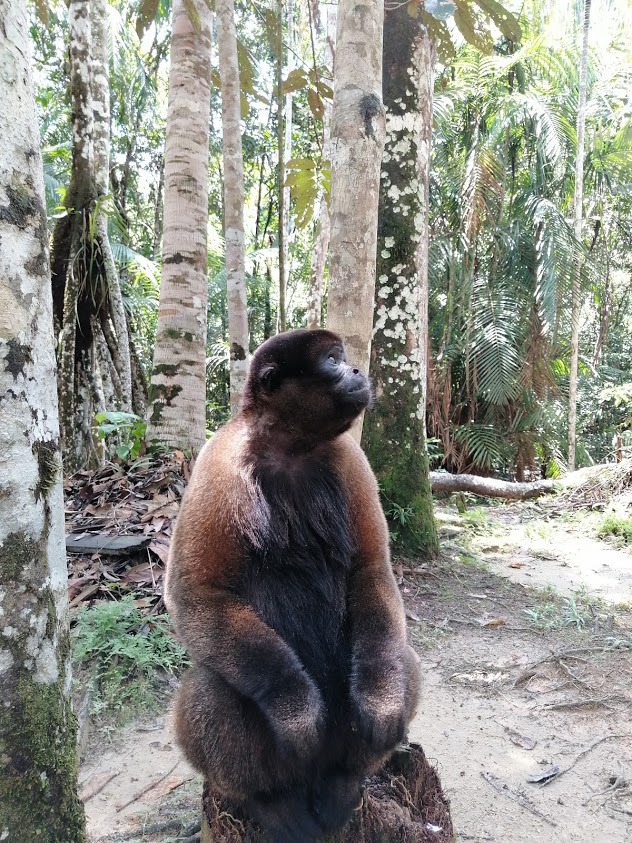
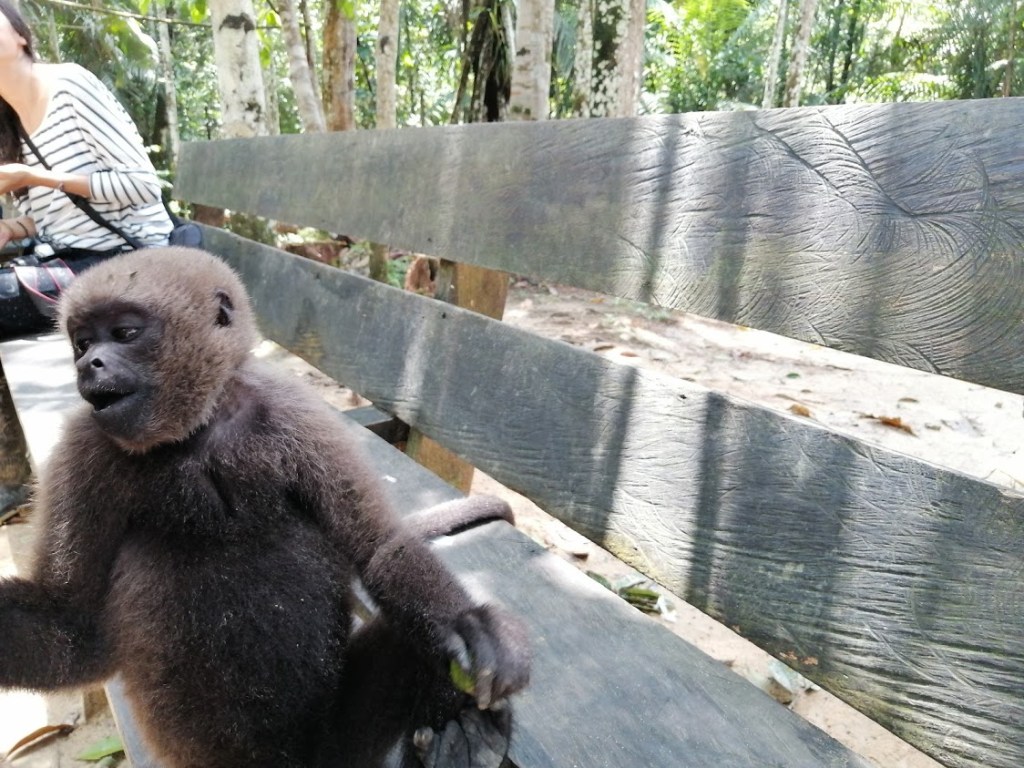
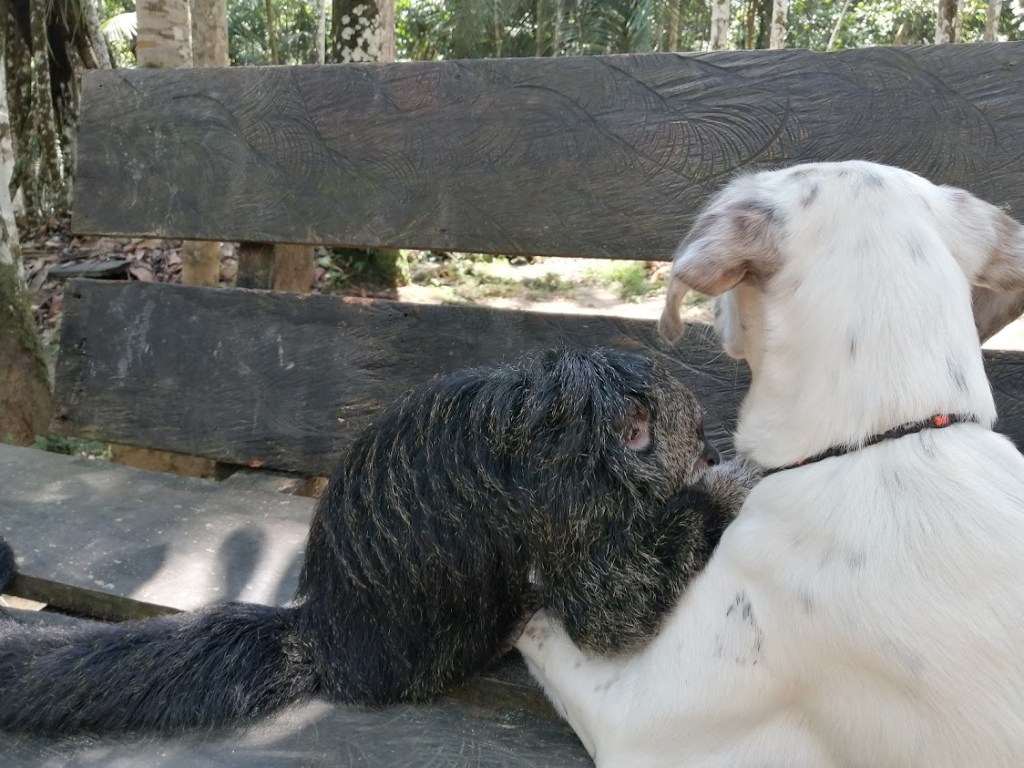
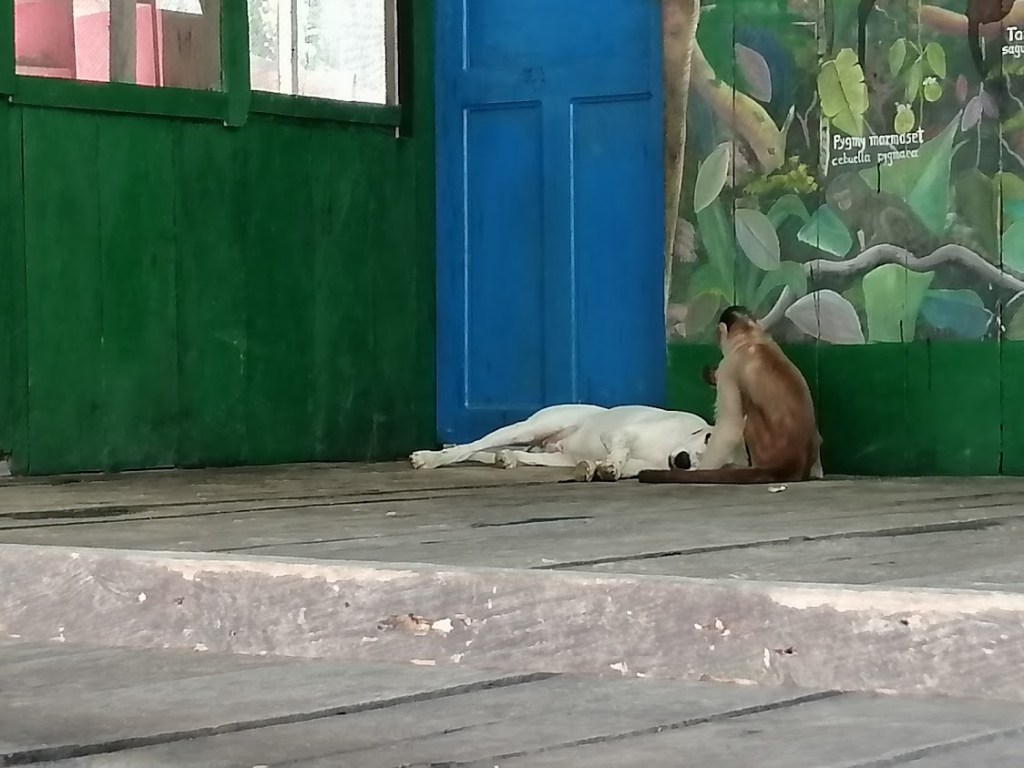
The dog was 6 months old and came here when he was two months. He only knows how to play with monkeys and not dogs. It was quite bizarre to watch him playing with the monkeys!
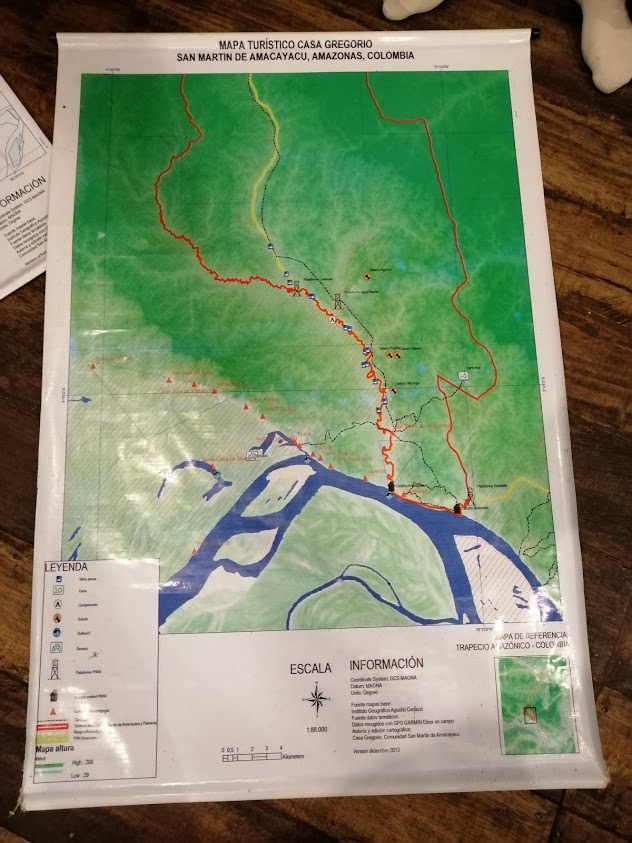
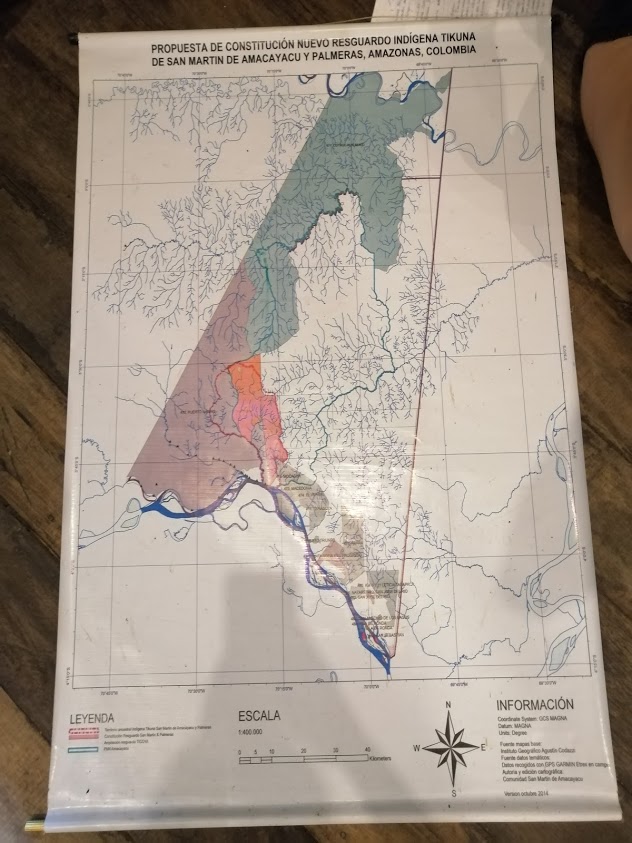
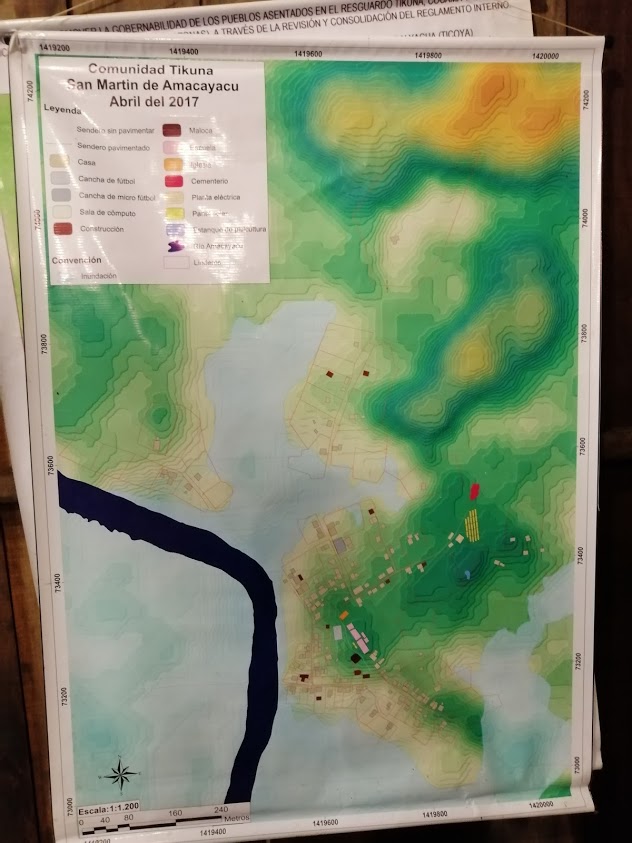
In the evening i learn’t more about the history of San Martin and the battle to reclaim their ancestral lands. I also learn’t about the exploitation of people in the amazon during the industrial revolution, for rubber. It is because of this exploitation that colombia claimed the small section at the bottom of the country so that they had access to the amazon, to transport the rubber. Part of the talk also informed us on the problems with drug production and trafficking in the Amazon.
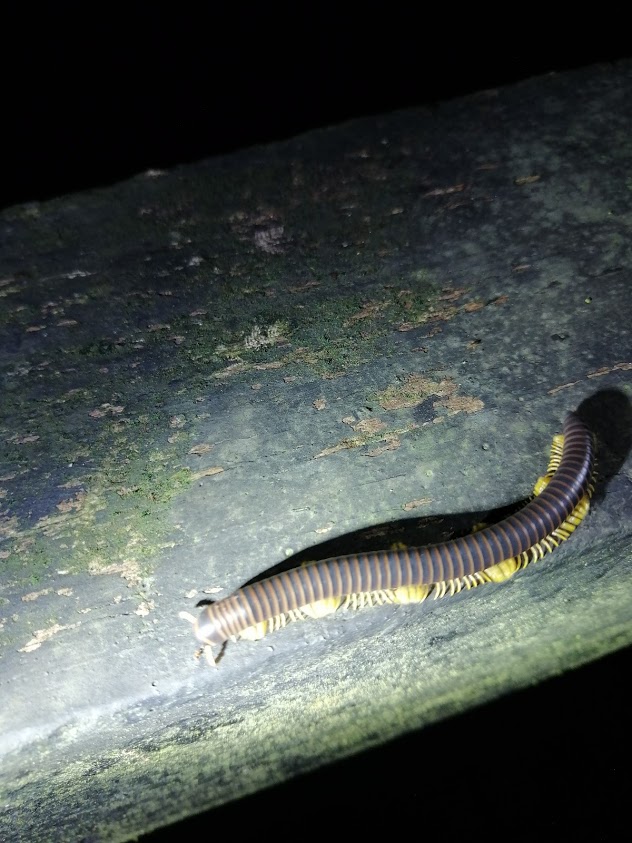
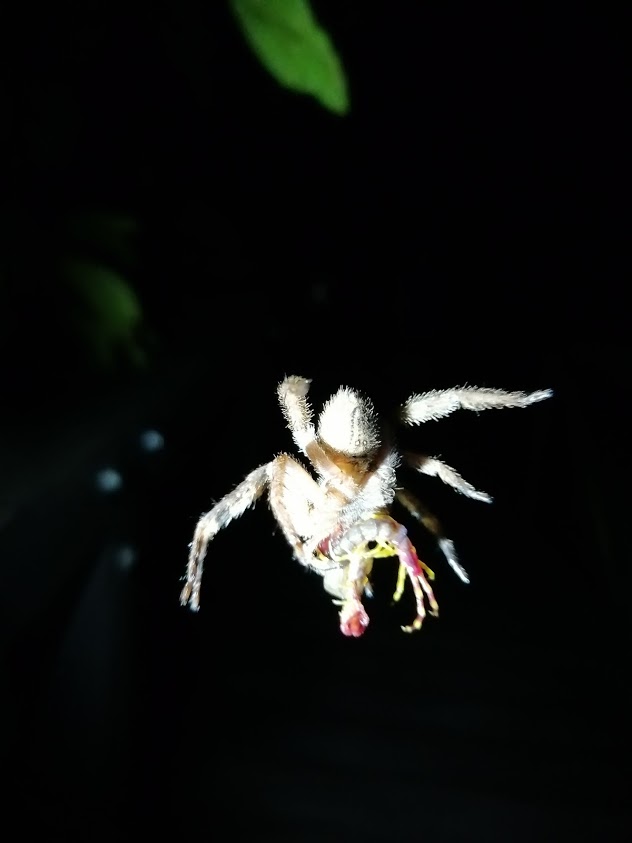
To finish my trip i went on another night walk. We walked for about an hour along a bridge that was built 2 years ago to connect some of the communities in the area. It is about 60km along and vastly decreases the time taken to travel between different areas, whilst also being safer. Many spiders, bugs and other insects etc like to go on the bridge!
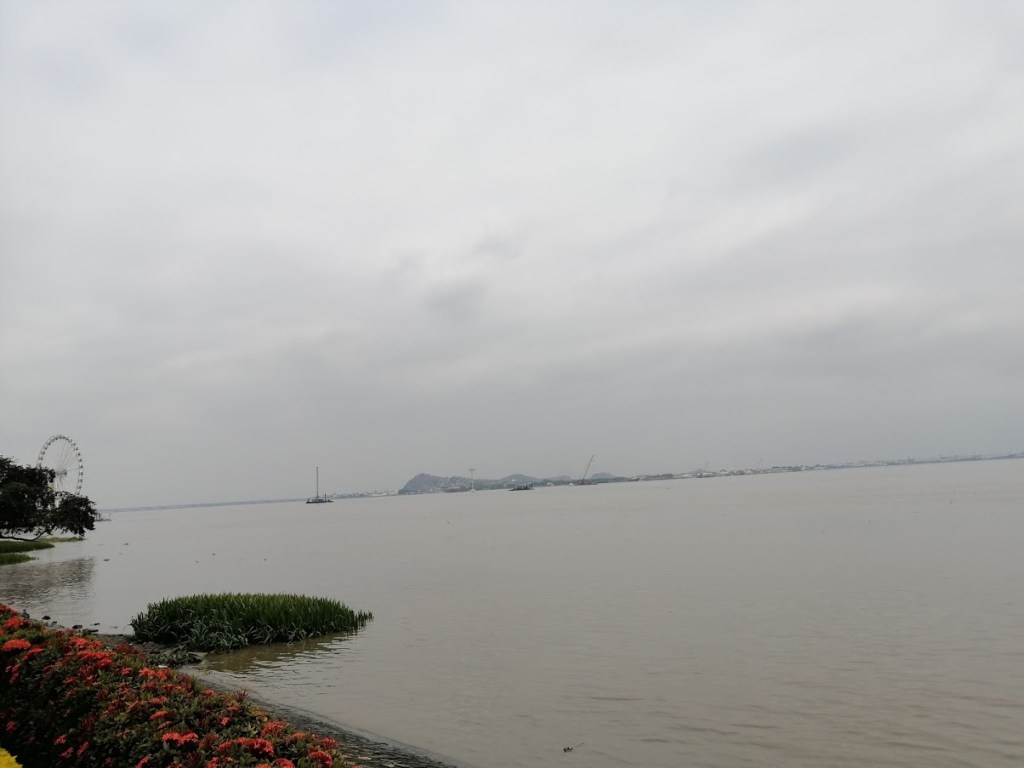
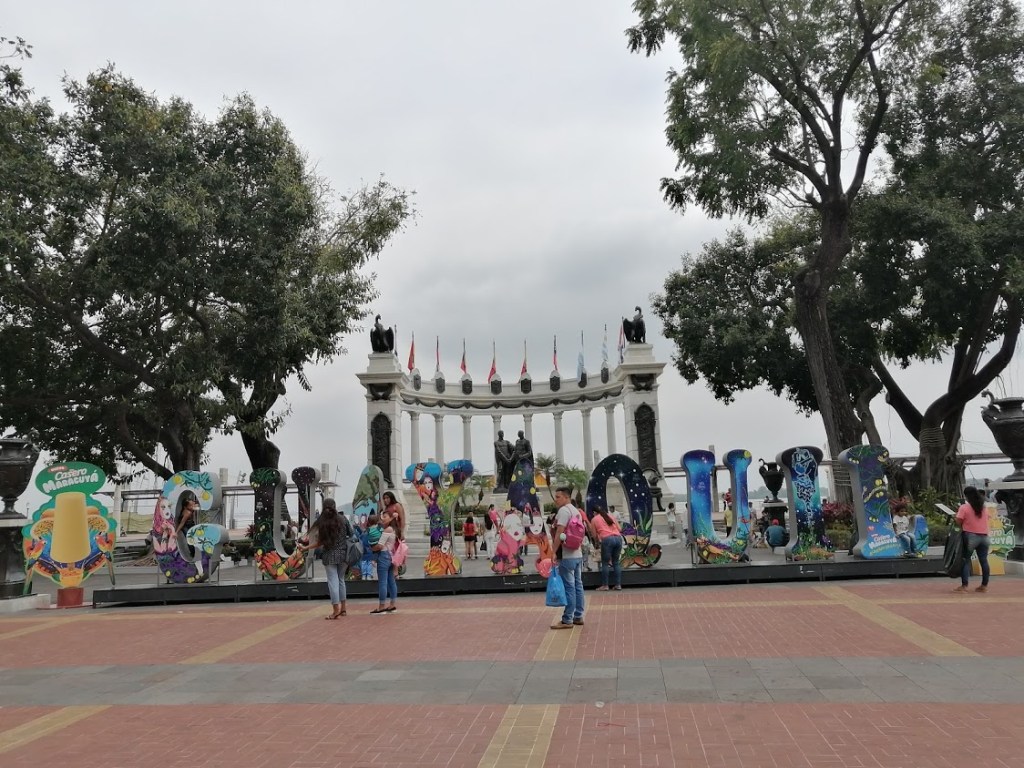
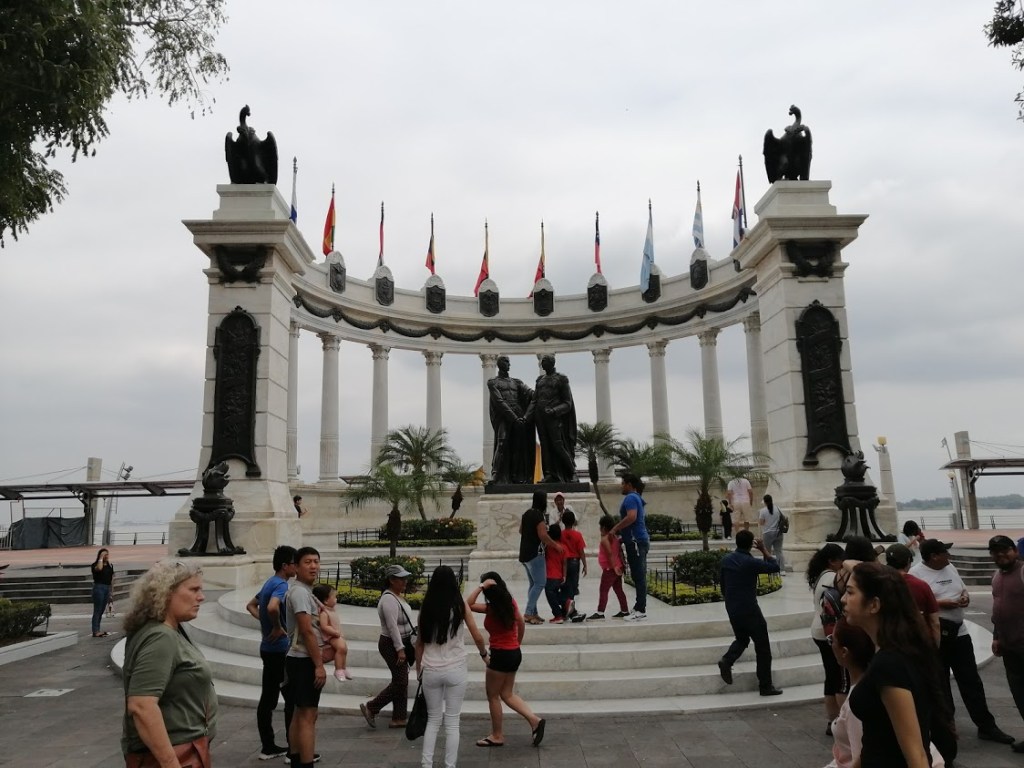
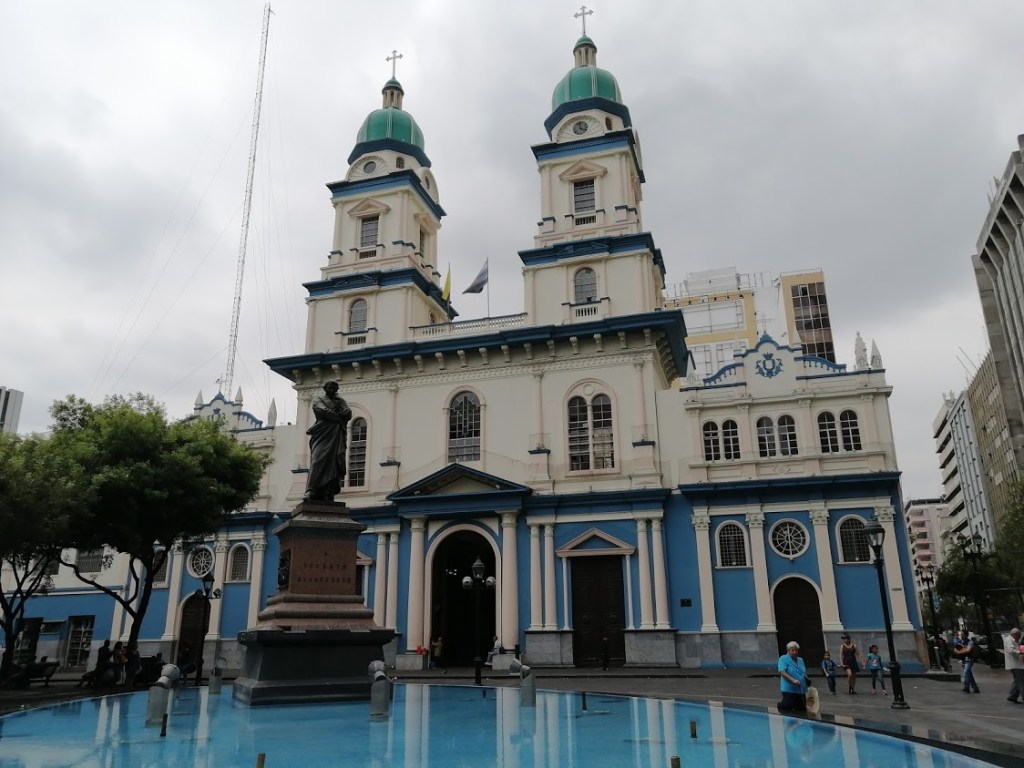
After returning to Bogota, i stayed another couple of days before flying to Guayaquil, Ecuador. I did a little sightseeing whilst i waited a few days for my flight to the Galapagos!
 rorystravellingblog