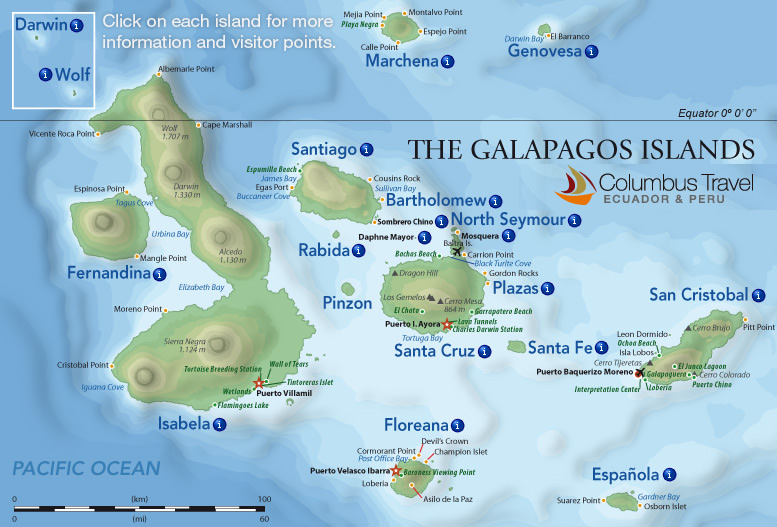
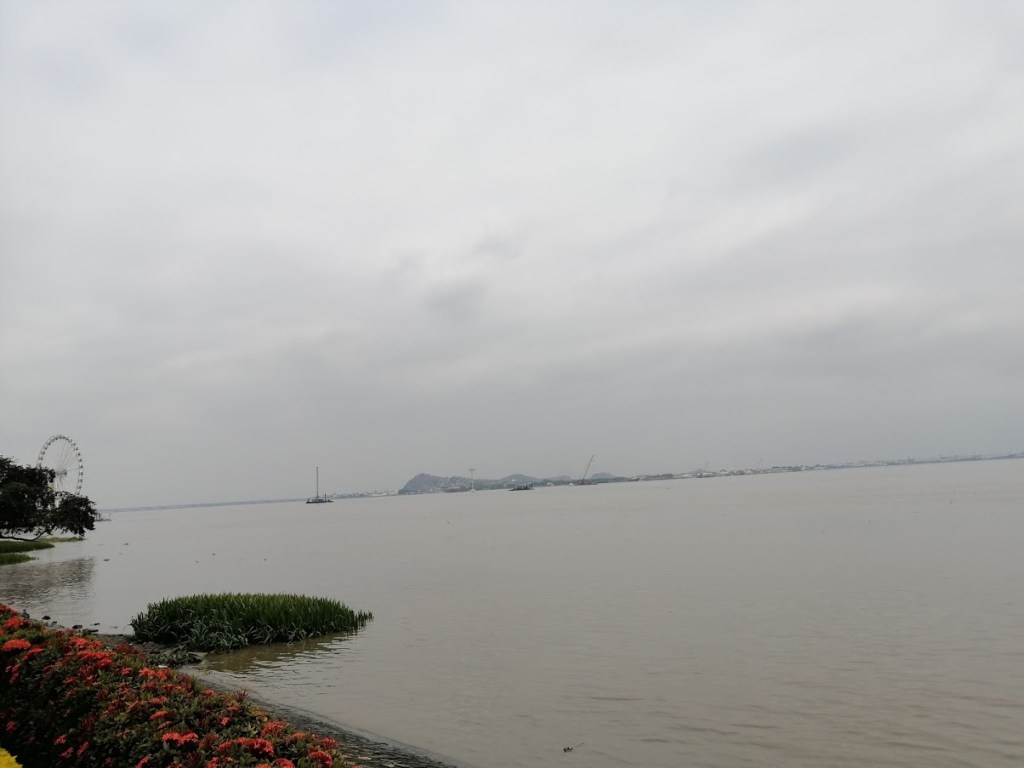
A 2 hour flight from Guayaquil, and i landed in San Cristobal.
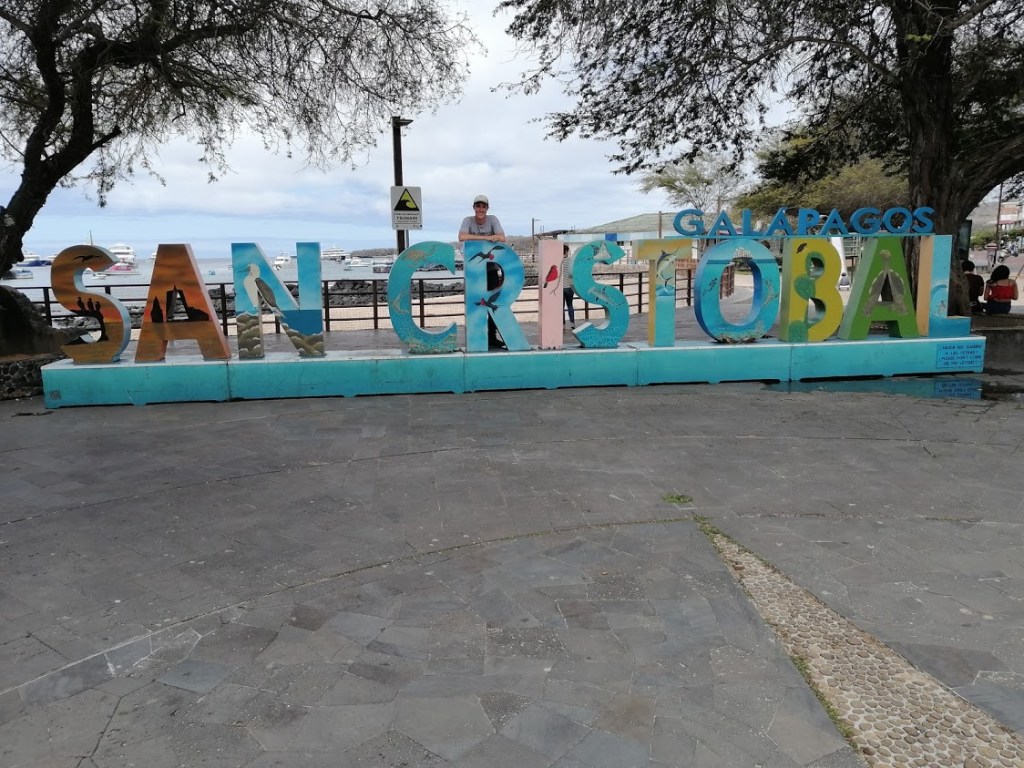
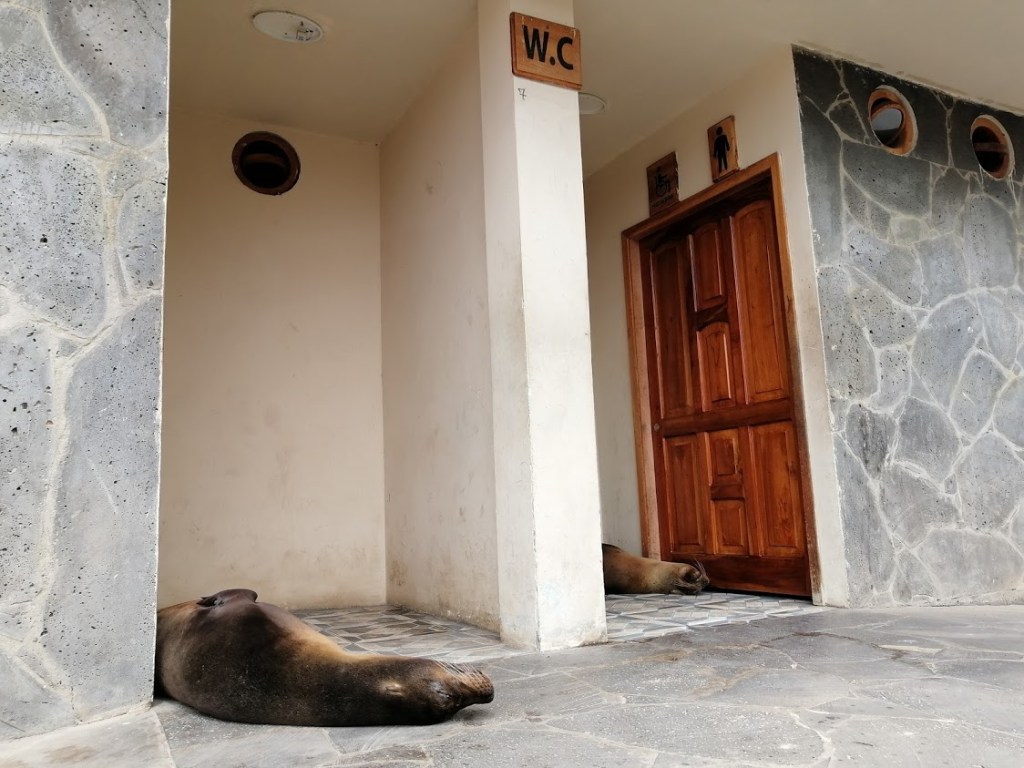
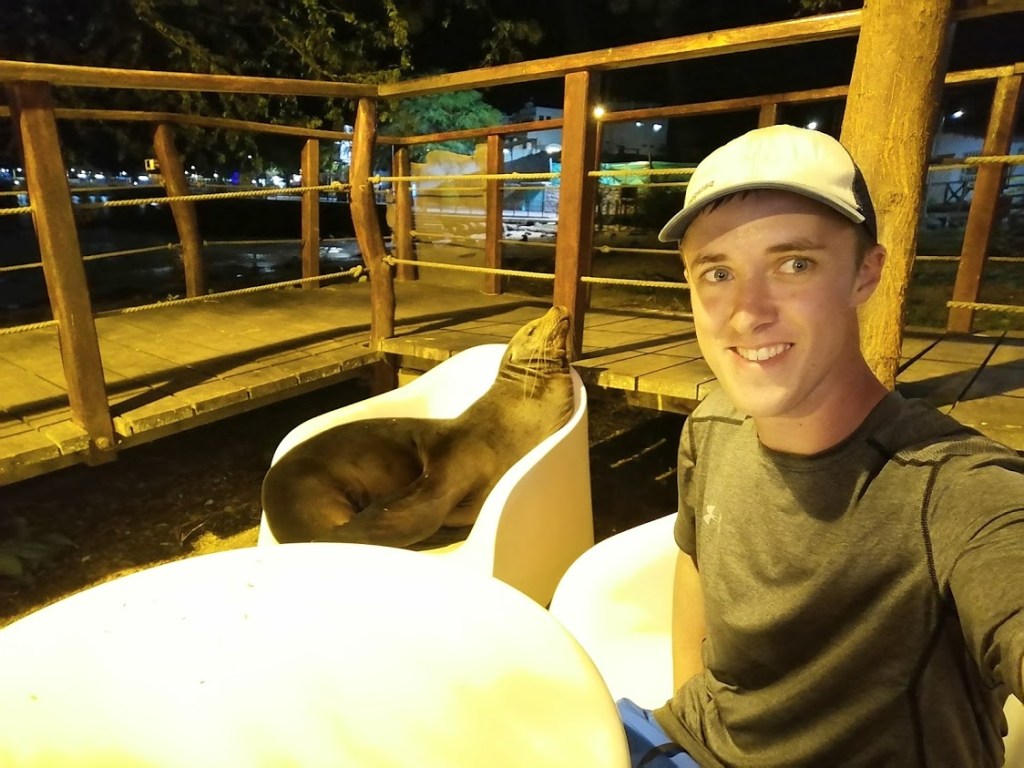
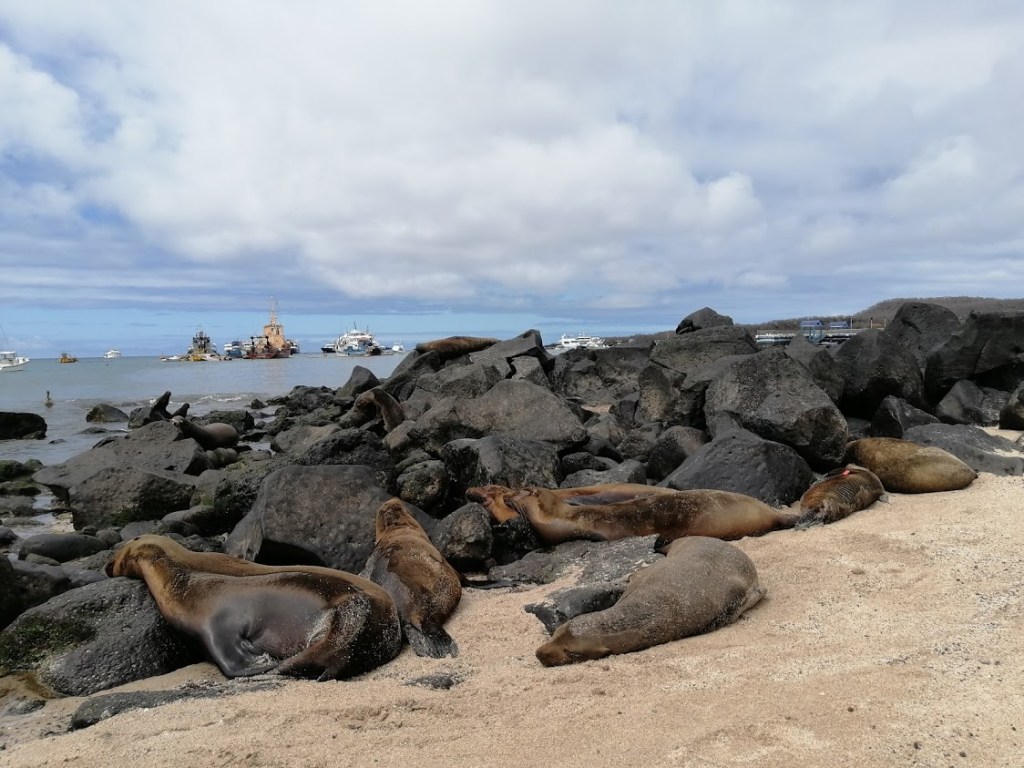
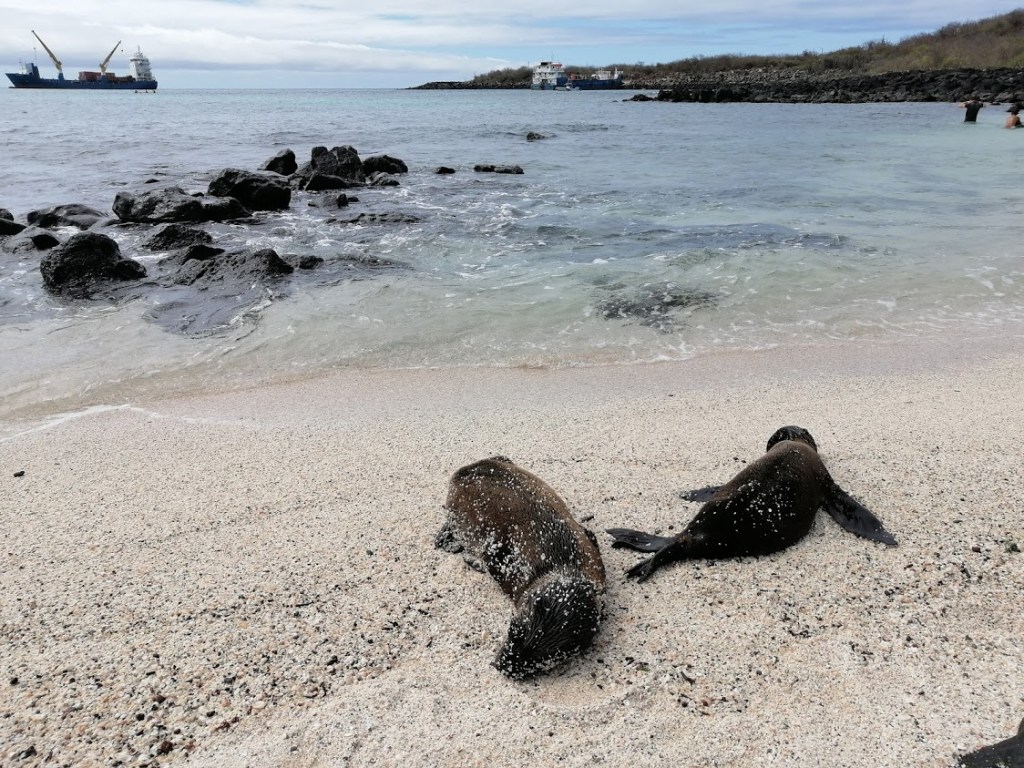
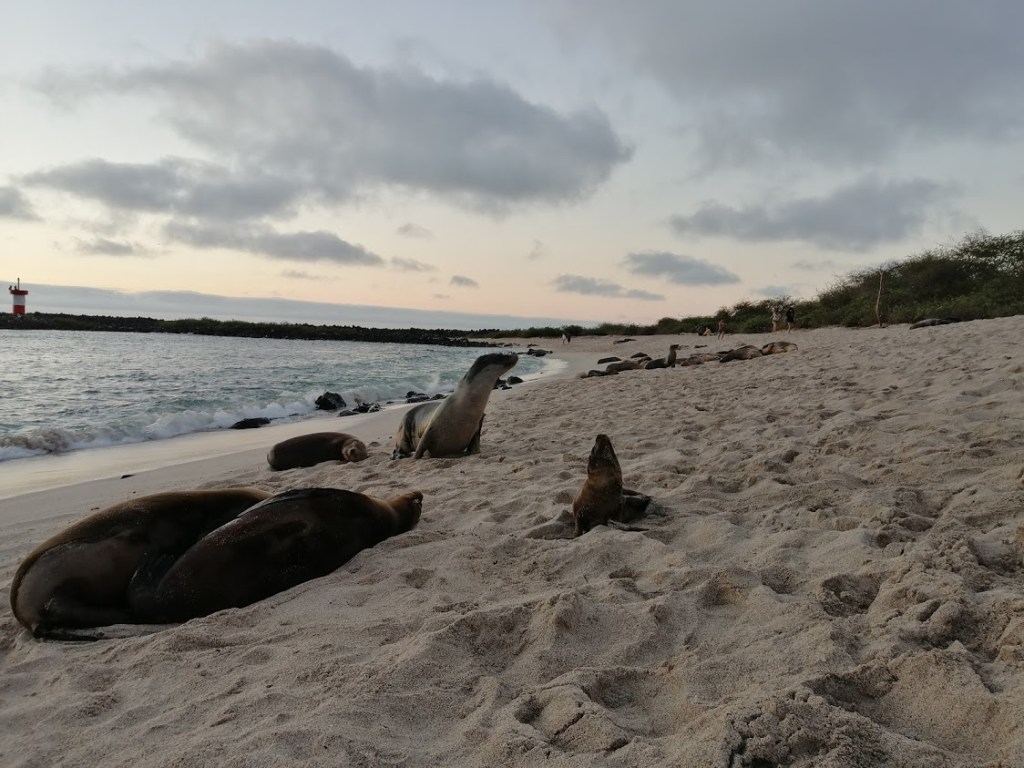
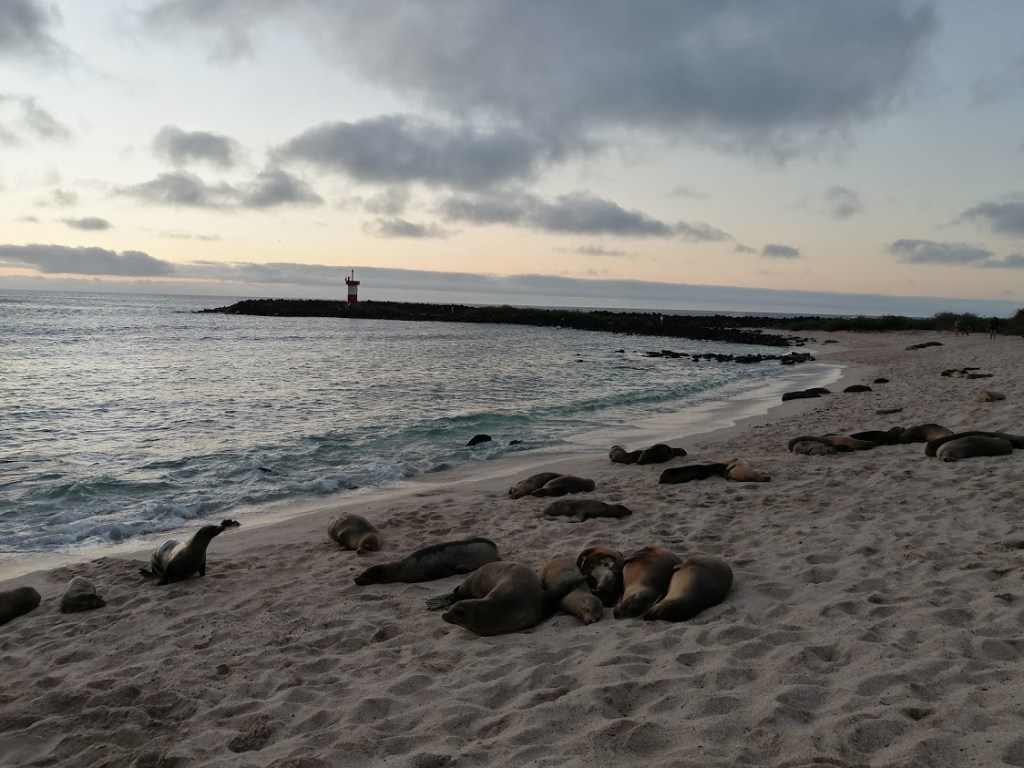
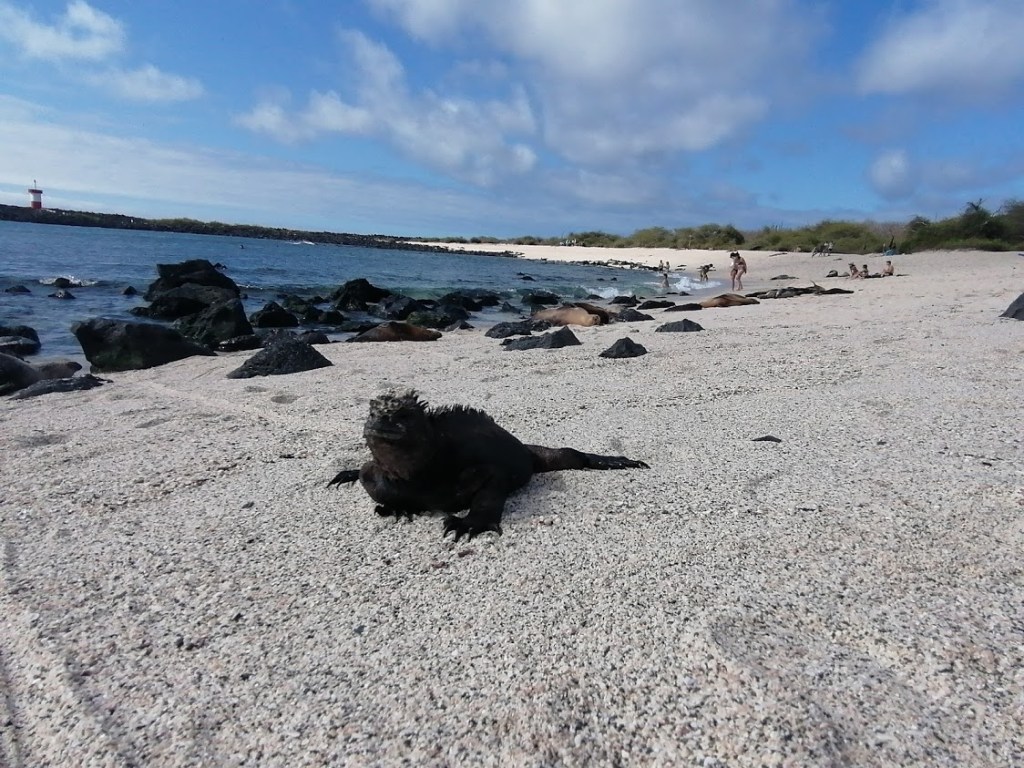
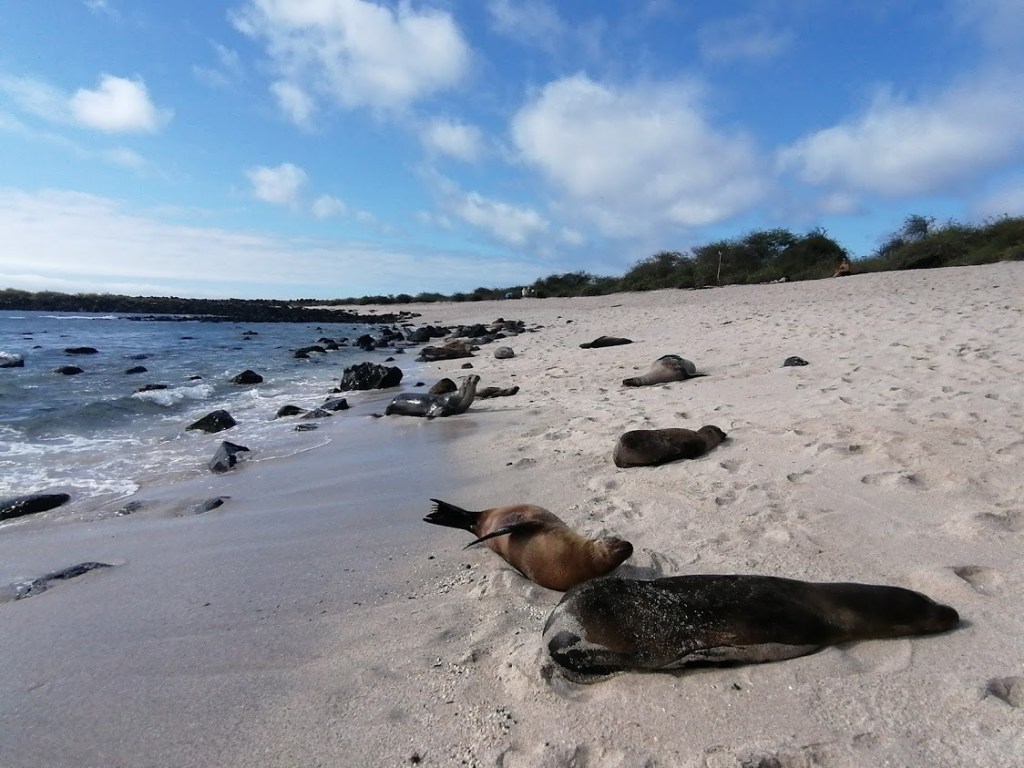
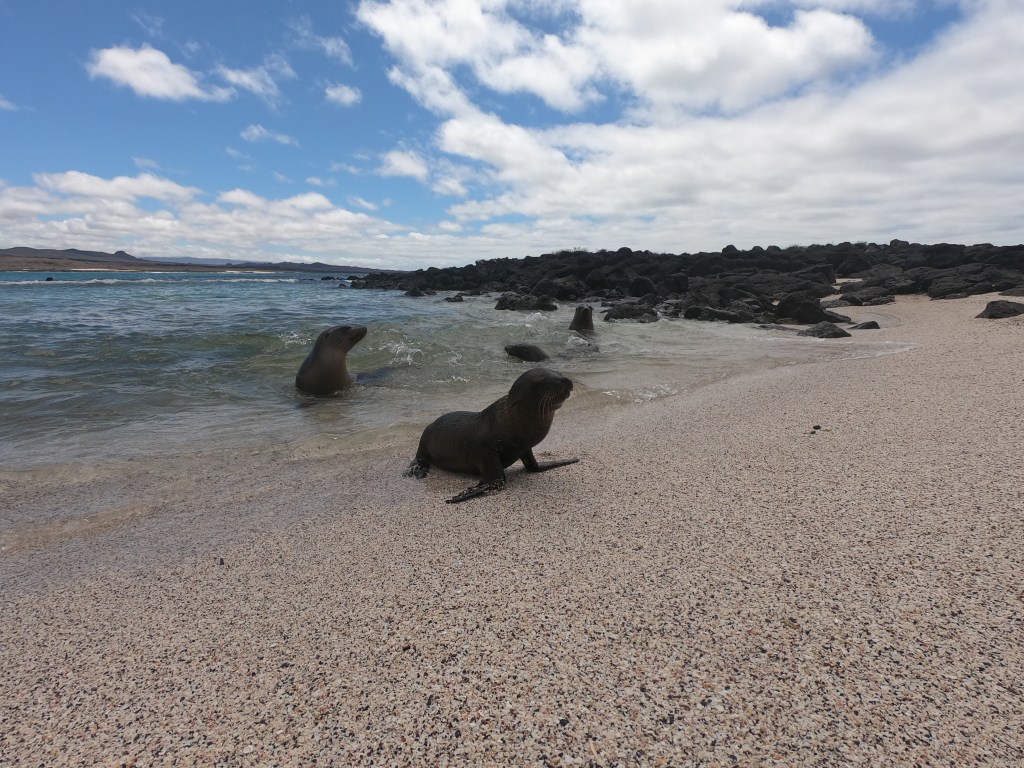
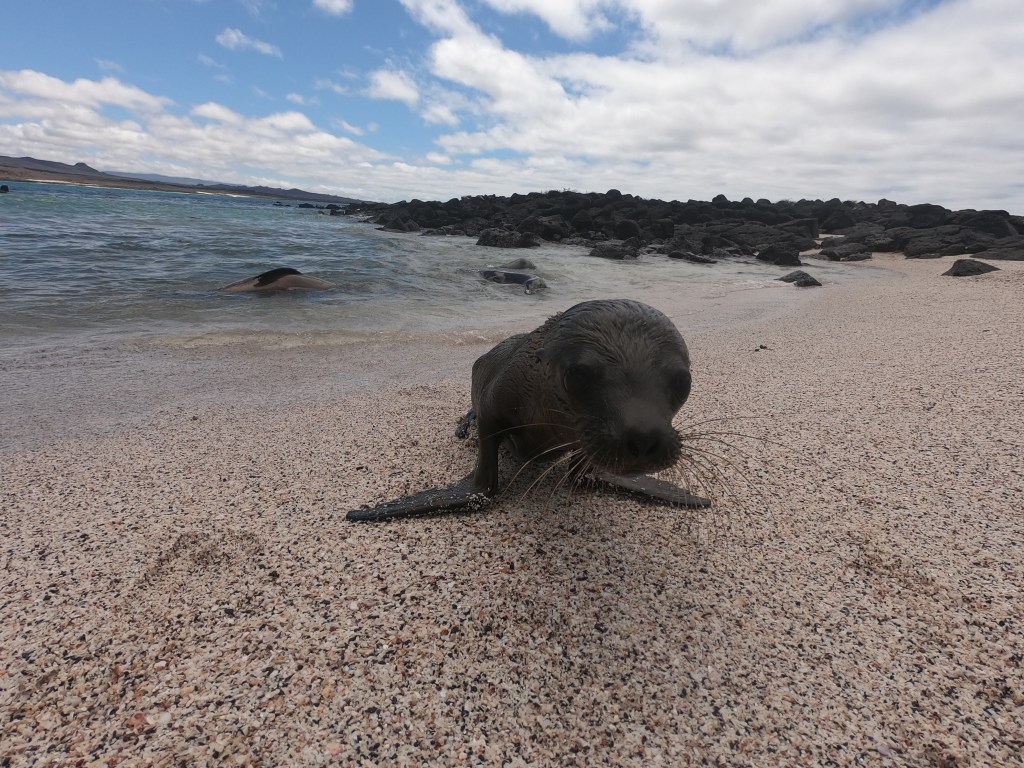
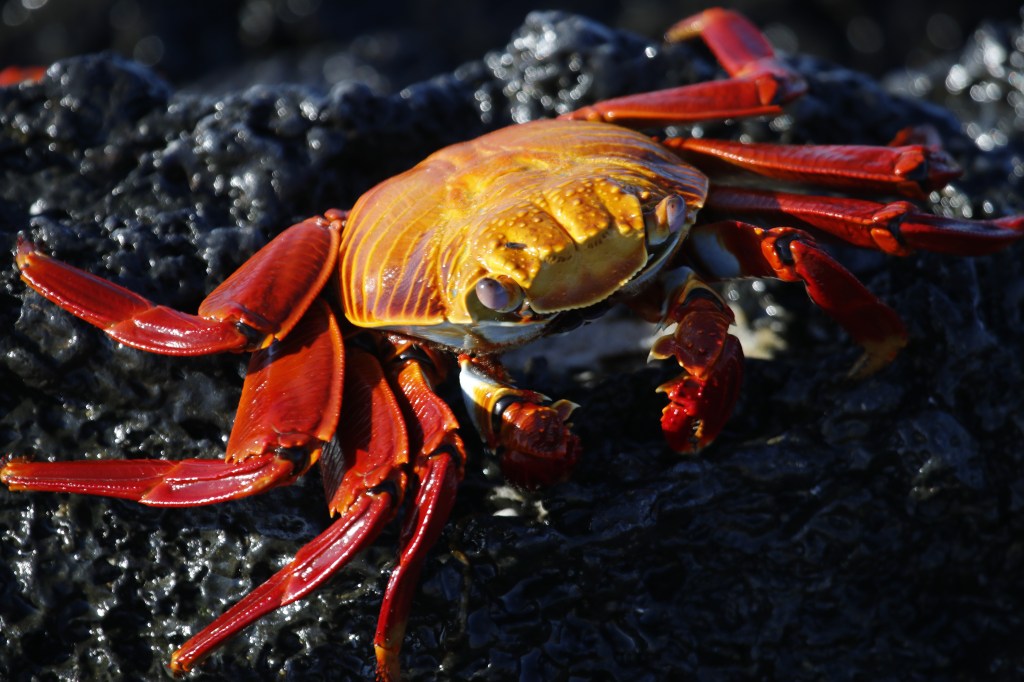
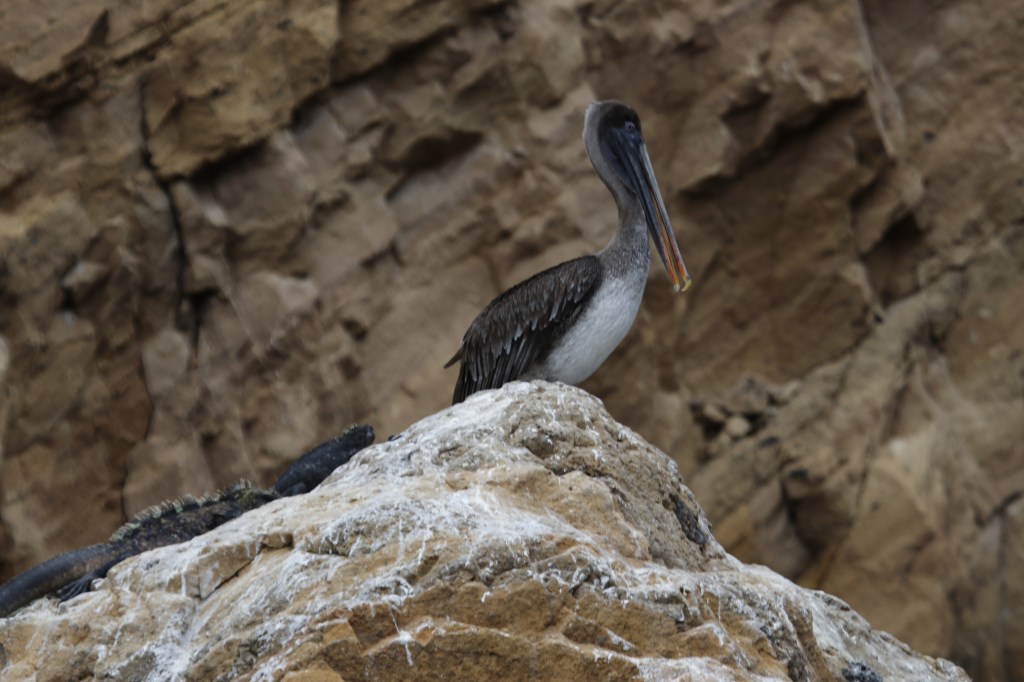
Immediately i could see why the galapagos is so famous. It was rather surreal to be walking around the dock seeing sea lions absolutely everywhere, that did not care one bit about human presence – none of the animals and birds here do, due to lack of predators. I could see frigates, blue footed boobies and pelicans dive bombing into the sea, whilst hundreds of sally lightfoot crabs rested on the rocks alongside marine iguanas, with sea lions everywhere!
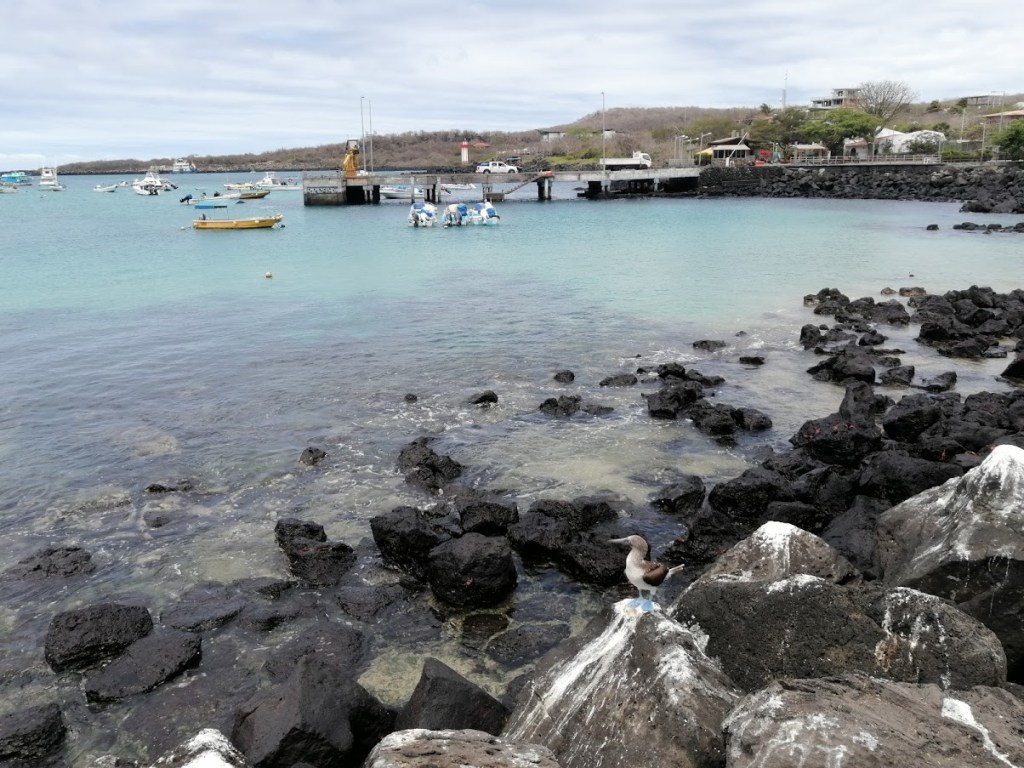
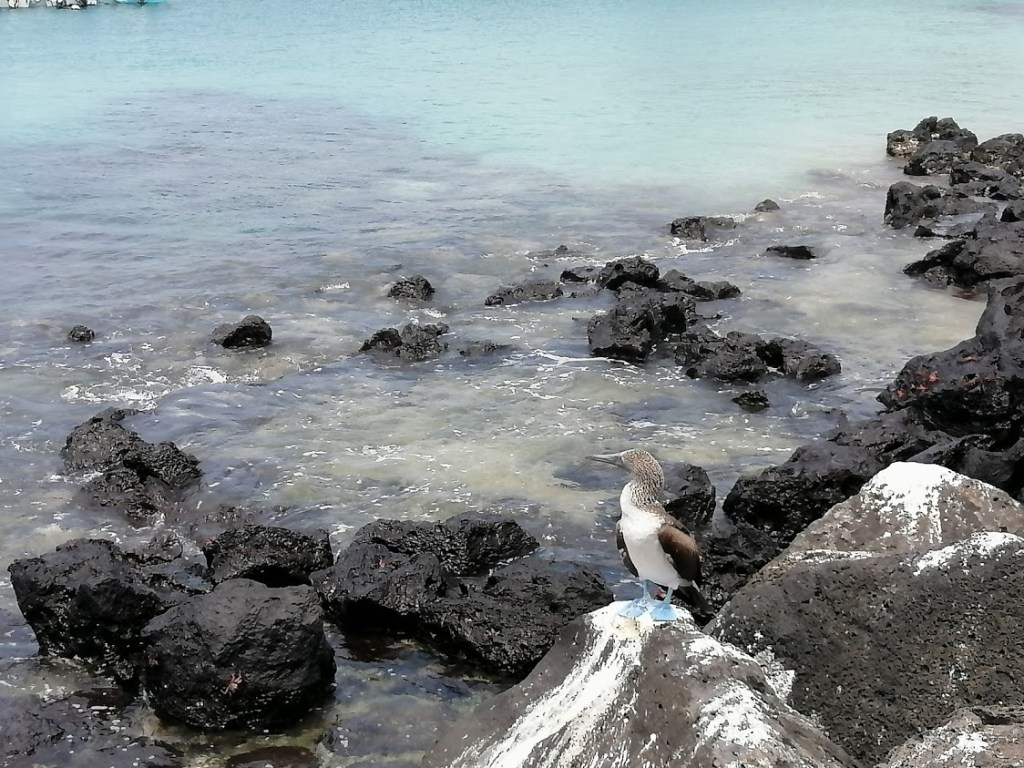
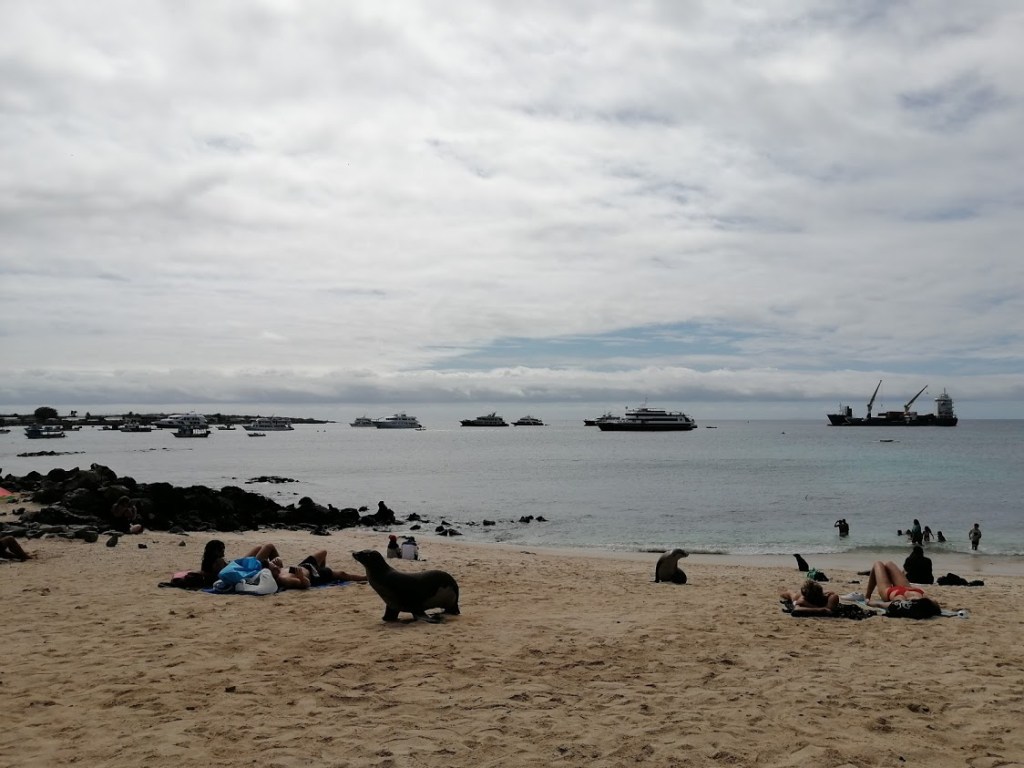
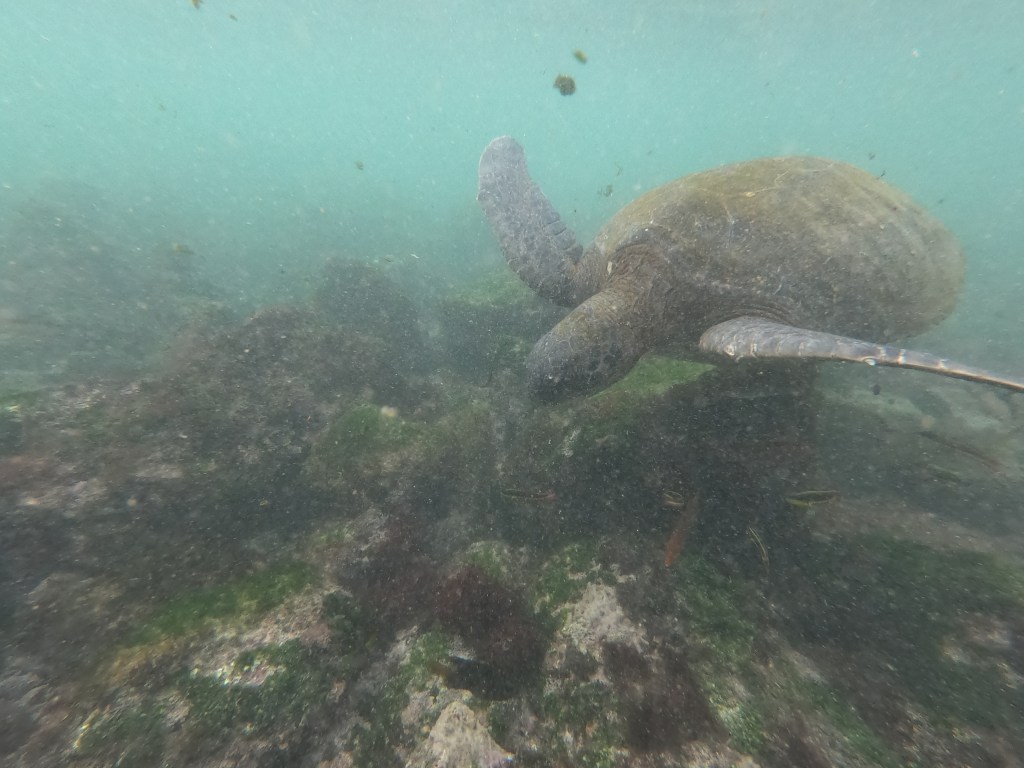
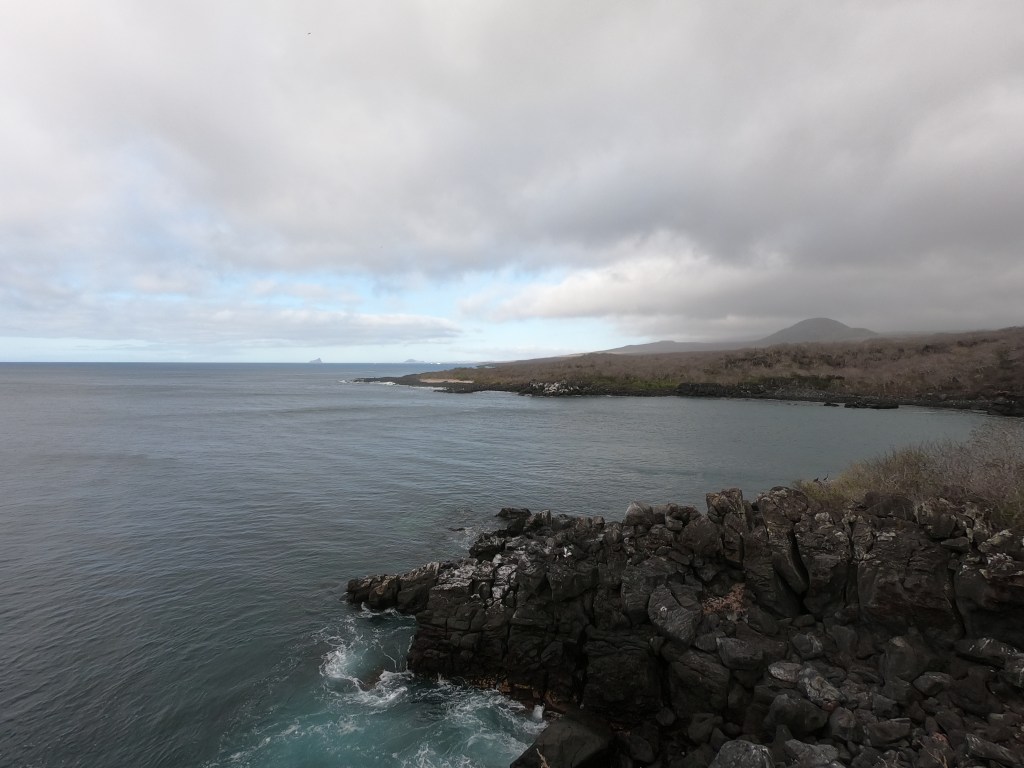
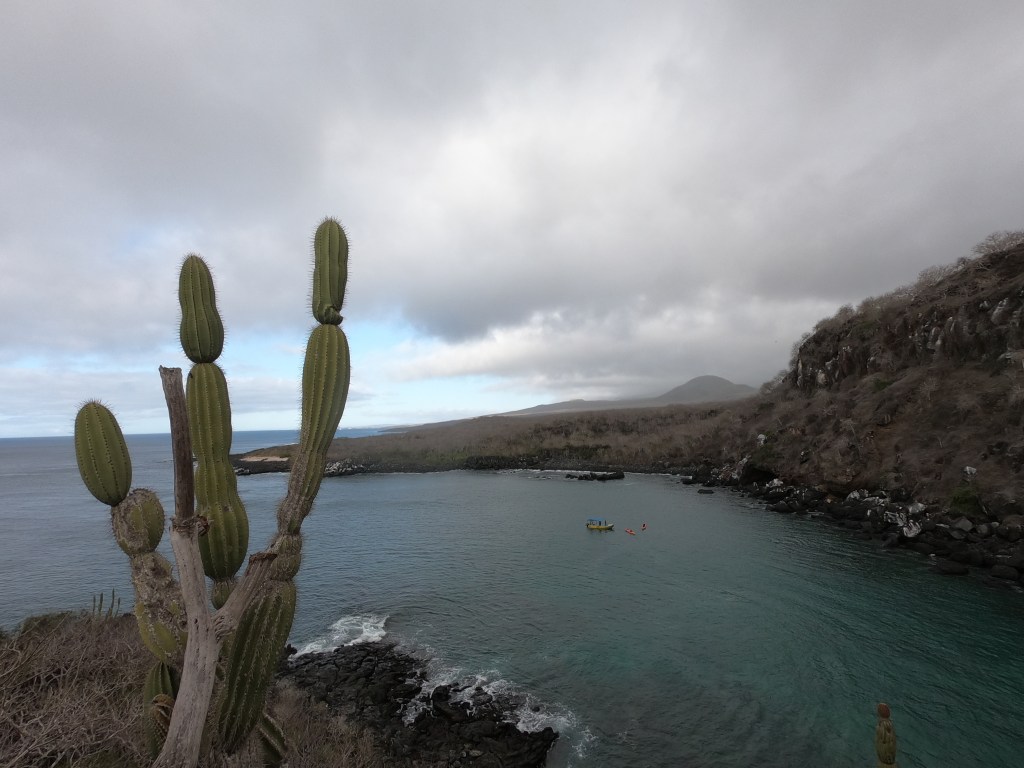
I visited the interpretation center, a small museum, and learned about the history of the islands, the impacts of humans, sustainable tourism, conservation efforts and the goal to be carbon neutral within the next few years. For the rest of the day i went on a walk via Playa Carola and Cerro Tijeretas. I snorkled with a turtle and excitedly told some people i had met – i didn’t yet know how exceedingly normal this was in the Galapagos!
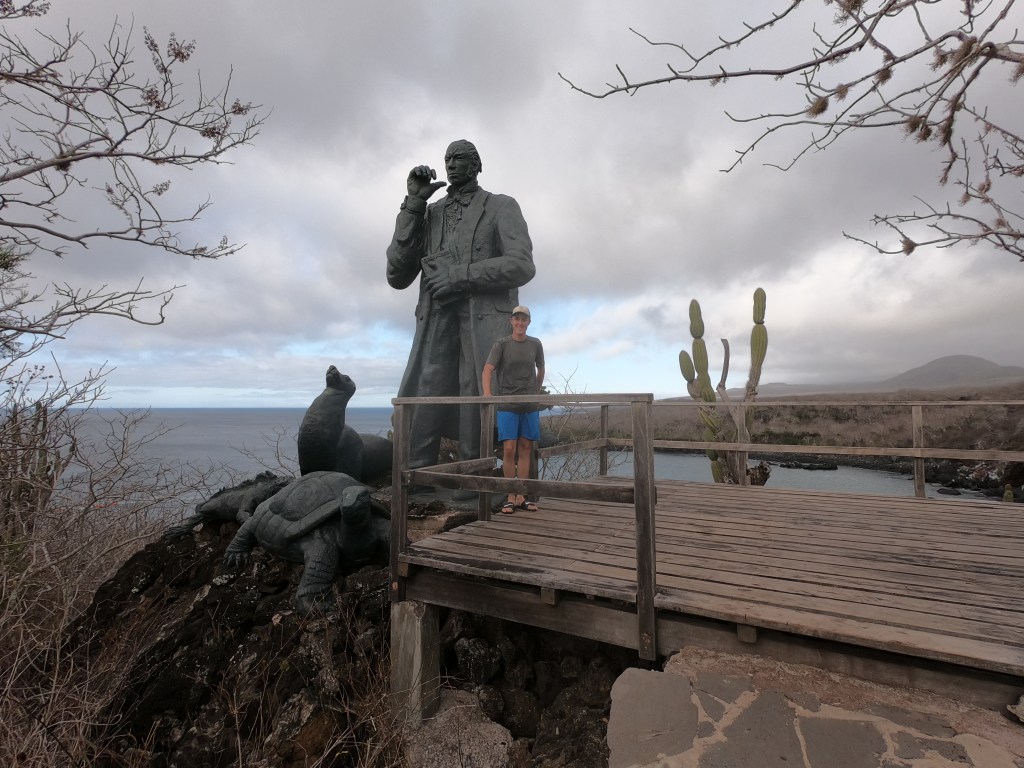
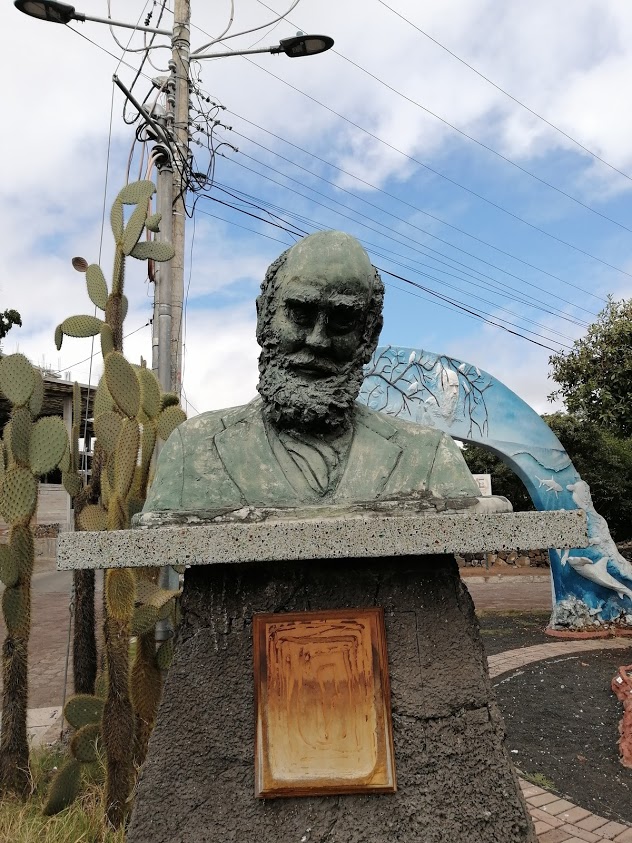
Statue of Charles Darwin 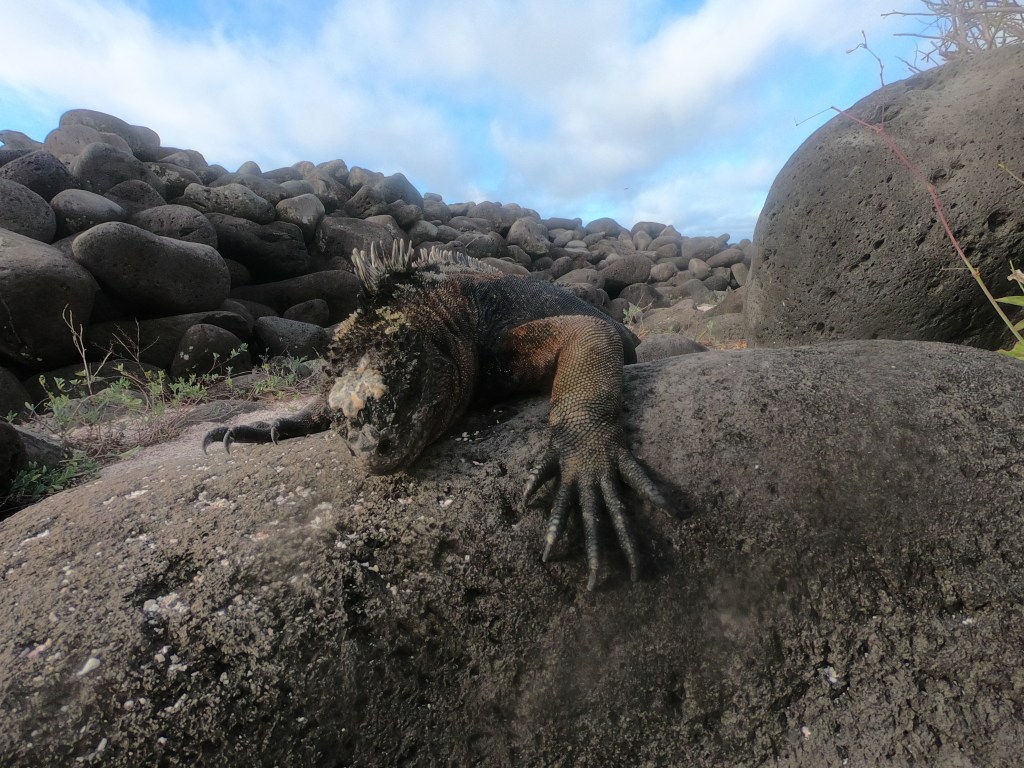
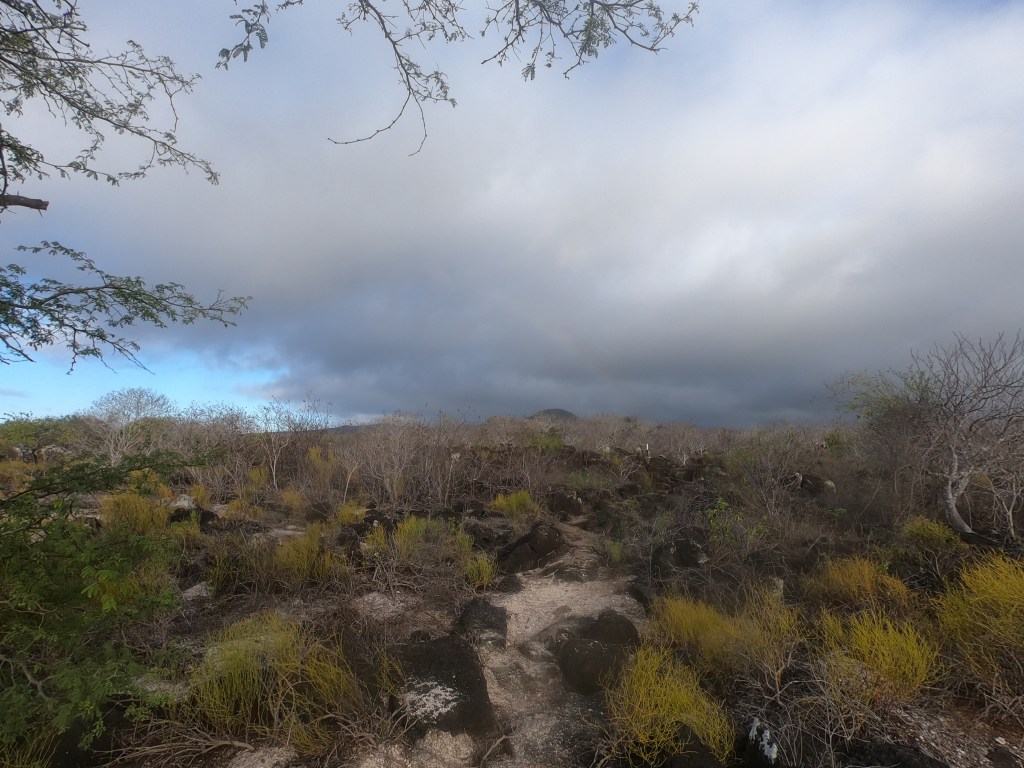
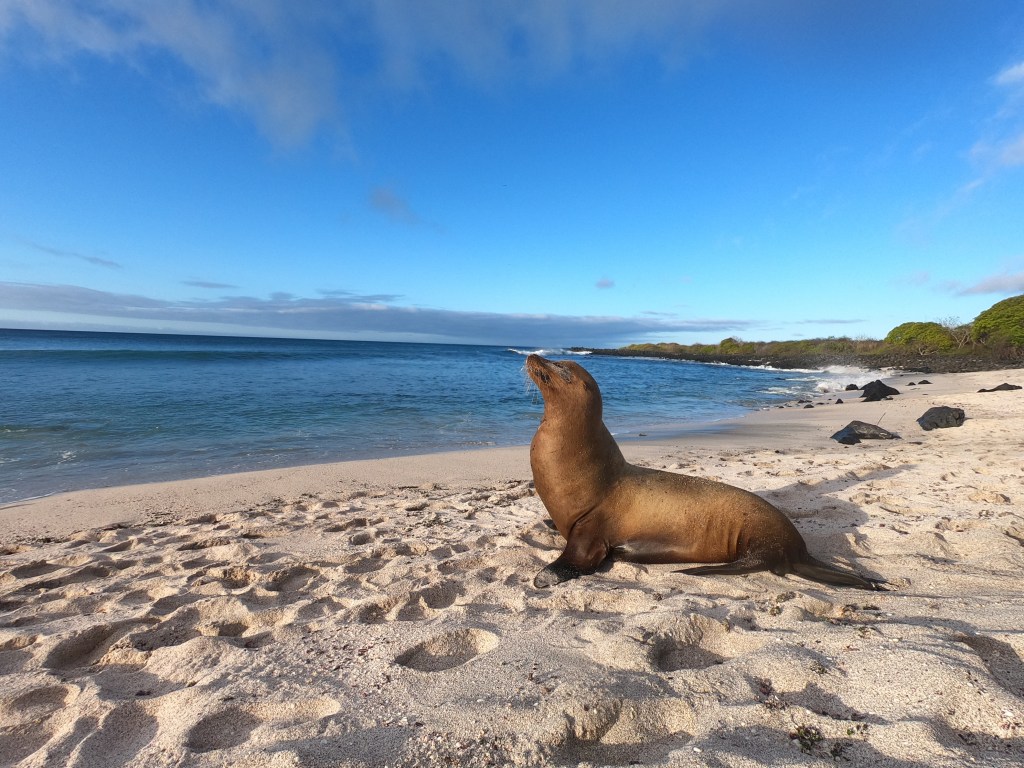
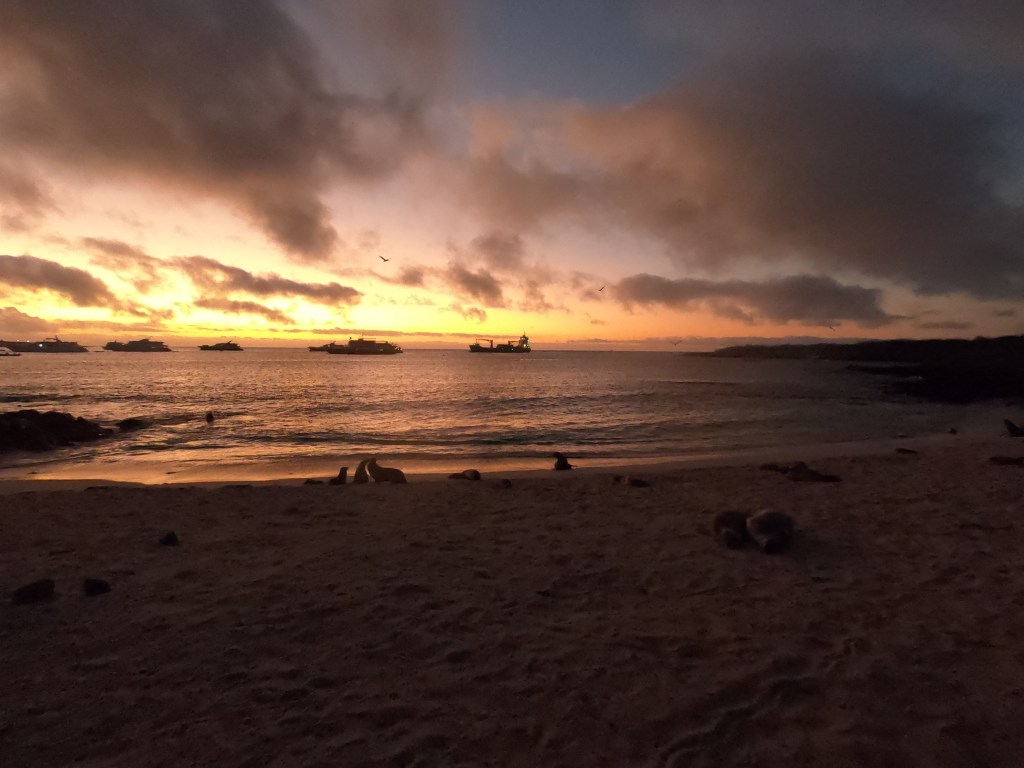
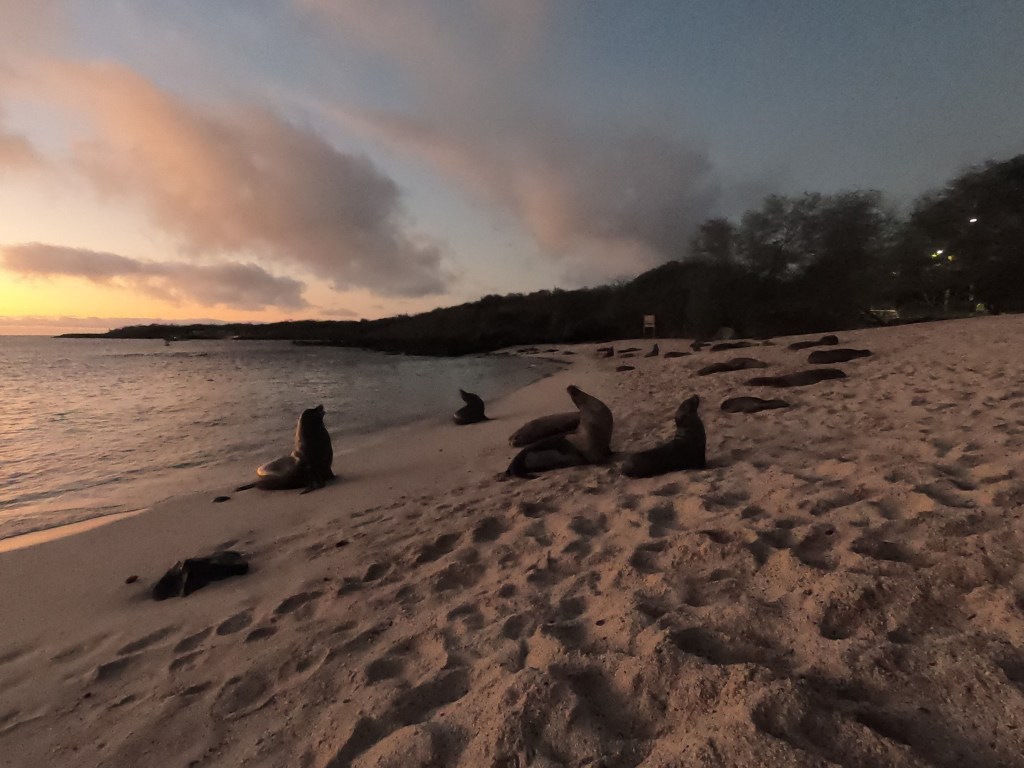
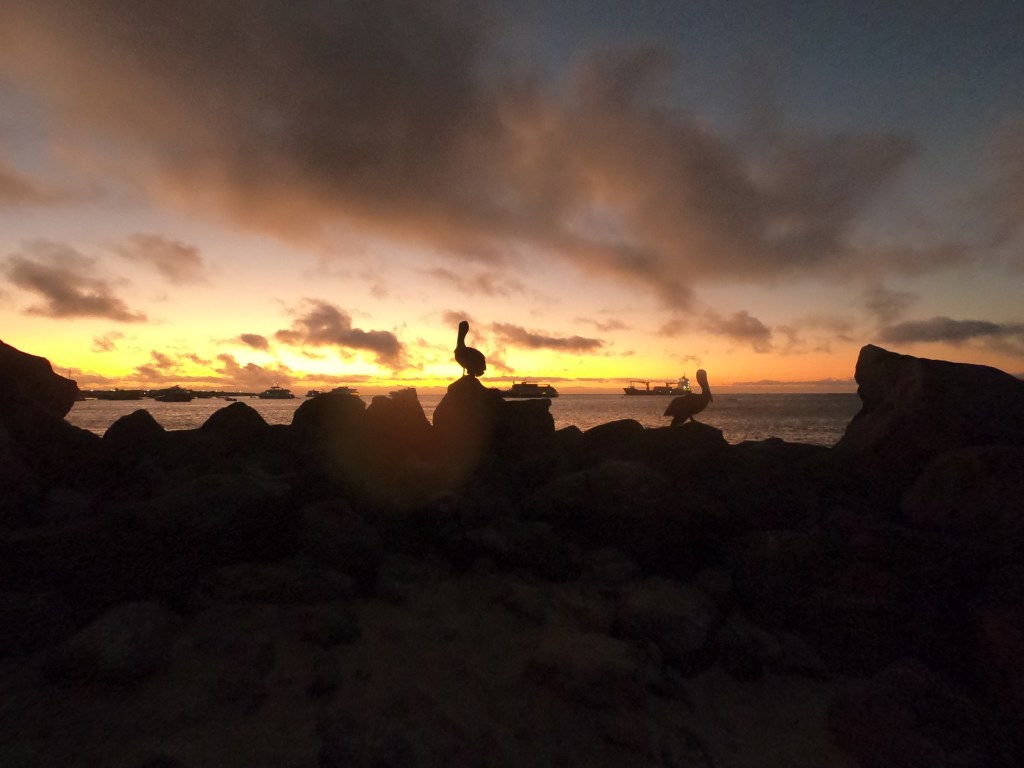
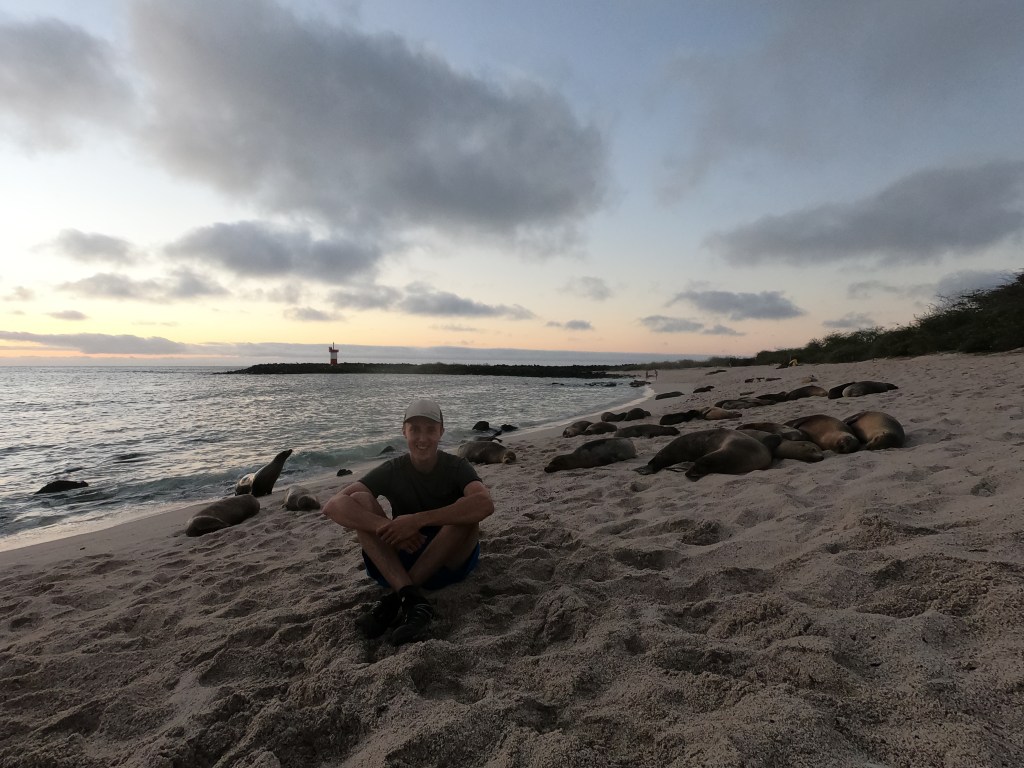
The next day, i did the 360 tour around San Cristobal, it was a boat trip around the full island with several stops.
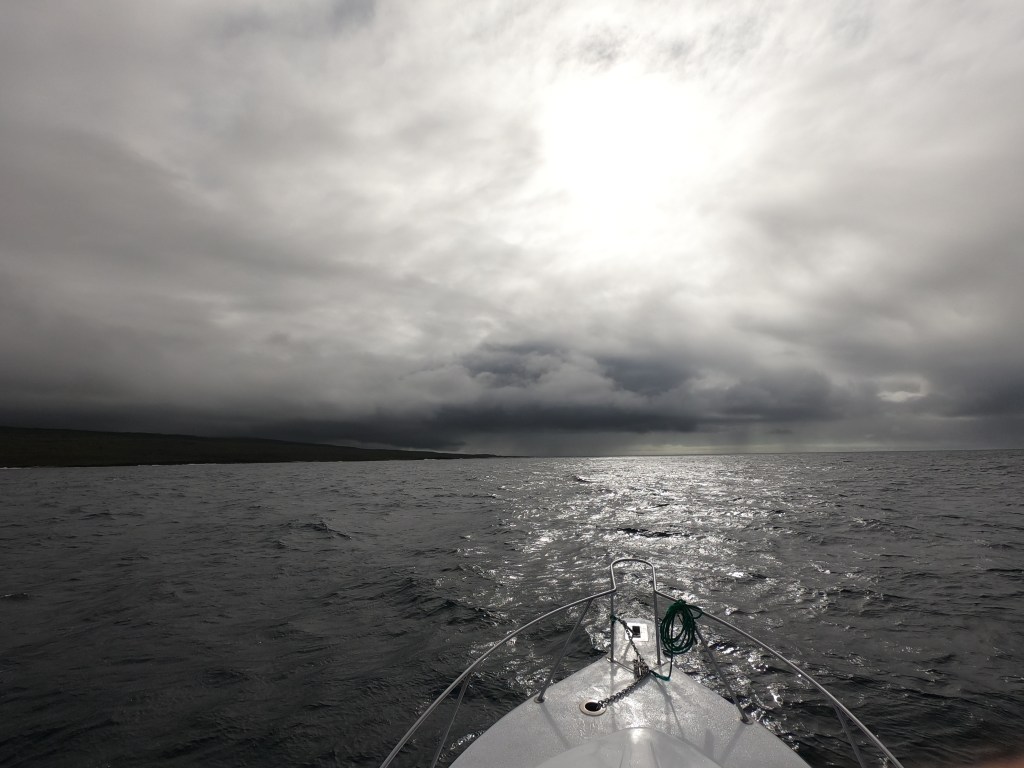
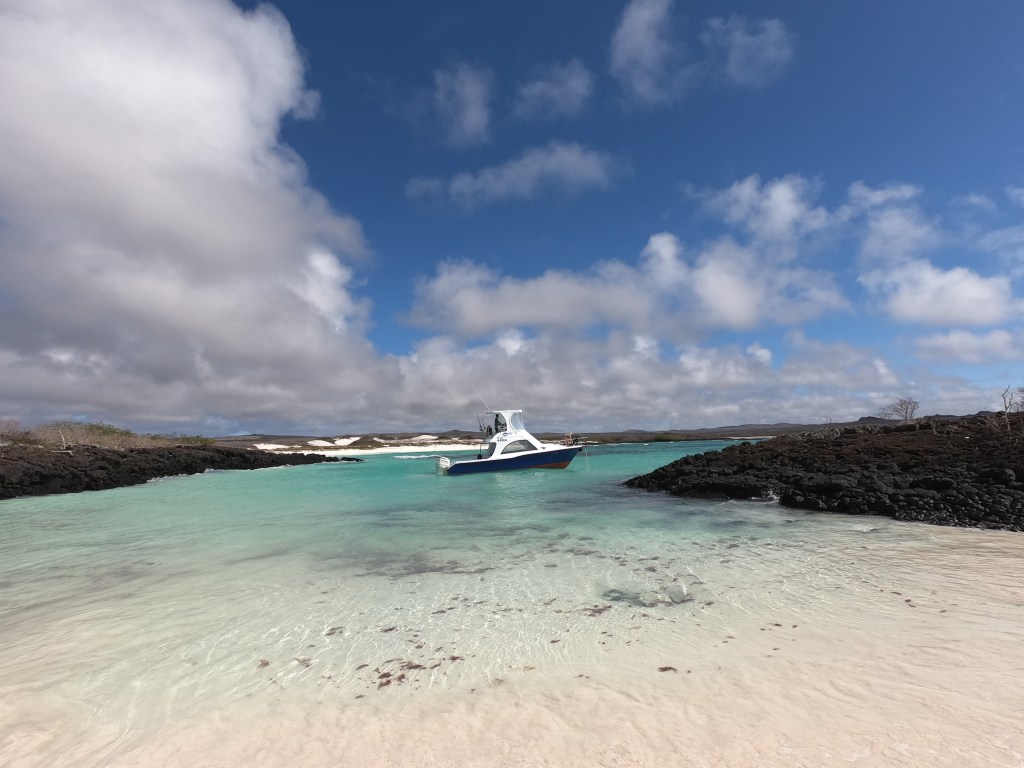
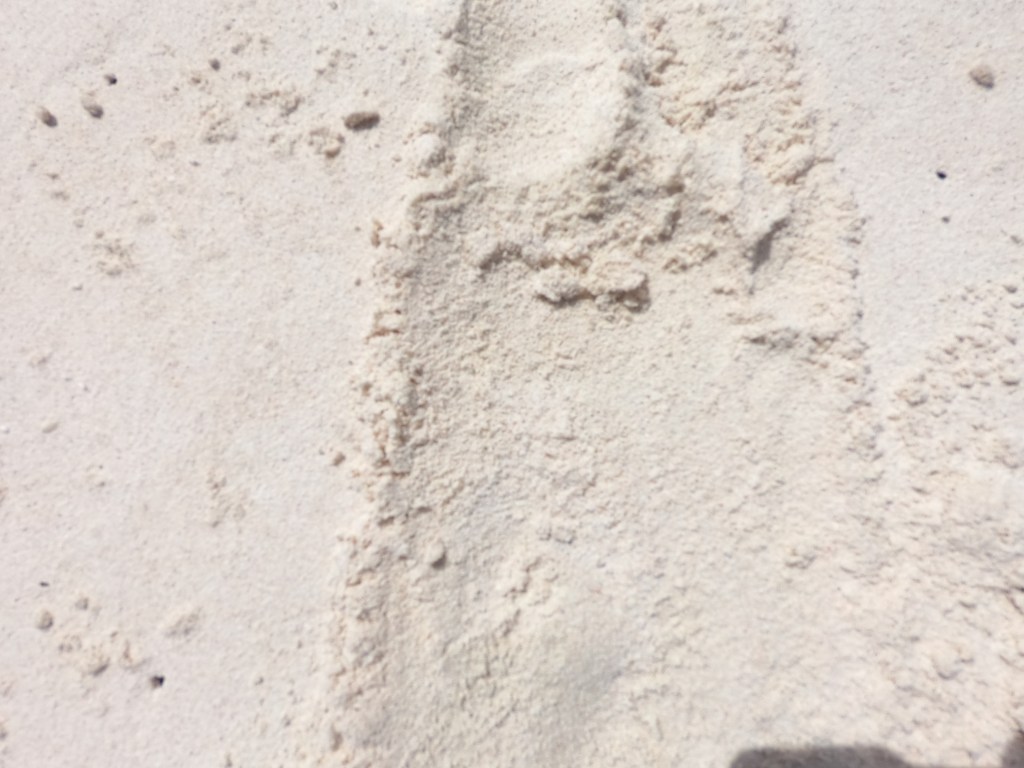
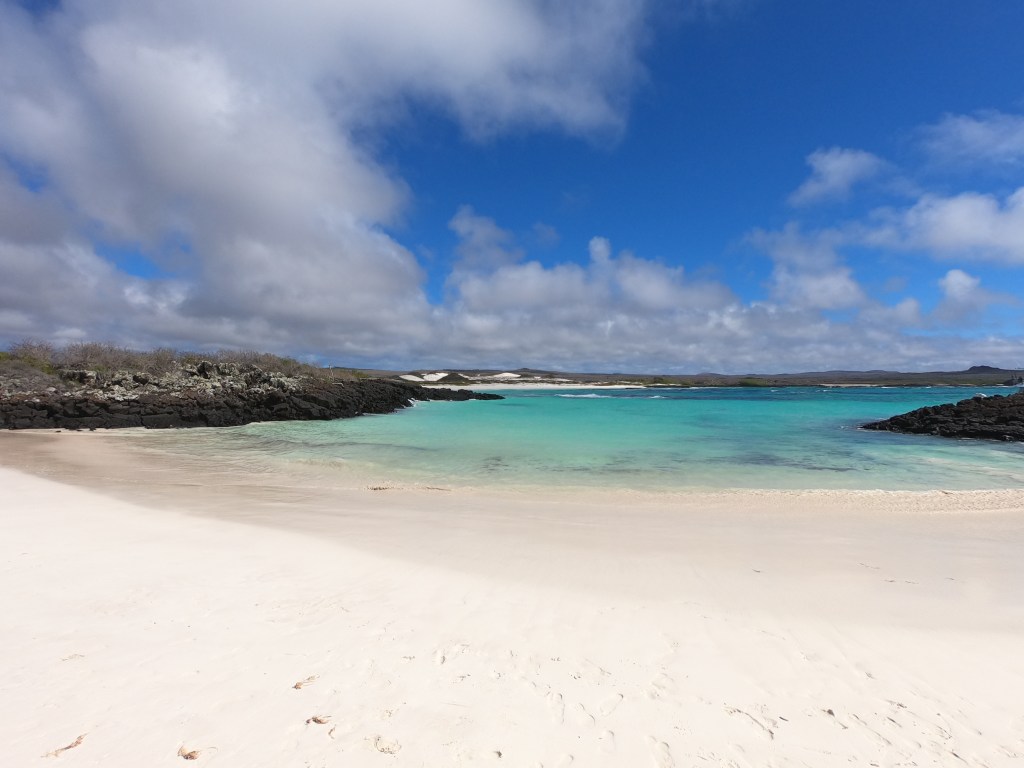
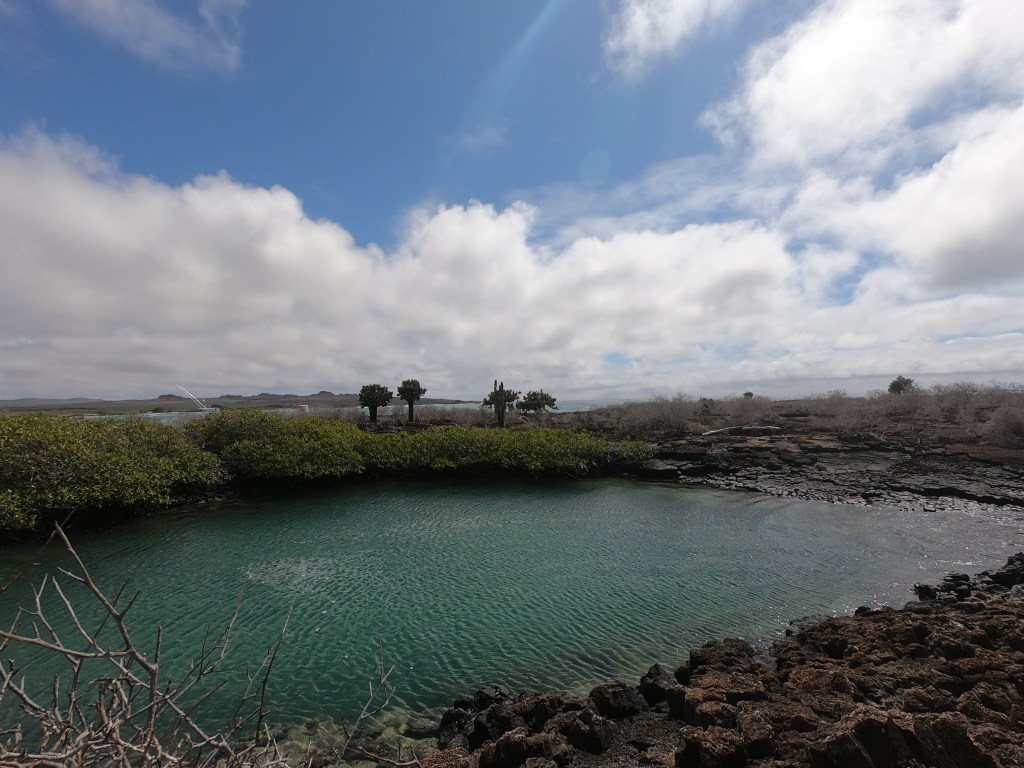
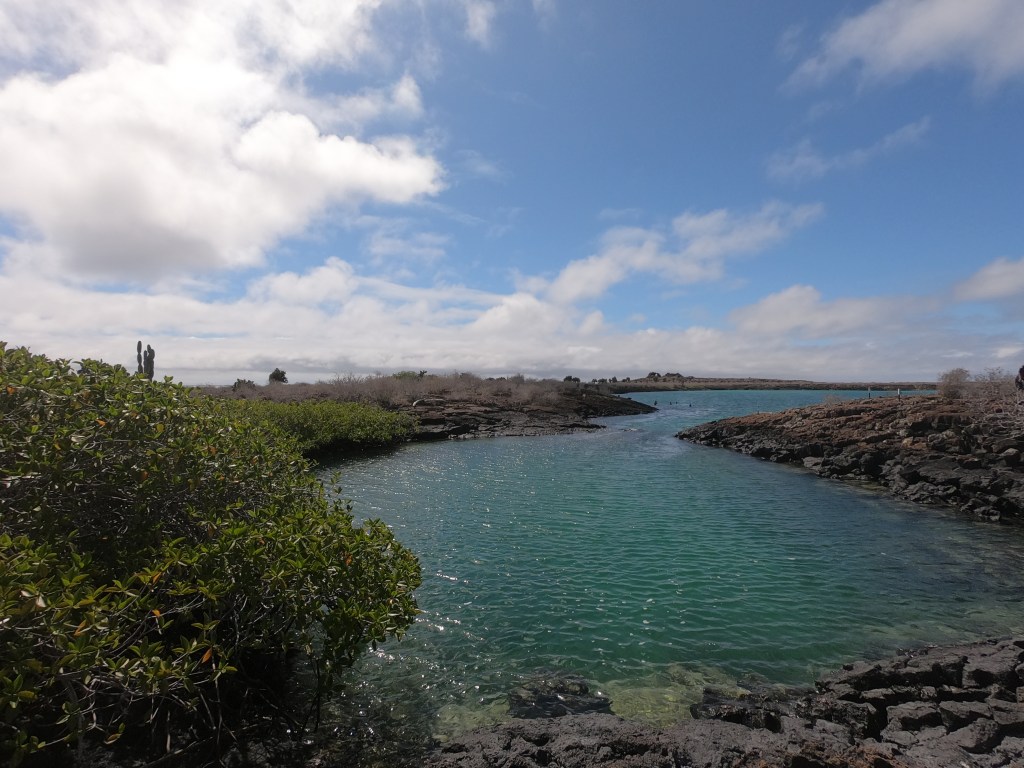
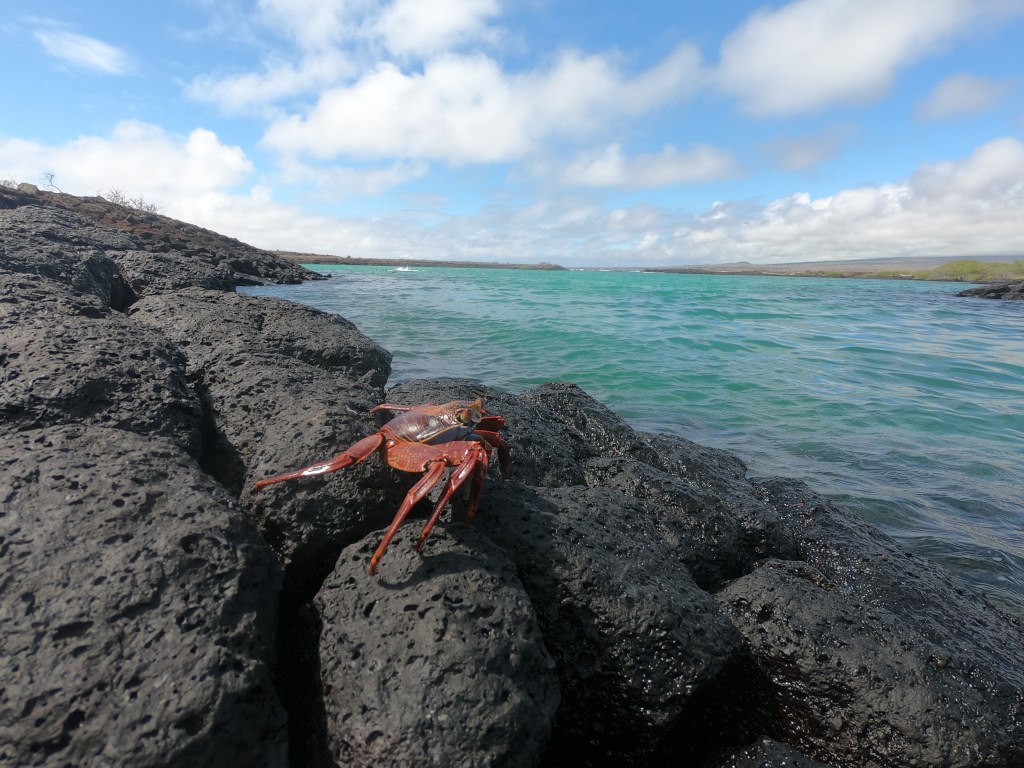
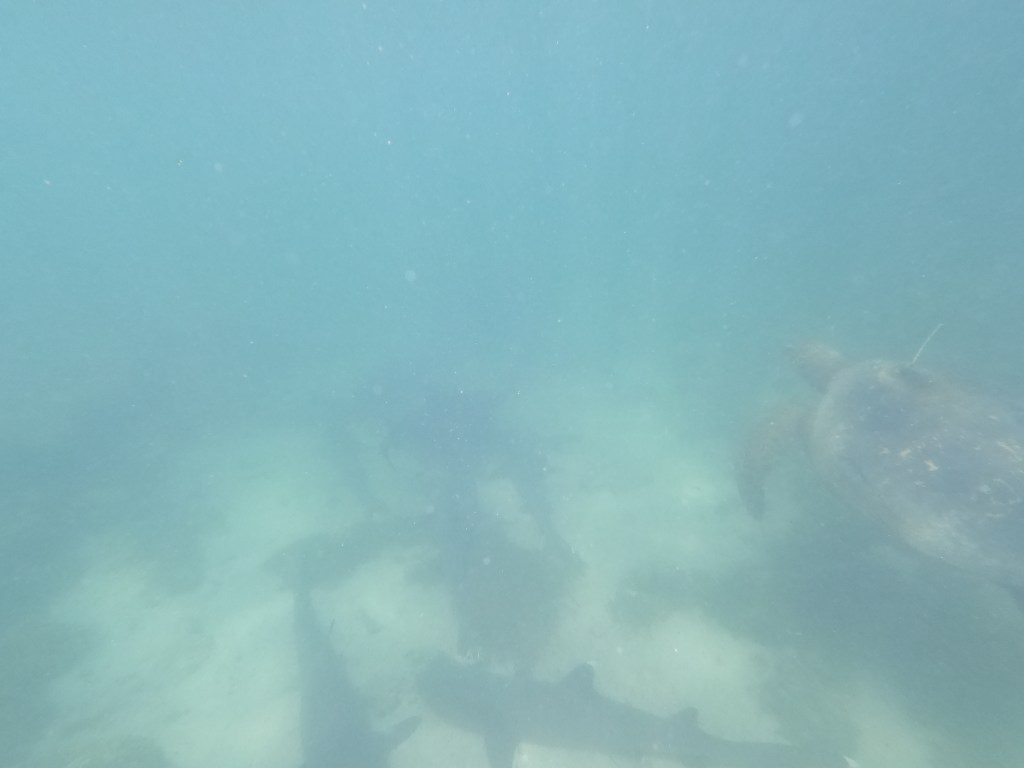
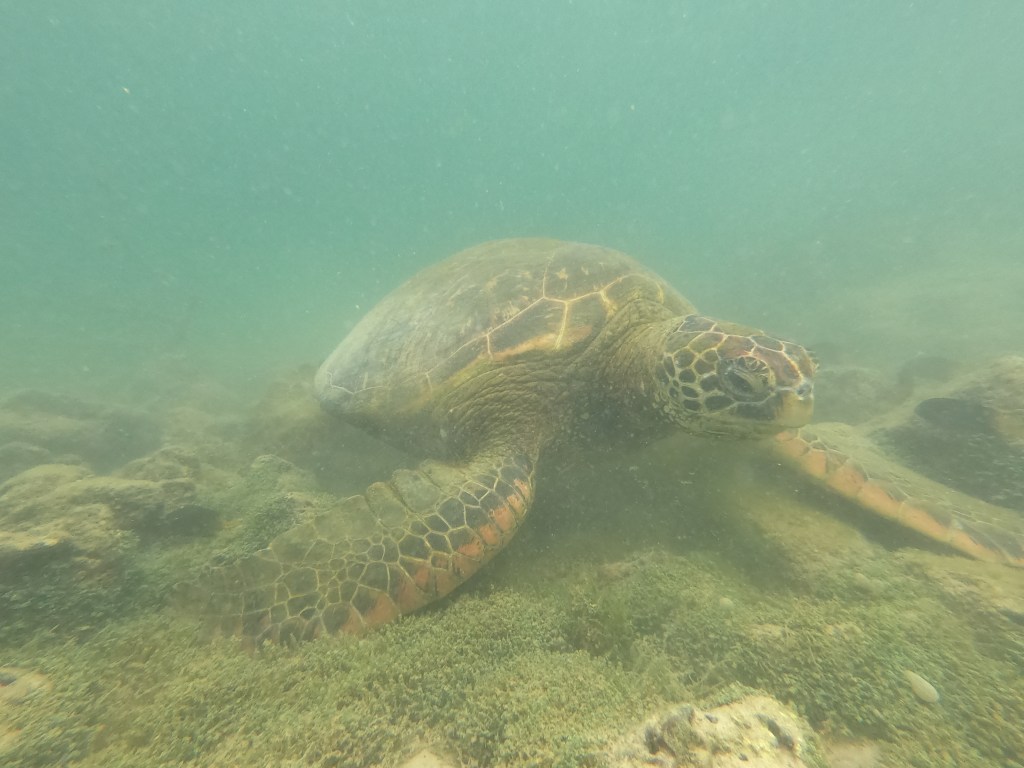
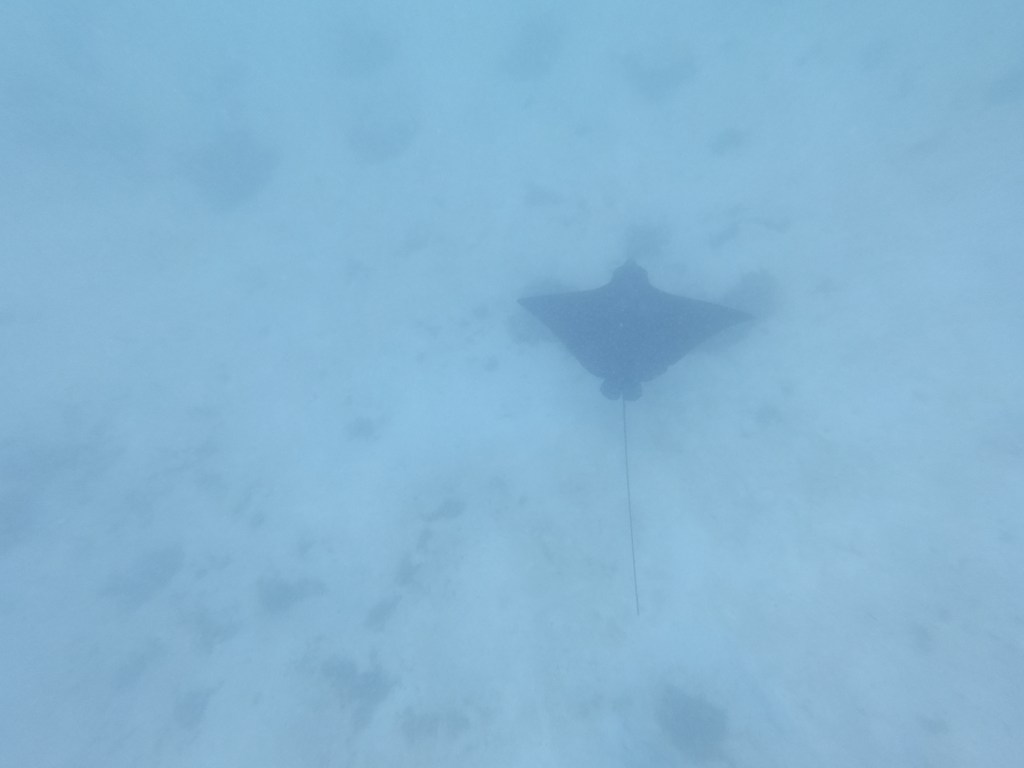
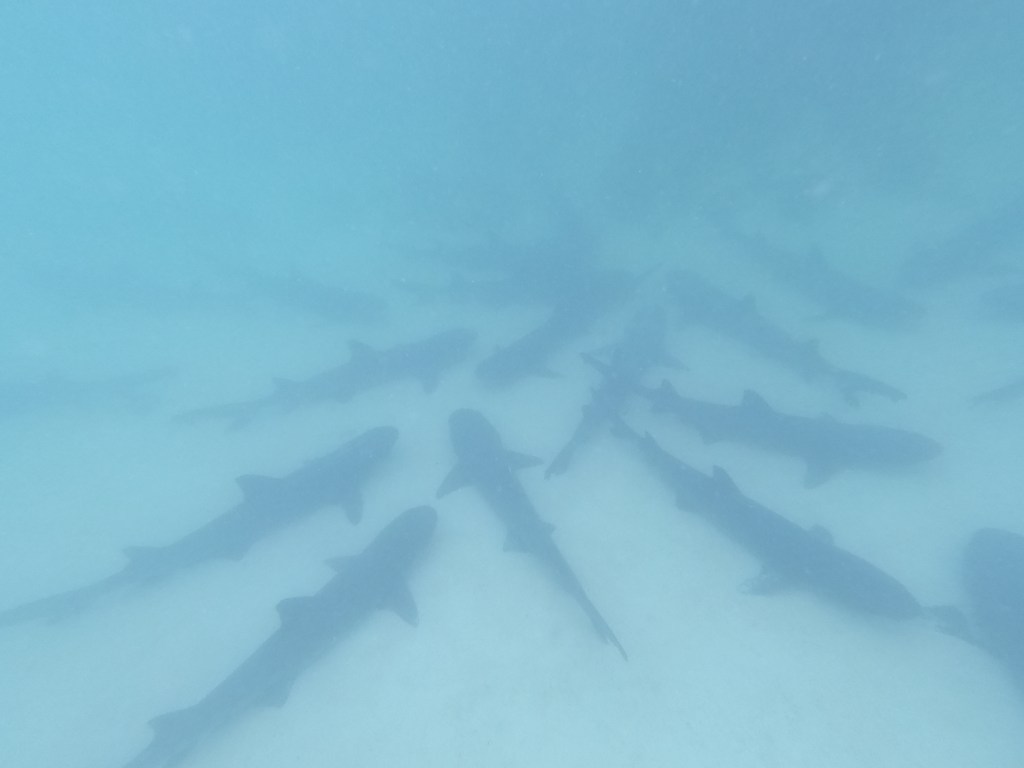
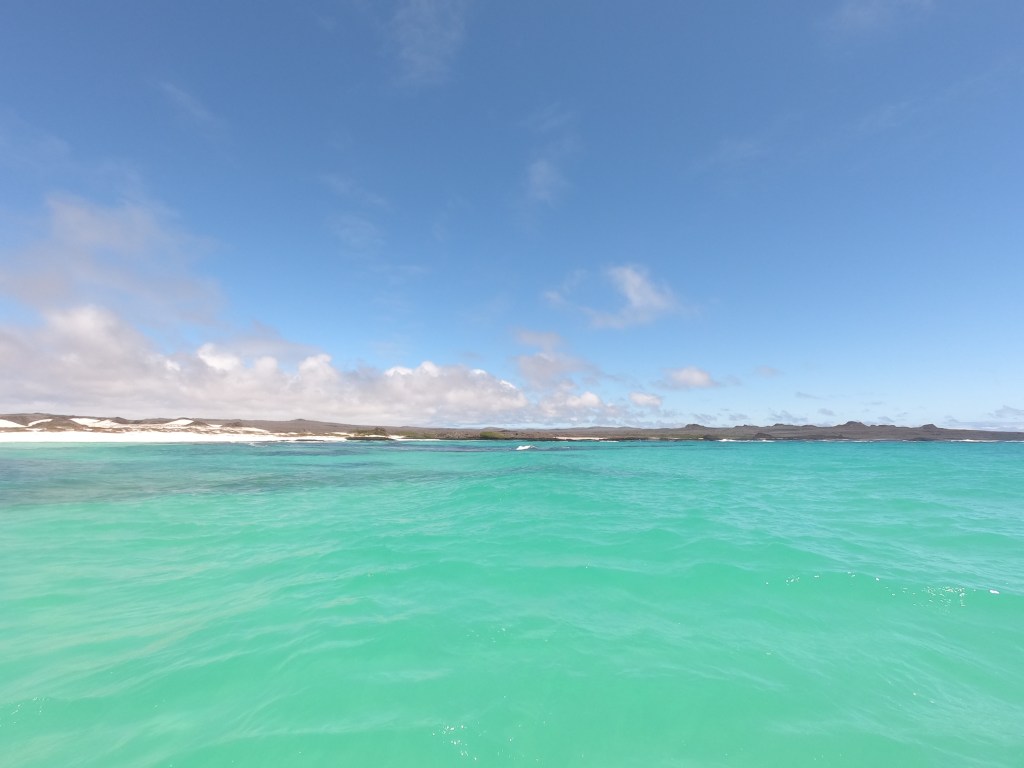
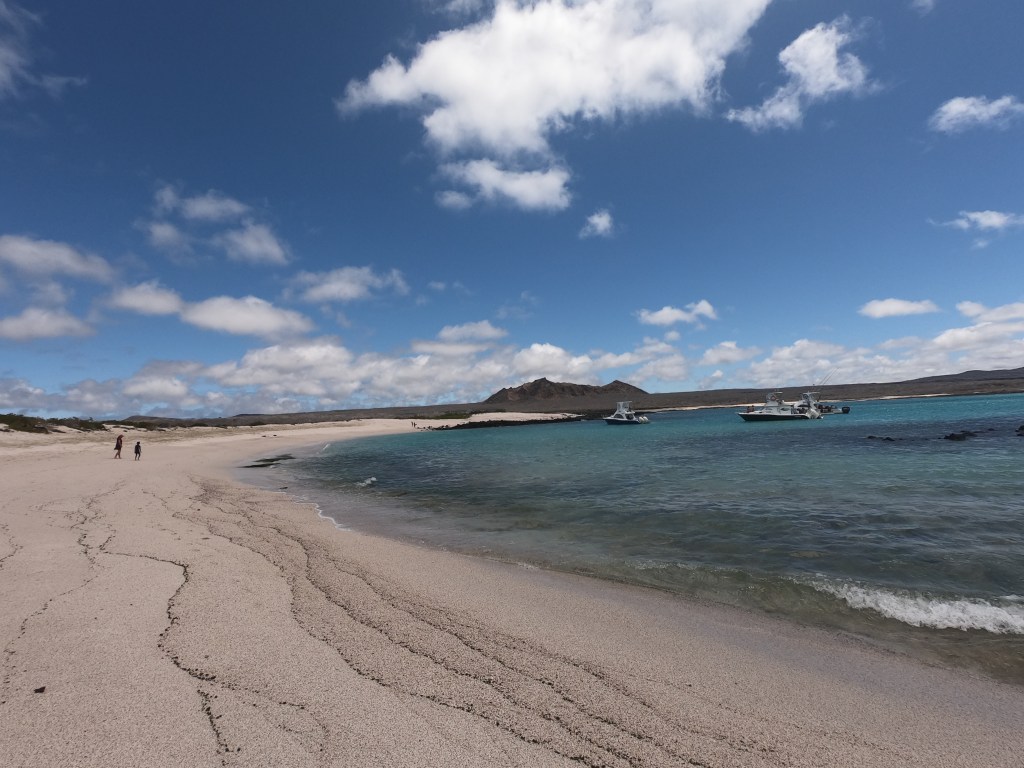
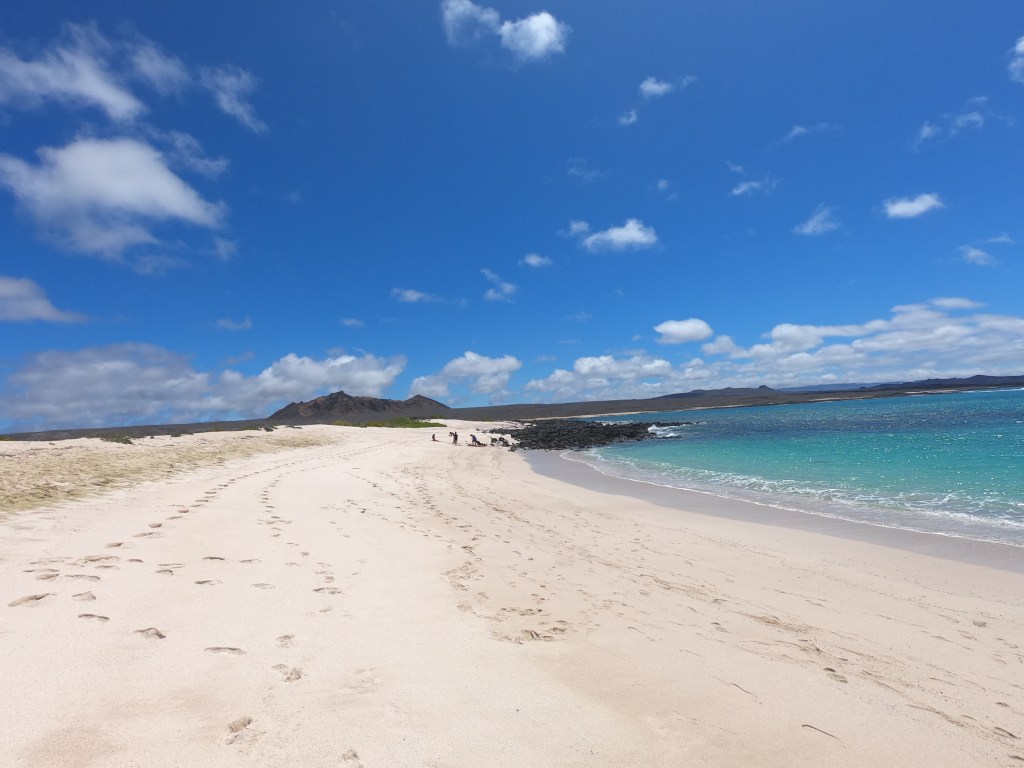
The first stop was playa blanca, in the photos above. The sand was the finest and whitest i have ever seen, and felt like flour. It is actually broken up coral, that parrotfish eat (the sand is their poo). Parrotfish can produce about 10kg of sand in their lifetime of around 10 years. This spot was absolutely insane for snorkelling. The guide said as soon as you get in their will be about 30-40 white tip sharks, and the rest of area will be filled with tropical fish, turtles and probably rays. He was not wrong. As soon as i got in sharks covered the floor. I think i saw over 20 turtles in an hour of snorkelling, and towards the end saw a group of 15 or so spotted eagle rays.
After passing Cerro Brujo, the next stop was Baya sardina. This is one of many nesting sites for green turtles, and you are only permitted to go along the beach, over the top of the dunes is where all the nests are found! The turtles come at night to lay their eggs.
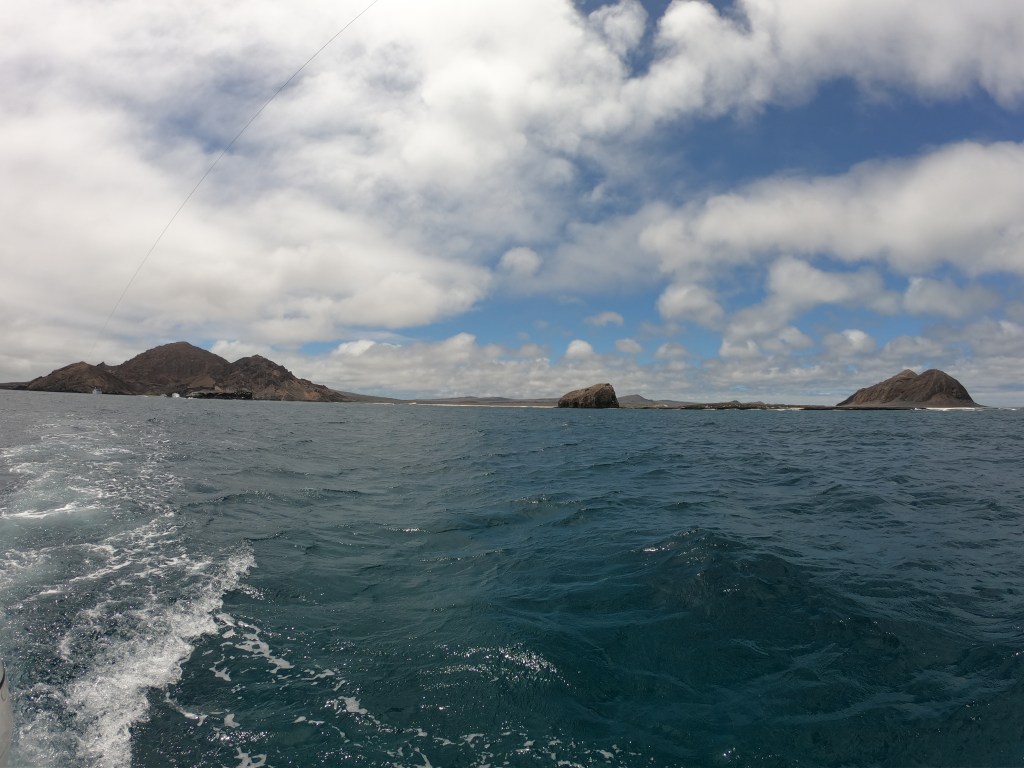
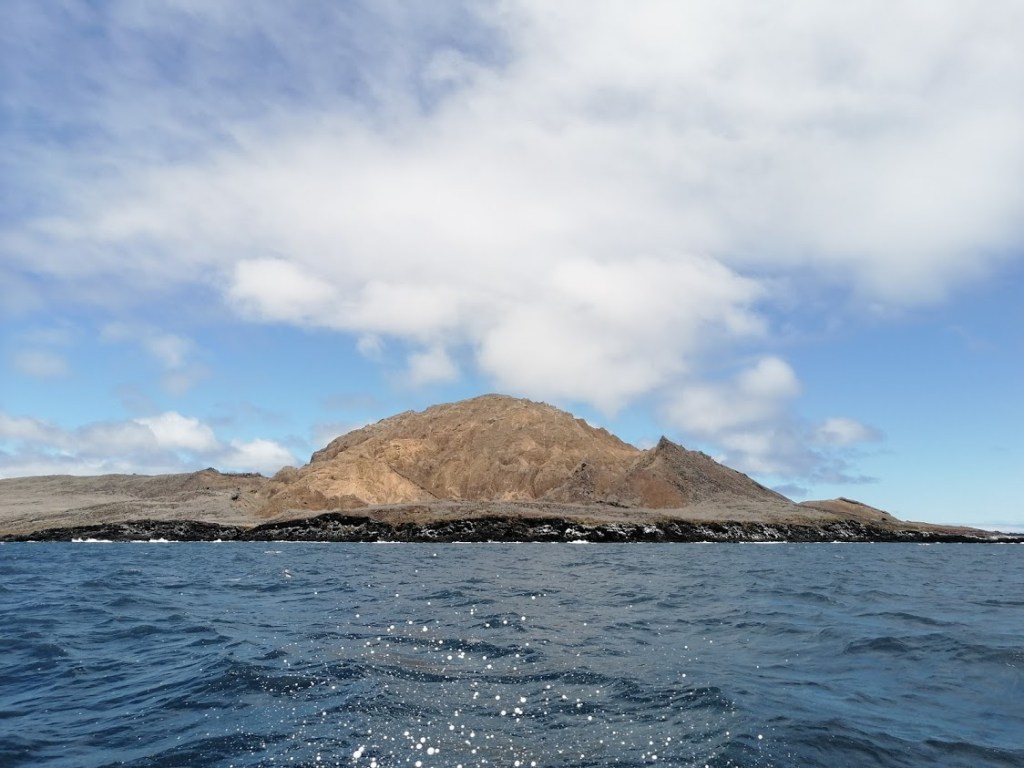
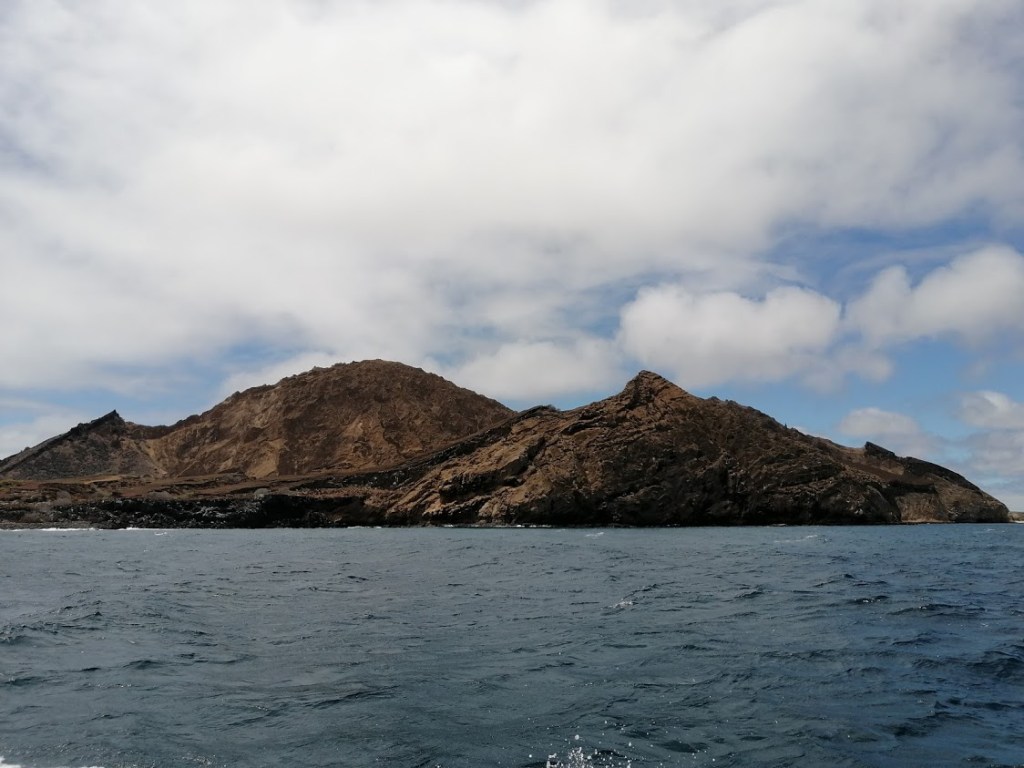
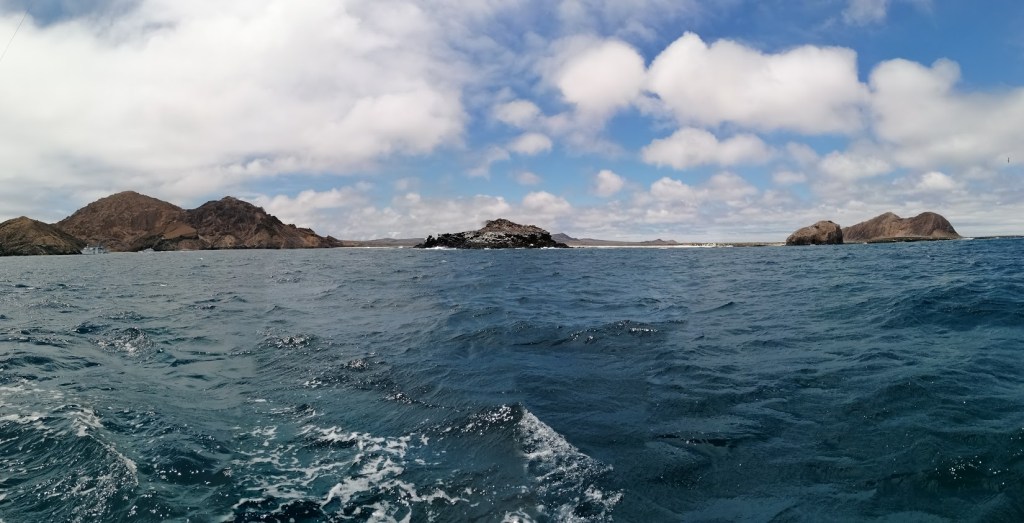
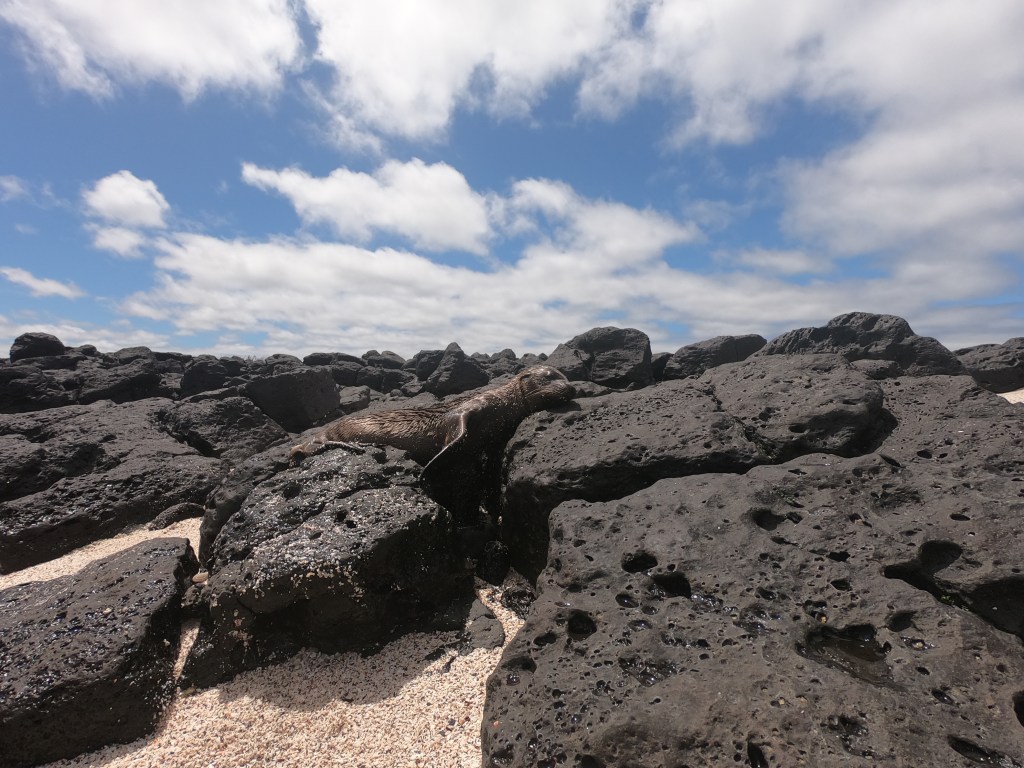
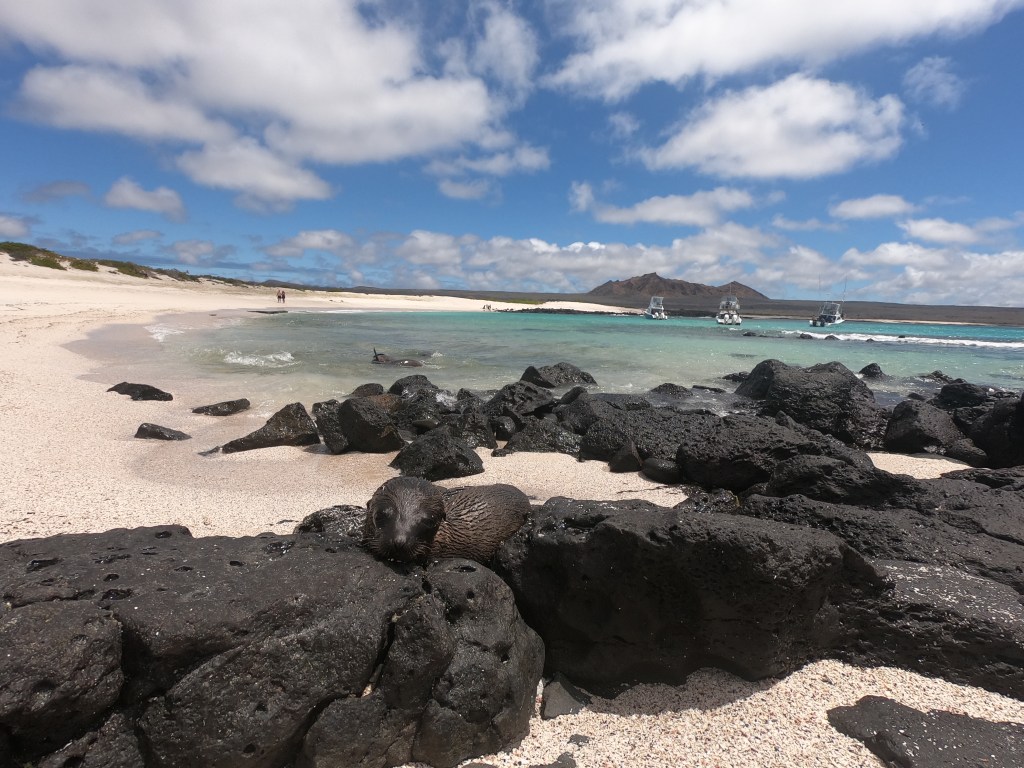
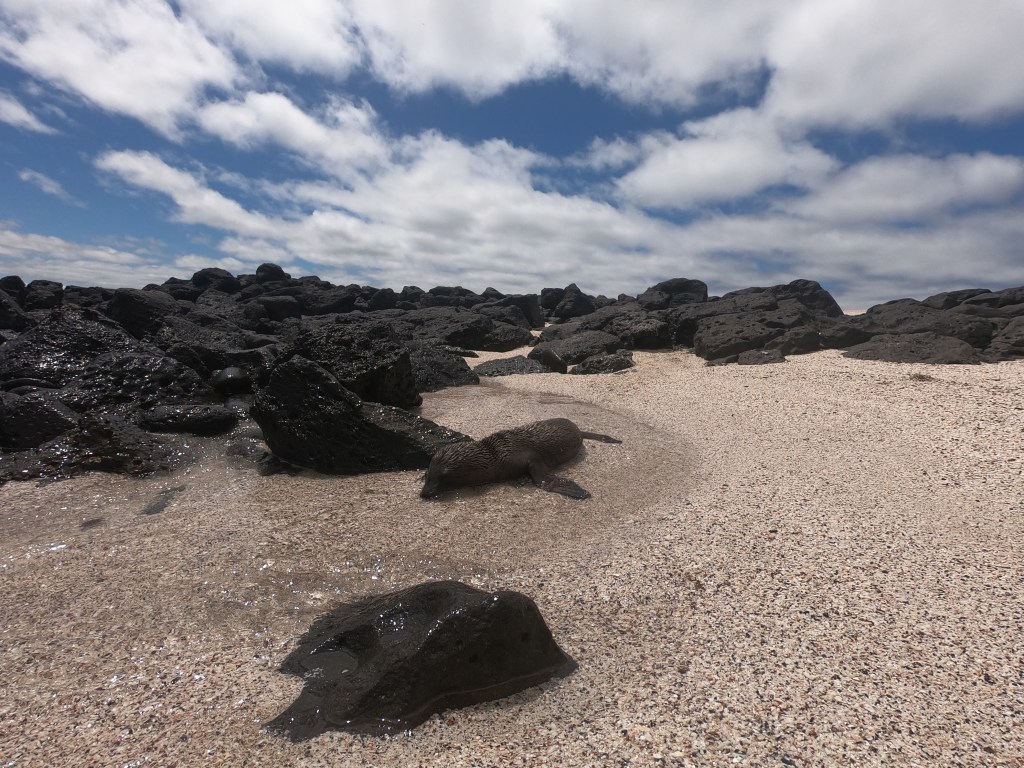
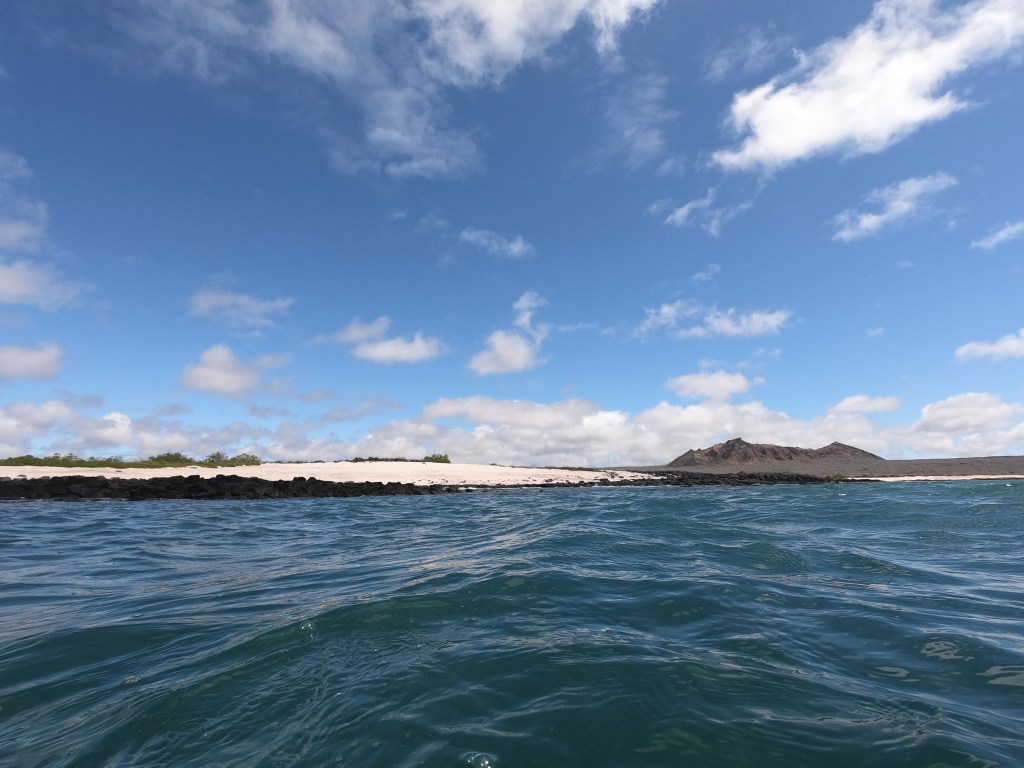
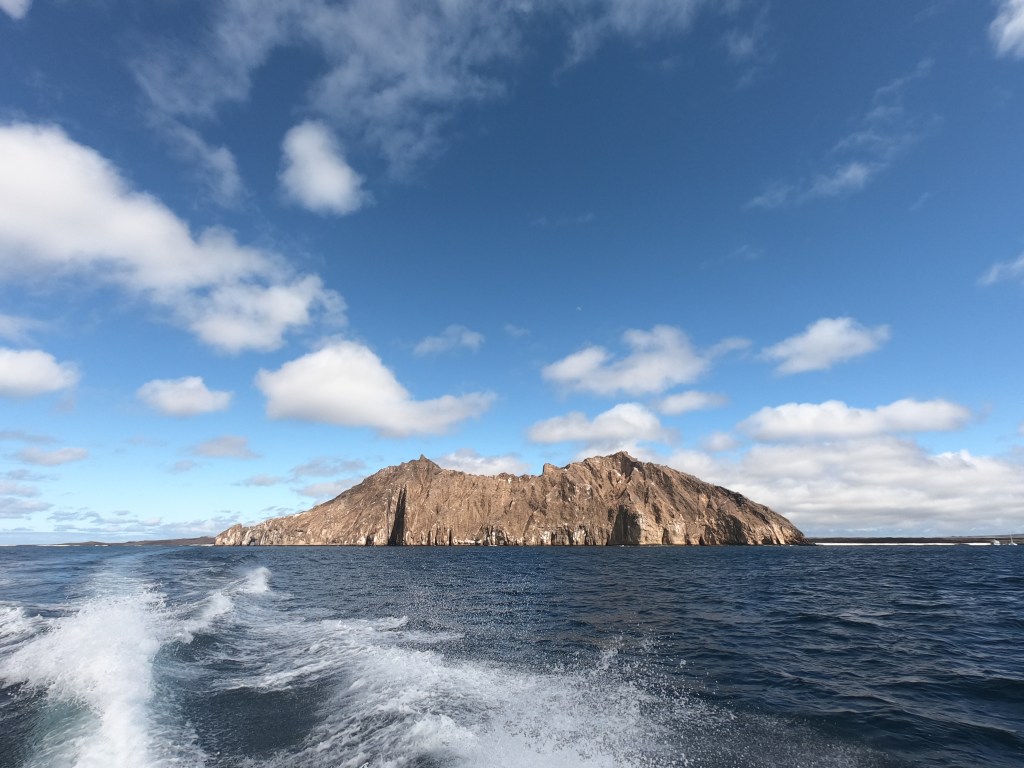
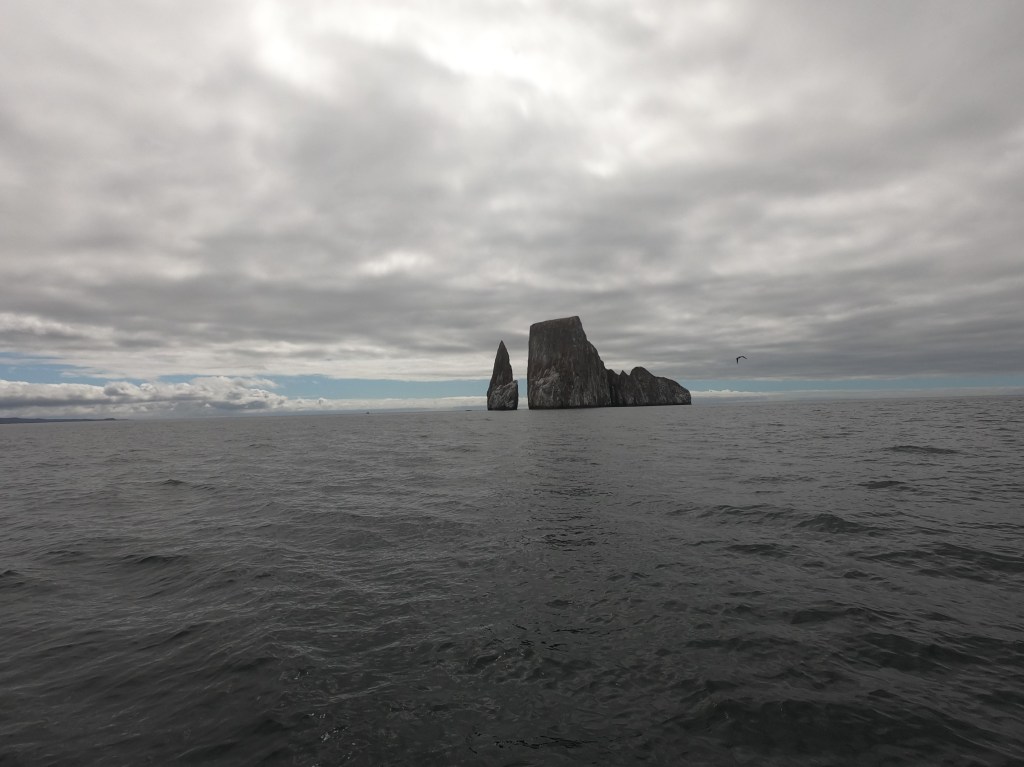
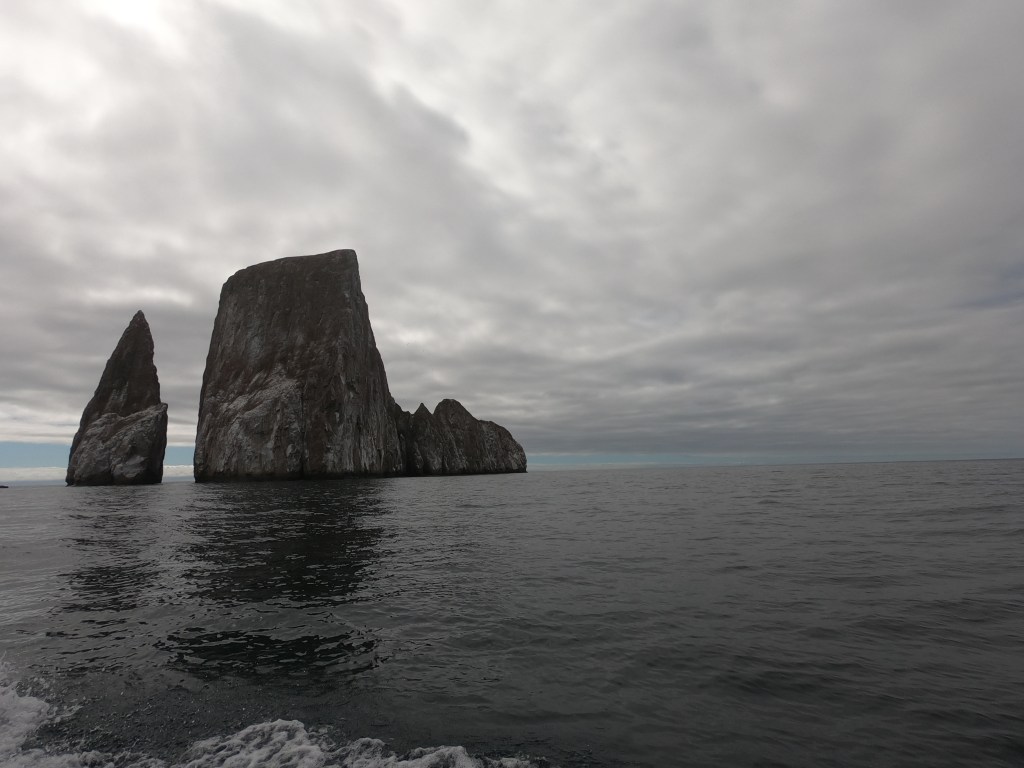
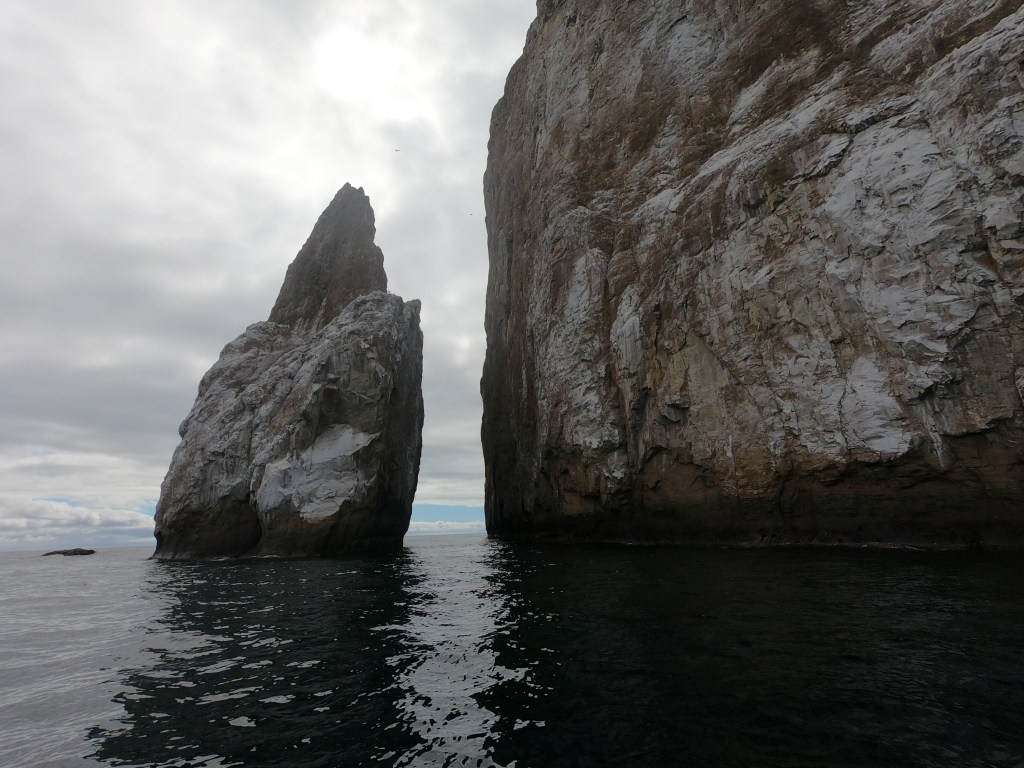
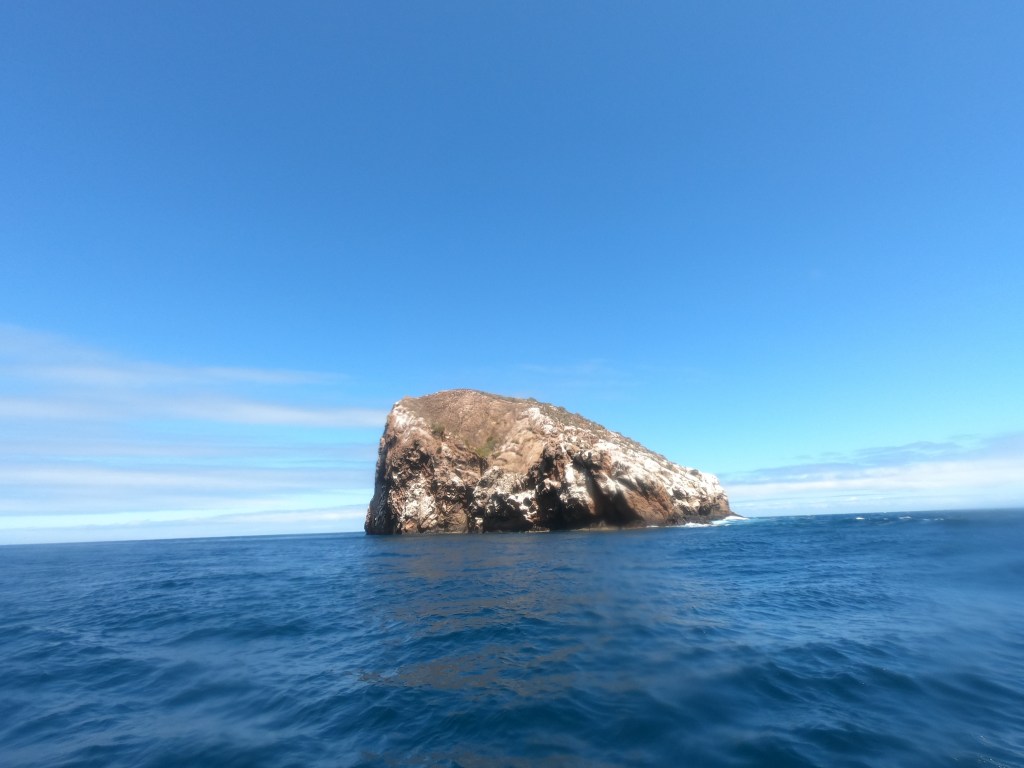
The final stop on the trip was a visit to kicker rock. We snorkled and saw several turtles, spotted eagle rays, hammerhead sharks and black tipped sharks.
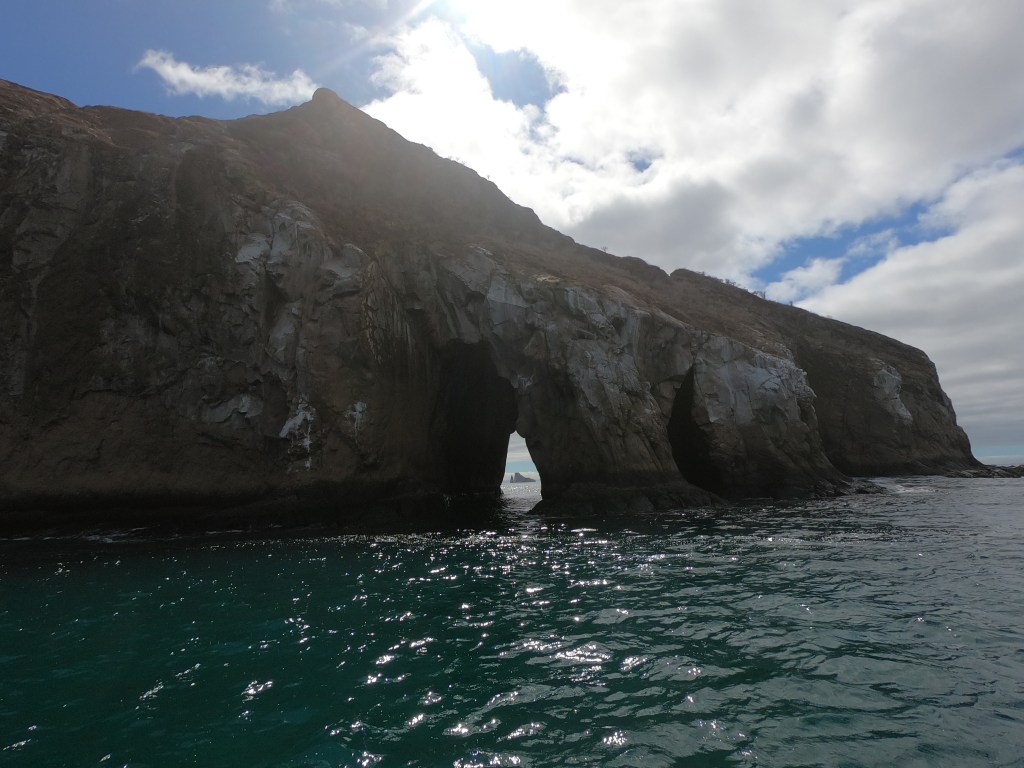
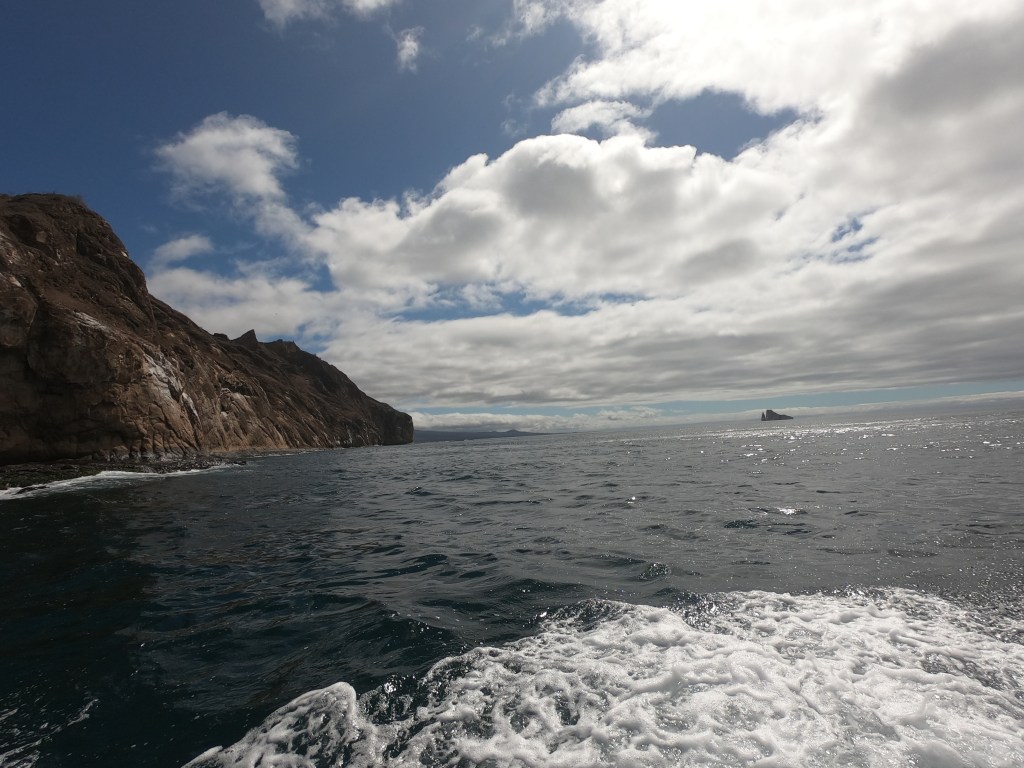
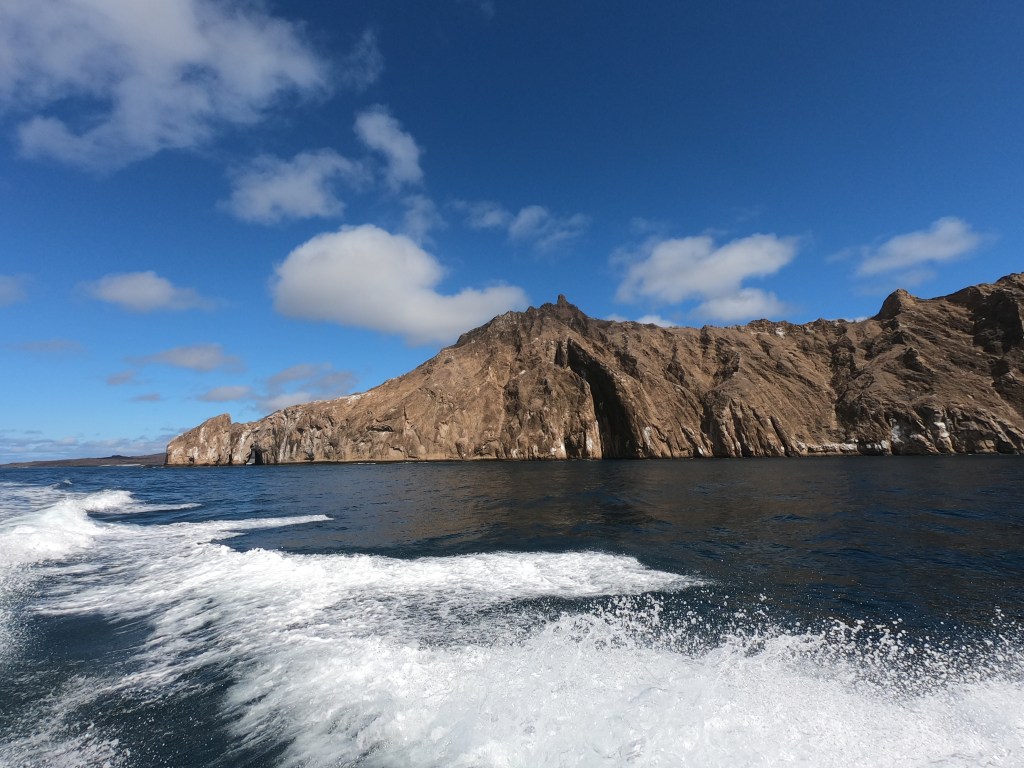
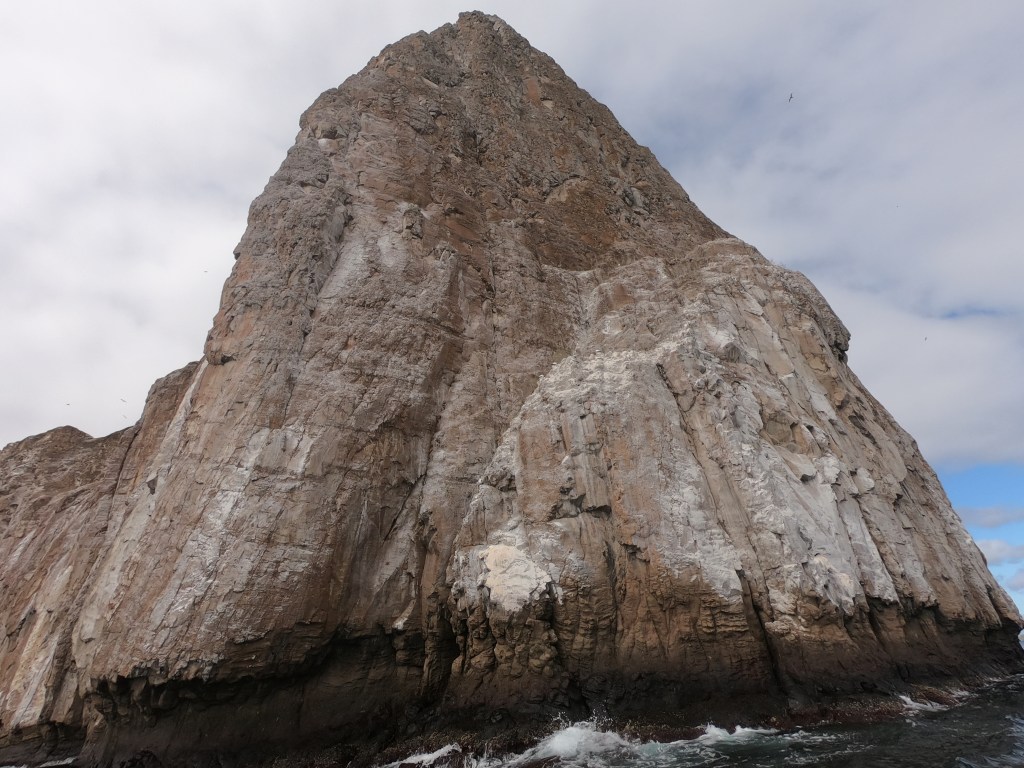
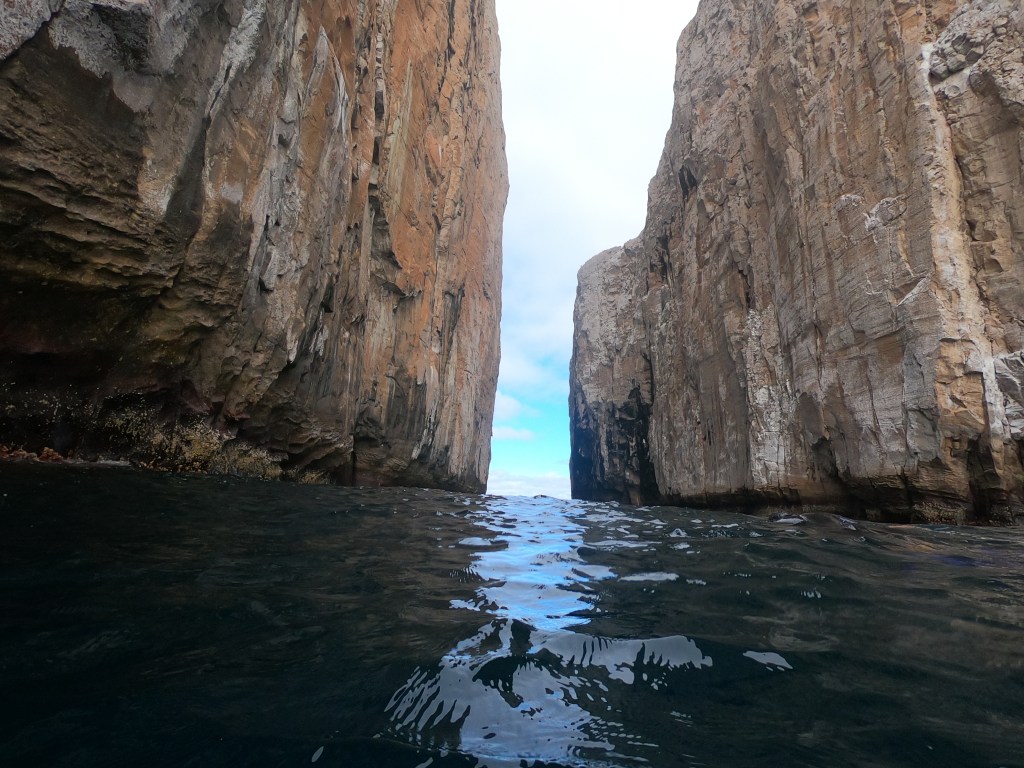
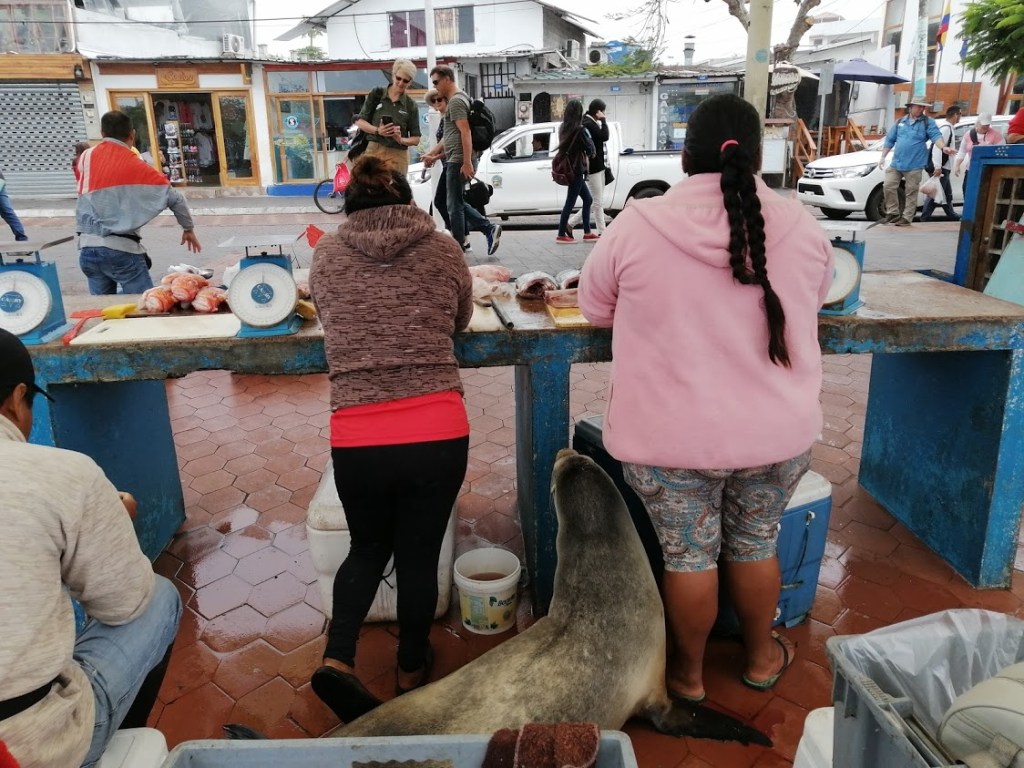
I then took a speedboat to Santa Cruz and visited the Charles Darwin Research center.
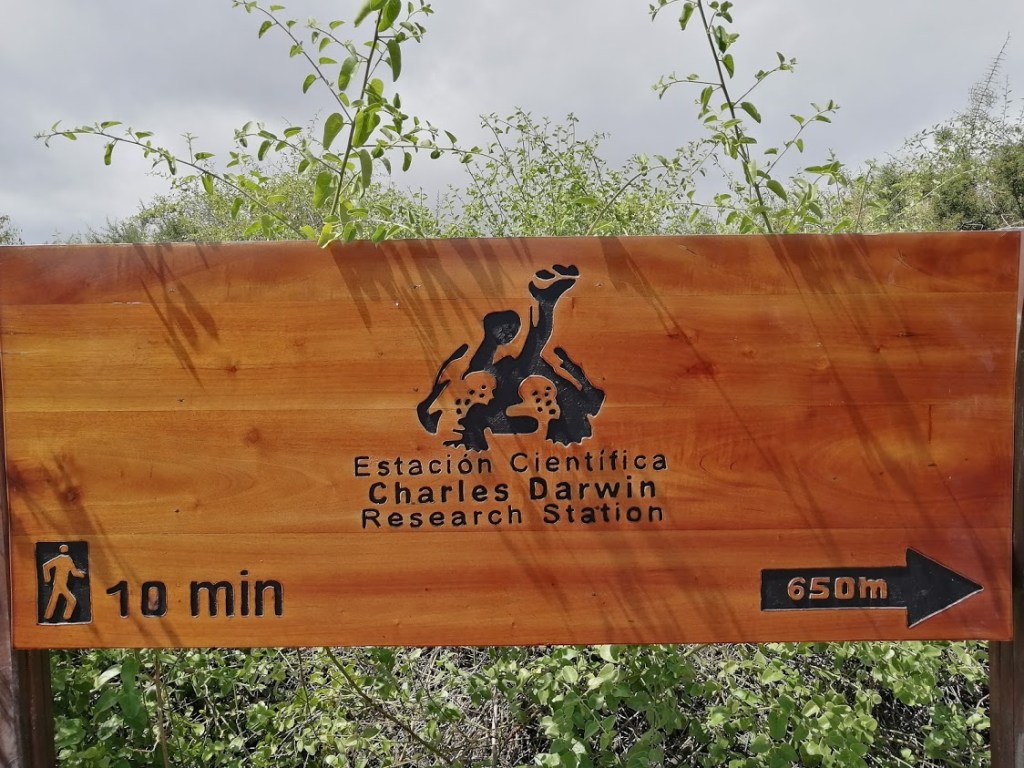
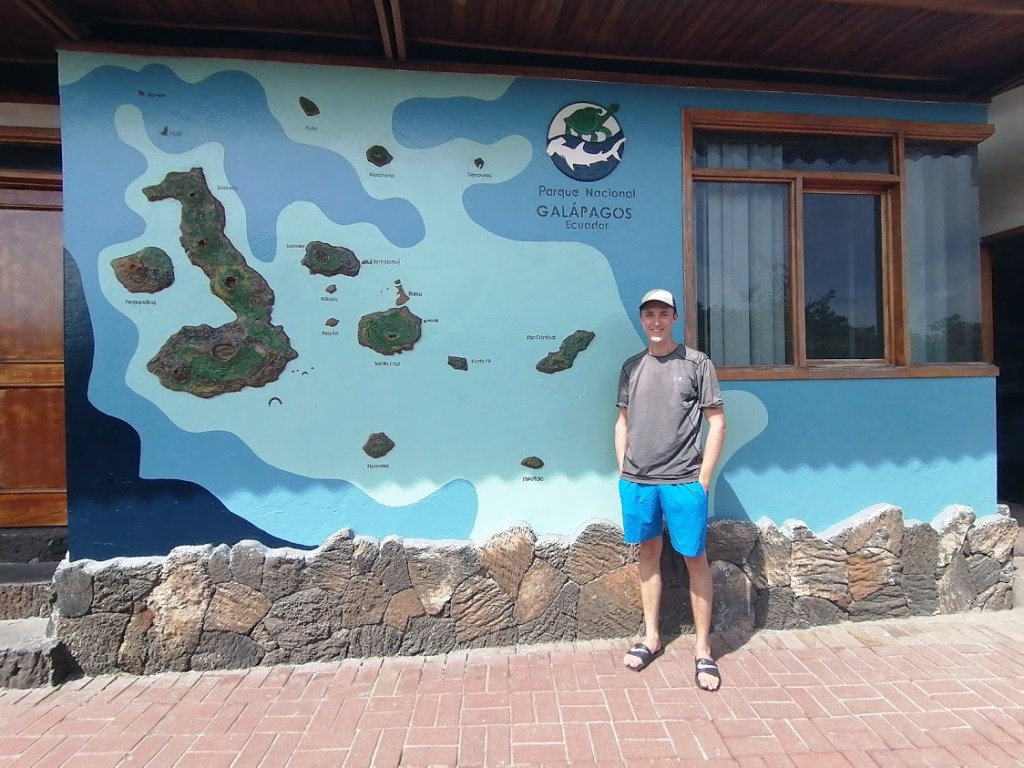
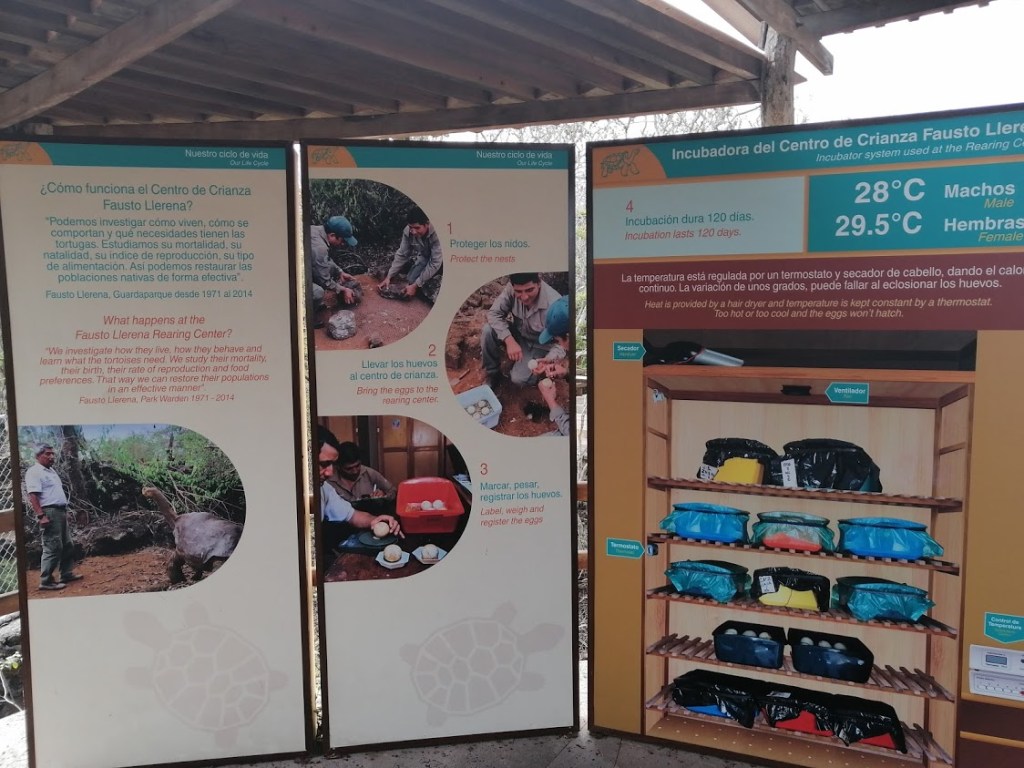
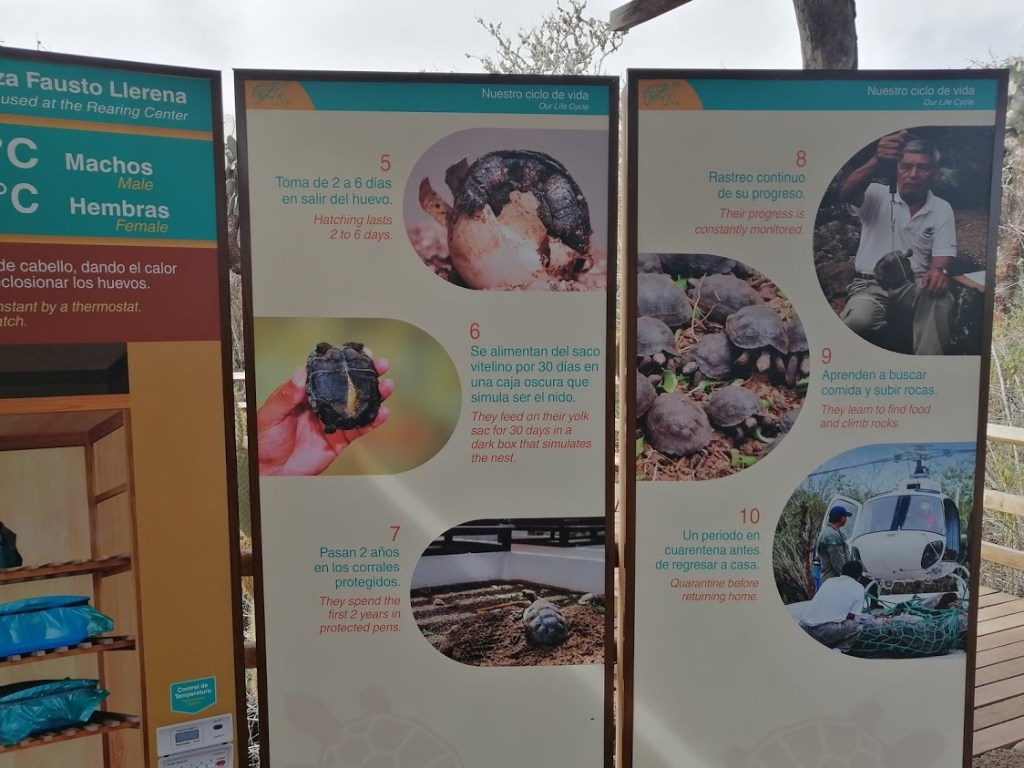
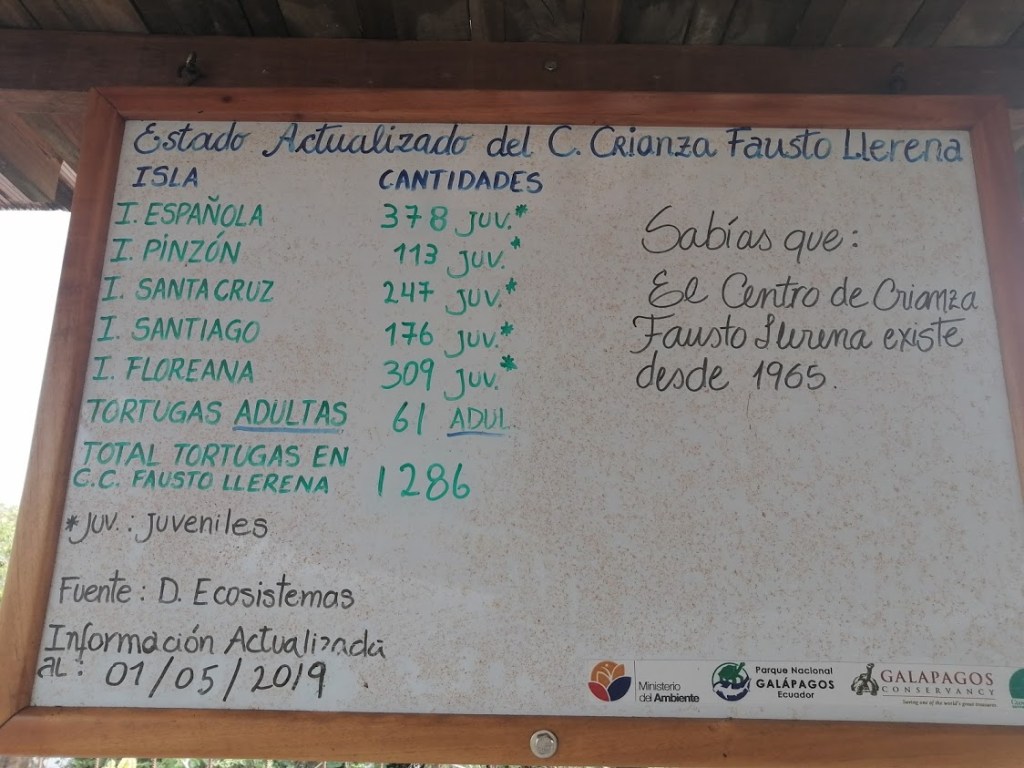
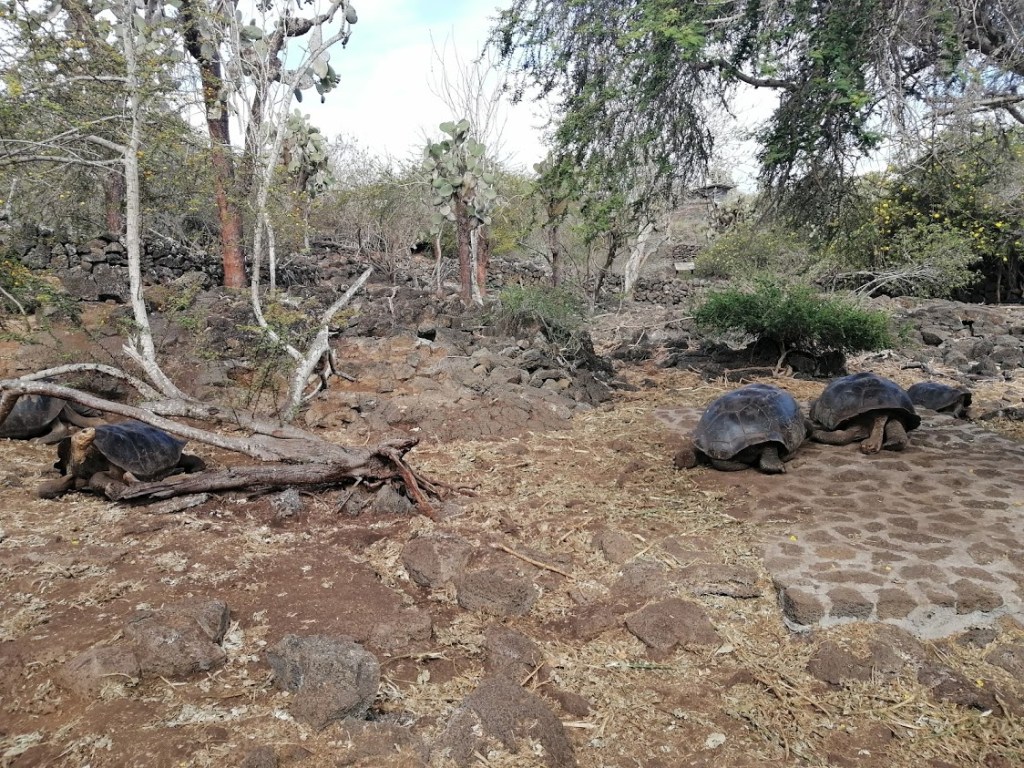
From 16 initial species of giant tortoise, 11 now survive. The giant tortoise population was hugely impacted by the arrival of man. Over 100,000 were taken and eaten by sailors, as they can survive up to a year without food or water – very convenient for keeping on their boats for long sails. The accidental introduction of black rats from the boats, and deliberate introduction of goats, donkeys, dogs and cats by settlers also had a huge impact. Goats outcompete the tortoises for food, donkeys trample nests and rats eat the eggs. Recently, there has been a lot of success in eradicating these invaders, although there is some way to go (particularly with the rats). Because of the huge impact to the tortoise populations, caused by man, the research center is one of 3 breeding centers created to boost the populations. The tortoises are in the “kindergarten” until they are 23cm long, as at this length they are too big for galapagos hawks to take. When they are 4-5 they will have a period of quarantine in an artificially “wild” area before being introduced to the wild. Some of course stay and are used for breeding. At one point there was only 2 males from espanola islands species, and 12 females. Now there is well over 2000 – of course genetic diversity is a problem. The conservation plan is to eradicate the rats, recuperate the flora and reintroduce tortoises. They are the “Natural engineers” of the galapagos, and are key to the ecosystem by dispersing seeds. Species with saddle backs and long necks evolved on flat dry islands where they have to reach up for food, dome shaped shells are from islands with highlands and more water. Lonesome george was the last tortoise of his species, from pinta island. An unsuccesful worldwide search was made to try and find a female (there are around 600 giant tortoises around the world, from the years when people would take them as pets before the national park was formed in 1959). Lonesome george died in 2012, and his species went extinct. His body is at the research center (taxidermied).
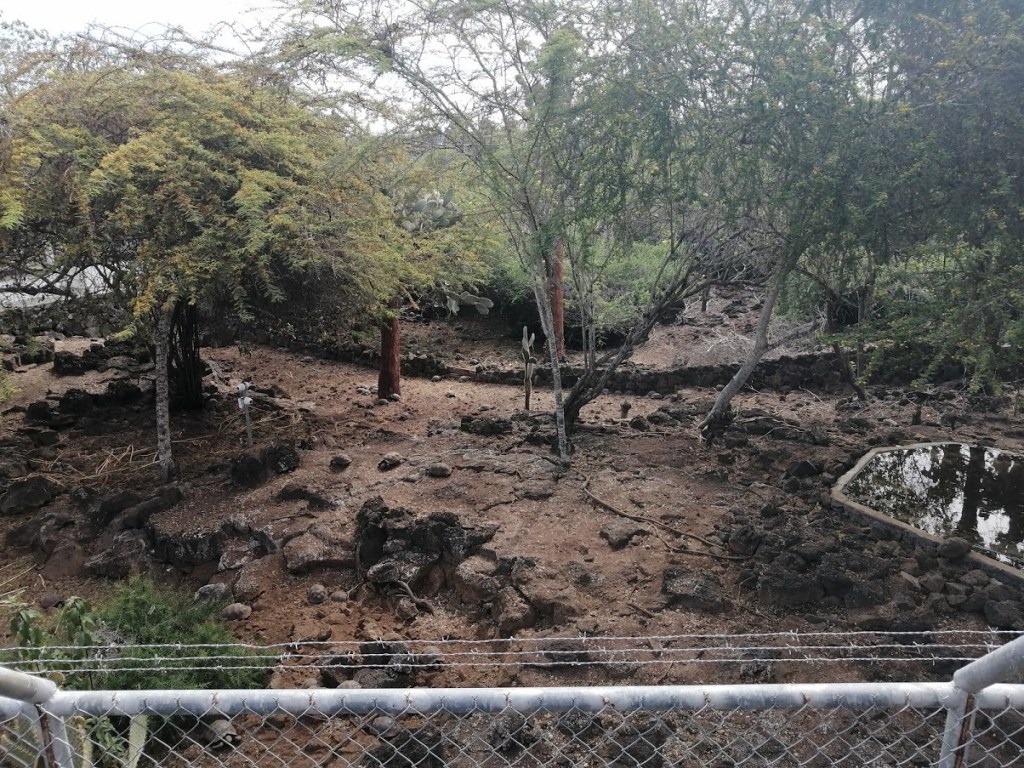
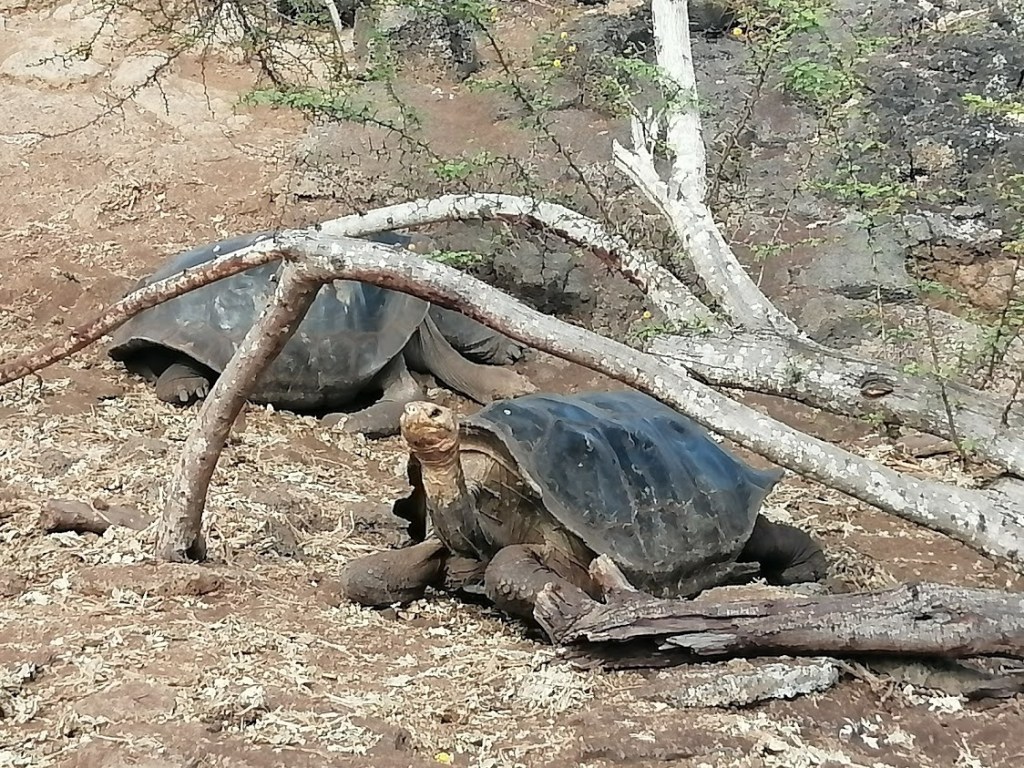
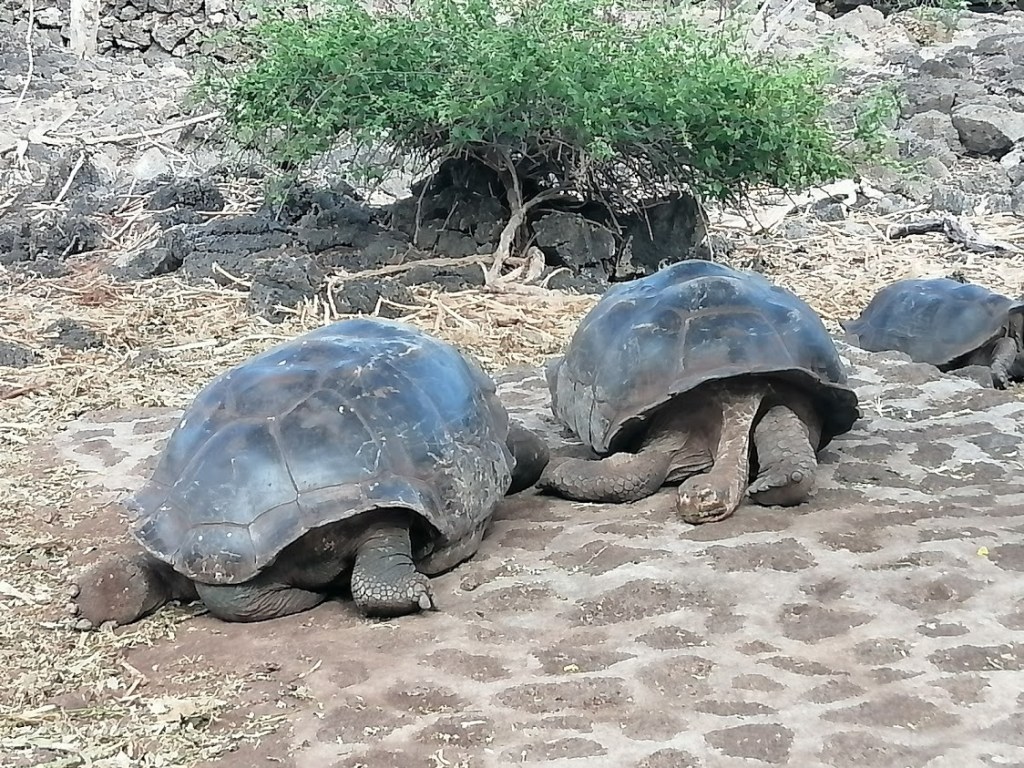
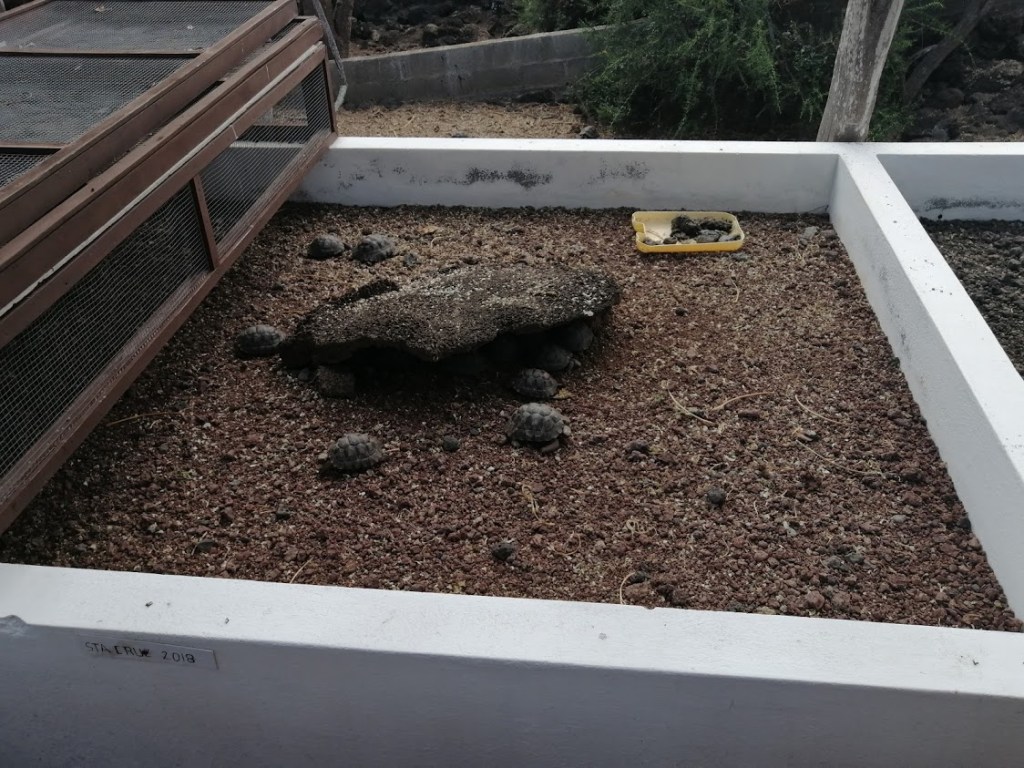
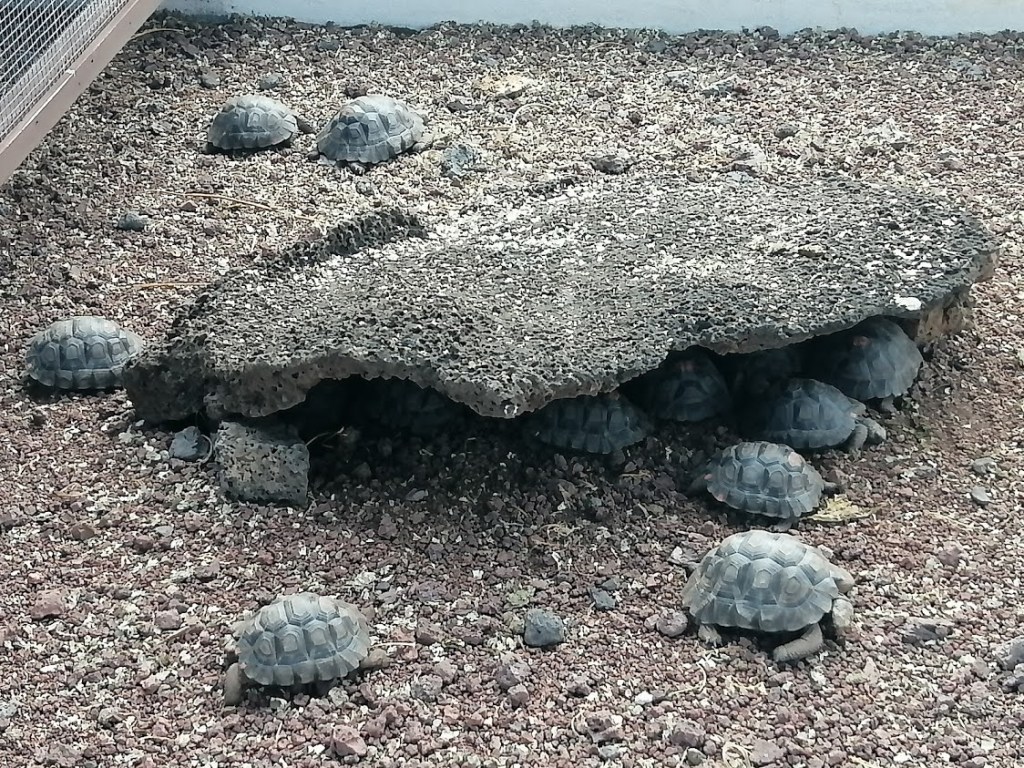
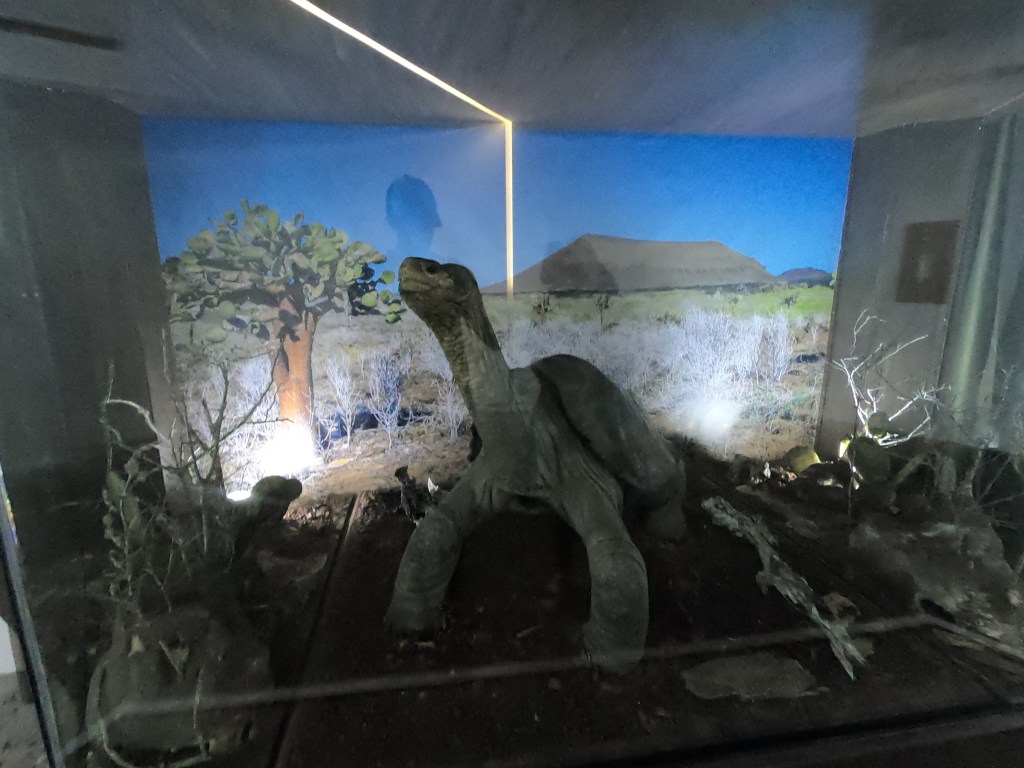
Lonesome george
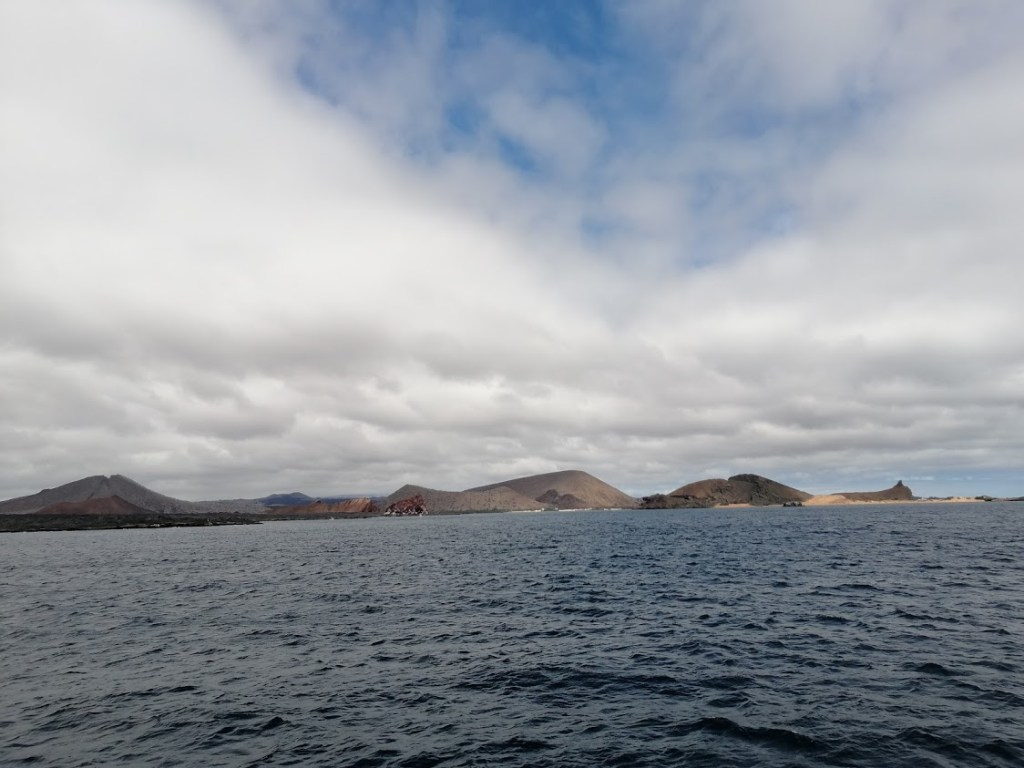
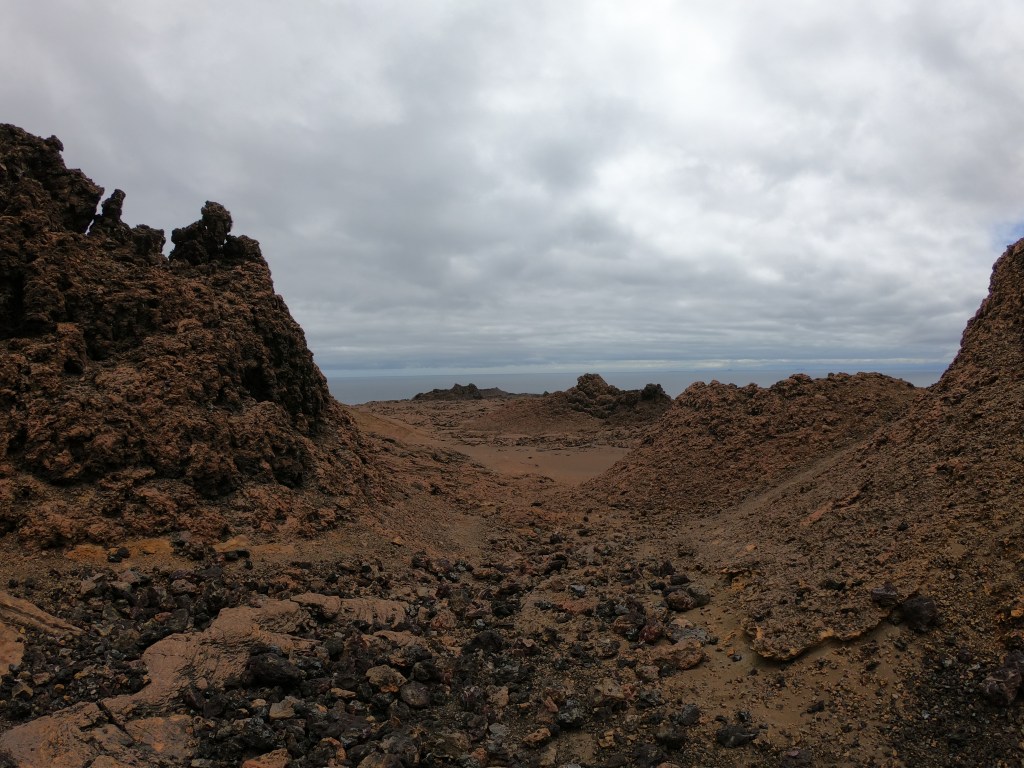
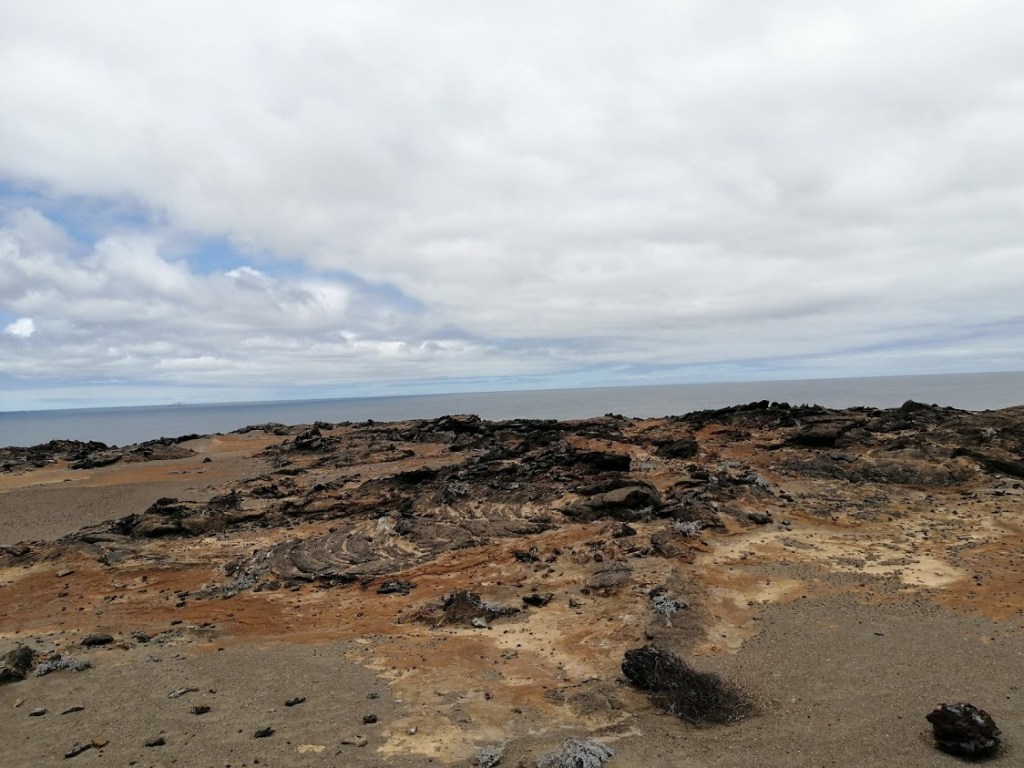
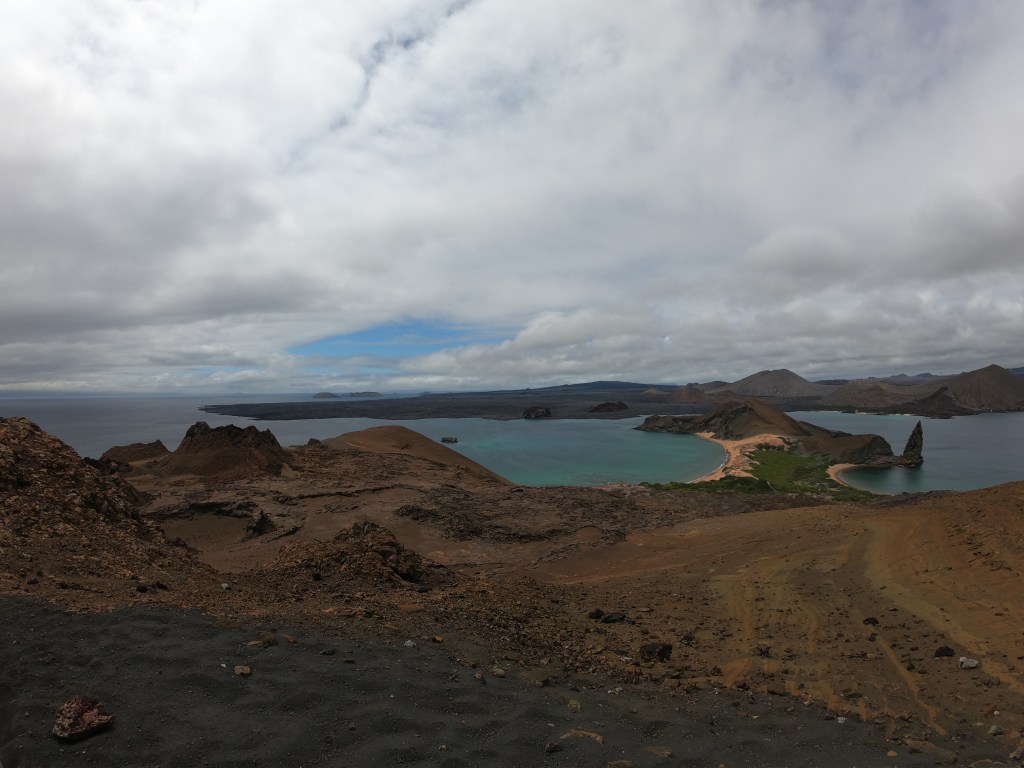
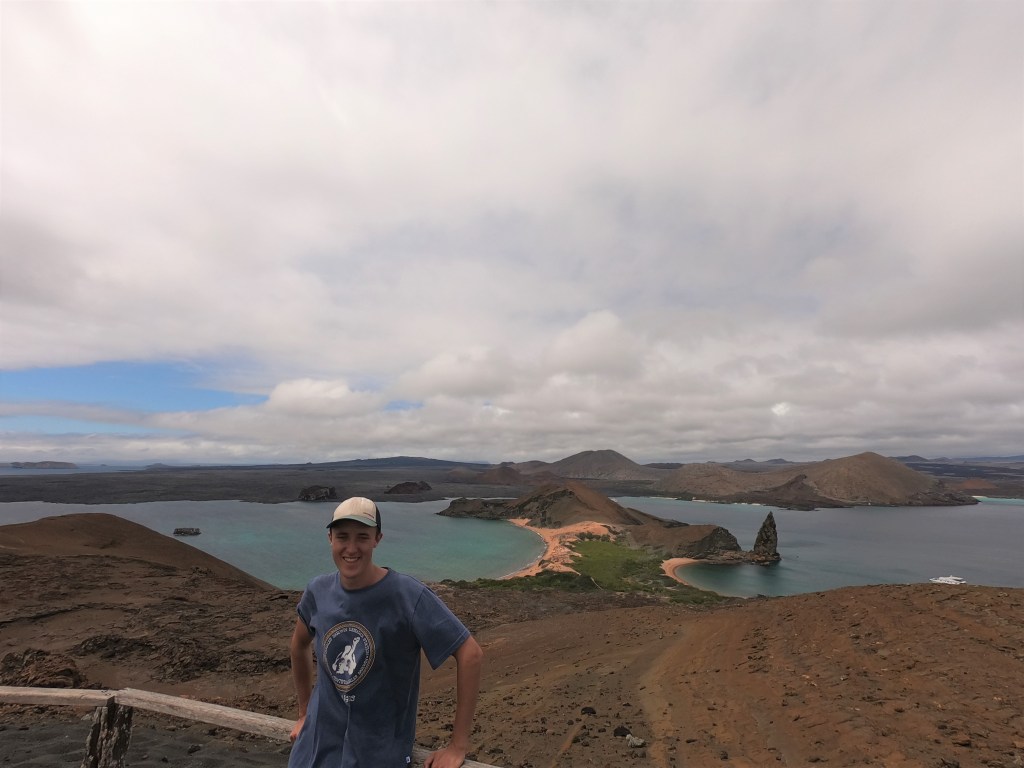
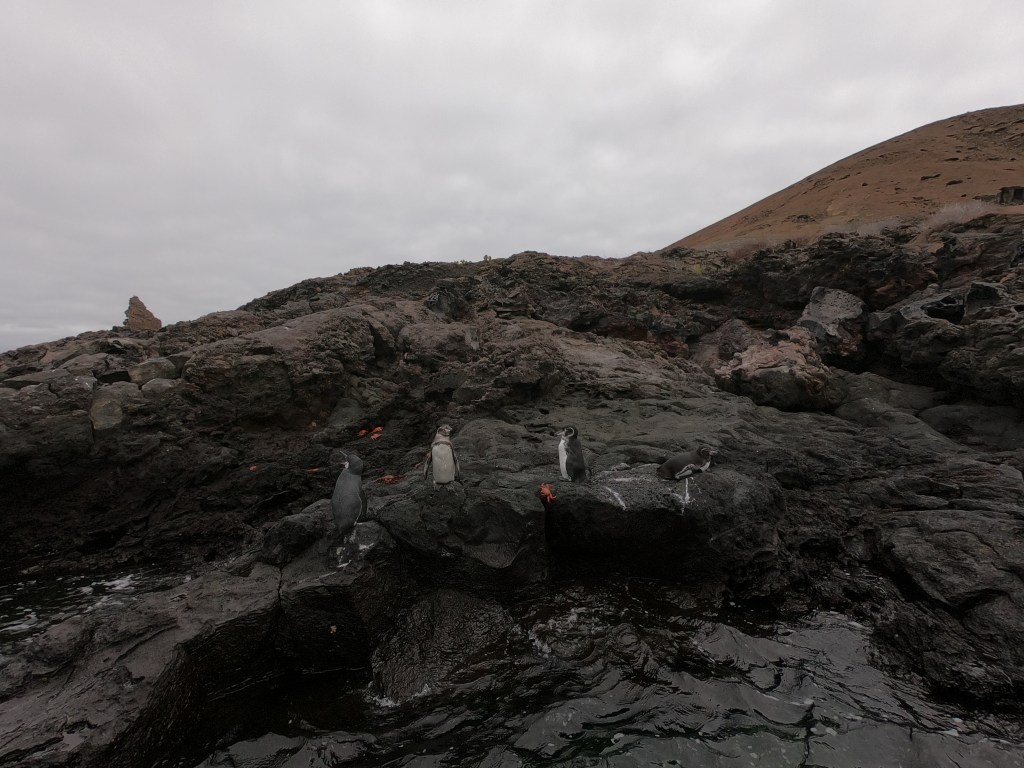
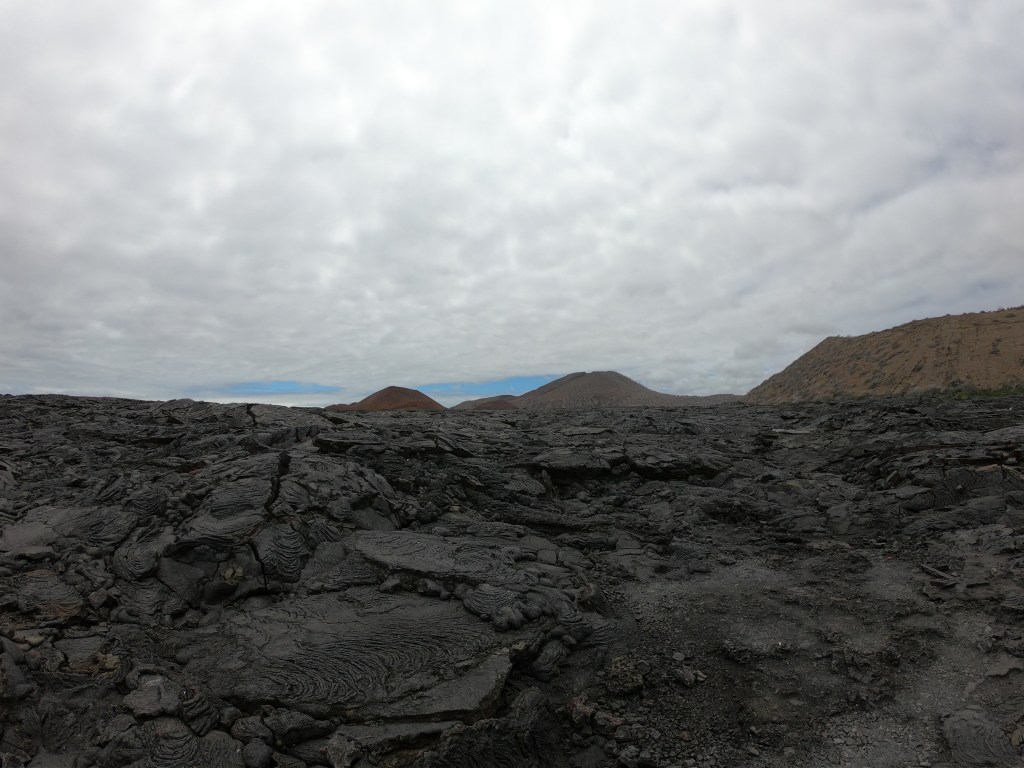
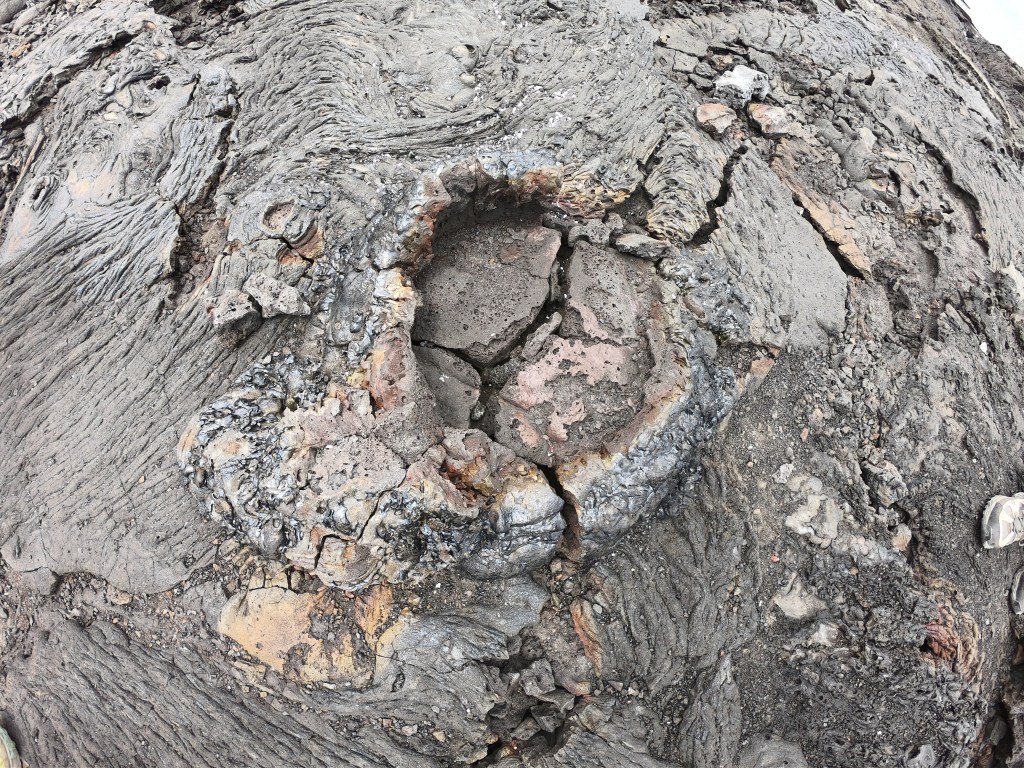
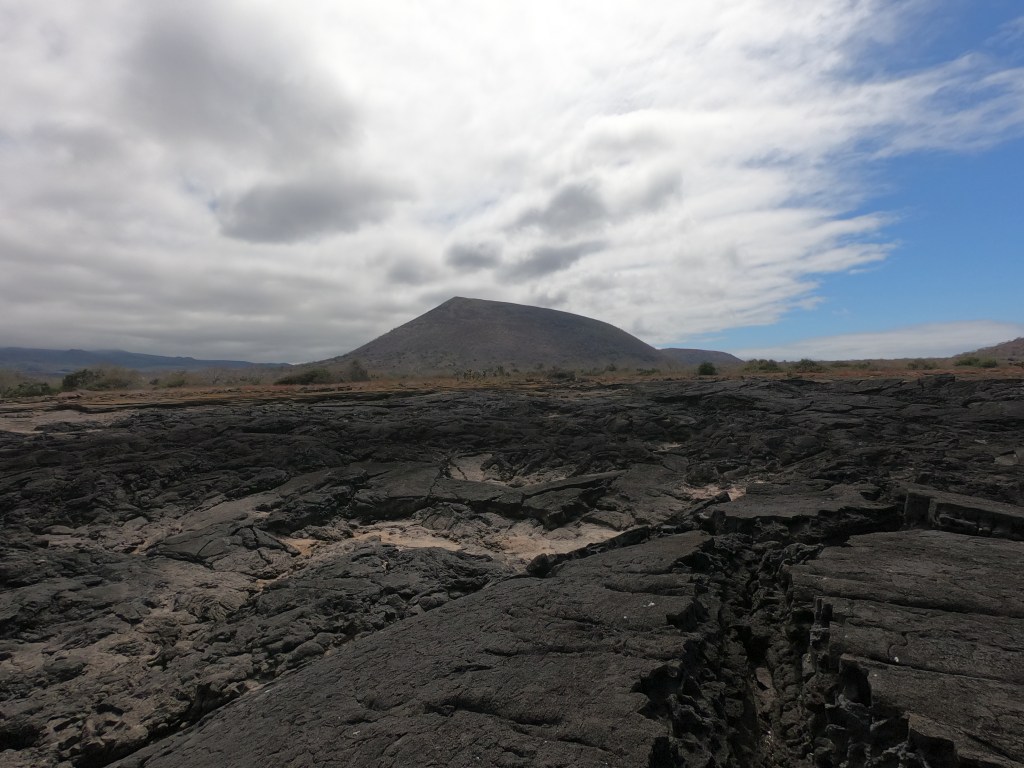
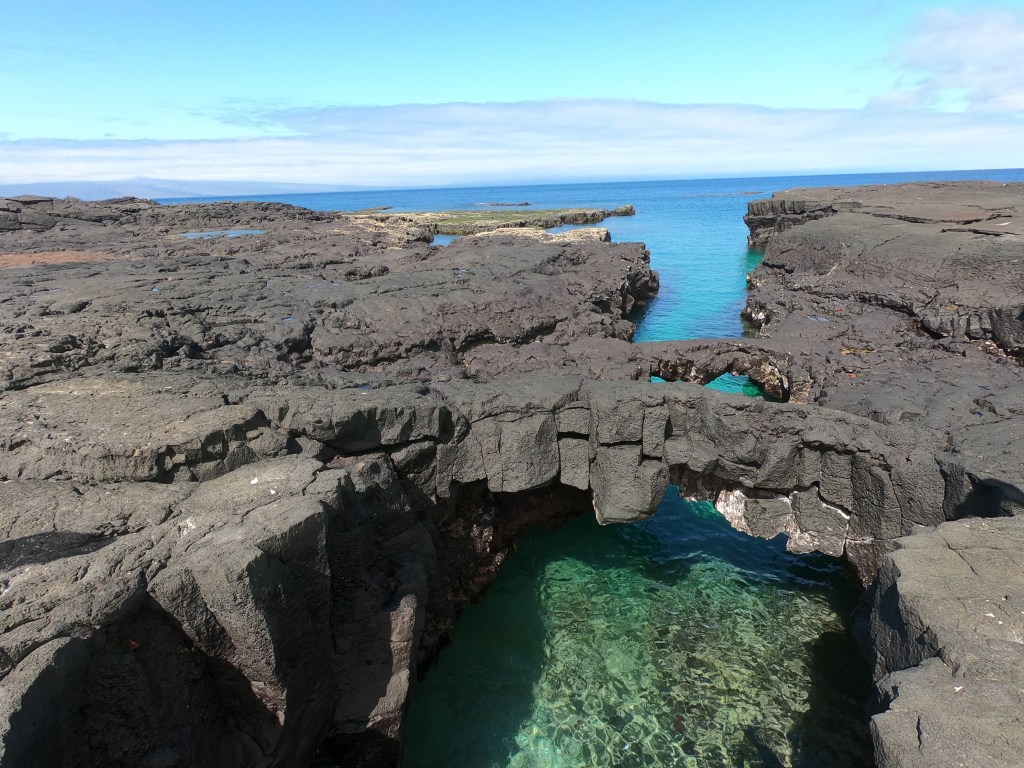
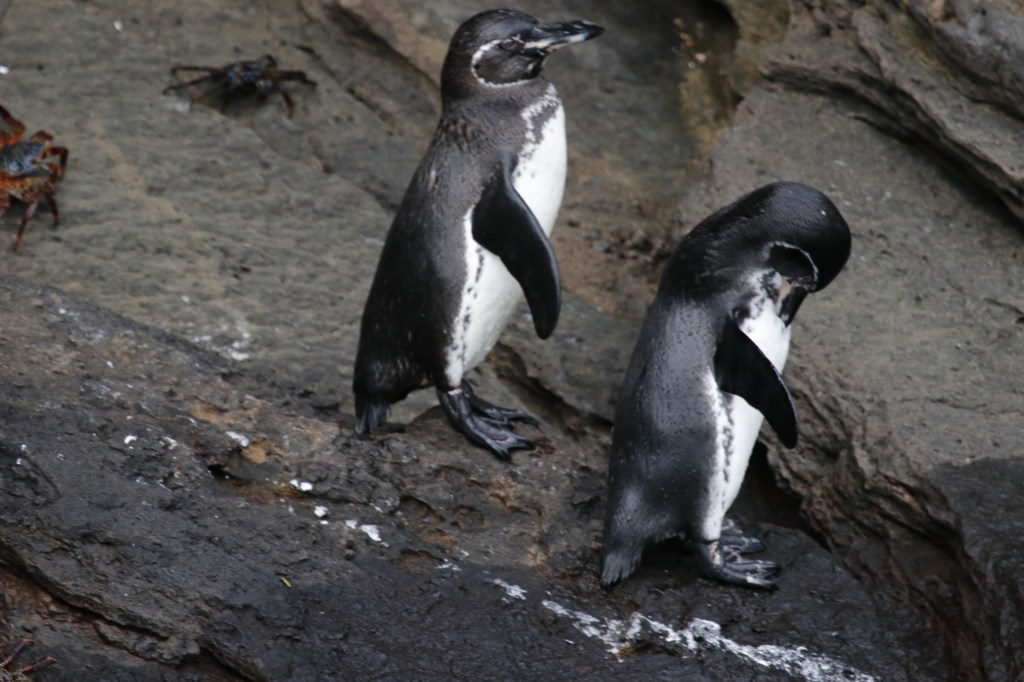
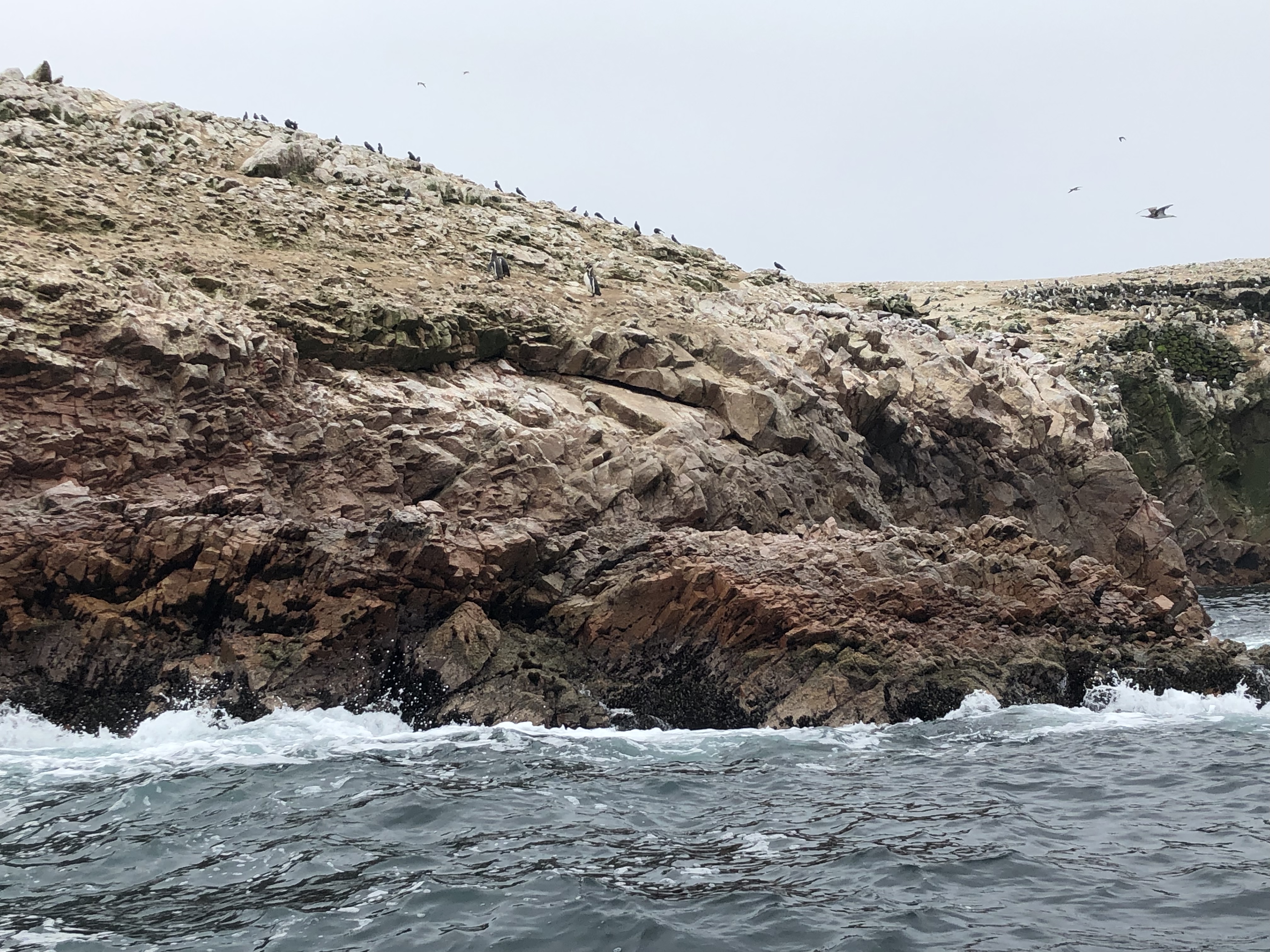
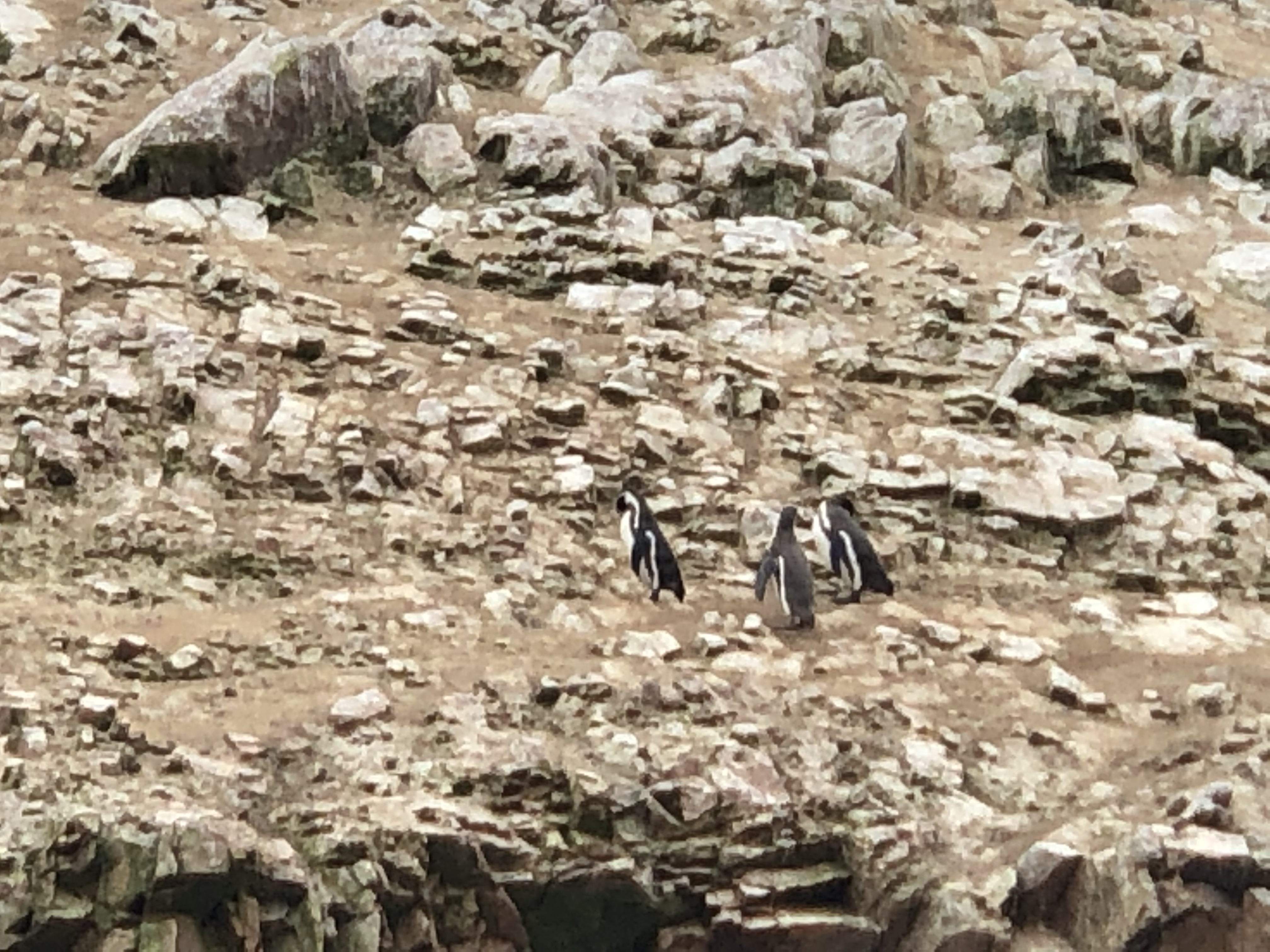
The next day I went to Bartolome, a small island next to Santiago. It is more famous for its geology than its wildlife. It is also apparently in the film “Master and Commander” which i have been told to watch (downloading it as i write this). We saw 9 of the 46 penguins that live on the islands coast, and walked across the lava fields. The brown lava is older, and the black lava is younger. The second photo in the below gallery is a spot that was used to imitate mars in photos in magazines etc. We learned a lot about the different types of lava flows and their formations. In the evening i saw many young black tipped reef sharks from the dock at Puerto Ayora.
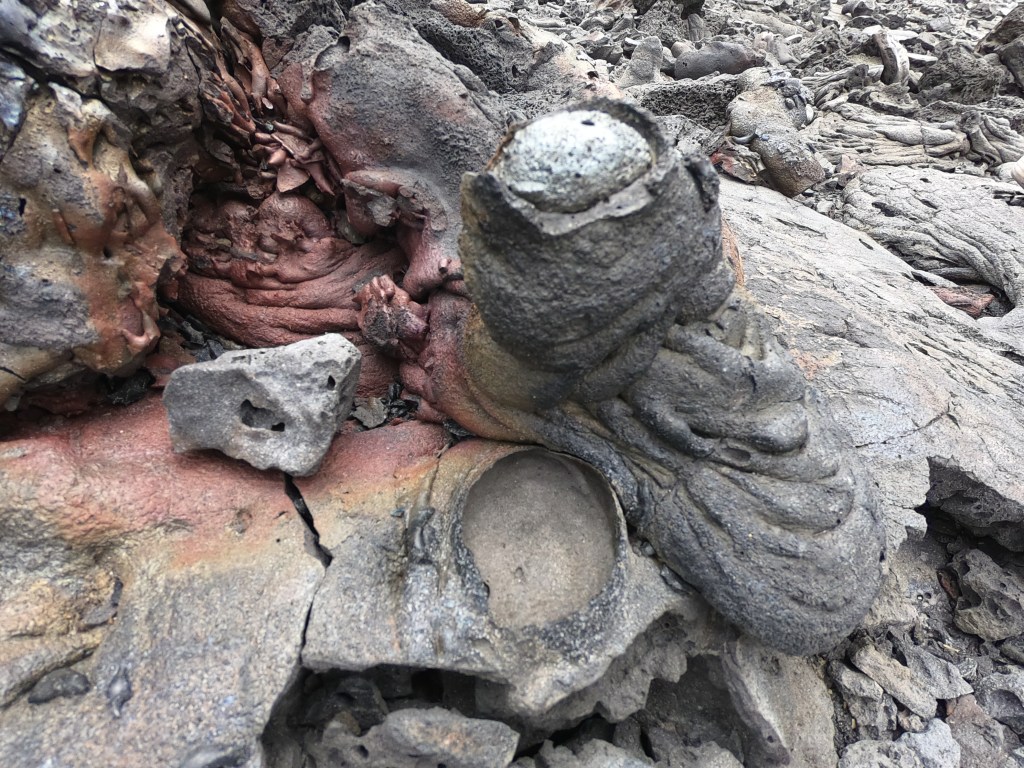
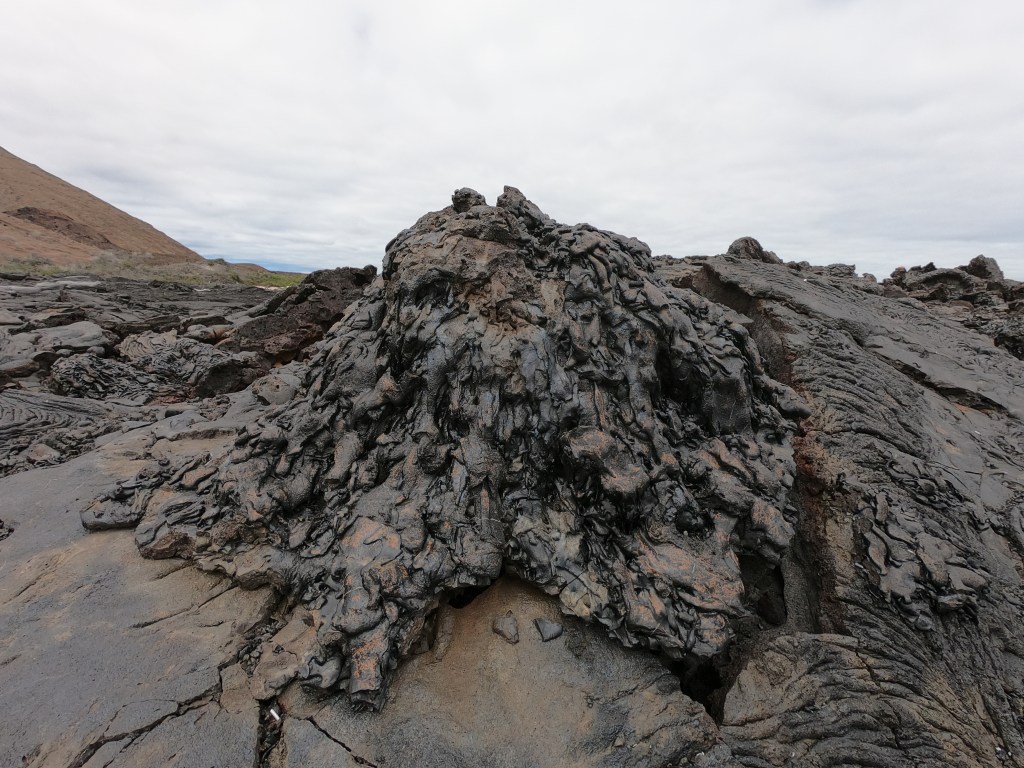
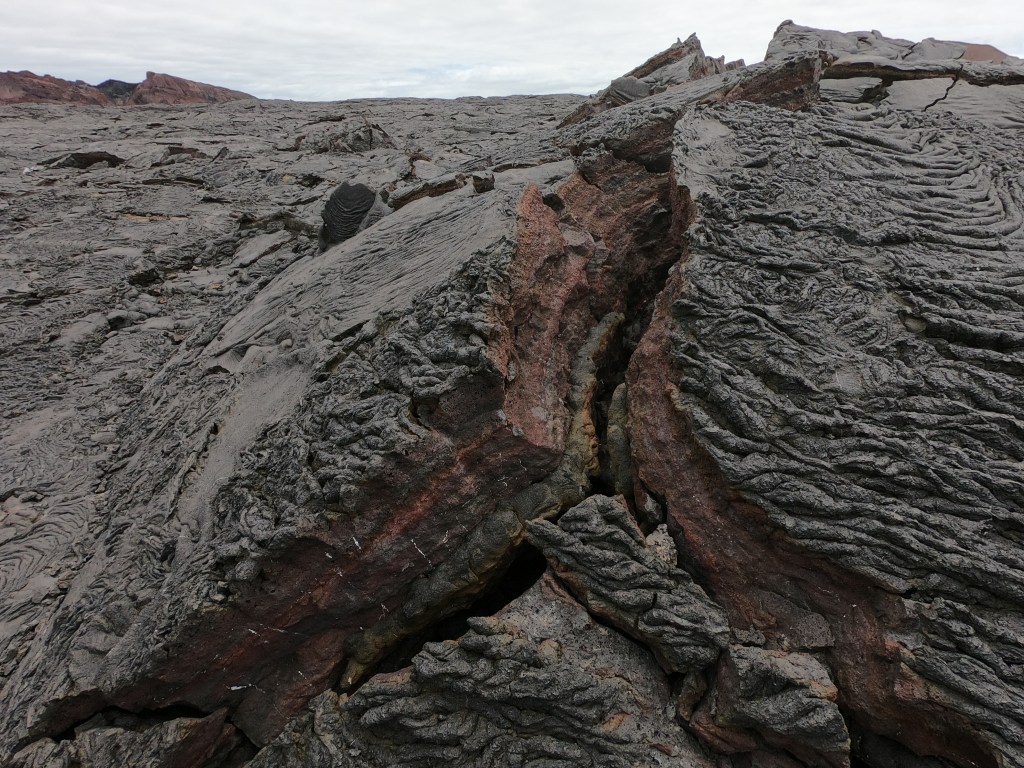
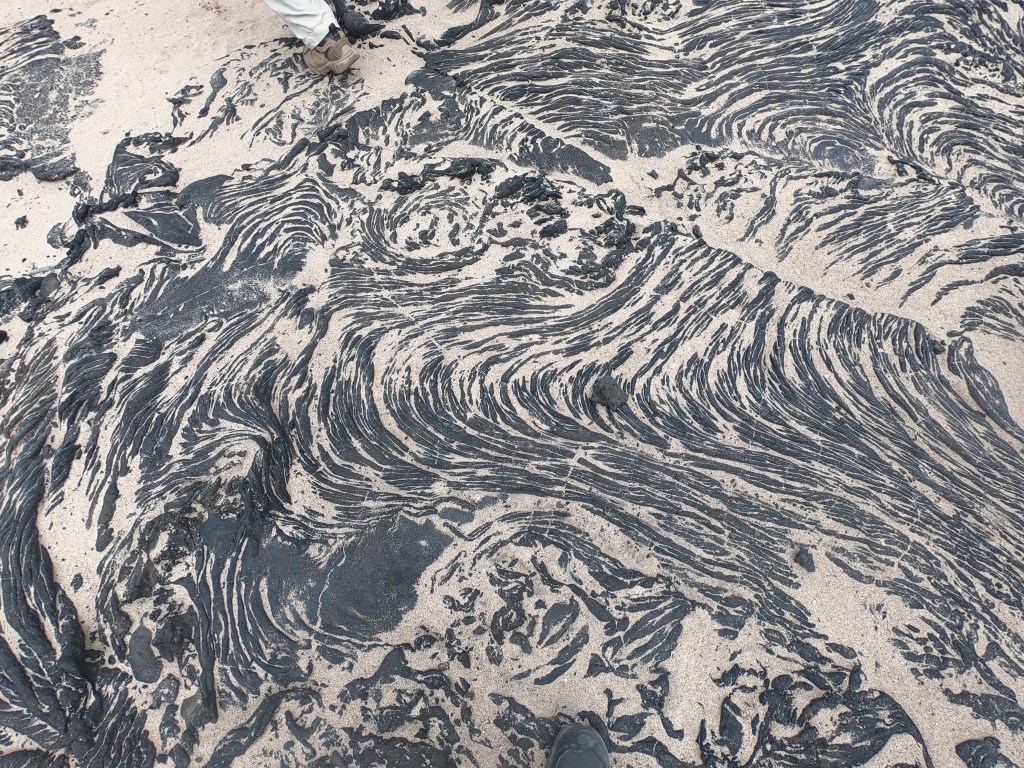
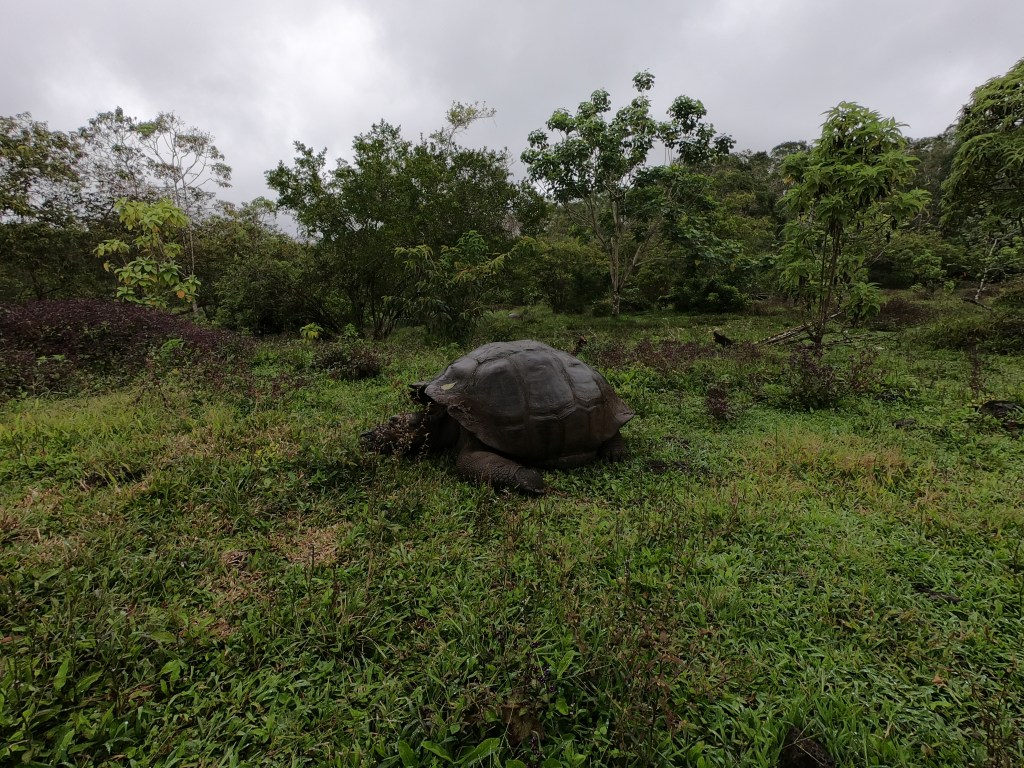
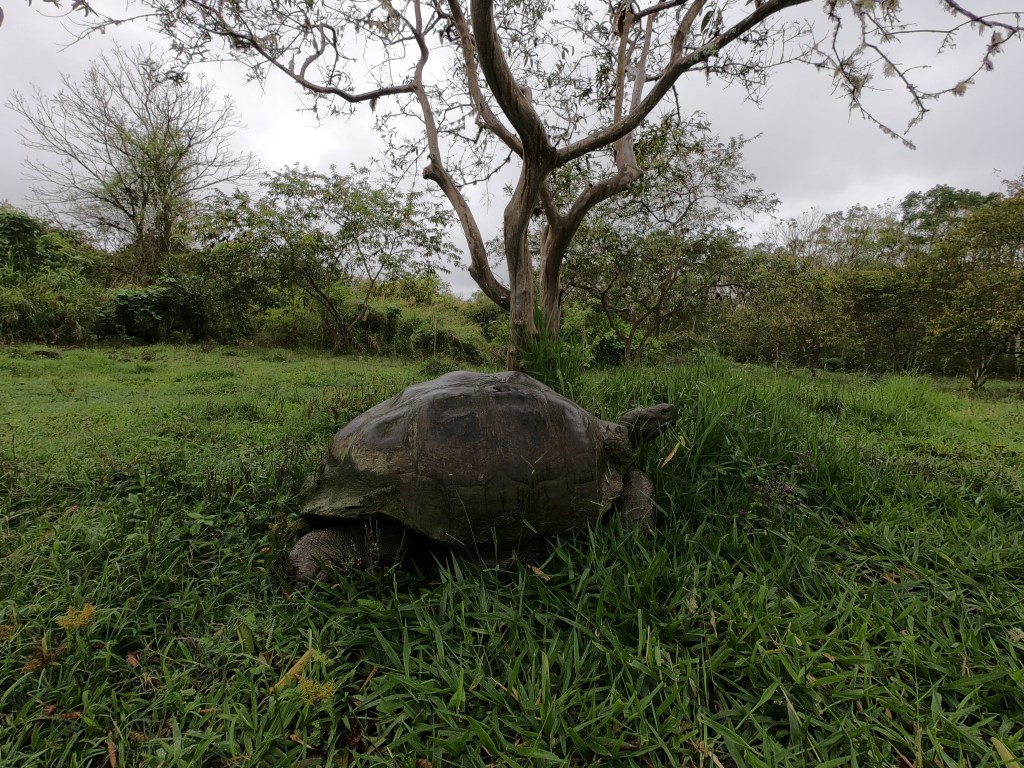
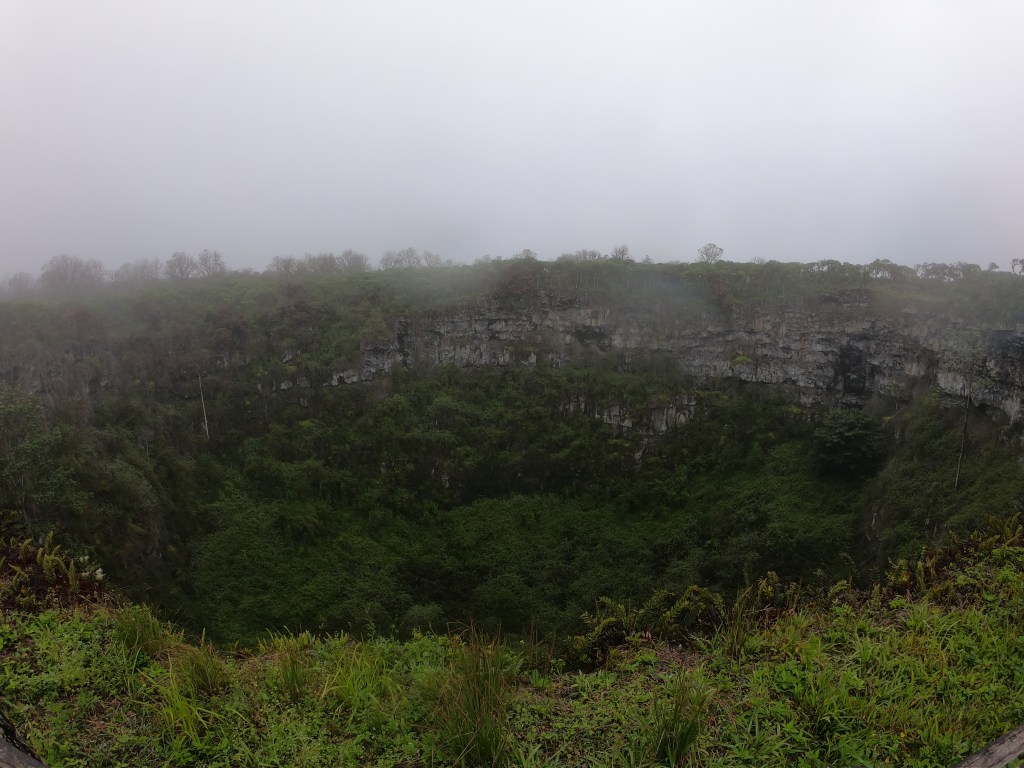
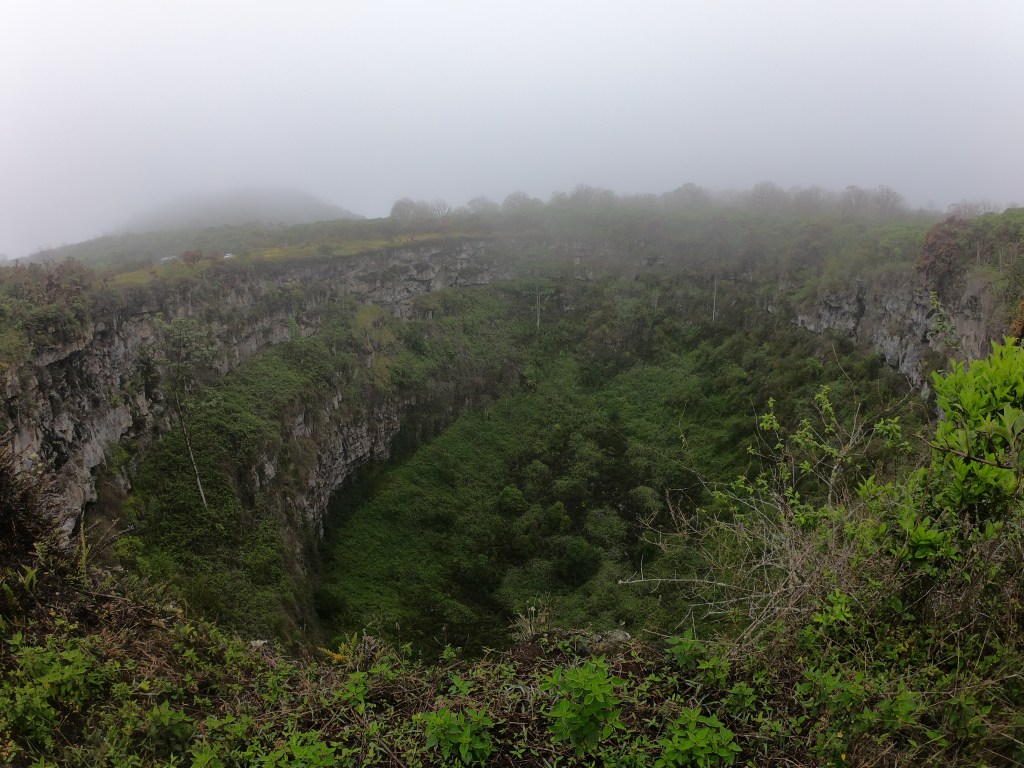
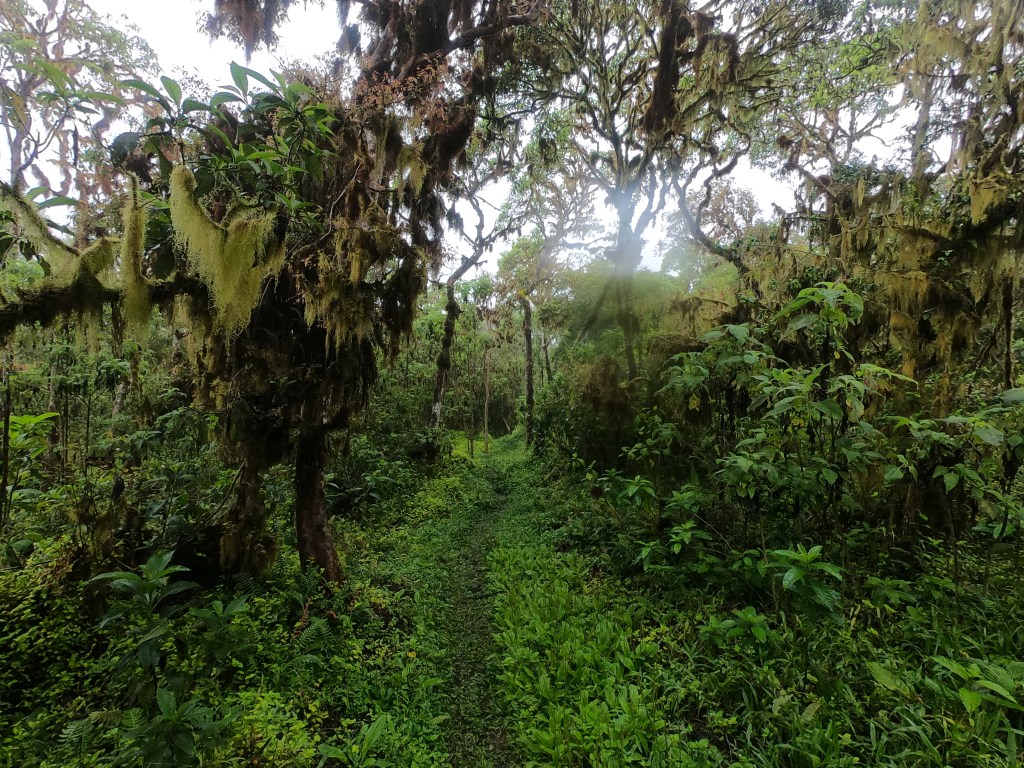
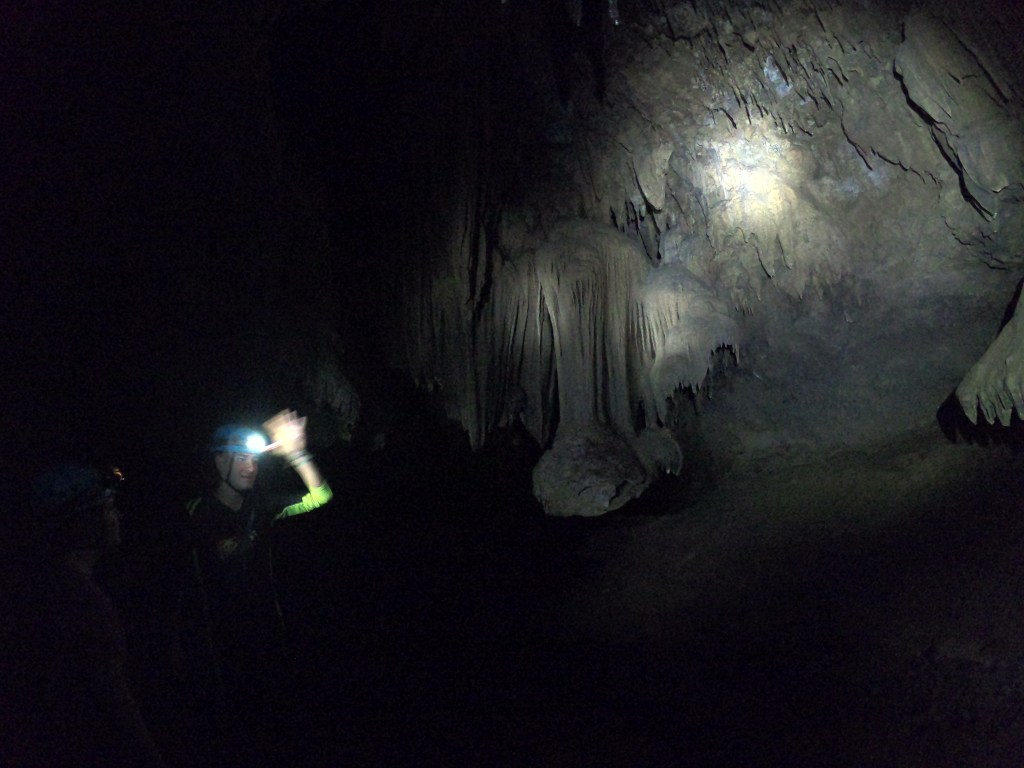
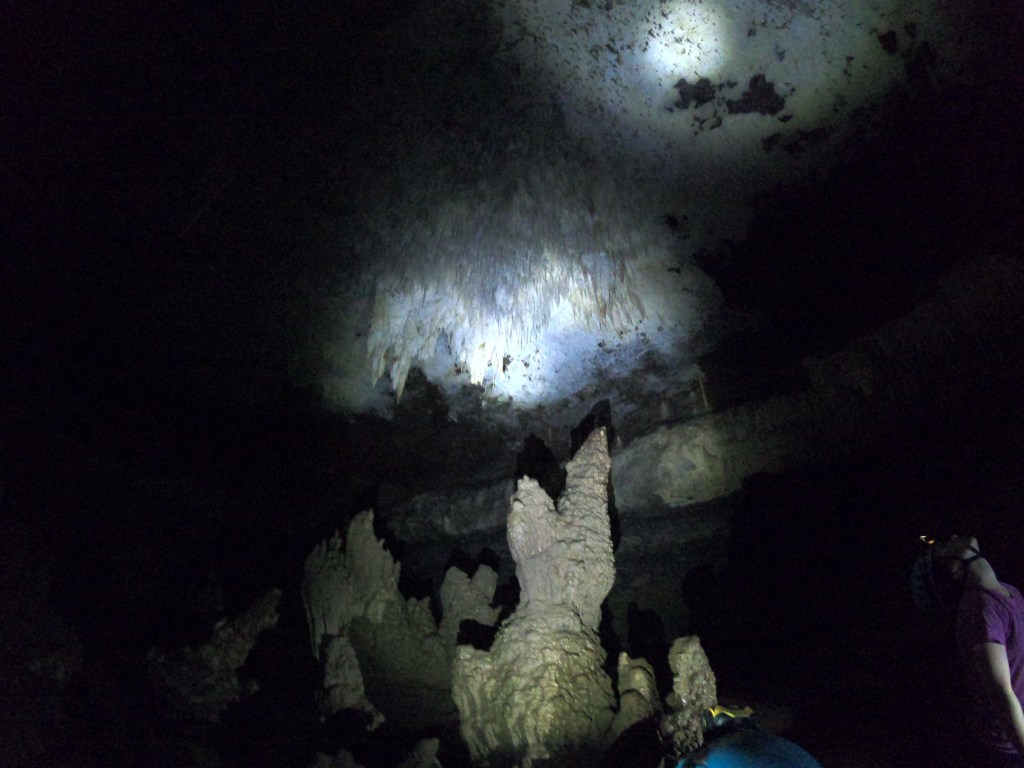
The next day, i visited el chato tortoise reserve in the highlands, and walked through the lava tunnels. There are lava tunnels all over the galapagos. They are formed when the crust surrounding a lava flow solidifies, and after a flow stops, the last lava of the flow continues moving, leaving a tunnel behind it. I also saw Los Gemelos (the twins). These are two calderas, formed from the ground collapsing into the empty space left below, when lava solidified and contracted. Most of the trees in the area around los gemelos, remarkably, evolved from dandelions.
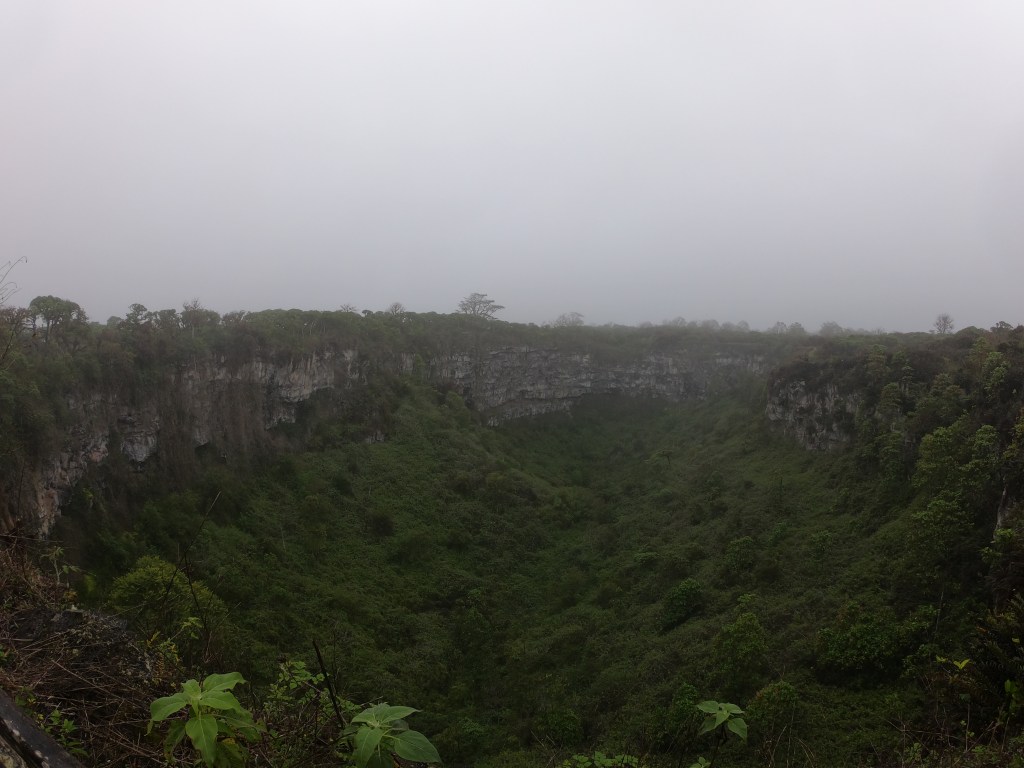
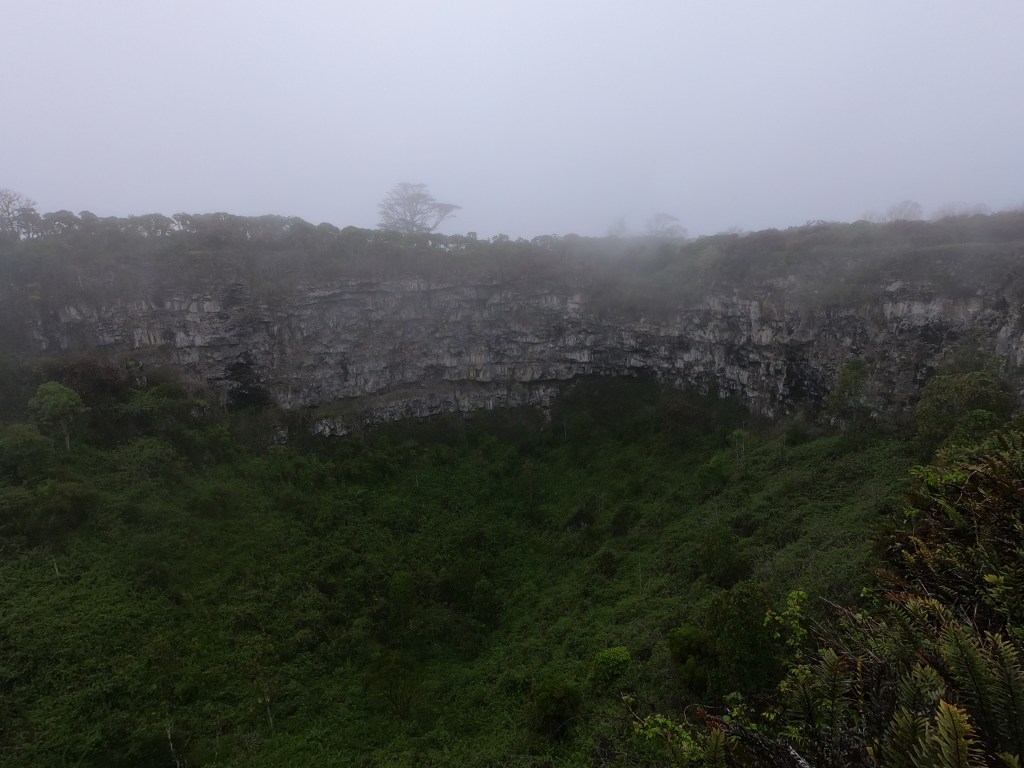
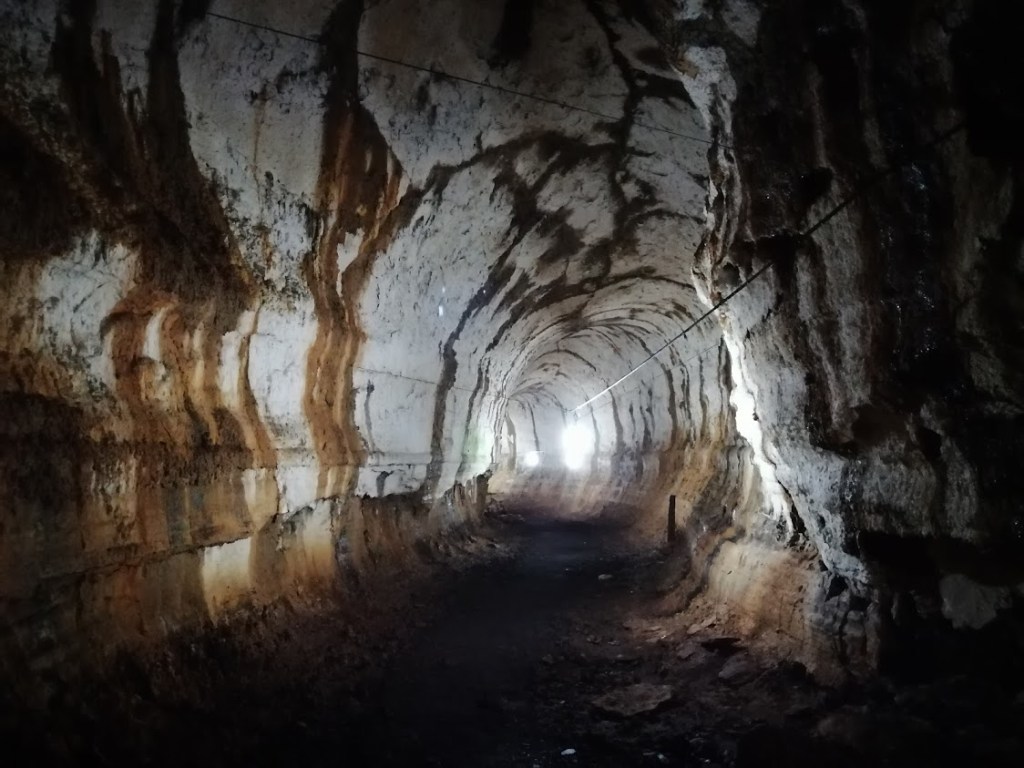
Lava Tunnel
I then had a quick snorkel at Las Grietas. There wasn’t many fish, but it was interesting swimming between the cliffs.
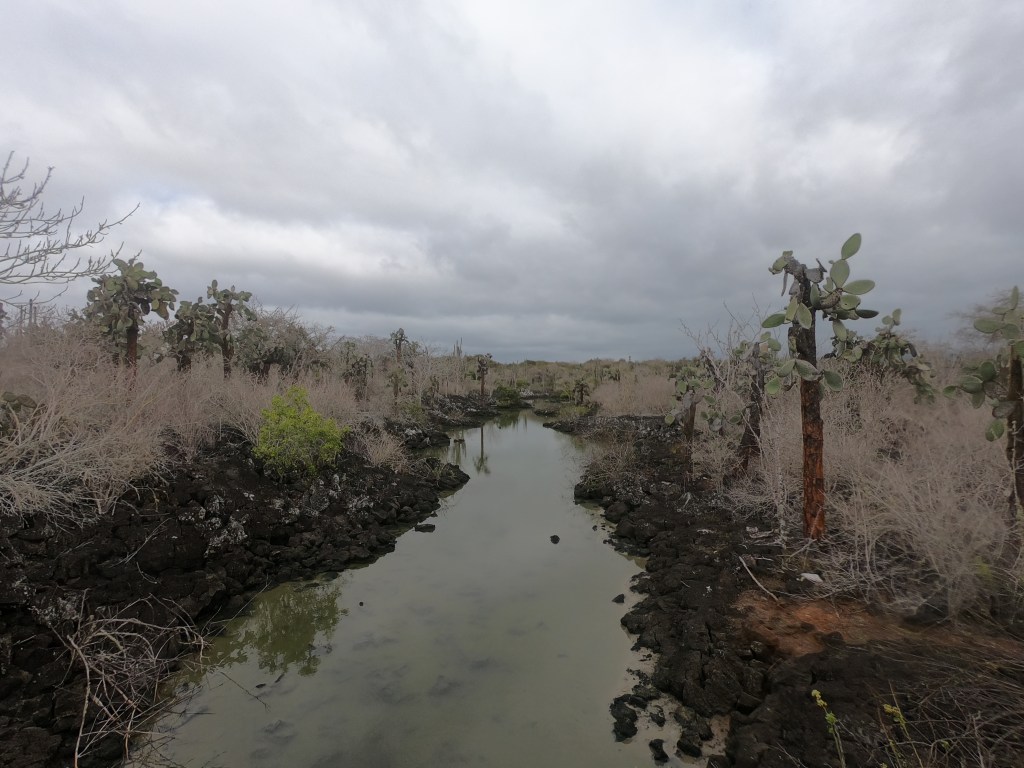
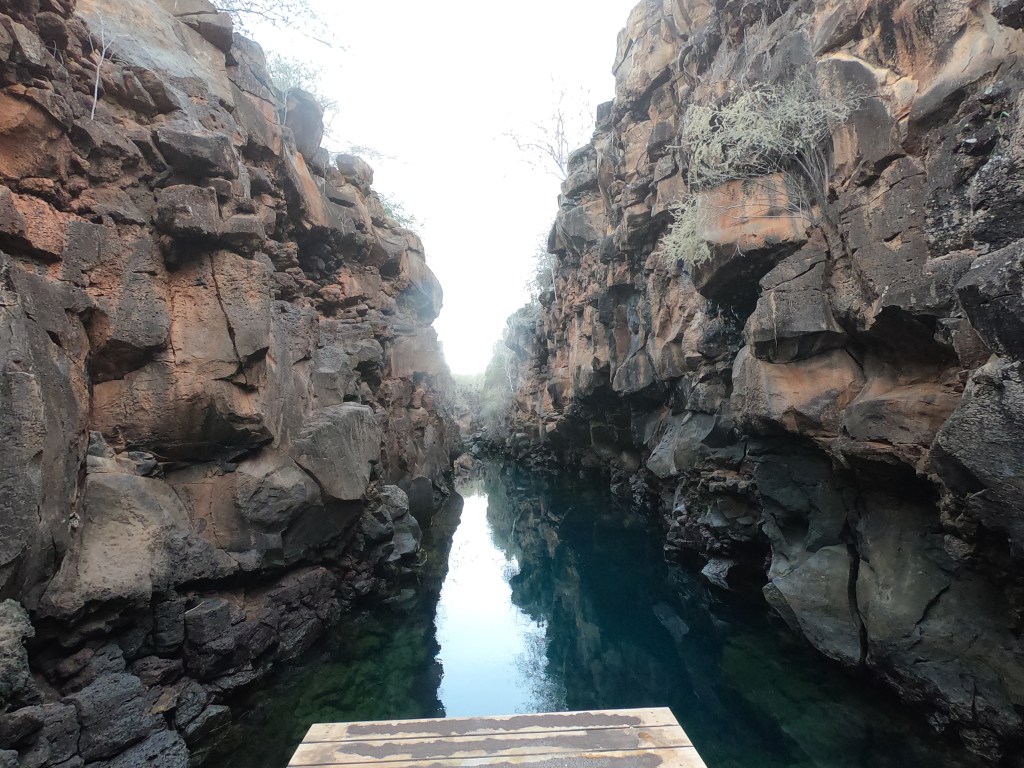
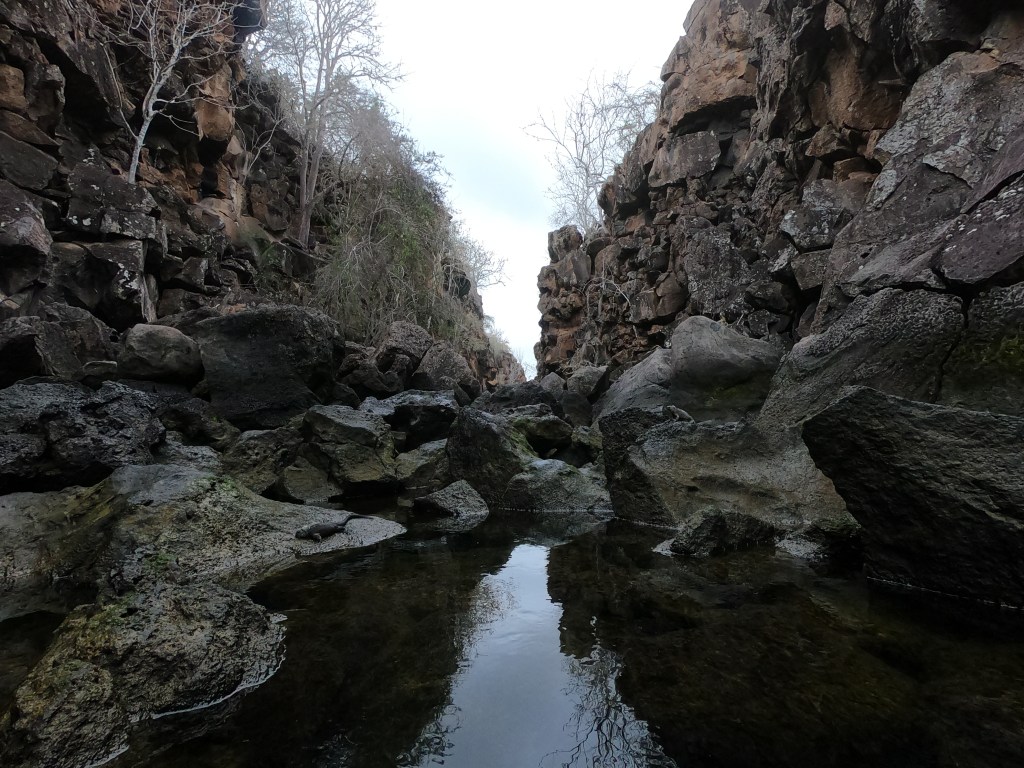
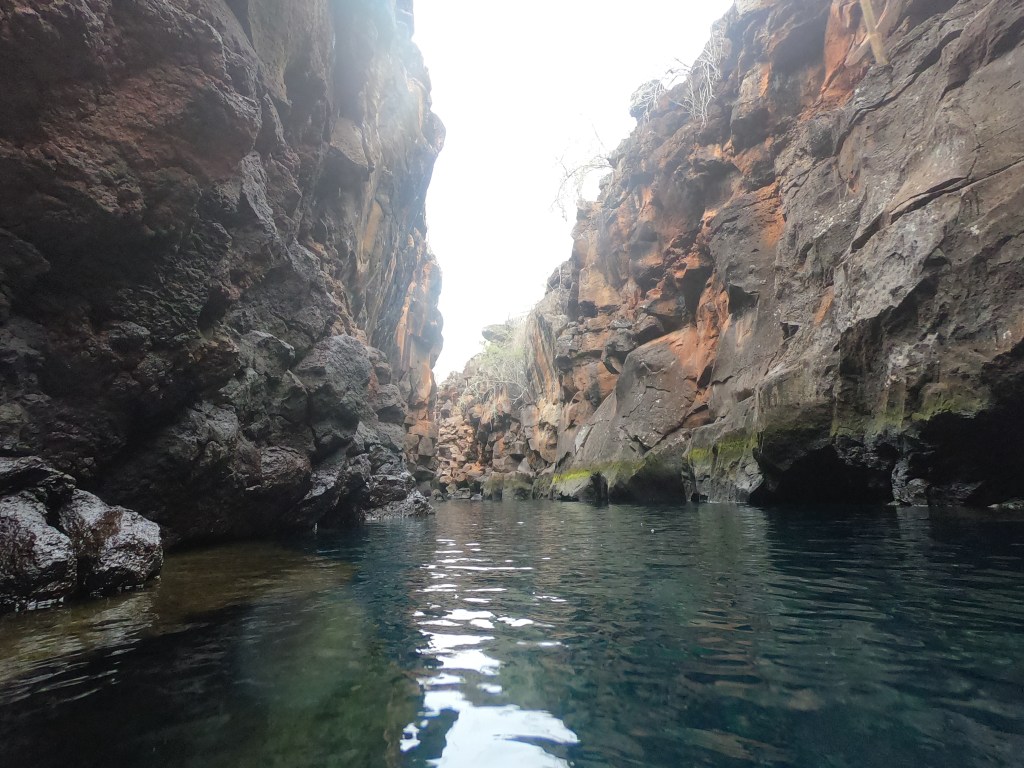
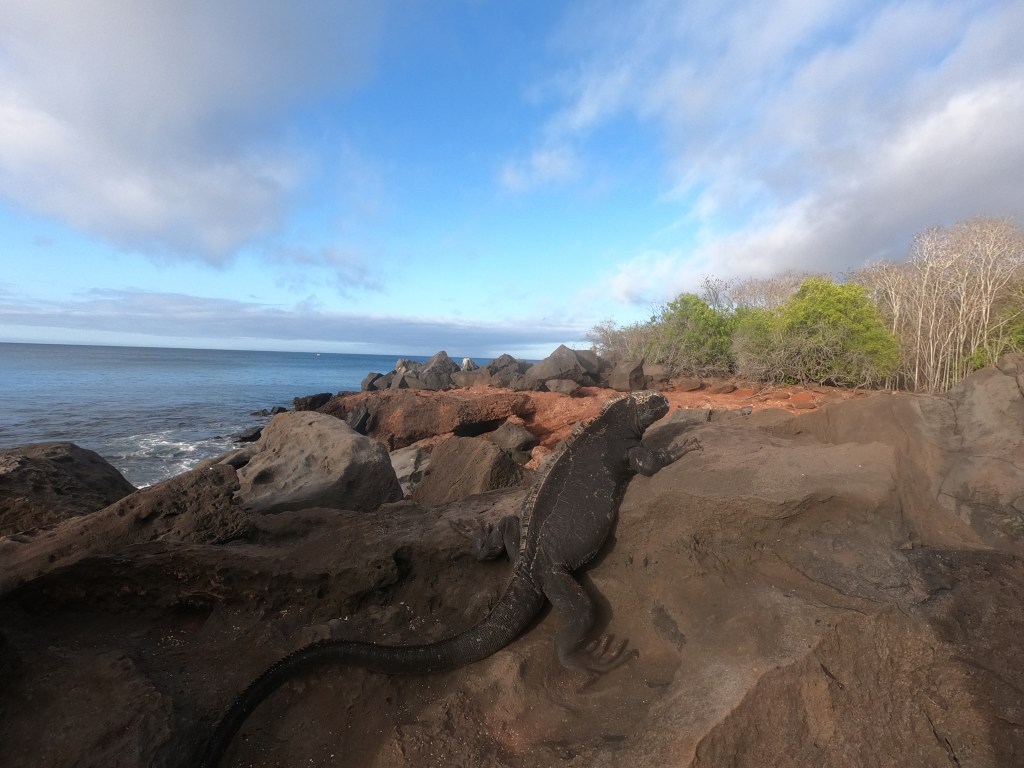
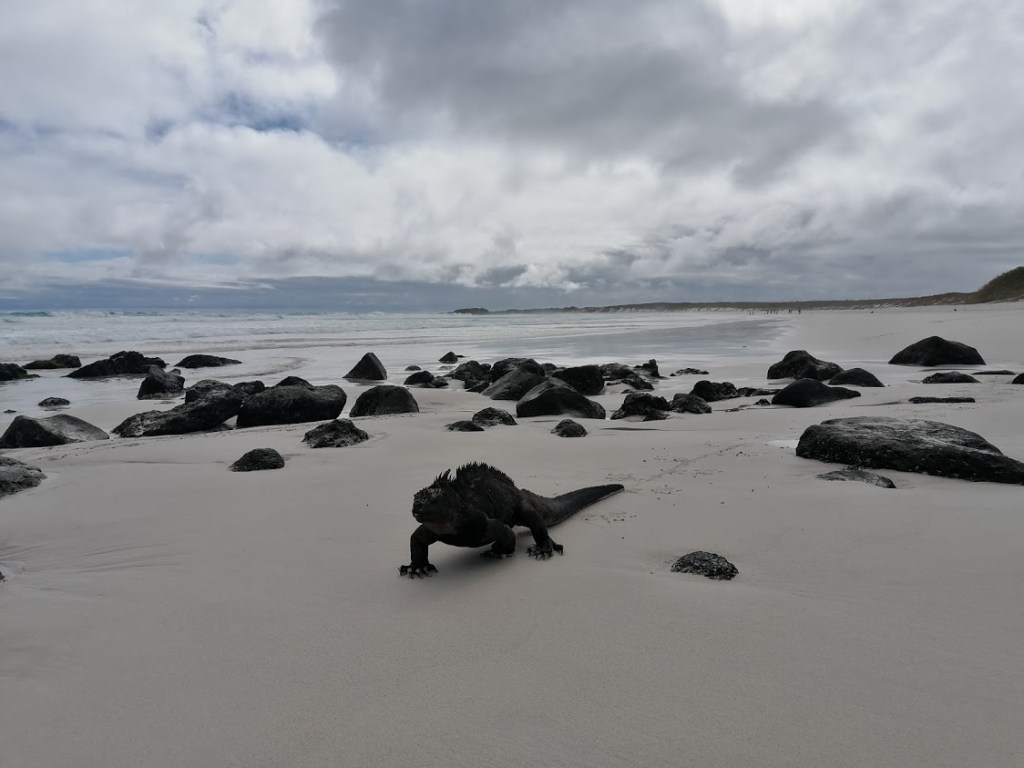
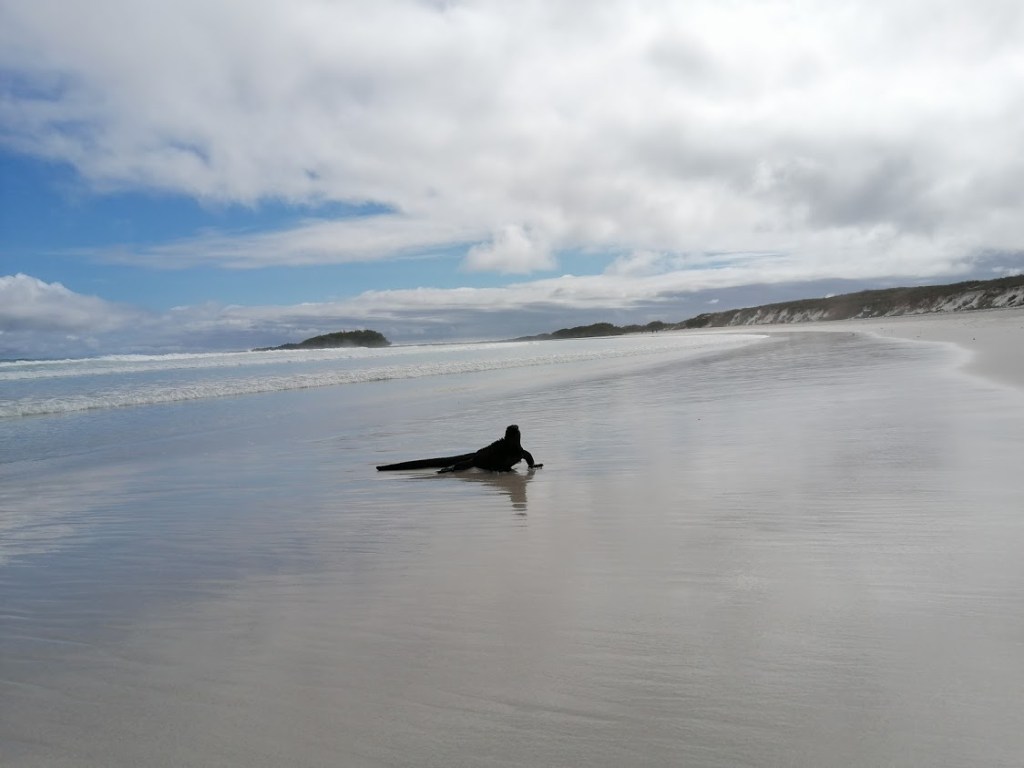
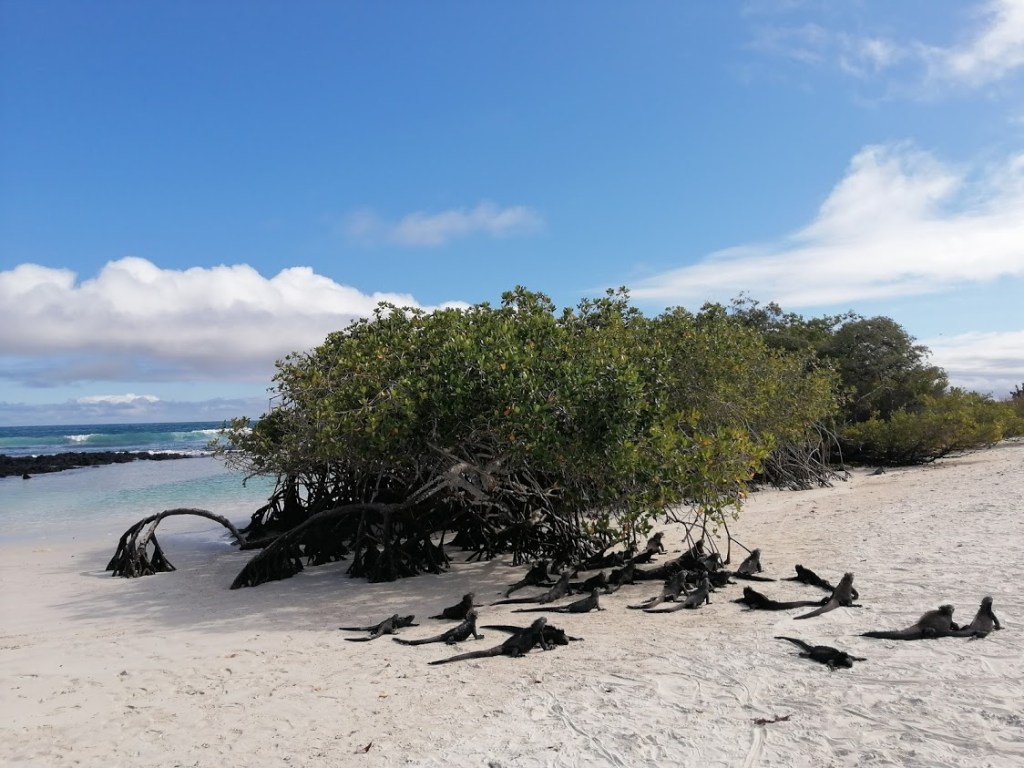
After Las Grietas, i walked along the beach to Tortuga Bay. Along the way there were lots and lots of marine iguanas.
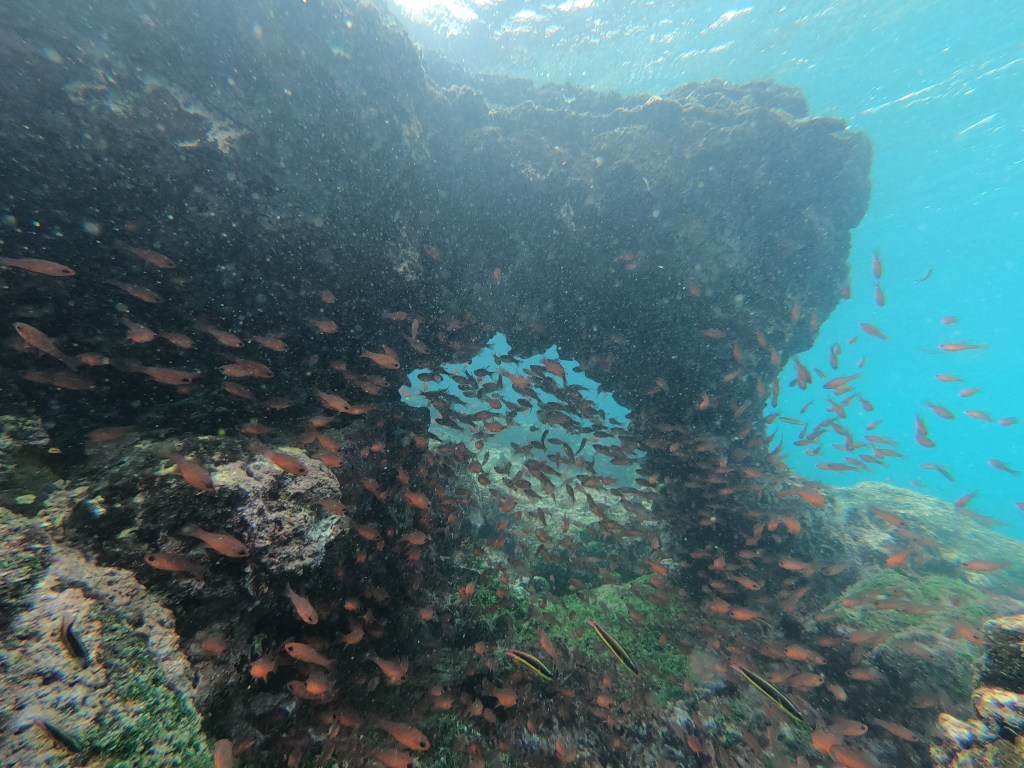
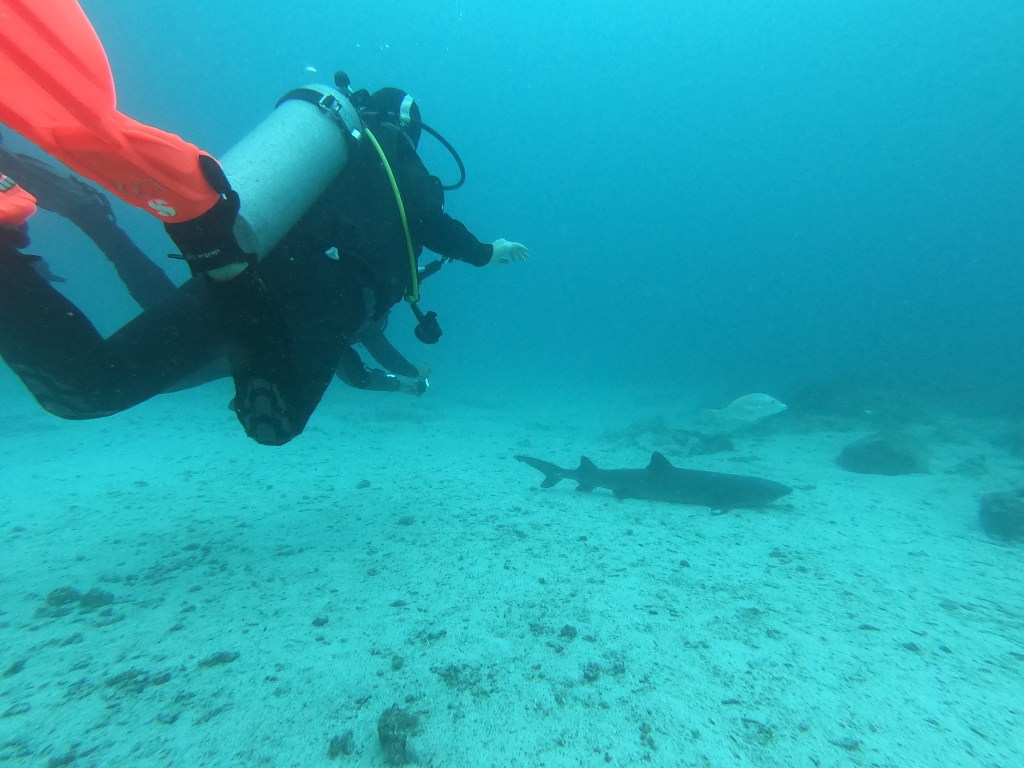
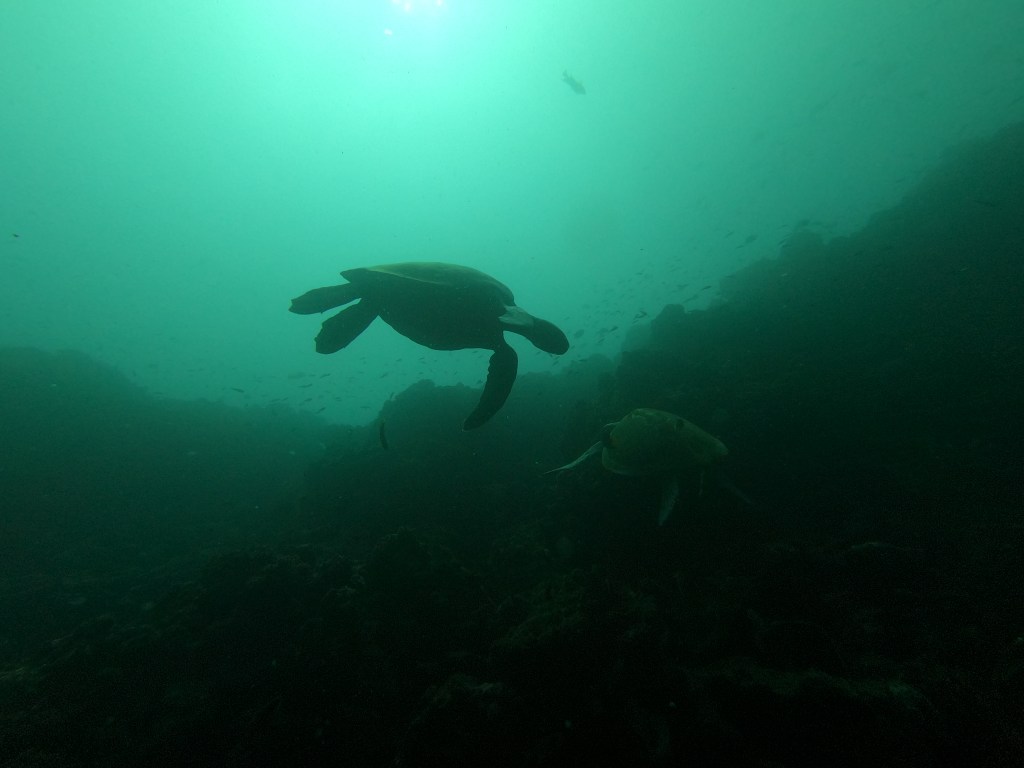
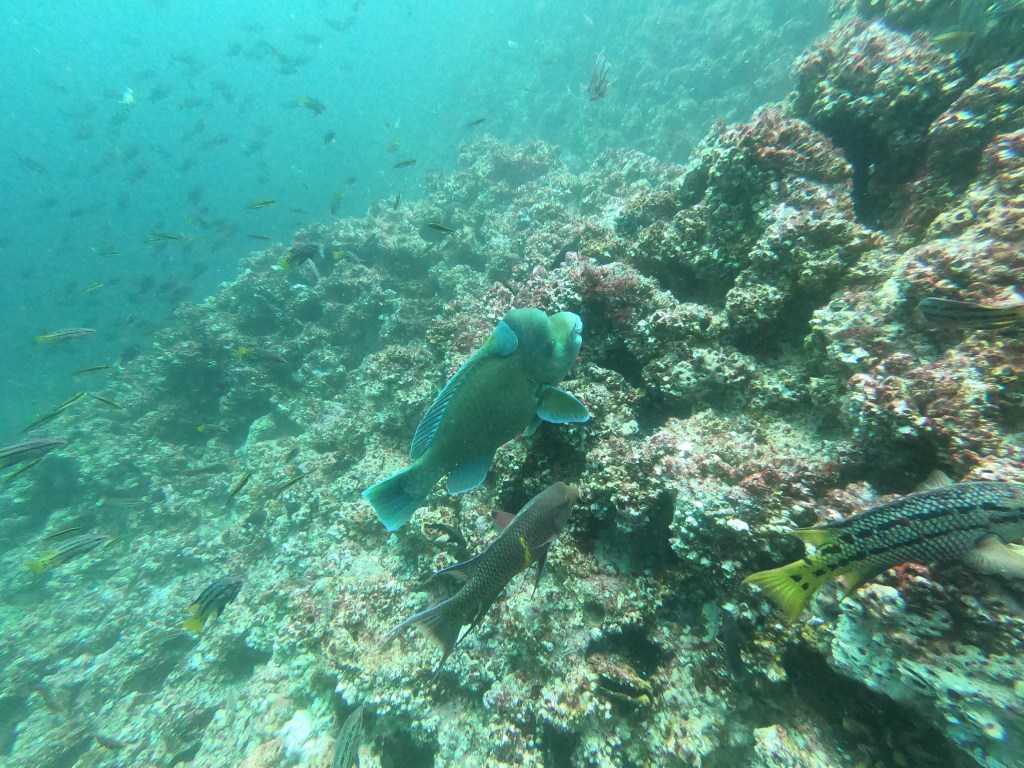
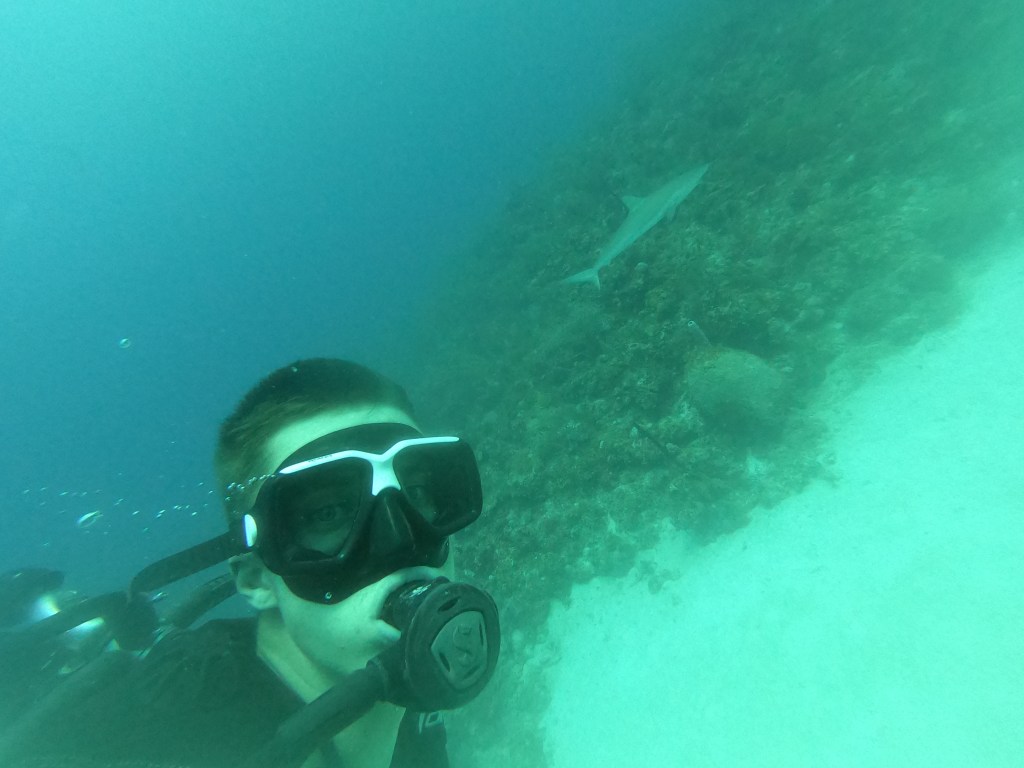
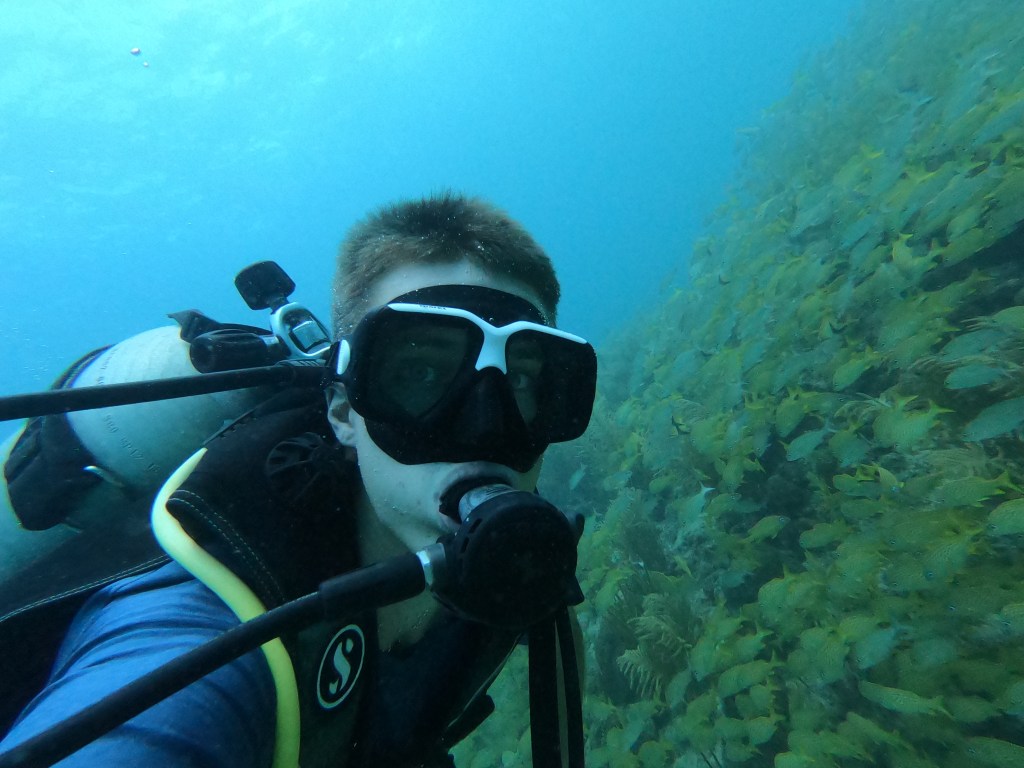
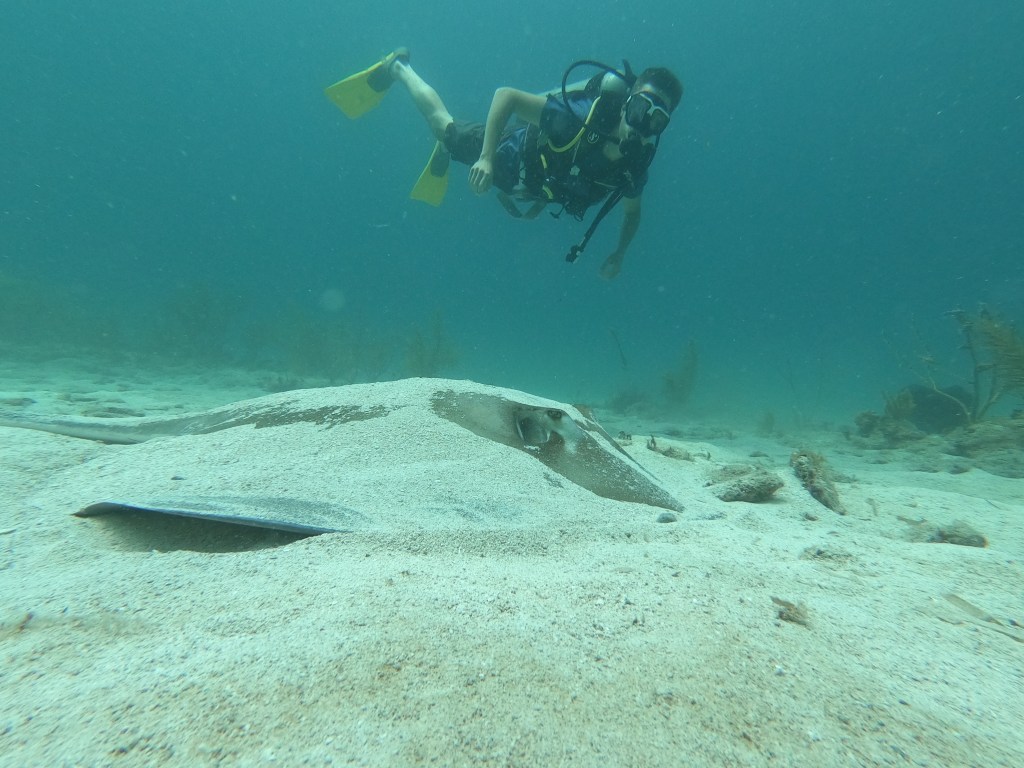
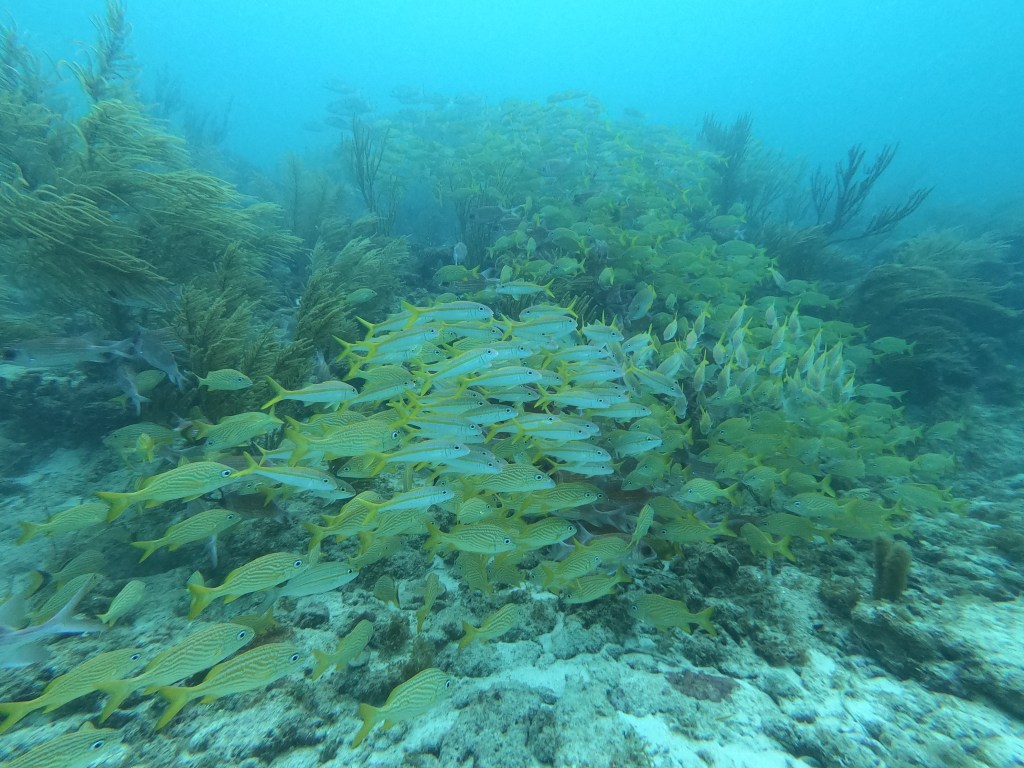
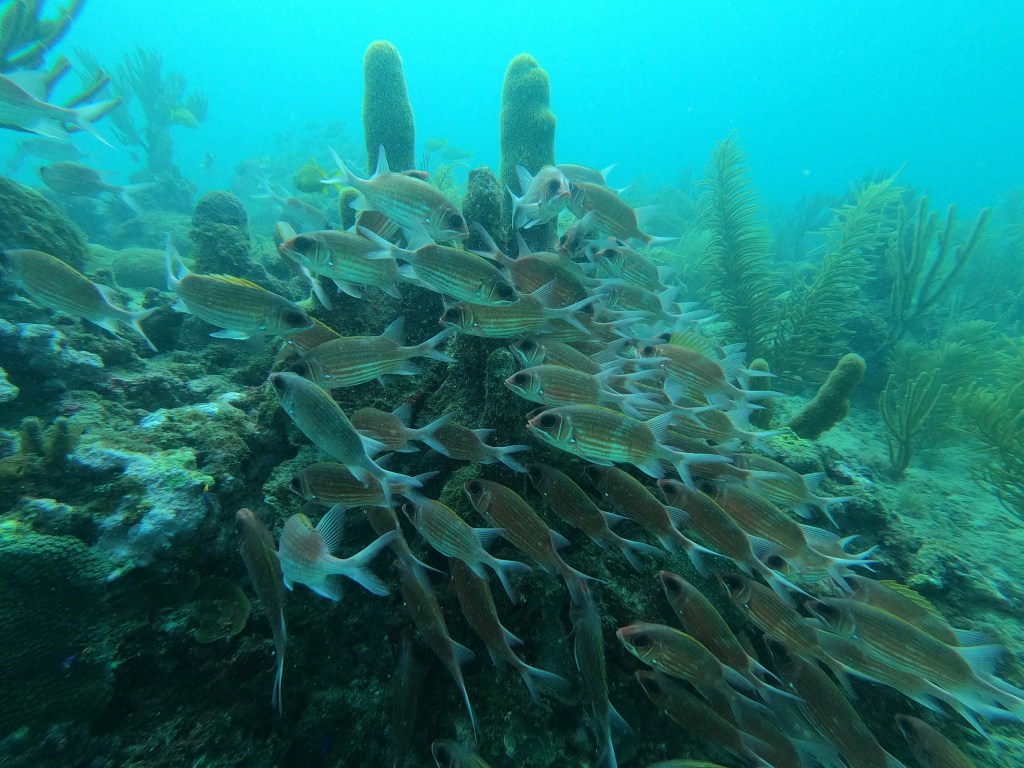
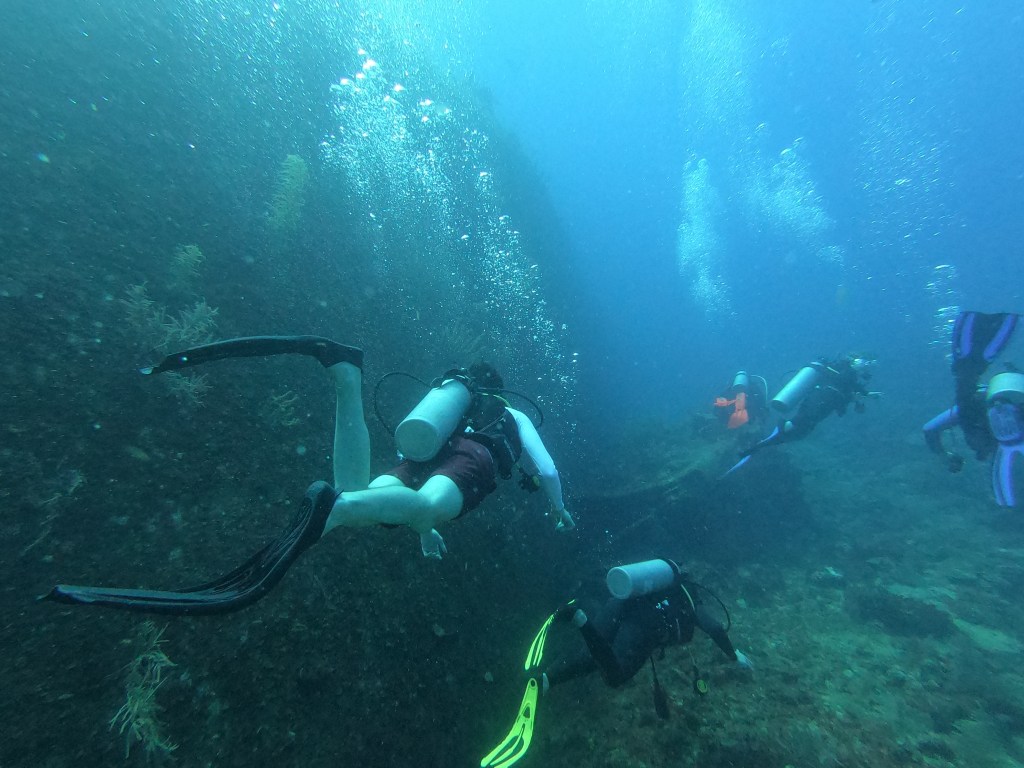
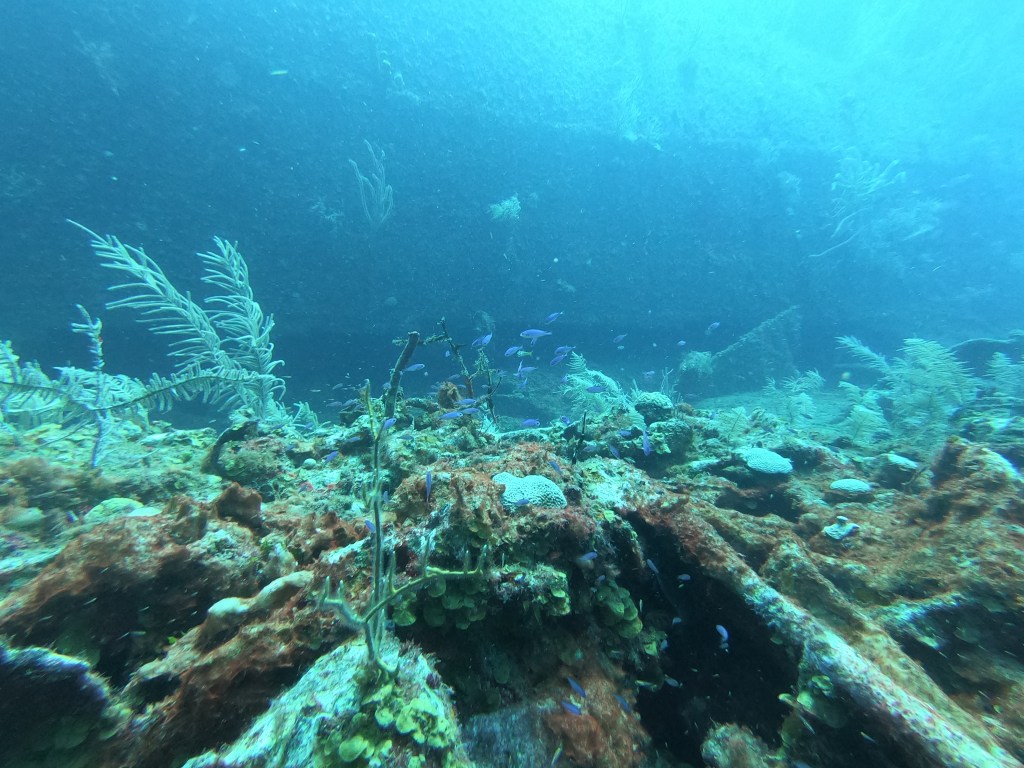
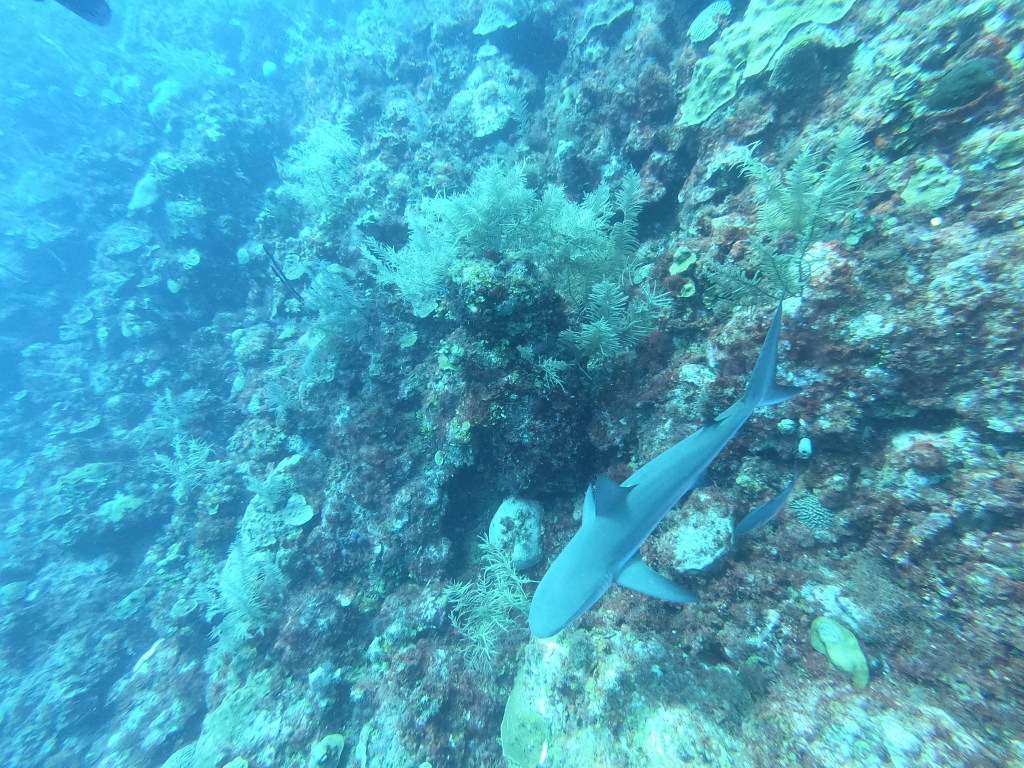
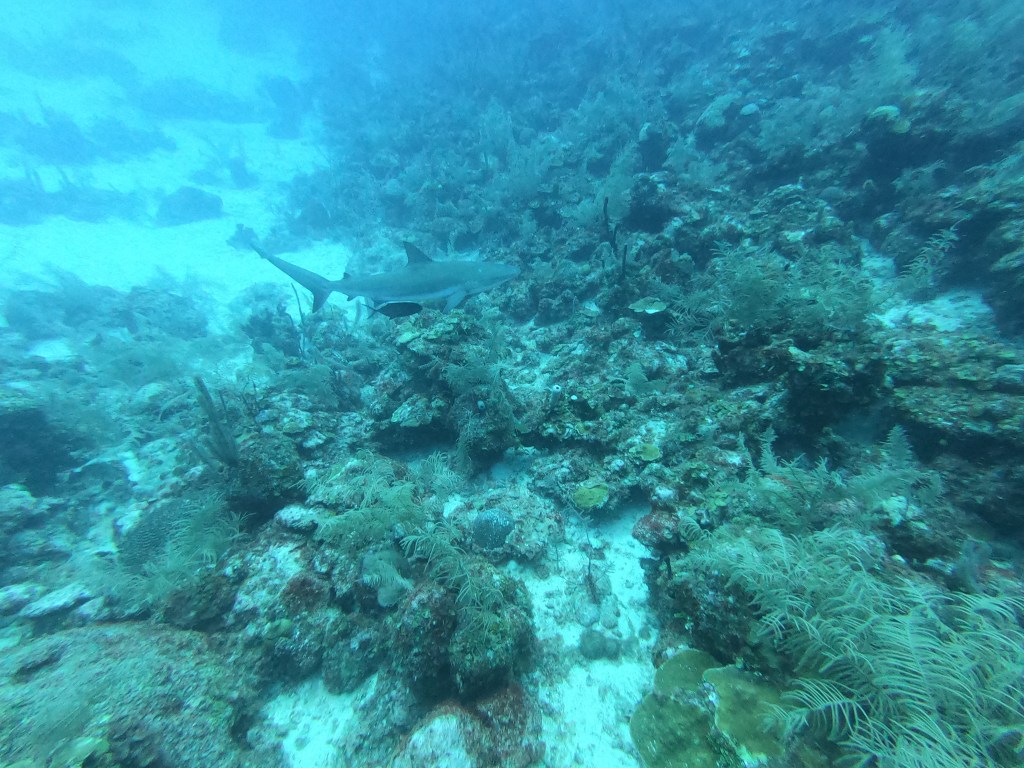
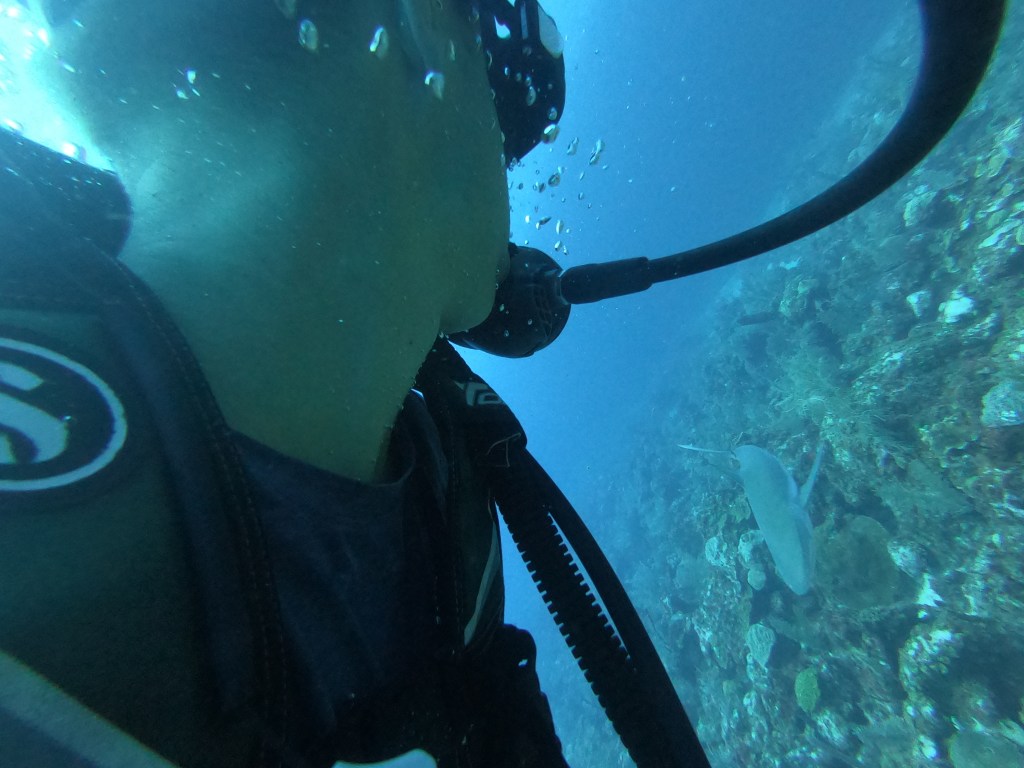
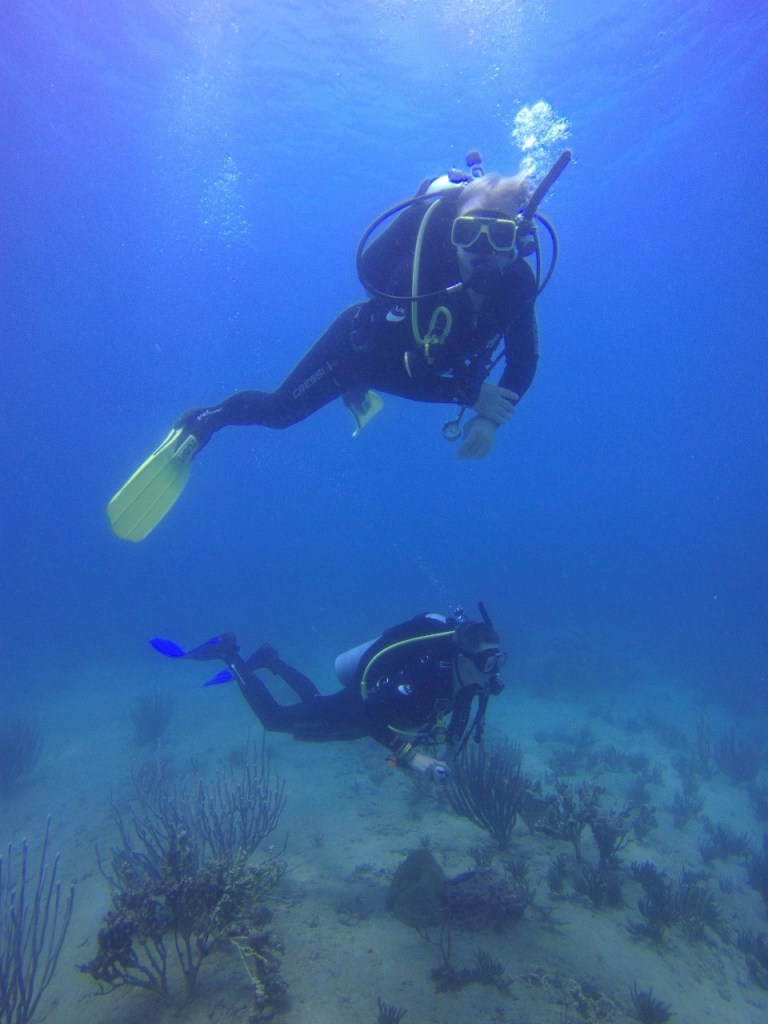
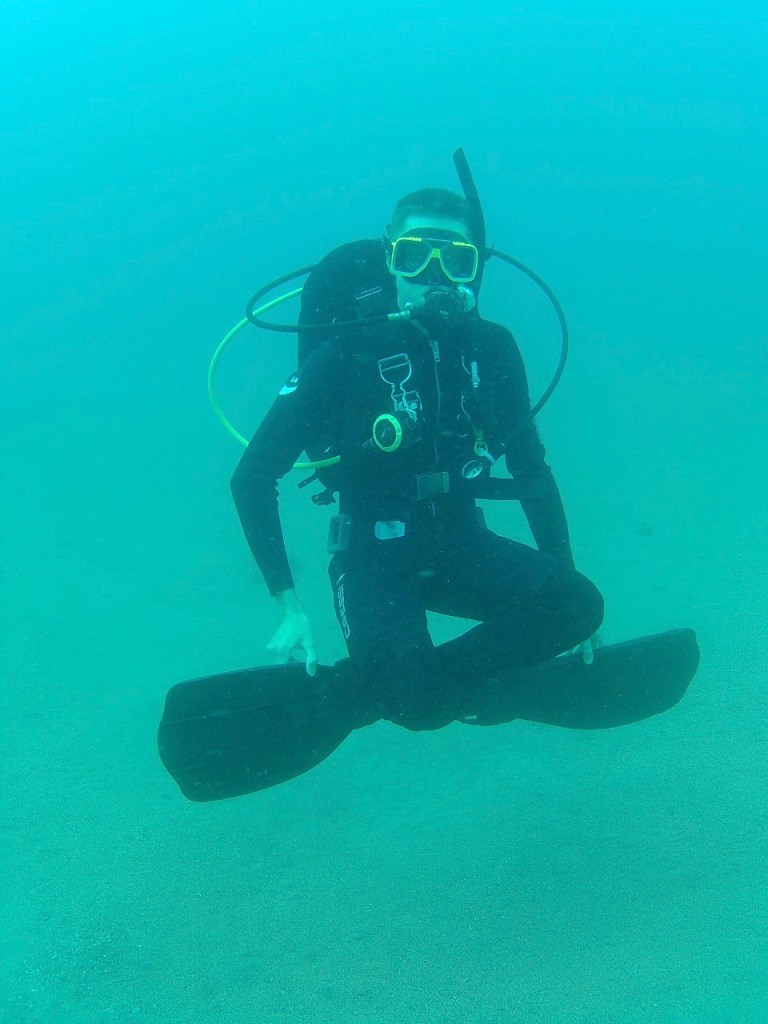
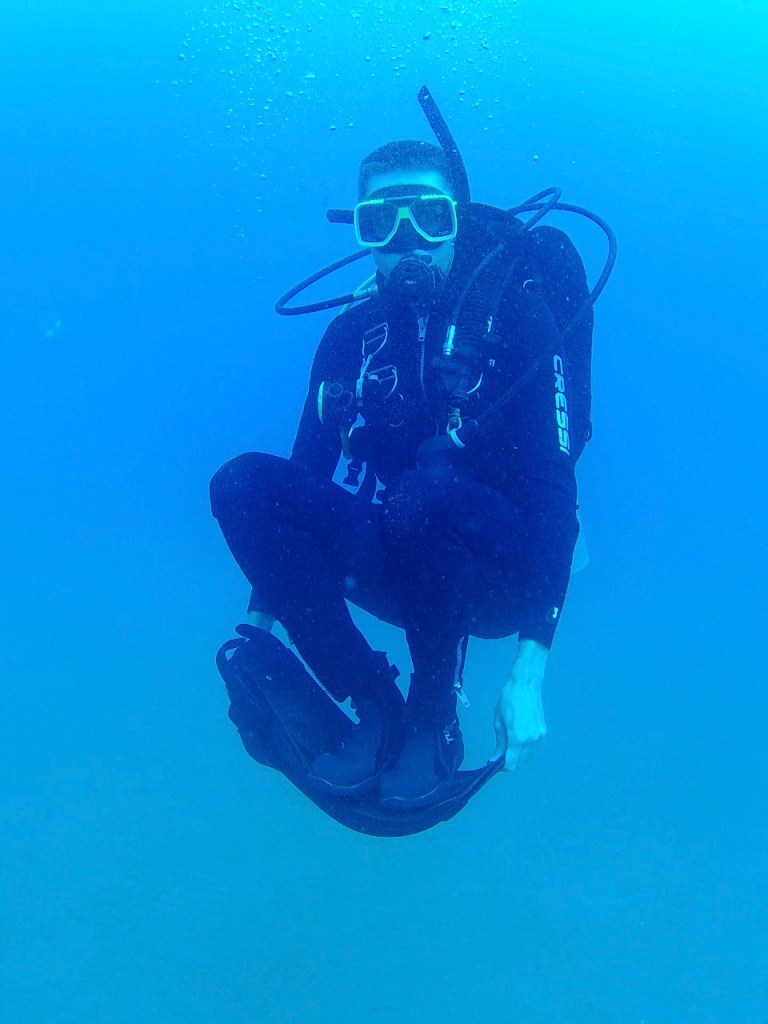
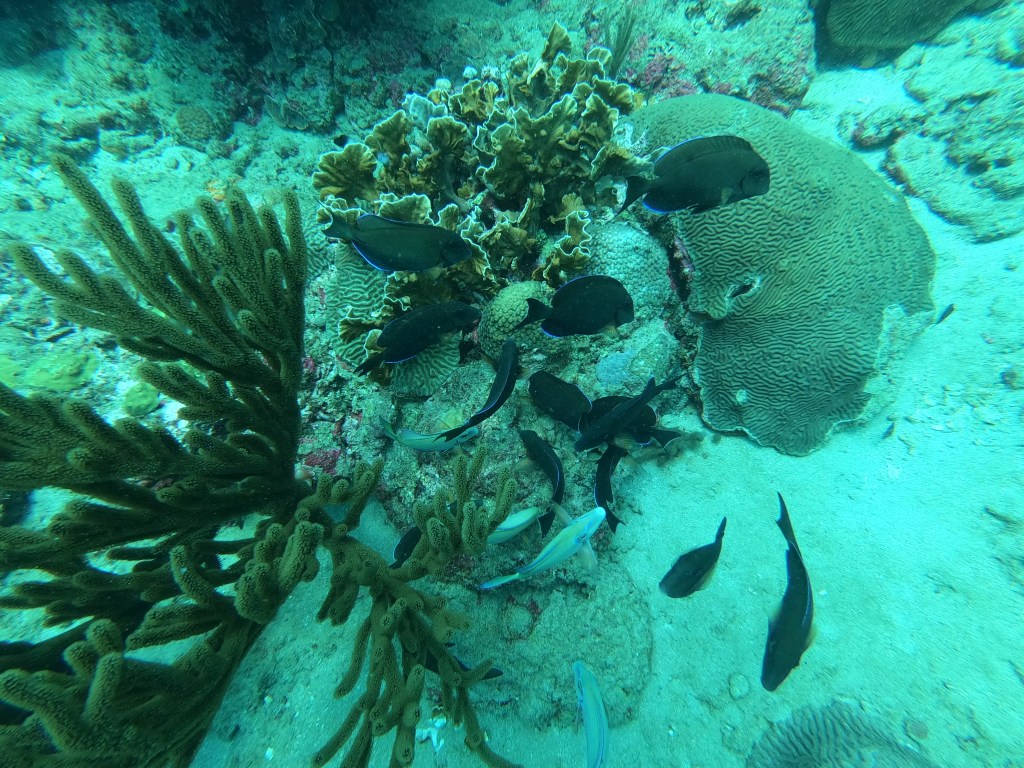
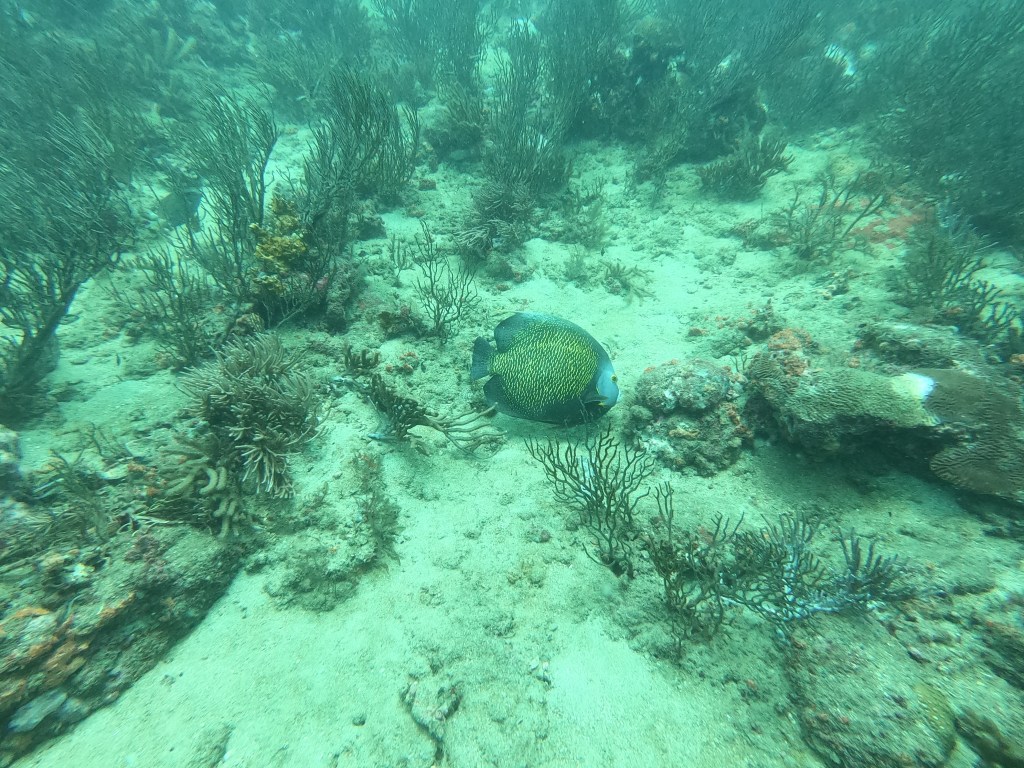
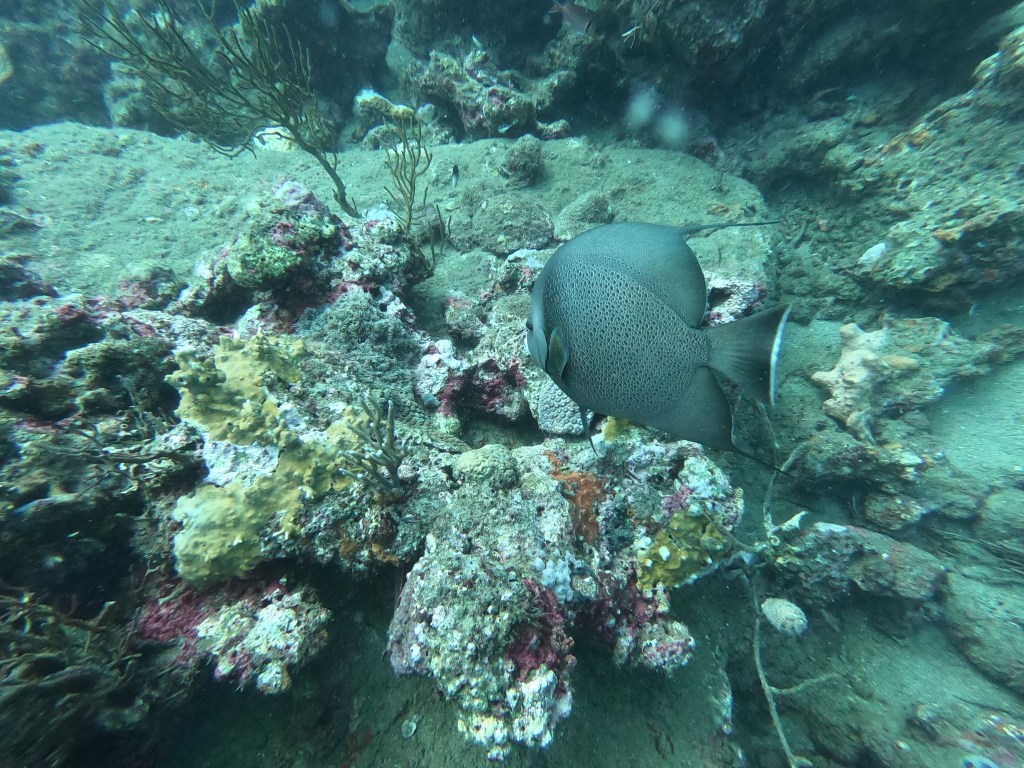
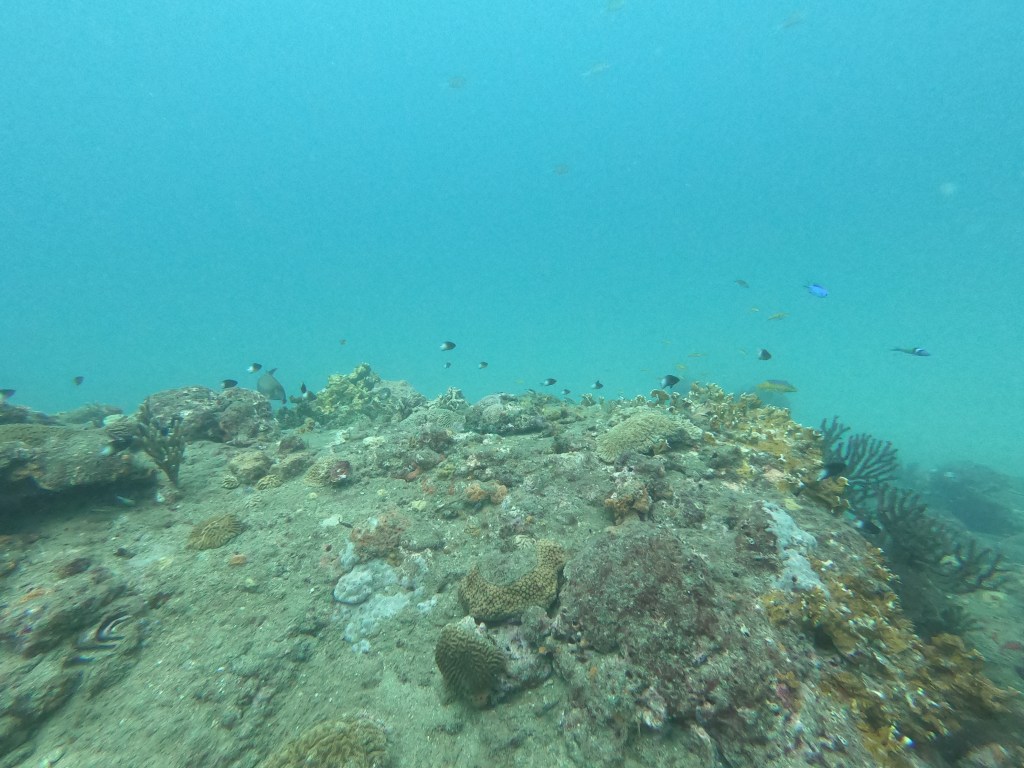
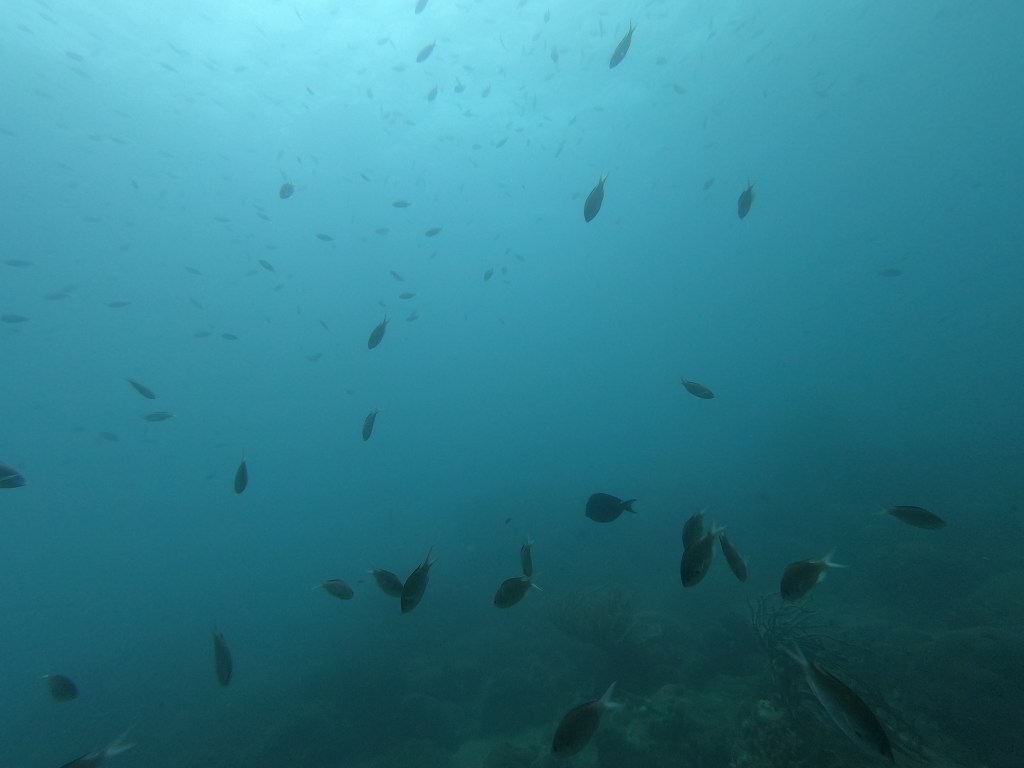
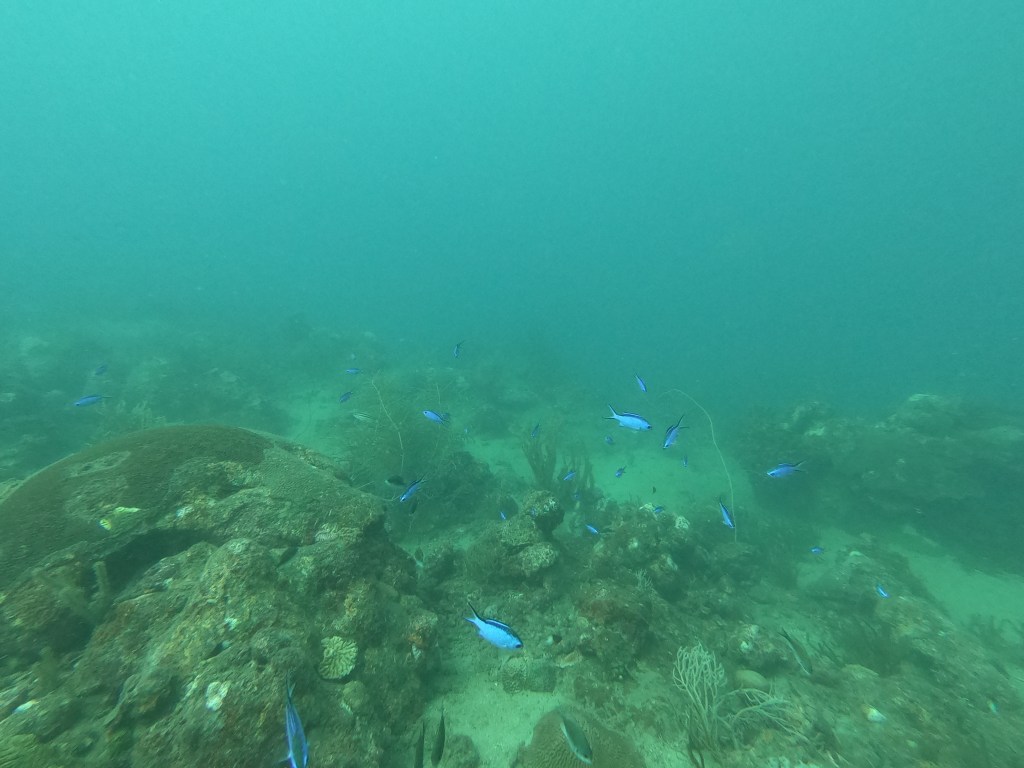
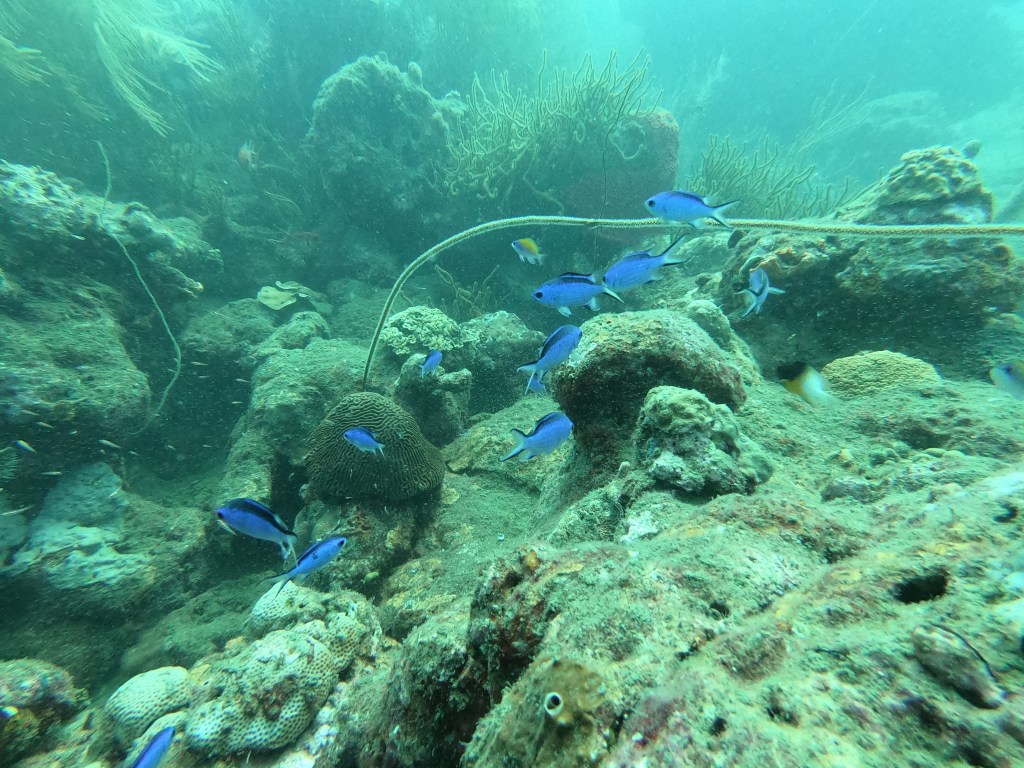
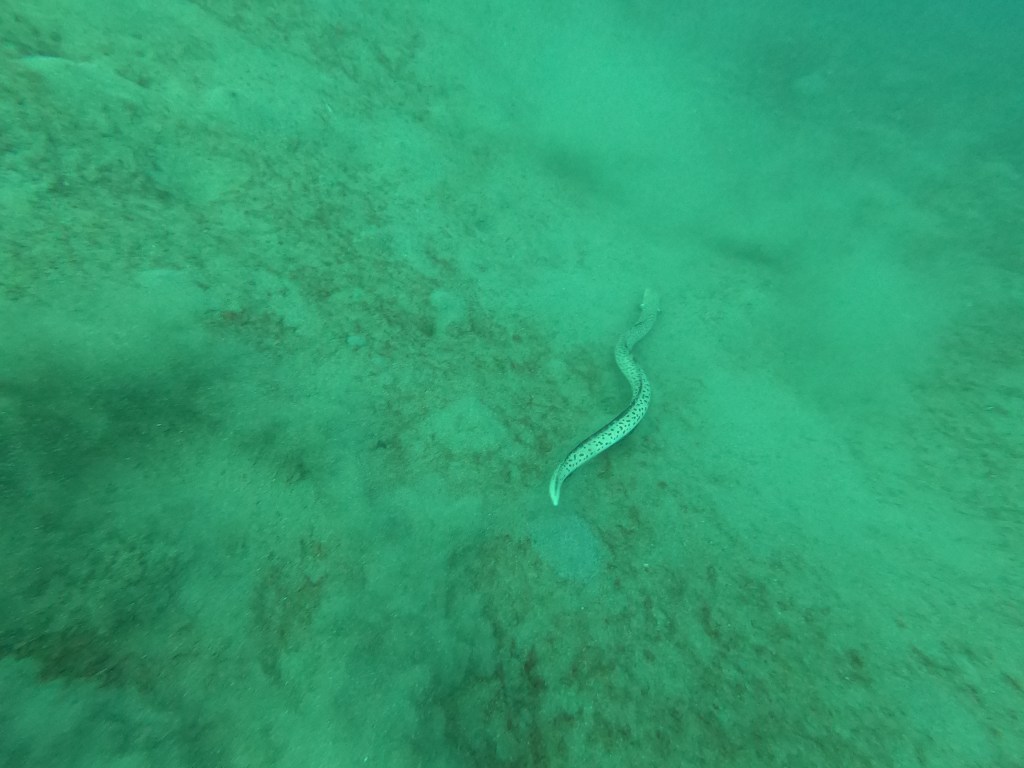
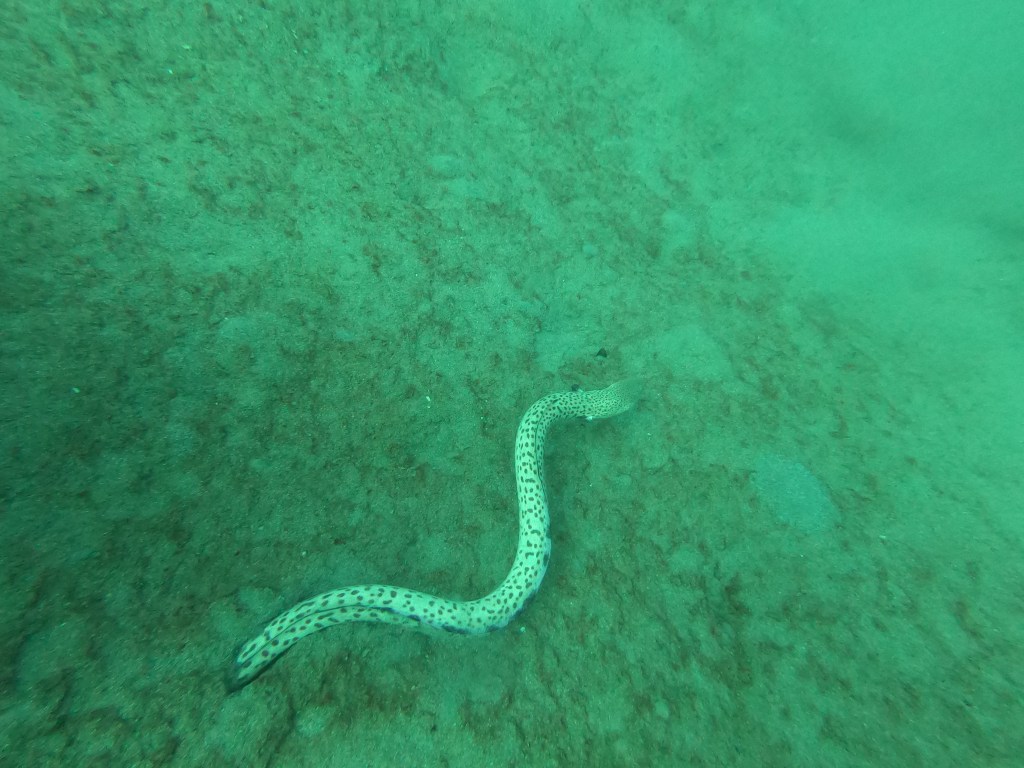
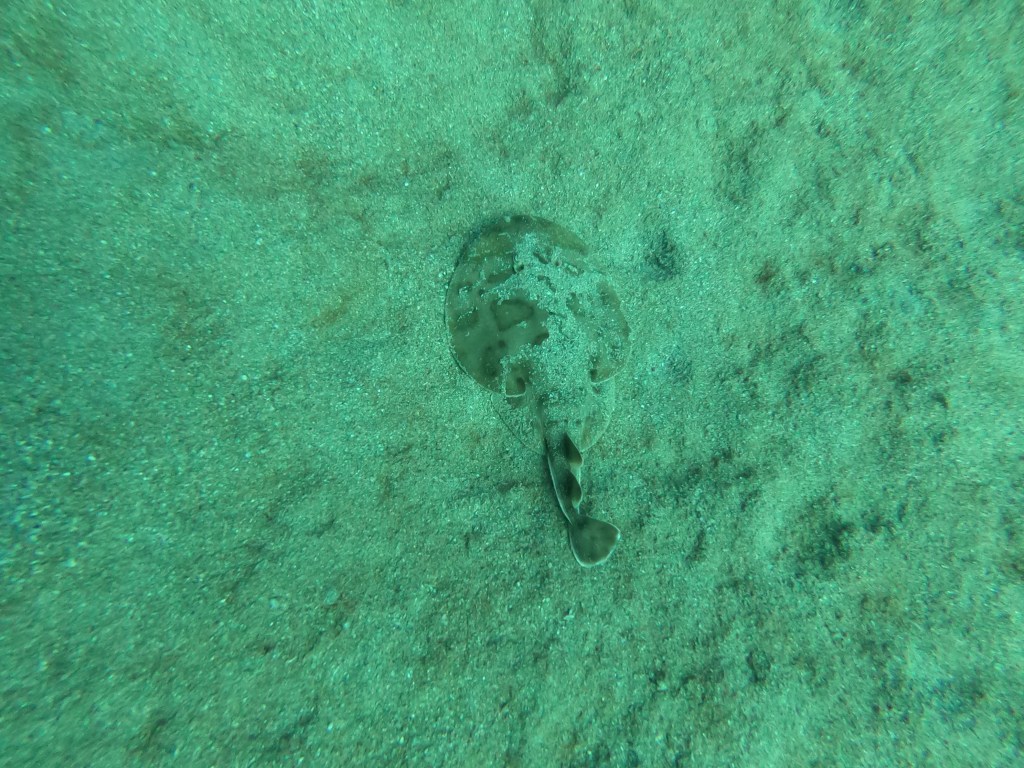
The next day i went diving. I dived at Daphne Menor, Mosquera, Seymour Channel and Gordon Rocks. I saw lots of tropical fish (angel fish, damsel fish, parrot fish, lots more), a few white tipped reef sharks, a HUGE hammerhead, some spotted eagle rays, turtles, moray eels and galapagos garden eels. A sea lion also swam around me, twirling, turning and blowing bubbles. They like to play and like that divers blow bubbles.
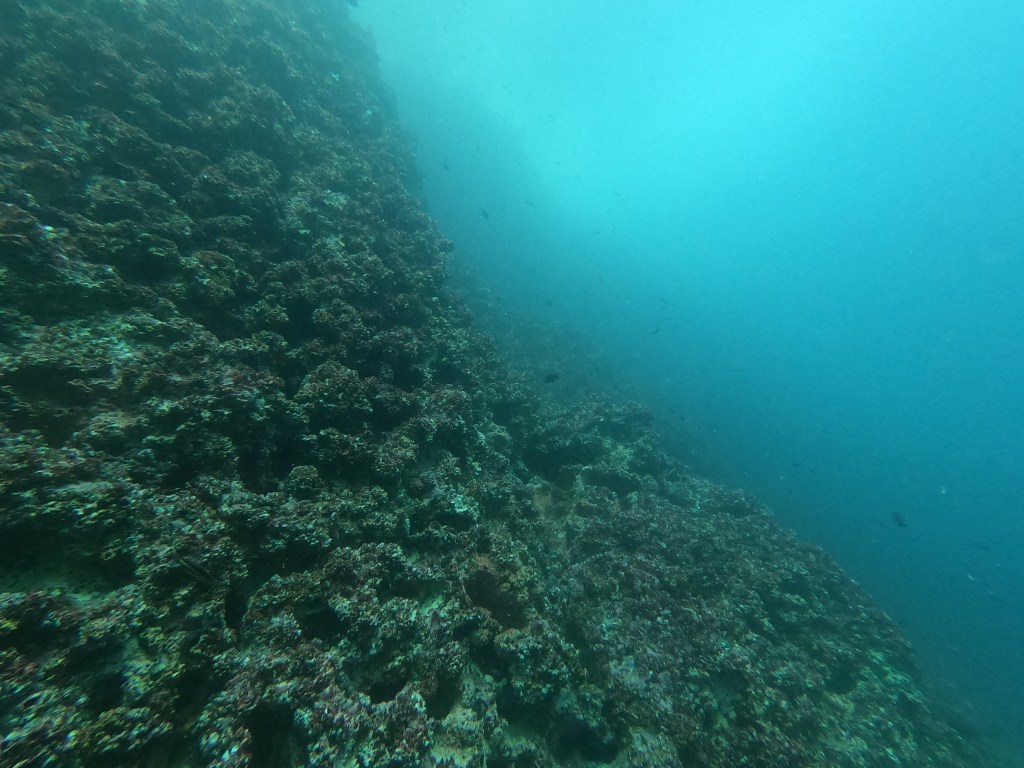
Although you can do a lot with day trips and island hopping in the galapagos, there is a vast amount that you cannot do or see without taking a cruise. The cruises are very expensive, but i managed to find an extremely last minute deal for about 20% of the normal price. I was chucked in a taxi and sped up the island, and sped to the boat in a dingy/zodiac/panga.
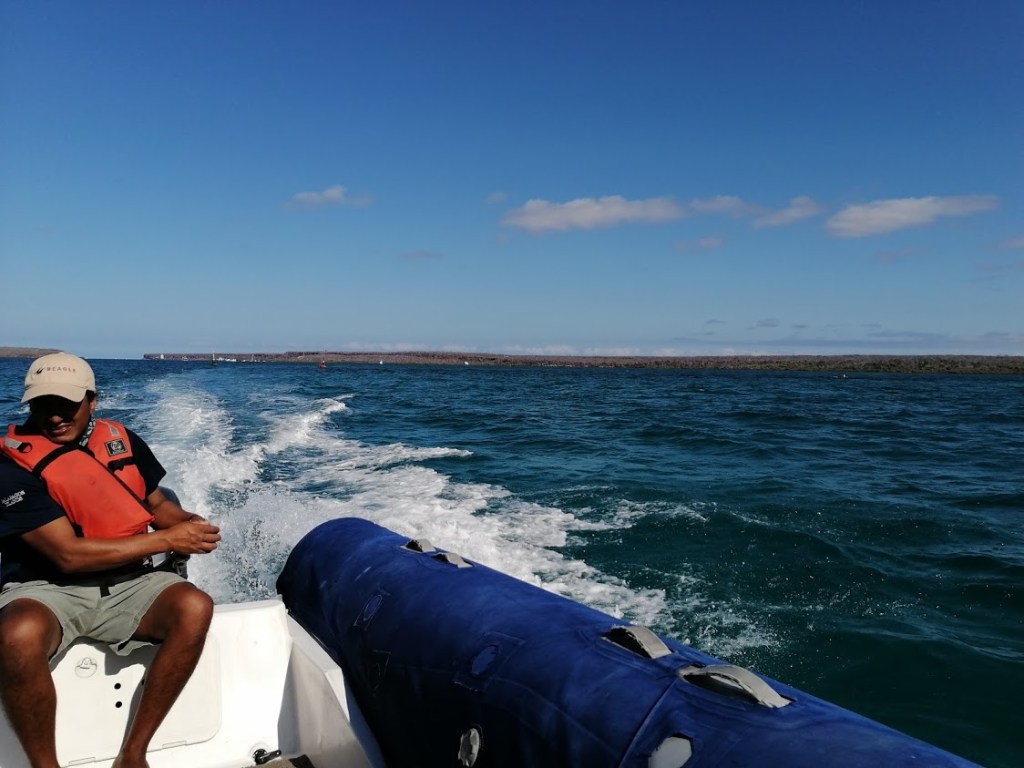
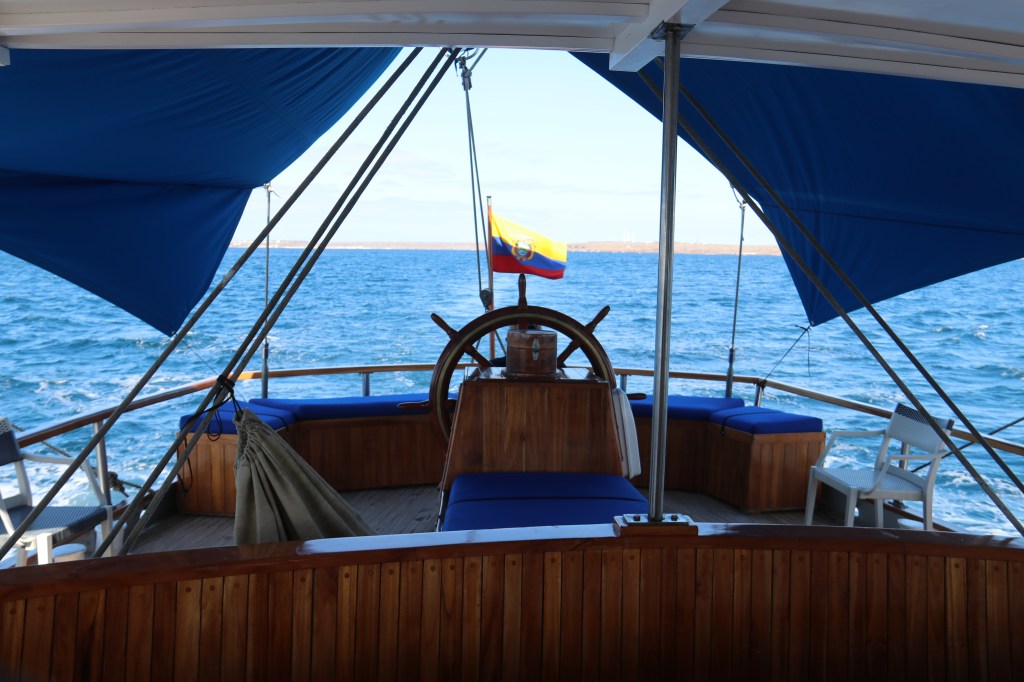
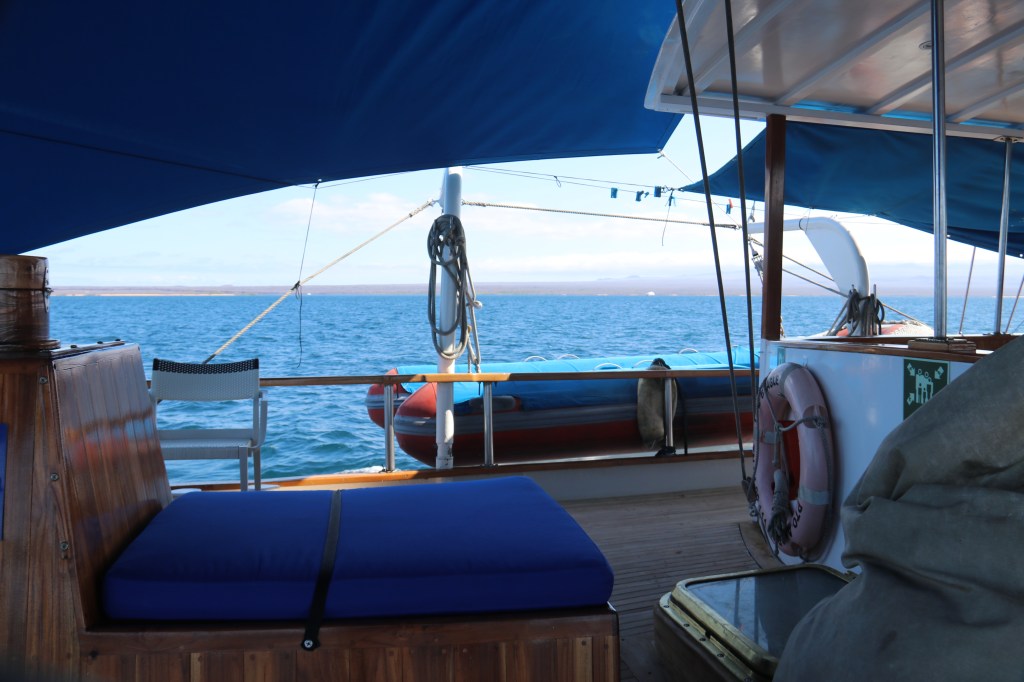
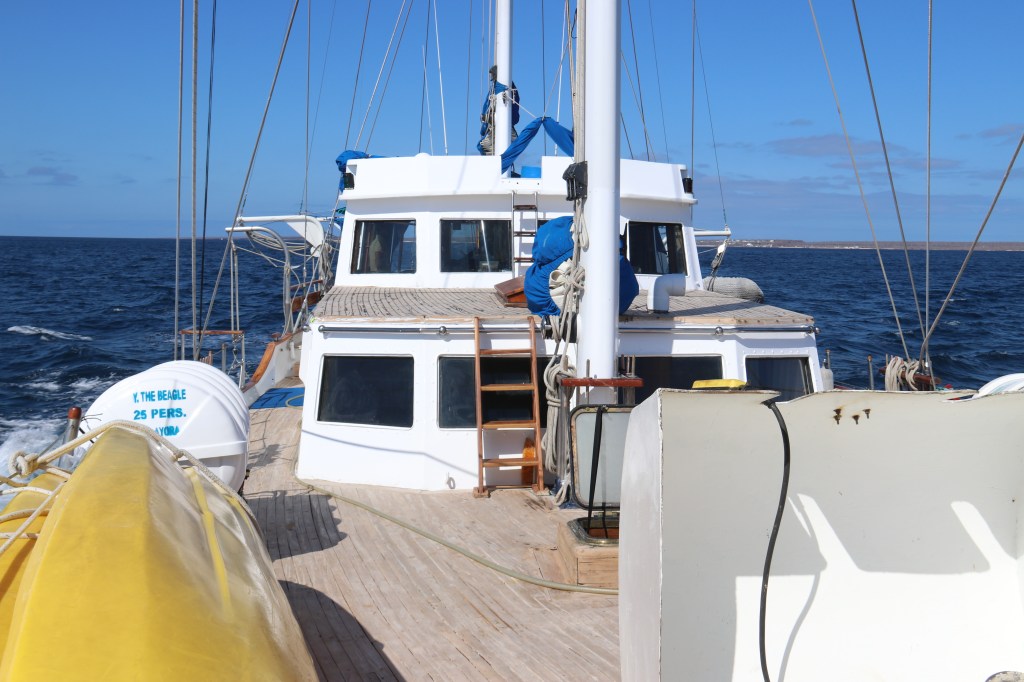
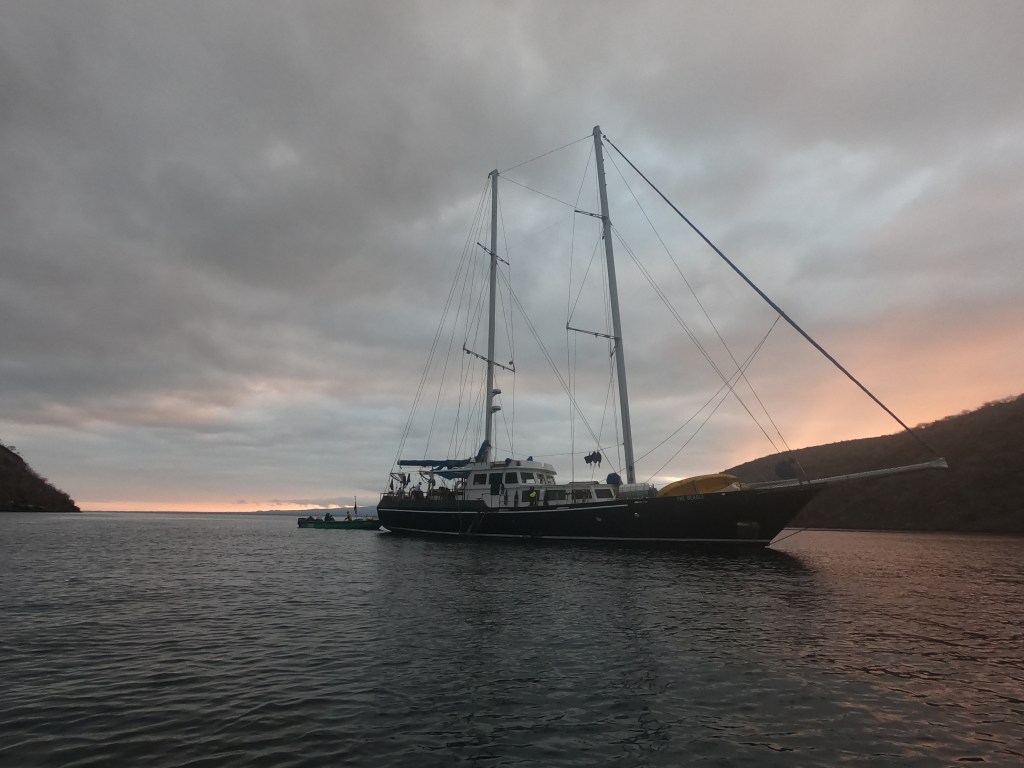
The boat was The Beagle (named after the HMS Beagle, the boat Charles Darwin visited the islands on in 1835), and had a 7 day itinery that perfectly fit with my return flight to ecuador. The itinery was excellent, as it visited many amazing places, without spending time at places that can be visited by day trips or whilst staying on the inhabited islands. Many cruise trips include the places i had already been. Whilst i was aboard i had no internet access, and during sailing had plenty of time to write up what i did and saw each day, so below i have pasted my “diary” that i kept, and added in photos. Some of the photos were taken by the other passengers (mostly the ones that required a zoom). All of the photos/videos in water were taken by me, as i was the only one with a gopro (waterproof camera).
12/11/19 – Start, Santa Cruz + night navigation to Genovesa
Arriving aboard the Beagle, I joined an older English couple (70 ish) John and Lisa from Coventry, Jackie, a lady of a similar age from Ramsay in the Isle of Man, and an Italian Couple Patrick and Federica who are 30. The boat has capacity for 14 tourists, but for this trip there is only 6 of us, and 7 crew members! (Contributing to the extremely good deal i got). Our guide Harry said in his 2 years as a guide, this was the fewest people that had been aboard, and also the first time without any Americans!
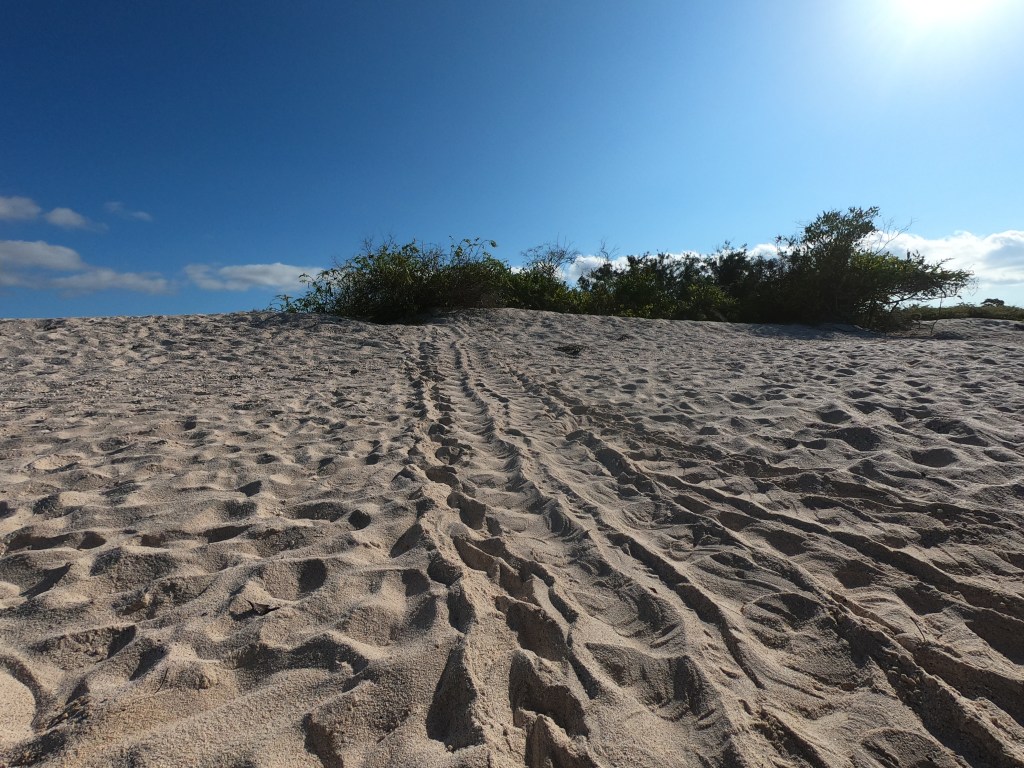
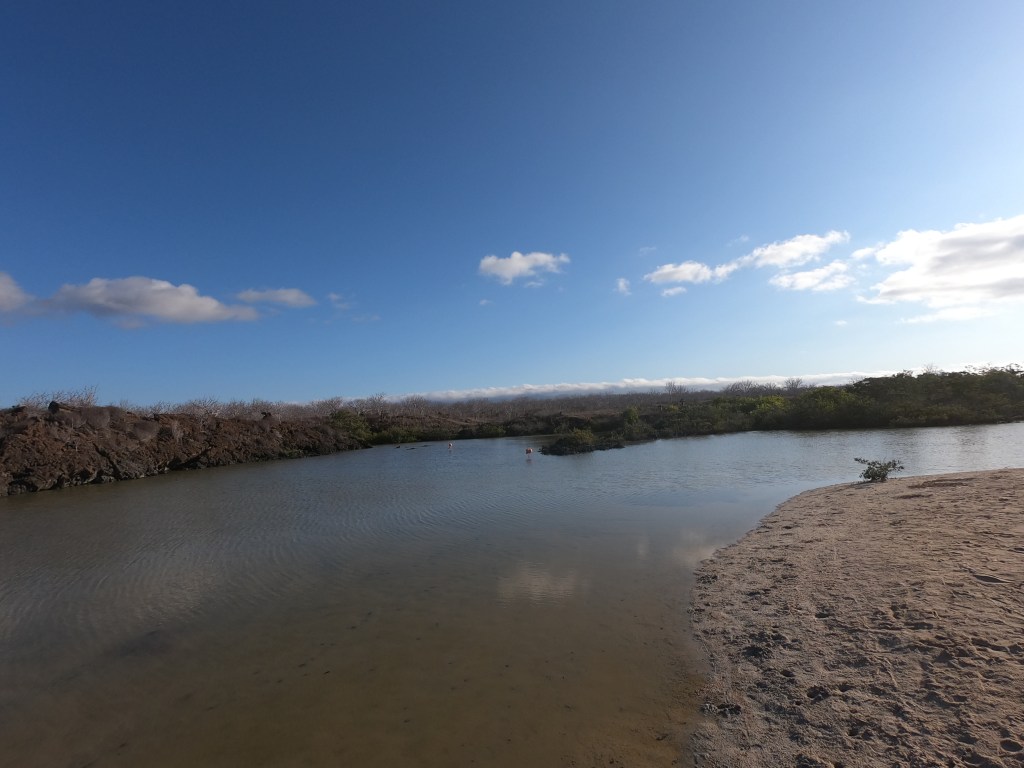
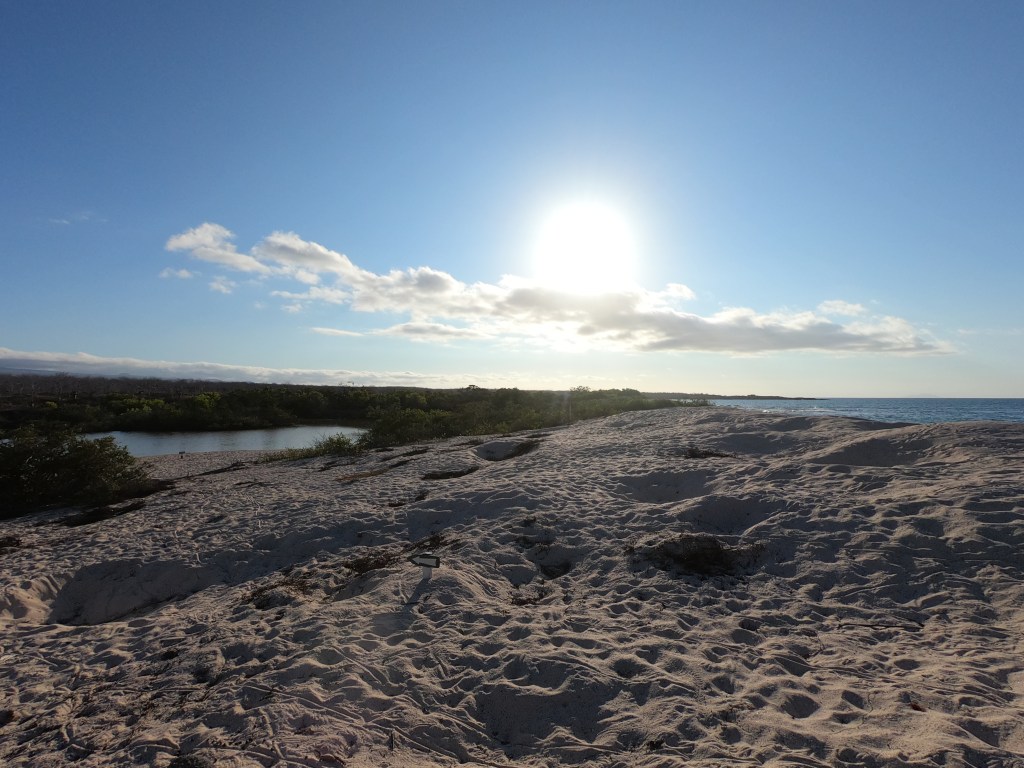
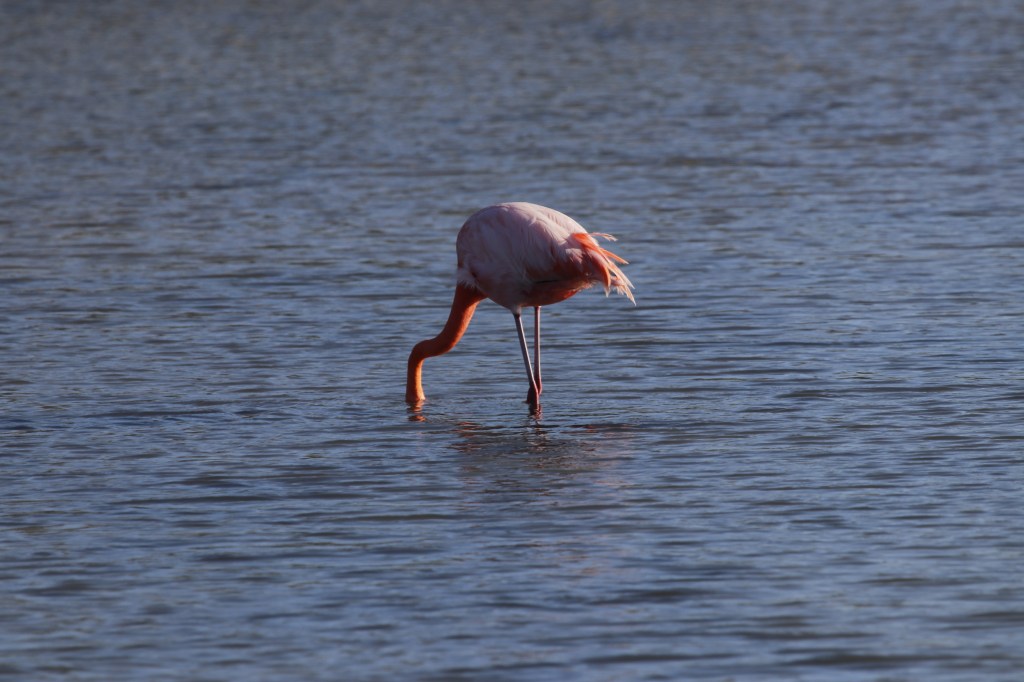
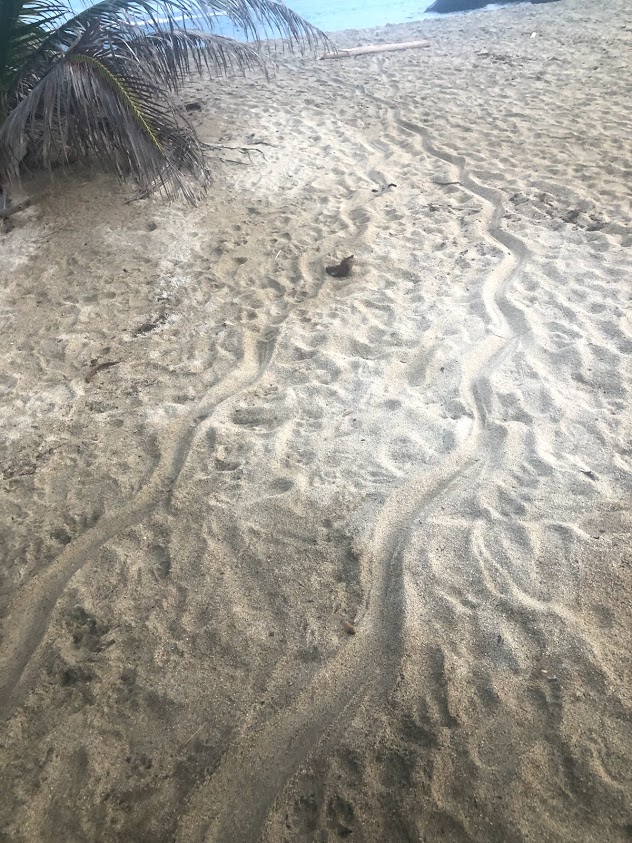
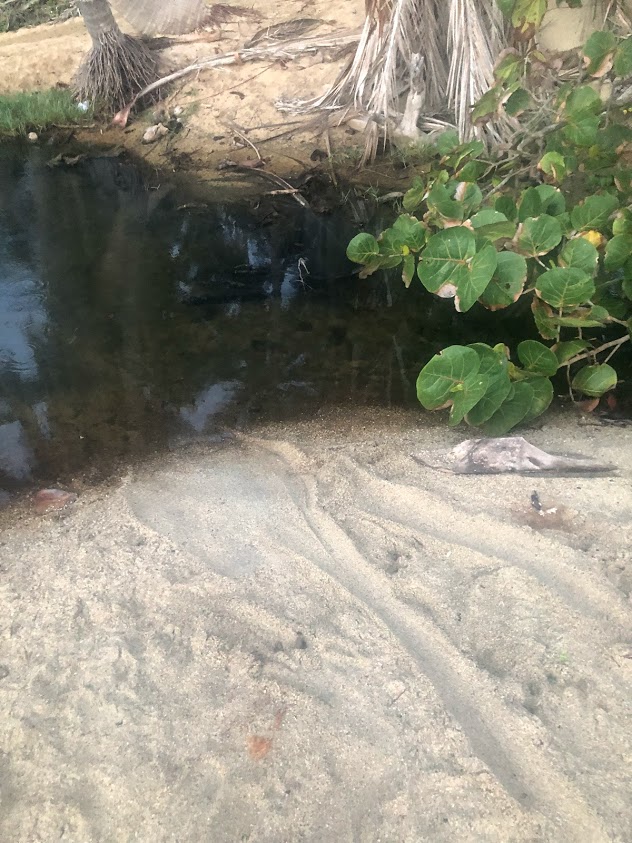
We went for a walk at Bachas beach and snorkelling, before returning to the boat and having dinner. On the walk we managed to see two Galapagos Flamingos, out of only ~500 that exist amongst the islands. We also saw a few lava gulls, the rarest gulls in the world. The beach had many areas where green turtles had laid their eggs. You could even see tracks in the sand from turtles arriving to lay their eggs the previous night. The total population of Lava gulls is only around 400. During the night, the boat made a 6-hour sail to Genovesa.
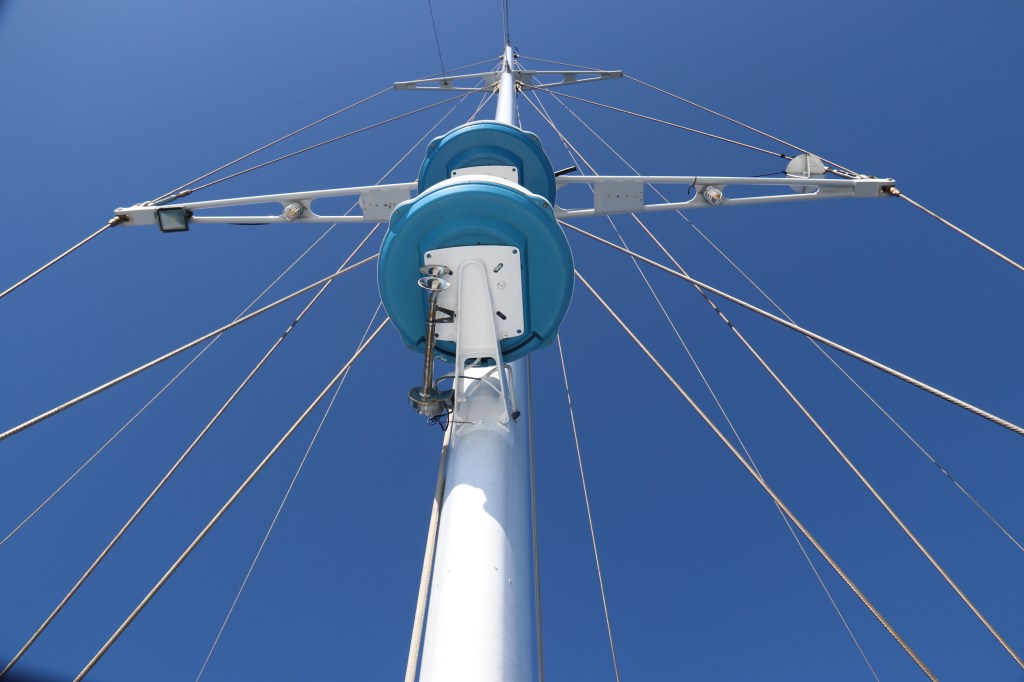
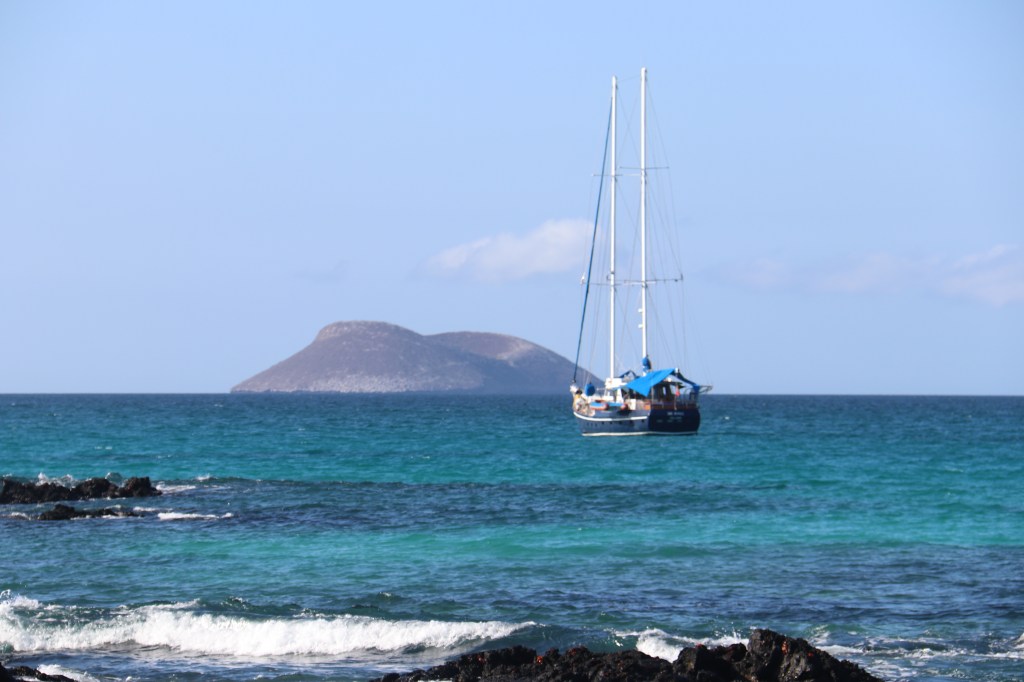
13/11/19 – Genovesa. Night navigation to Santiago
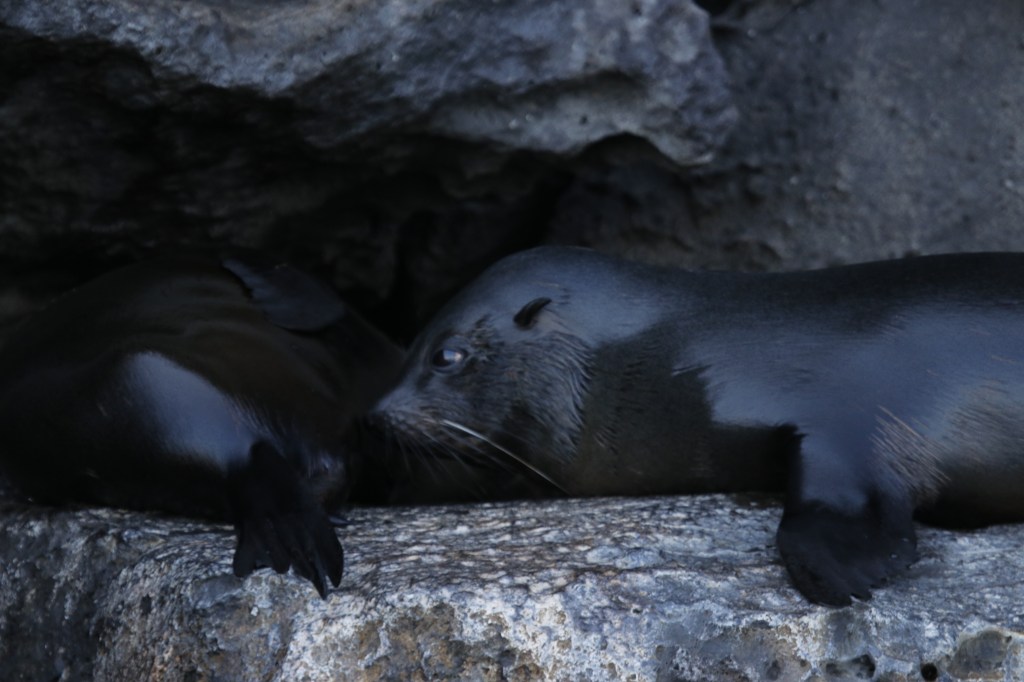
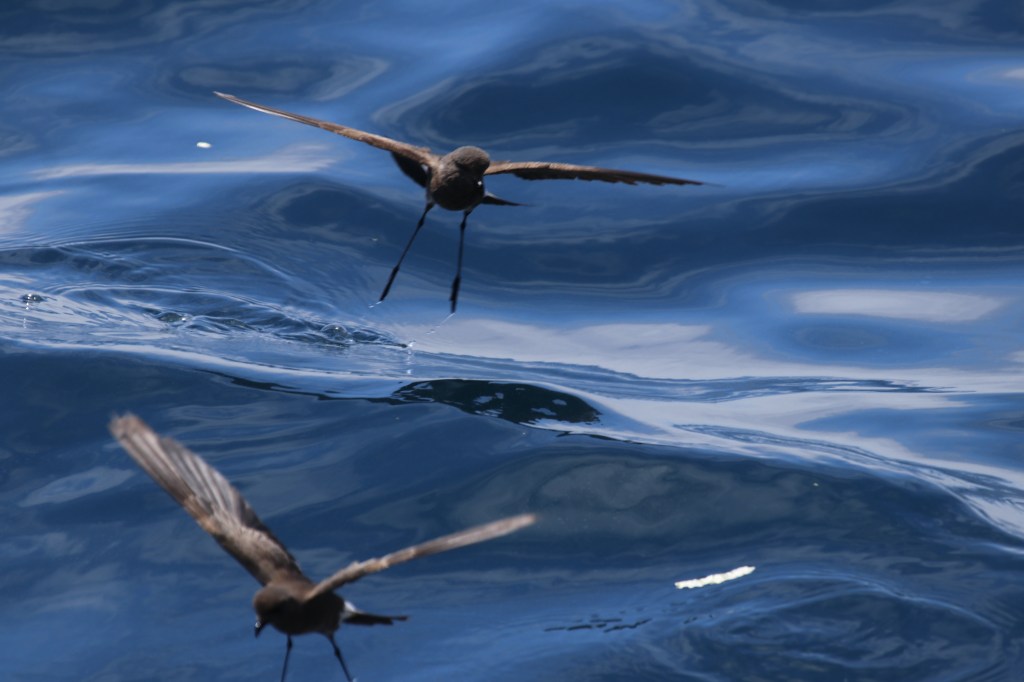
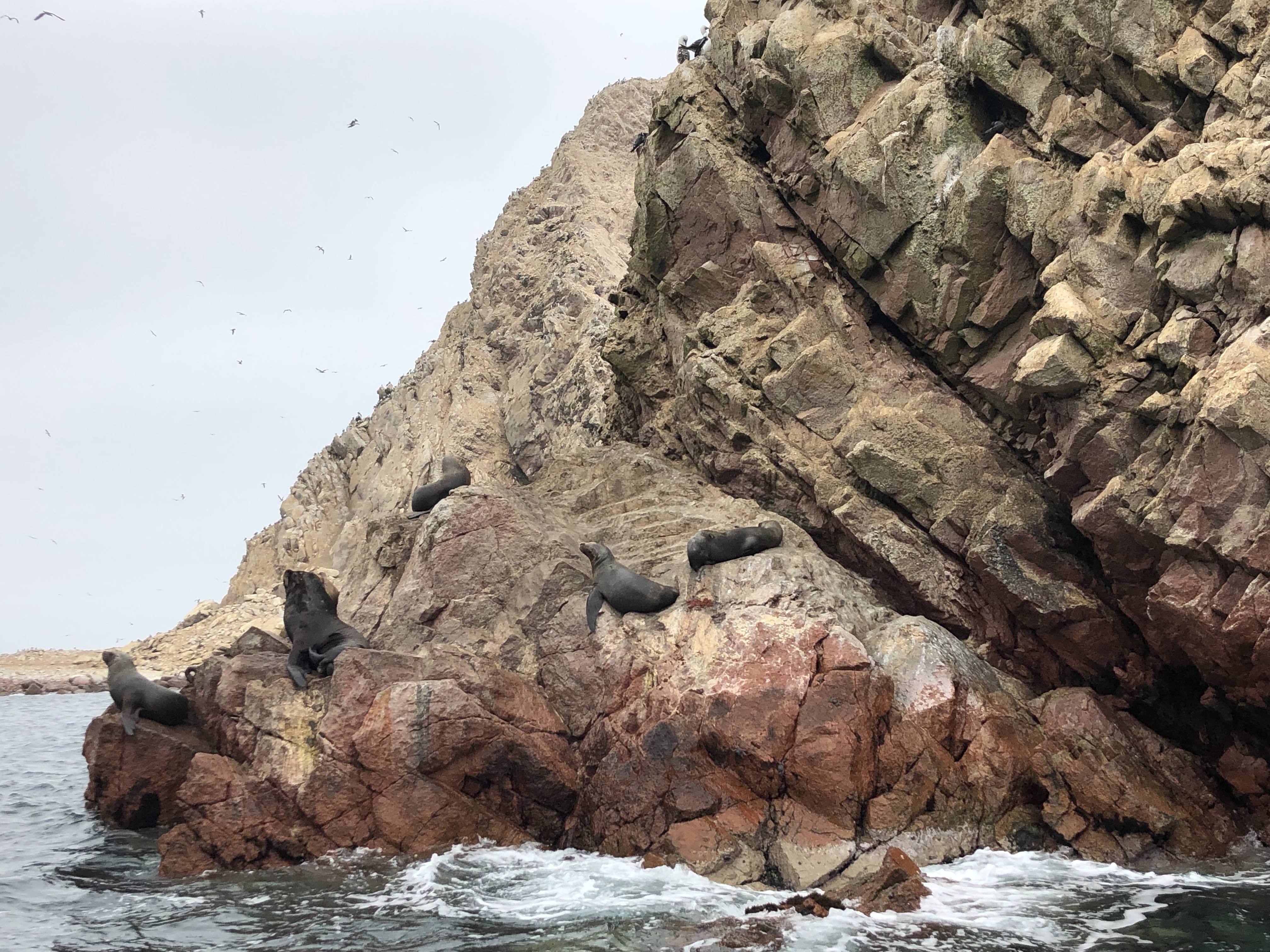
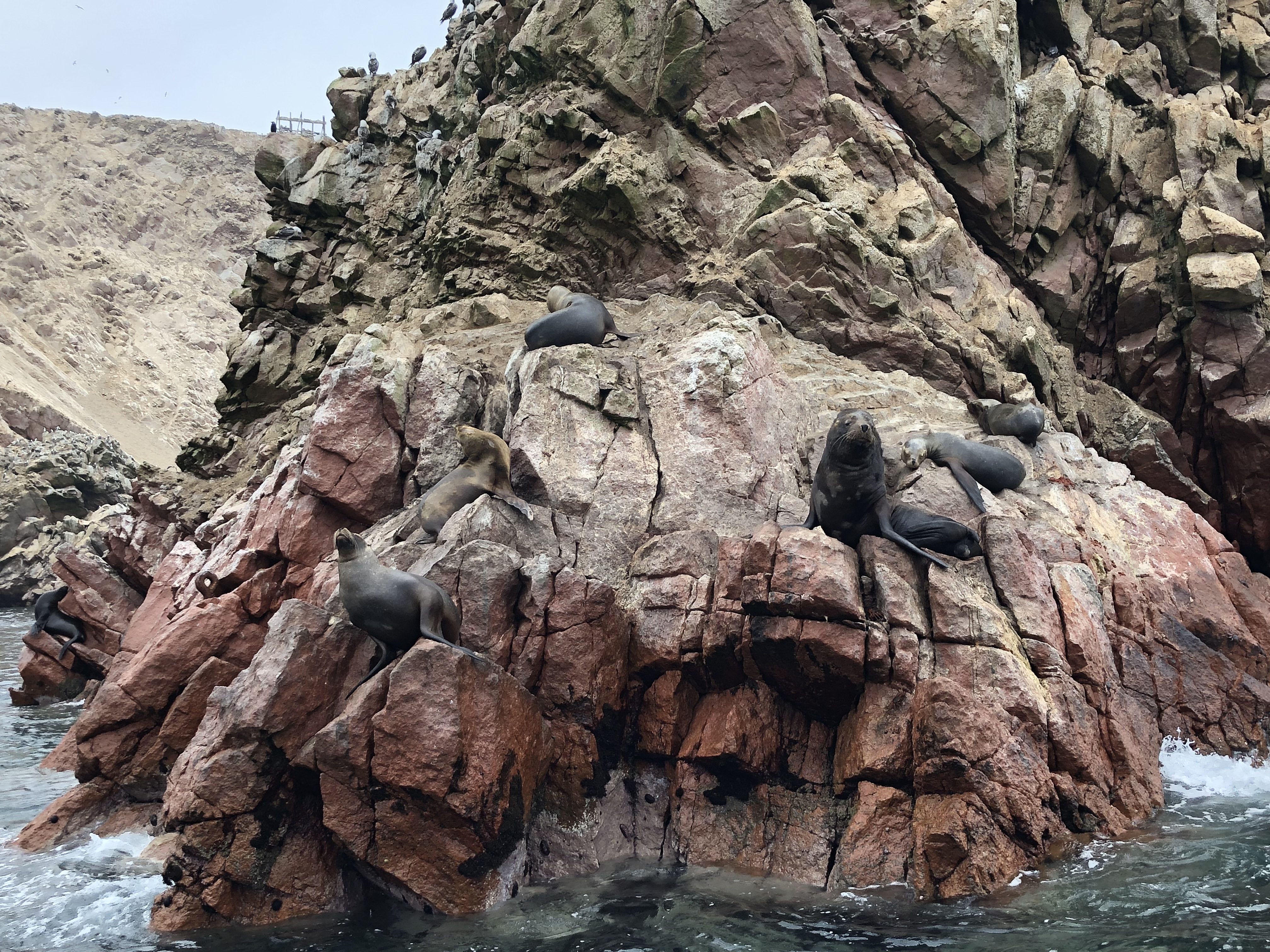
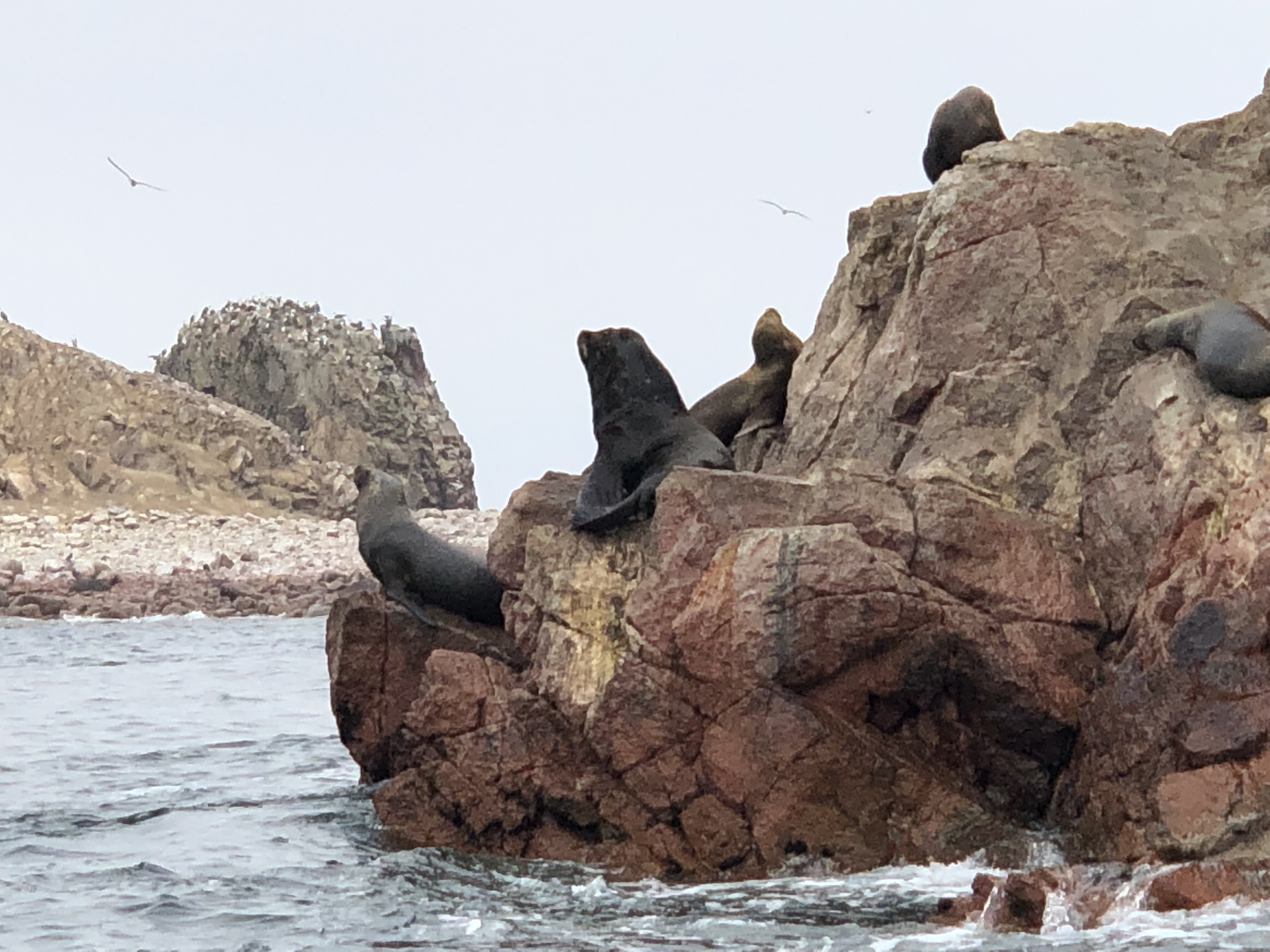
After breakfast, we went for an early morning walk on Genovesa along a 1.5km path from Prince Phillip steps. We walked through the sandlewood trees and through lava fields. We saw: Mocking Bird, Frigate Bird, Red footed booby (white and brown variants), Nazca Booby, Yellow crested night heron, yellow warbler, red billed tropic bird, genovesa ground finch, genovesa mockingbird, pelican, Galapagos dove, storm petrel, genovesa marine iguana. (thanks to John and Lisa for keeping a list). After this we went snorkelling along the cliffside of the Caldera. The bay we were in is a collapsed caldera, formed when the lava solidified and contracted, and the land above collapsed. This is the same way as the calderas at Los Gemelos on Santa Cruz were formed. Snorkelling I saw many of the fish I had seen snorkelling and diving in other places, like Parrotfish and many others that I don’t know the names of. I also saw King Angelfish and Giant Damselfish, that I hadn’t seen elsewhere. Several Fur sea lions lined the rocks at the bottom of the cliffs, 2 of which came snorkelling with us. They like to swim around you, spinning in the water. They also like it when you blow bubbles, like divers – they do the same back to you.
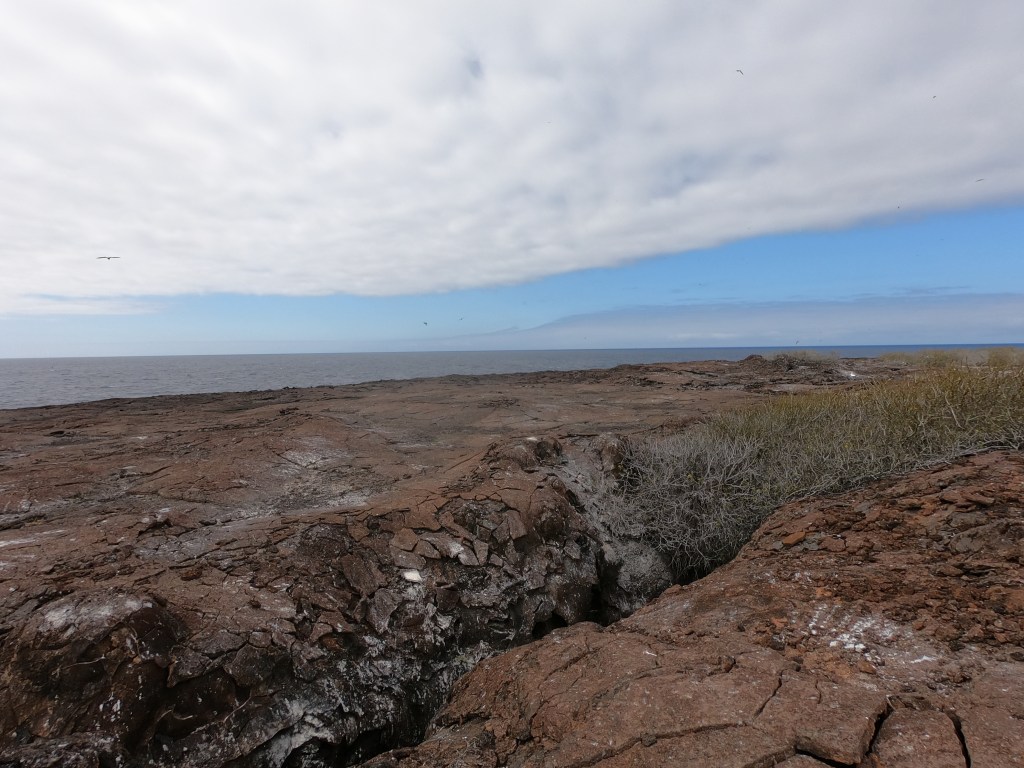
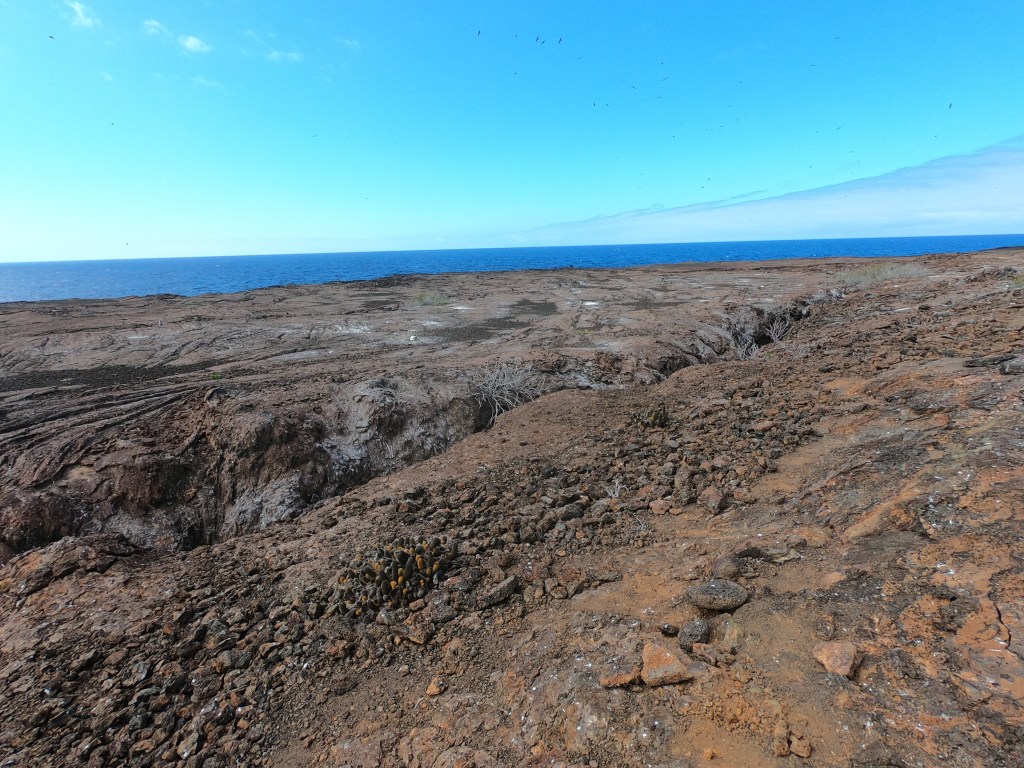
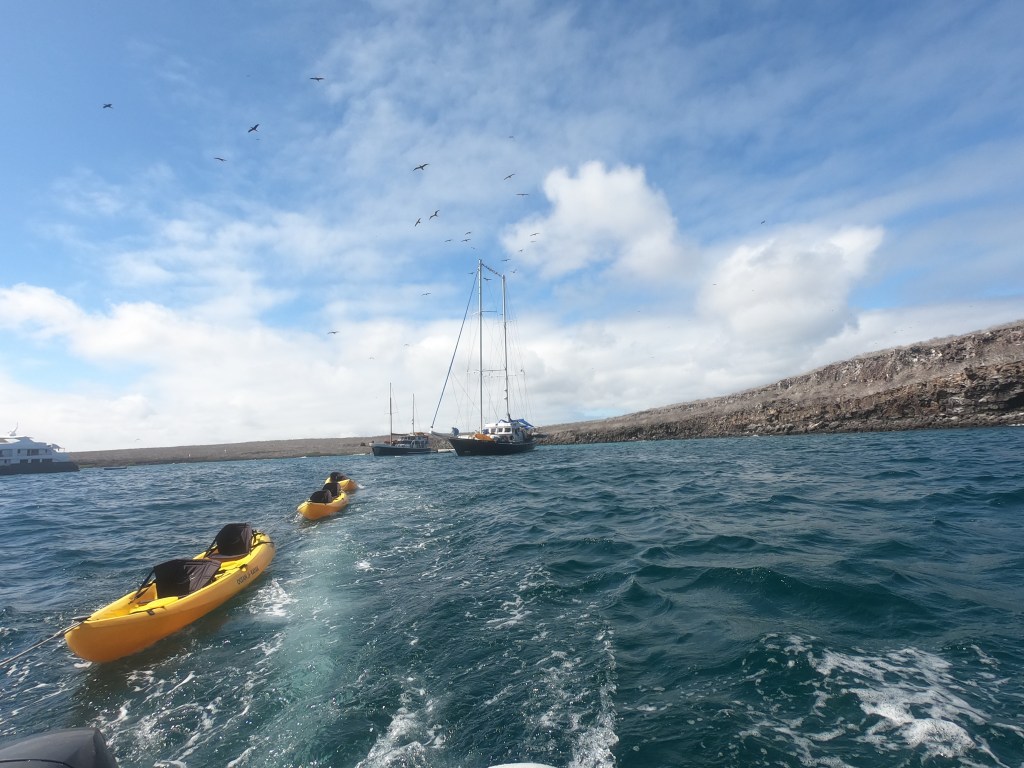
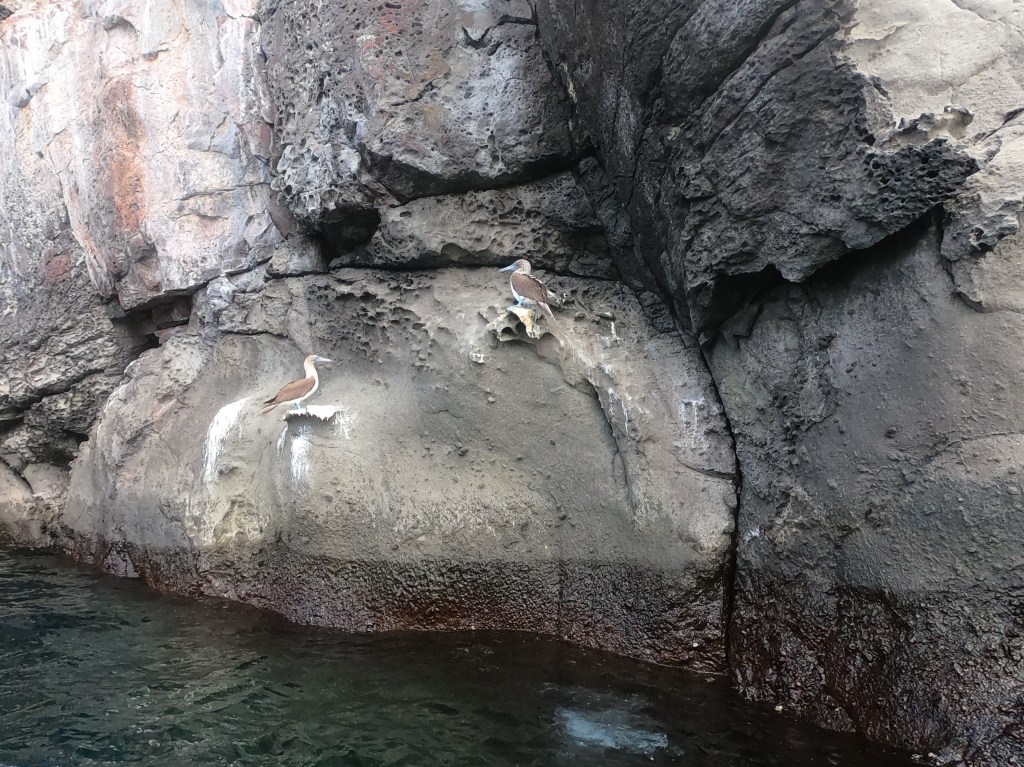
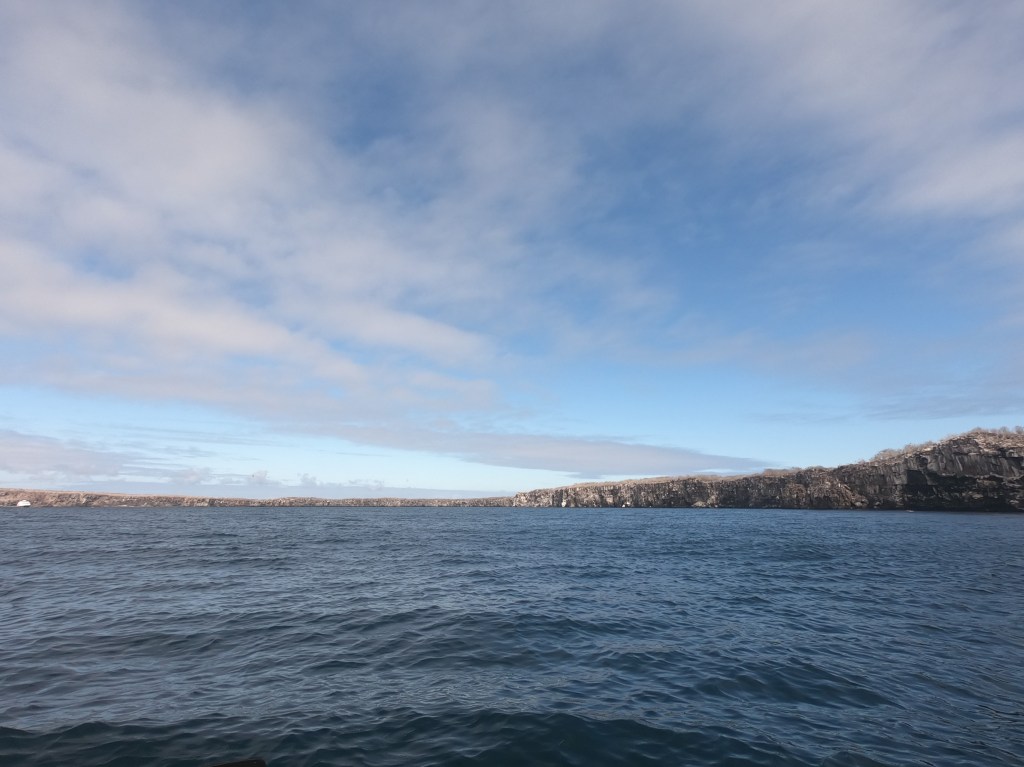
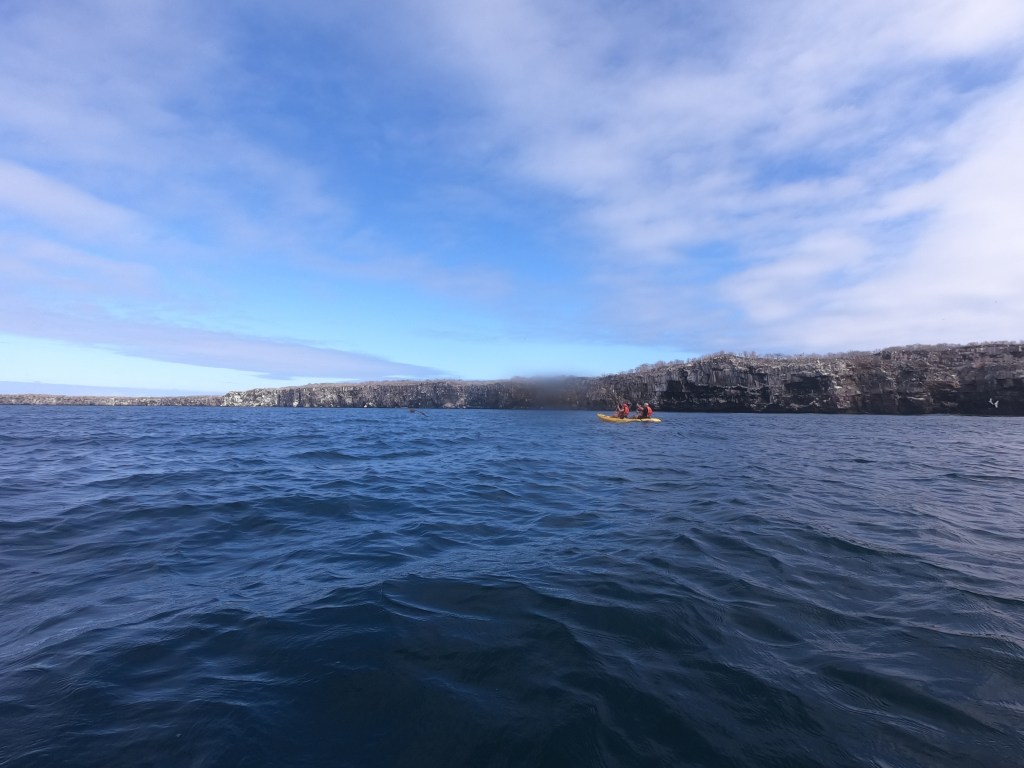
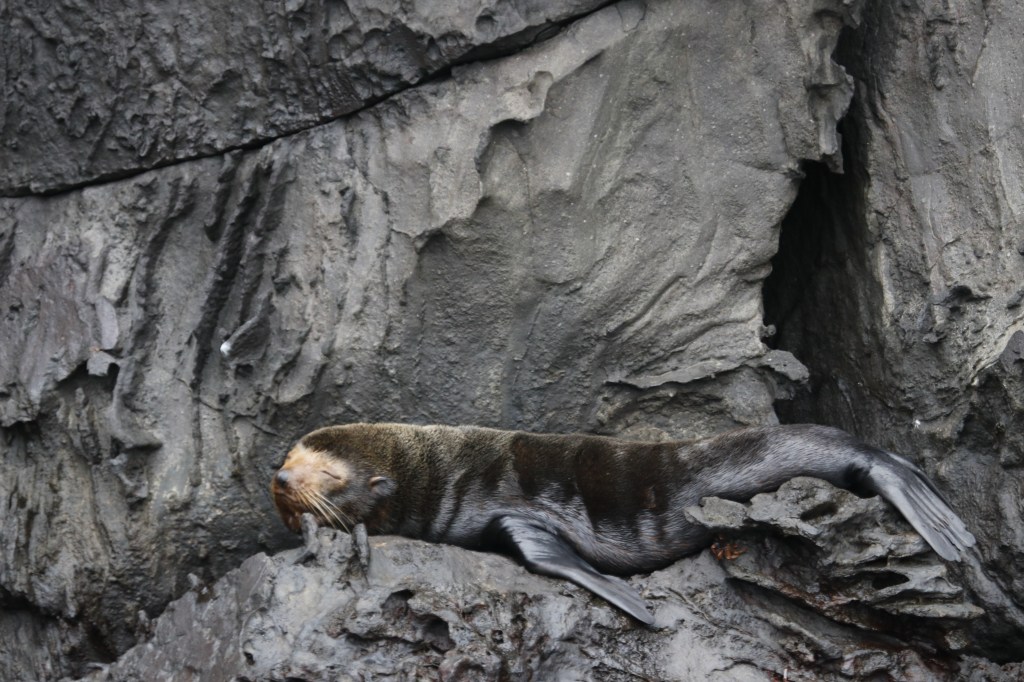
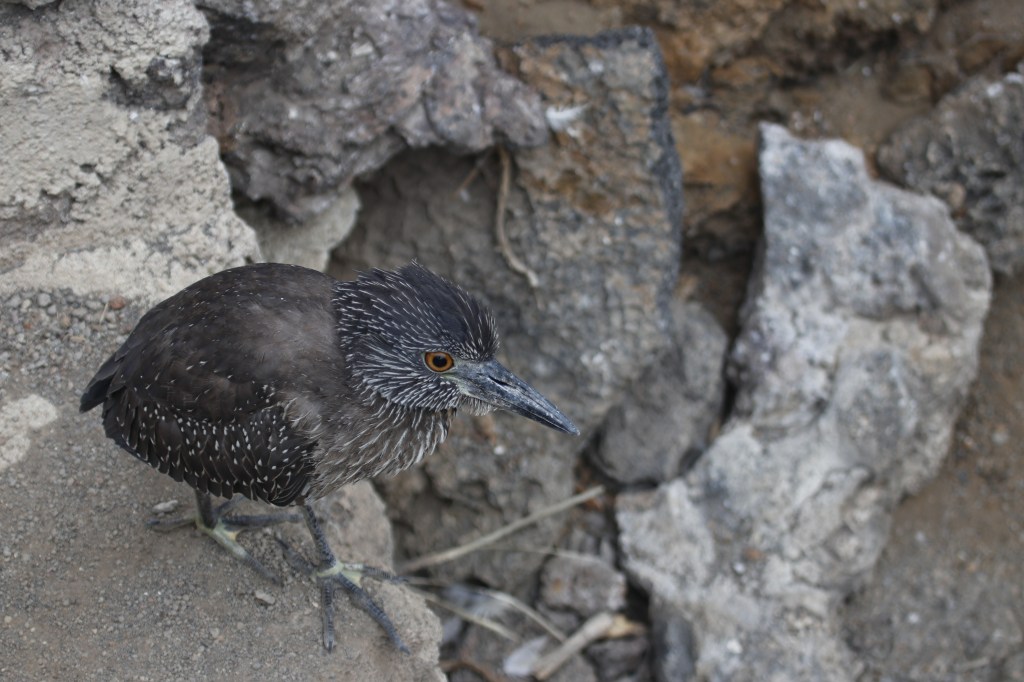
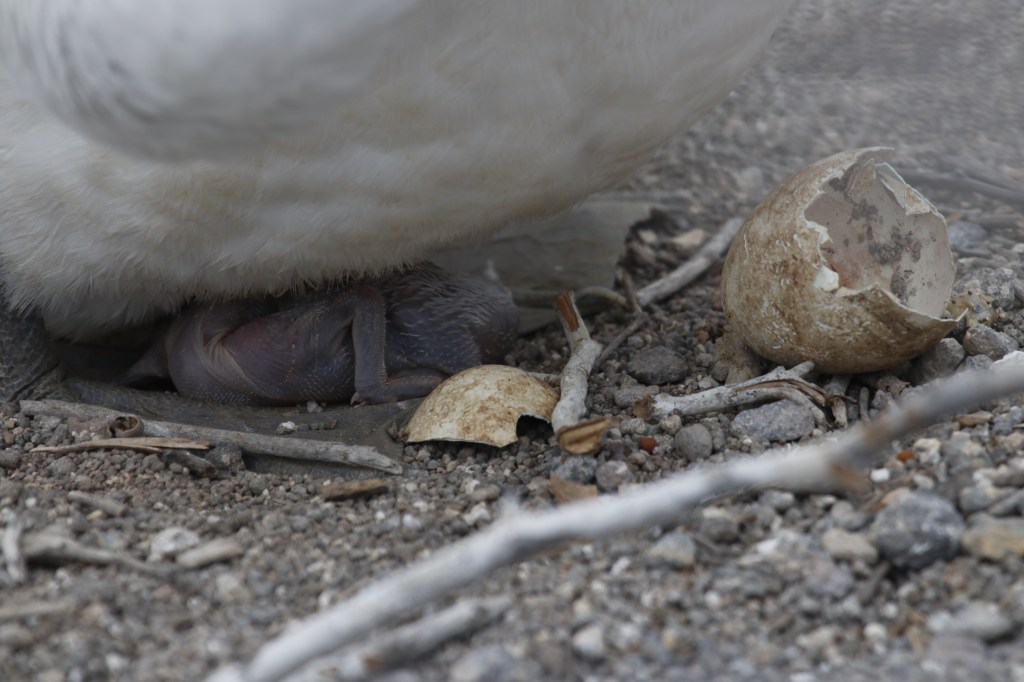
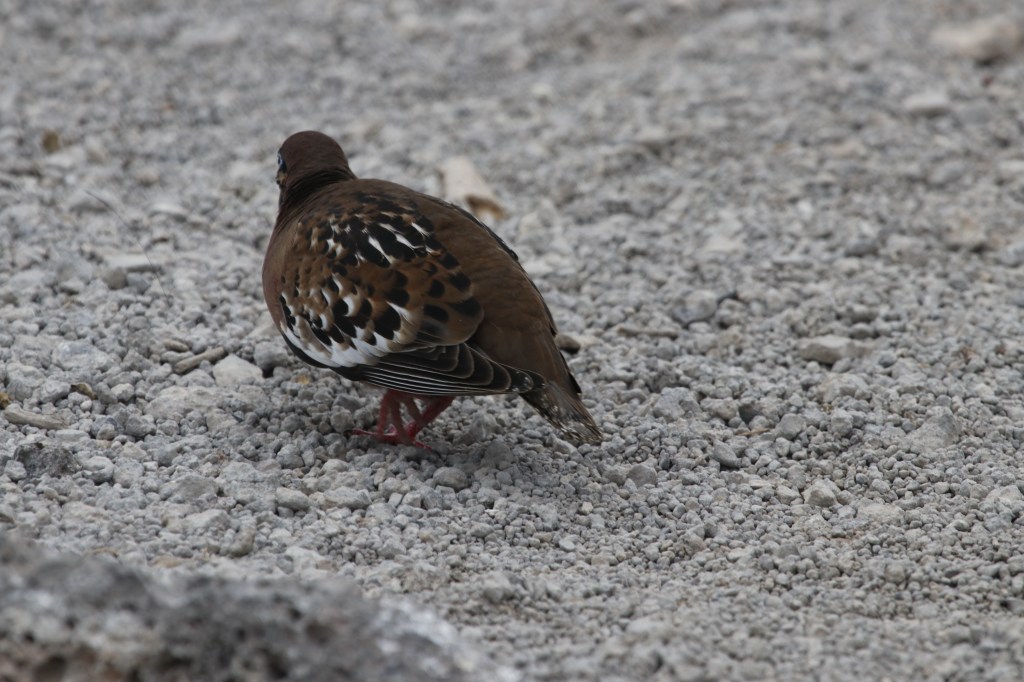
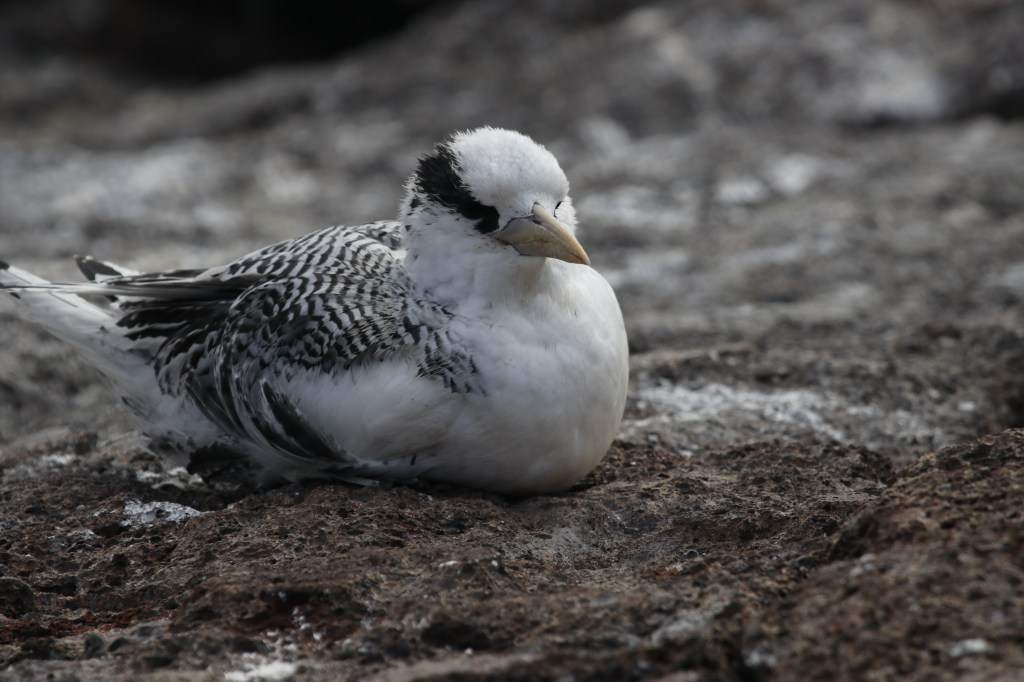
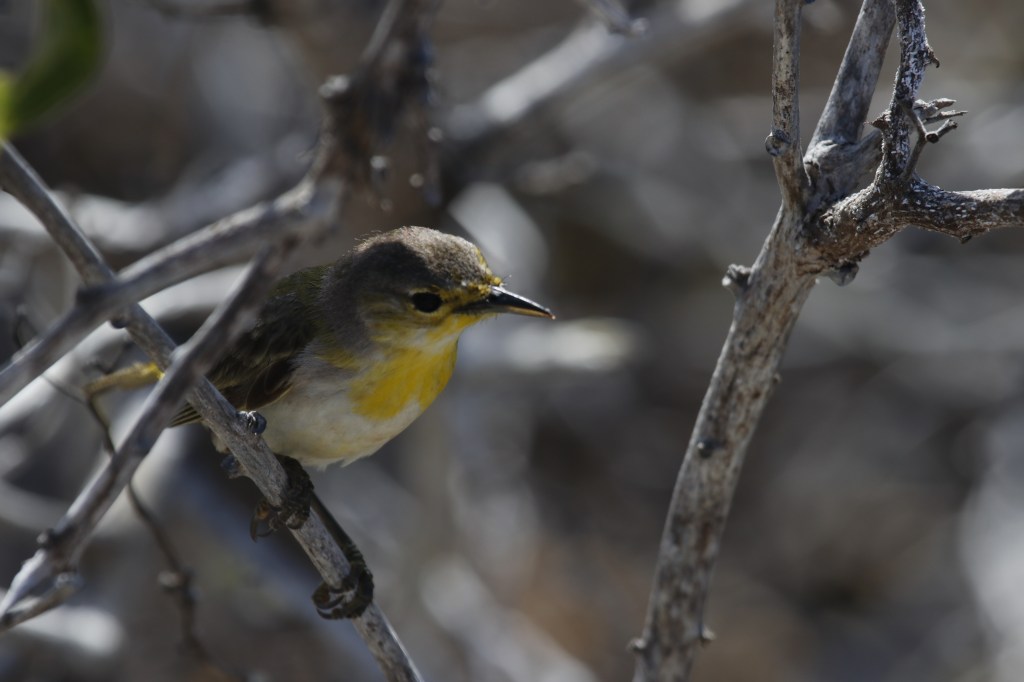
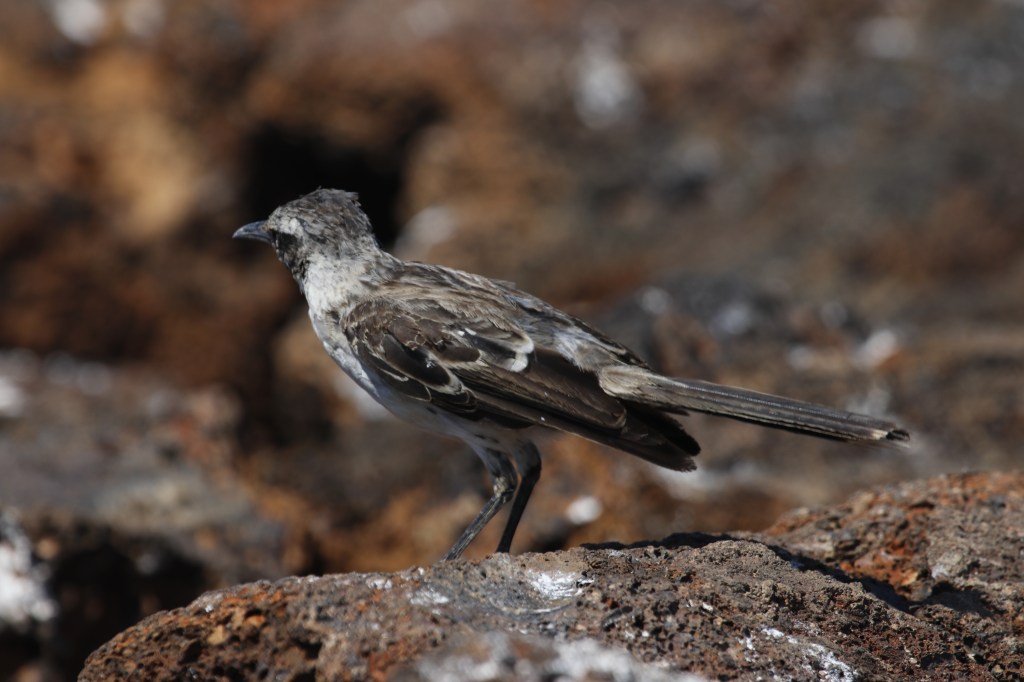
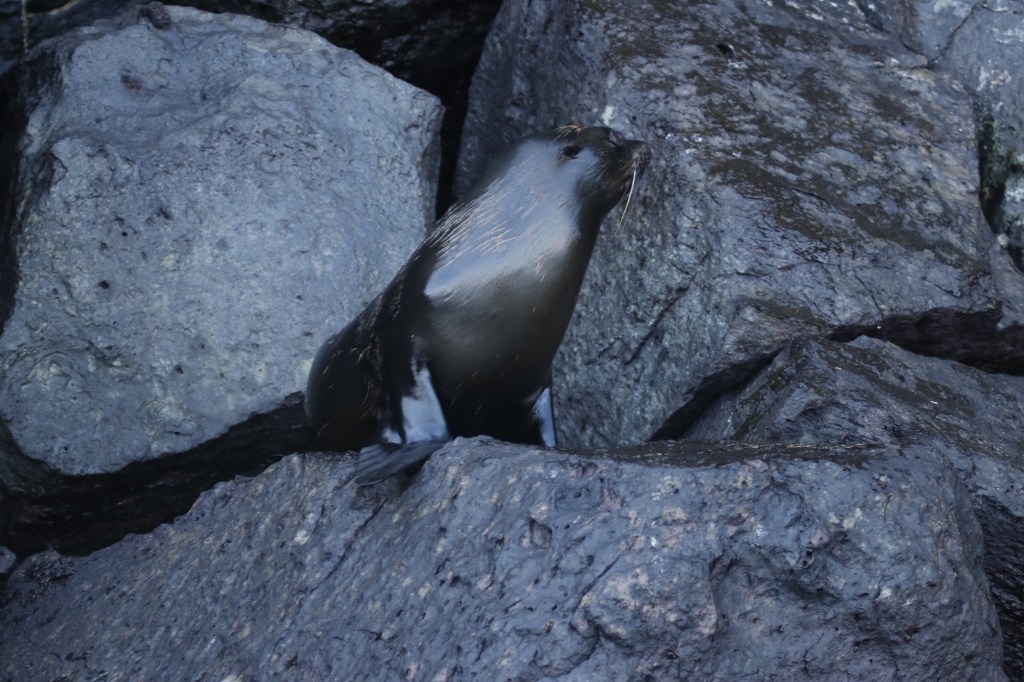
After lunch we went kayaking along the cliffs and saw 2 blue footed boobies – which are very rarely seen here. Nazca boobies and blue footed boobies usually are not seen in the same place. They don’t get on because they are both ground nesting. However, red footed will get on fine with either. Red foots nest in the bushes.
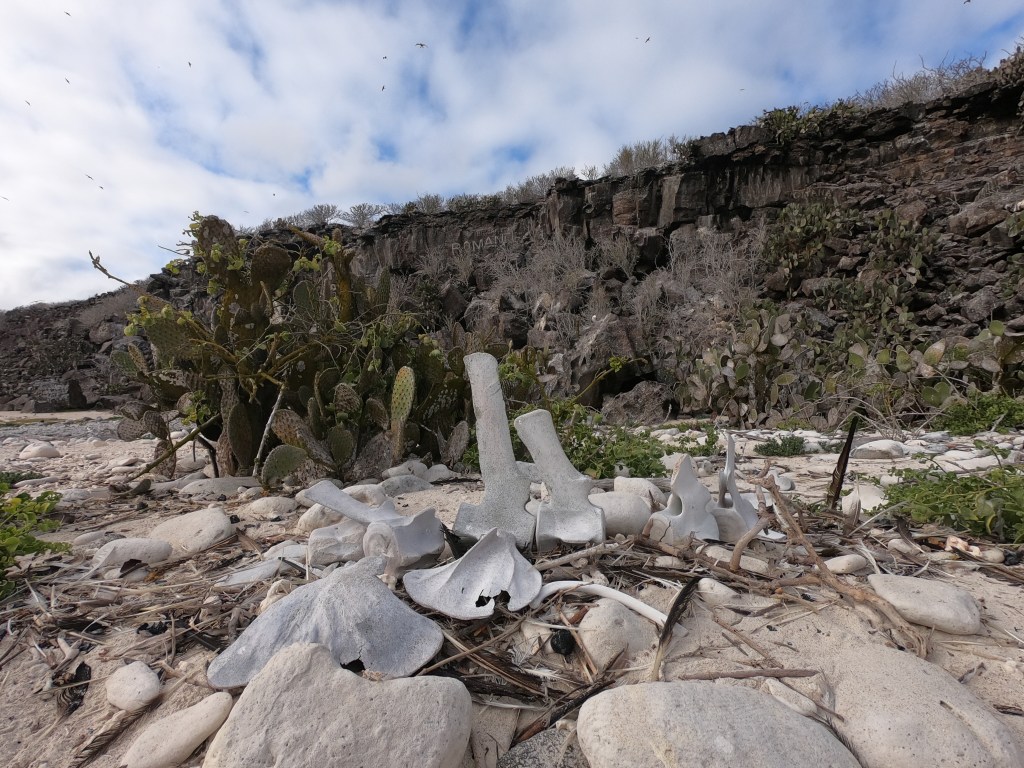
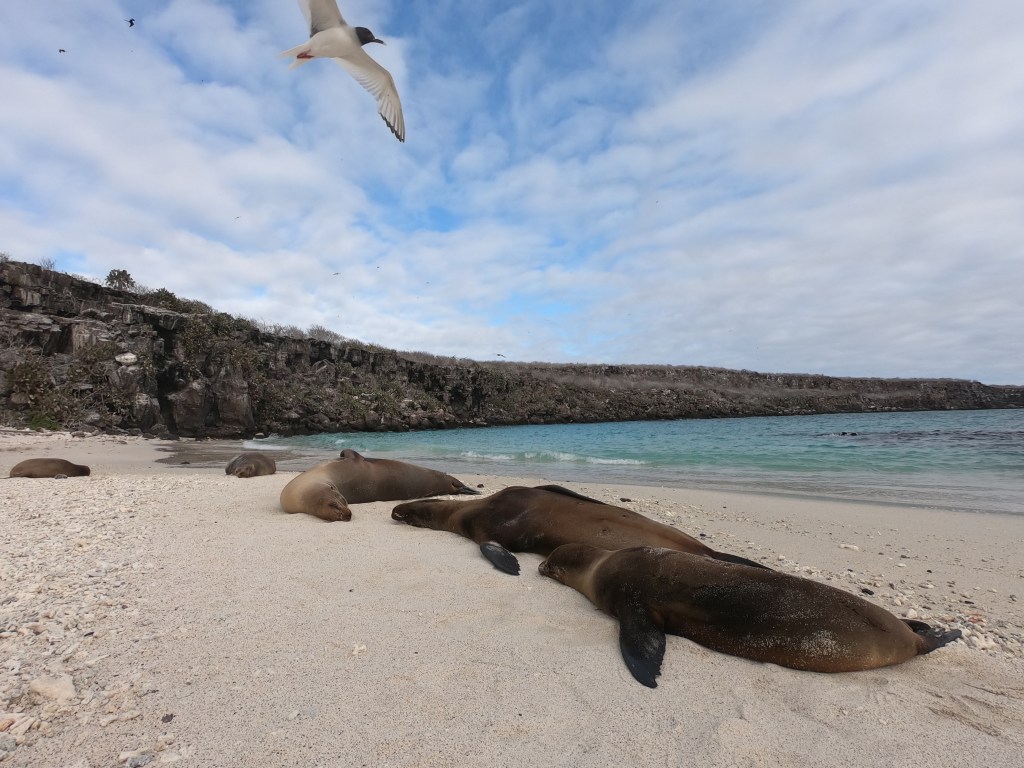
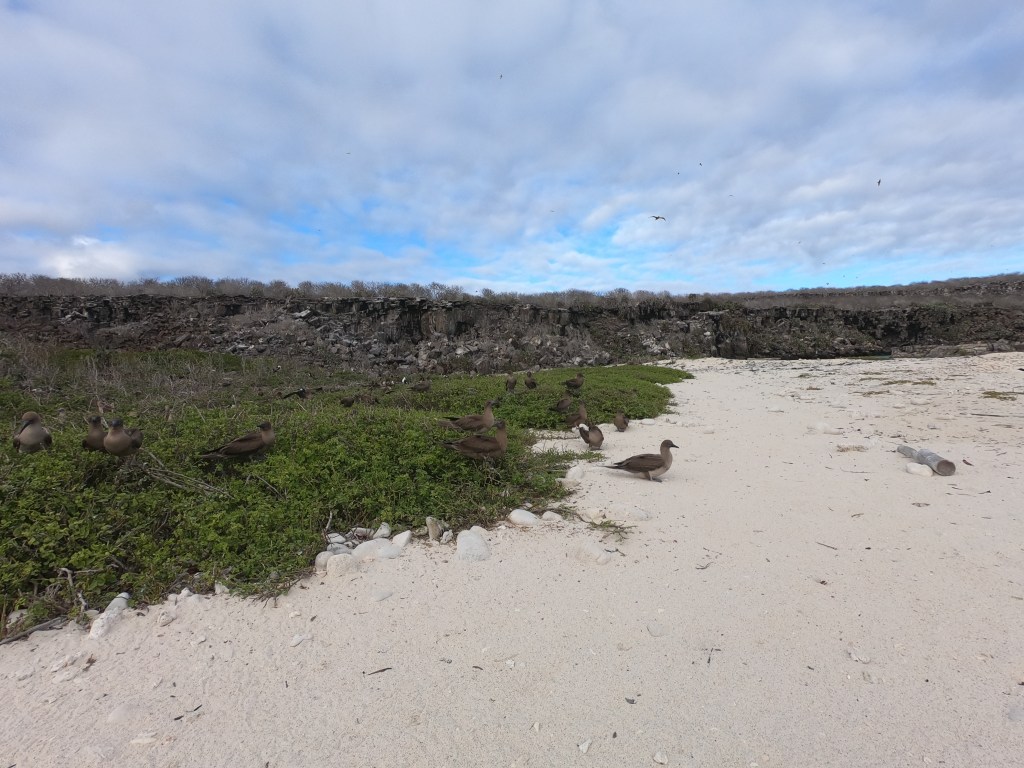
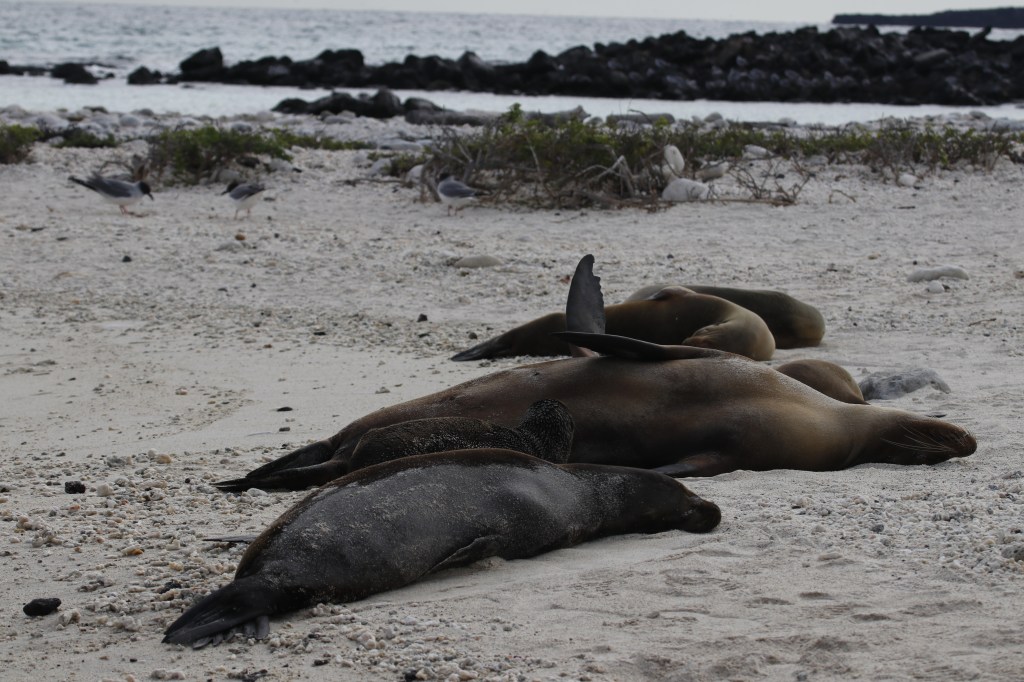
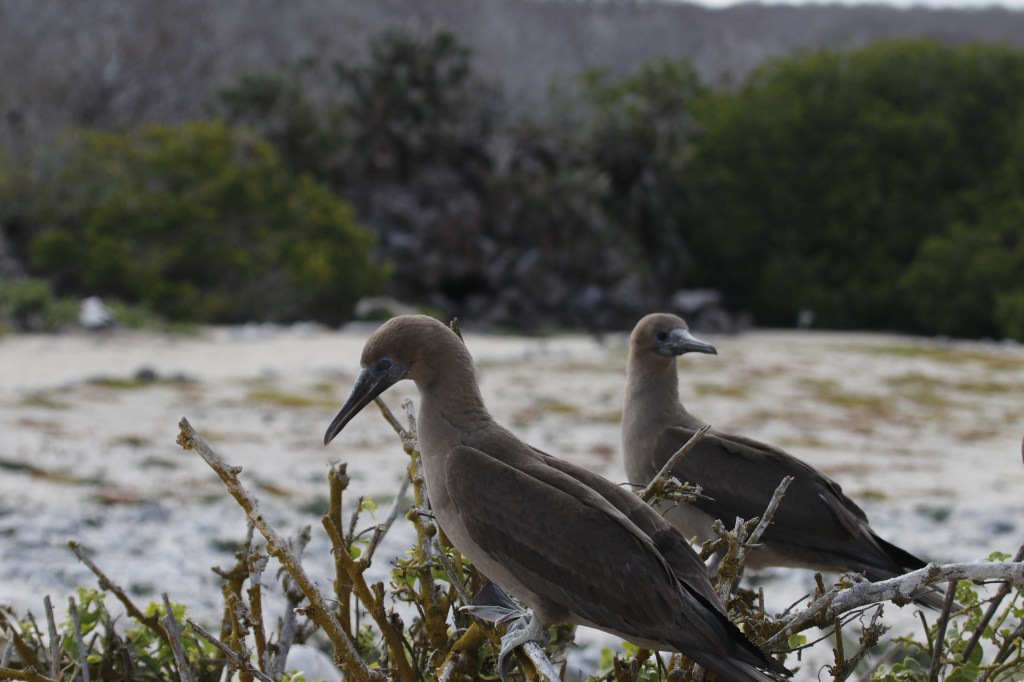
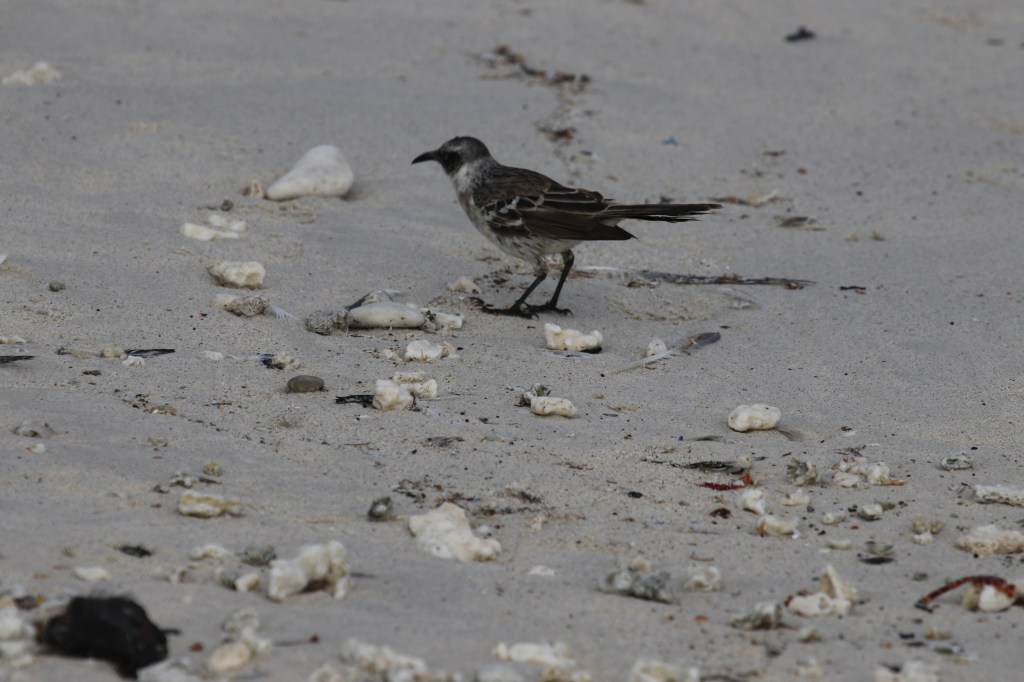
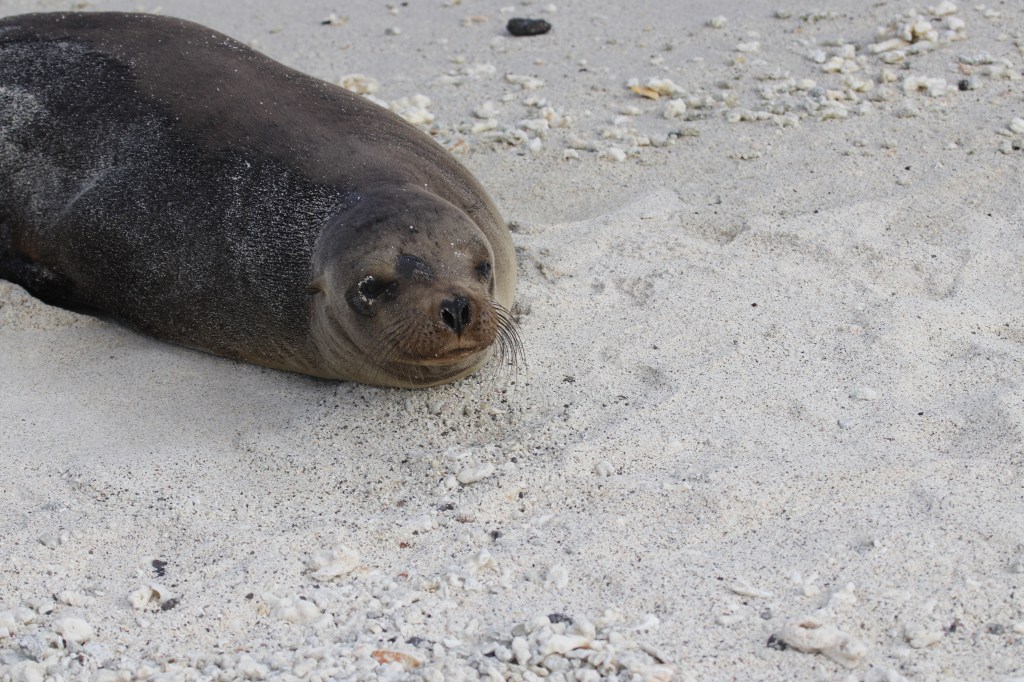
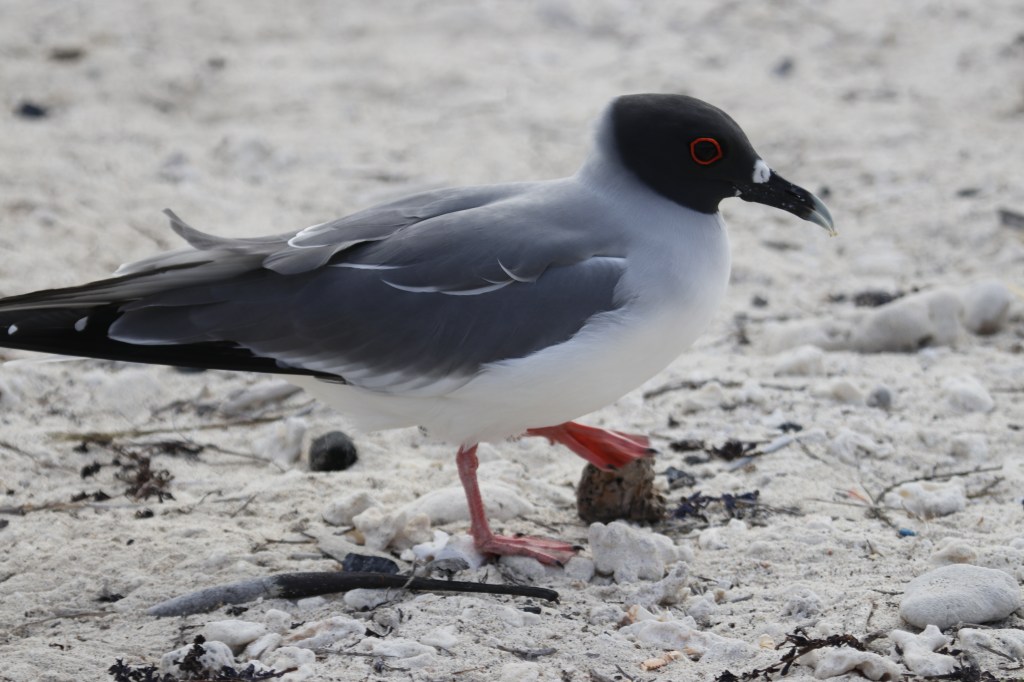
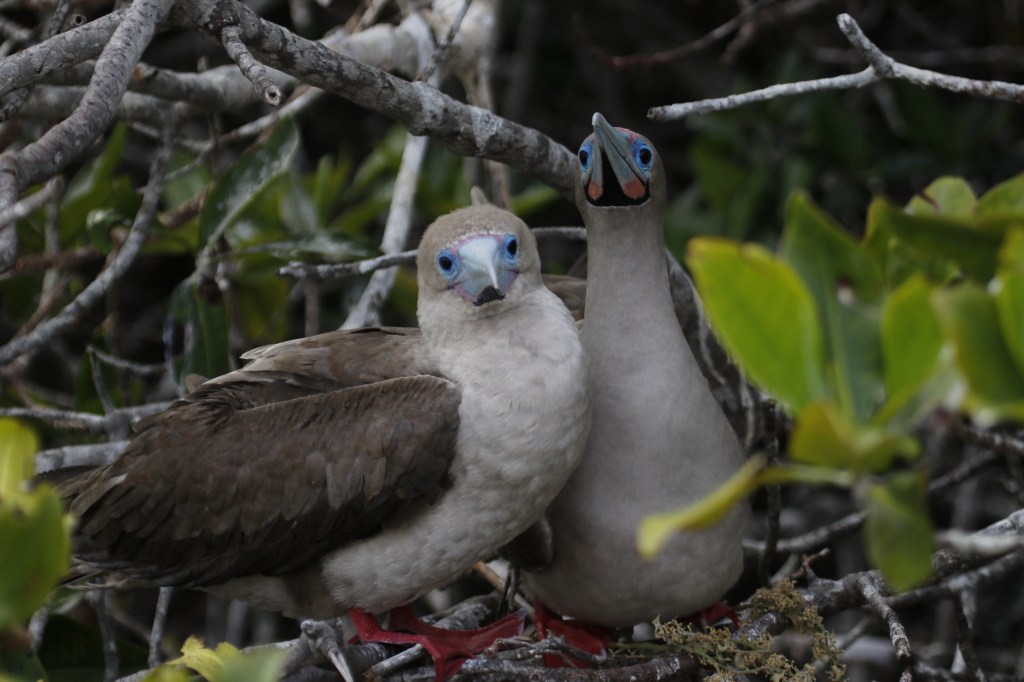
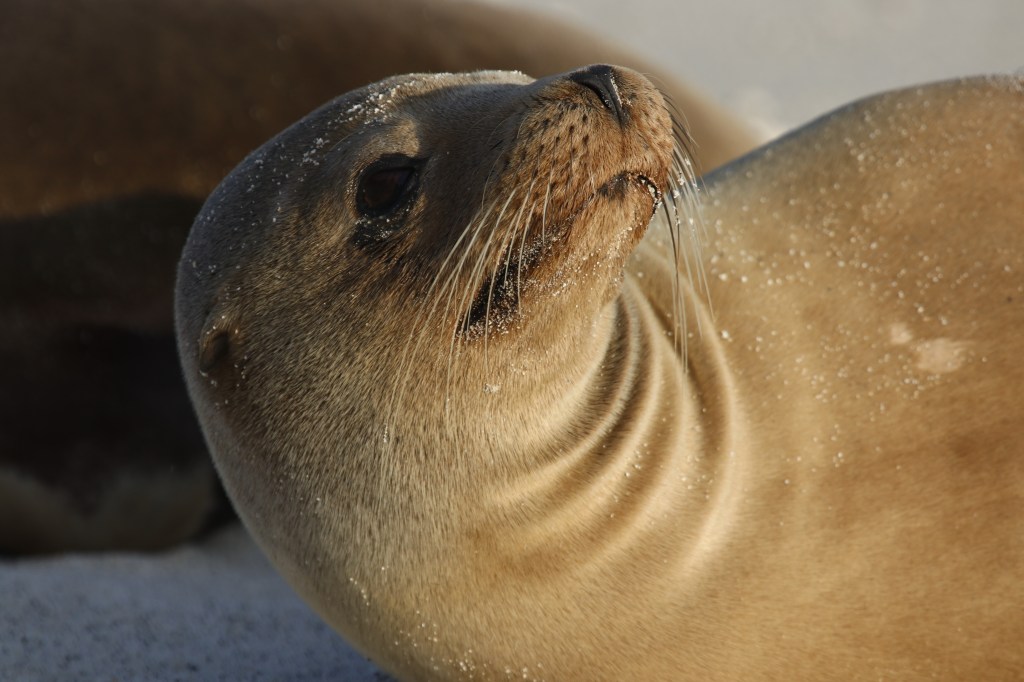
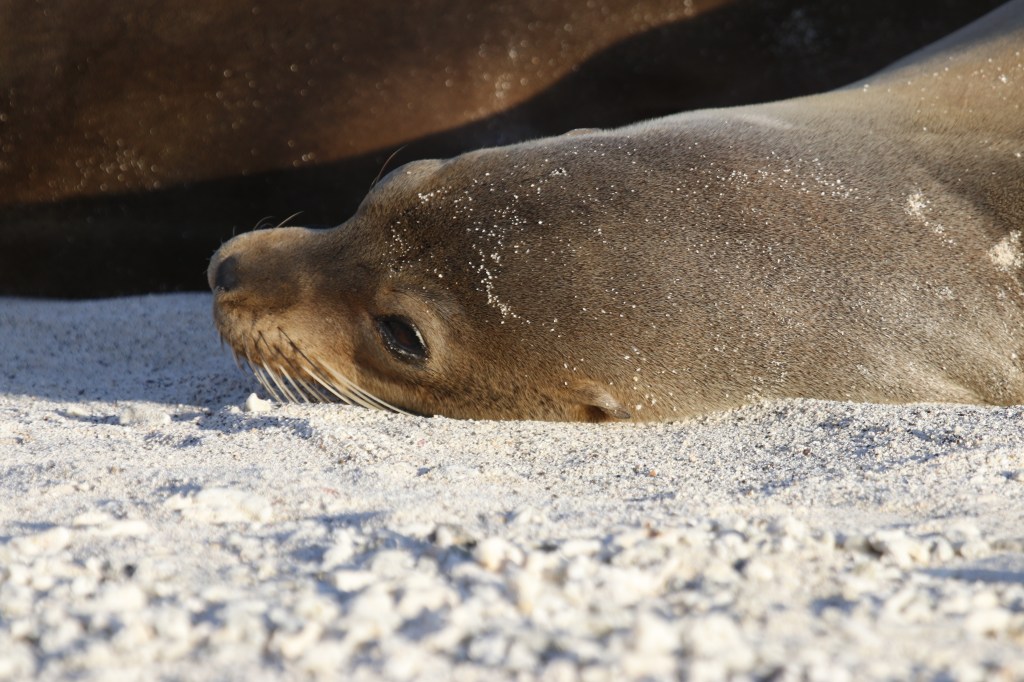
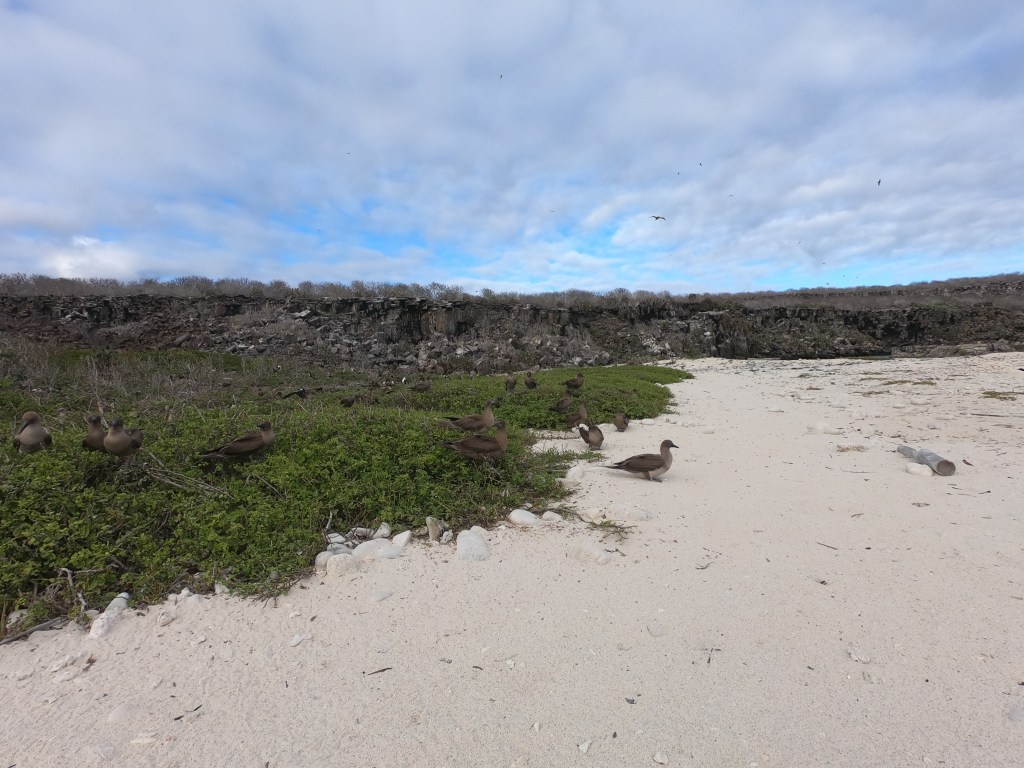
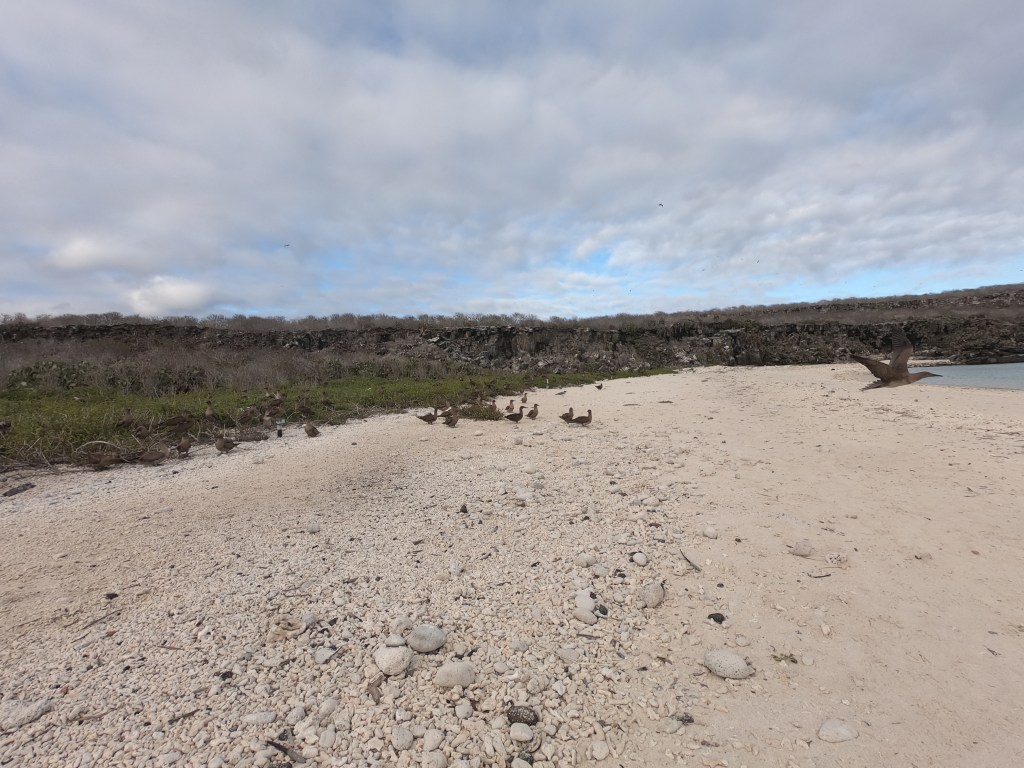
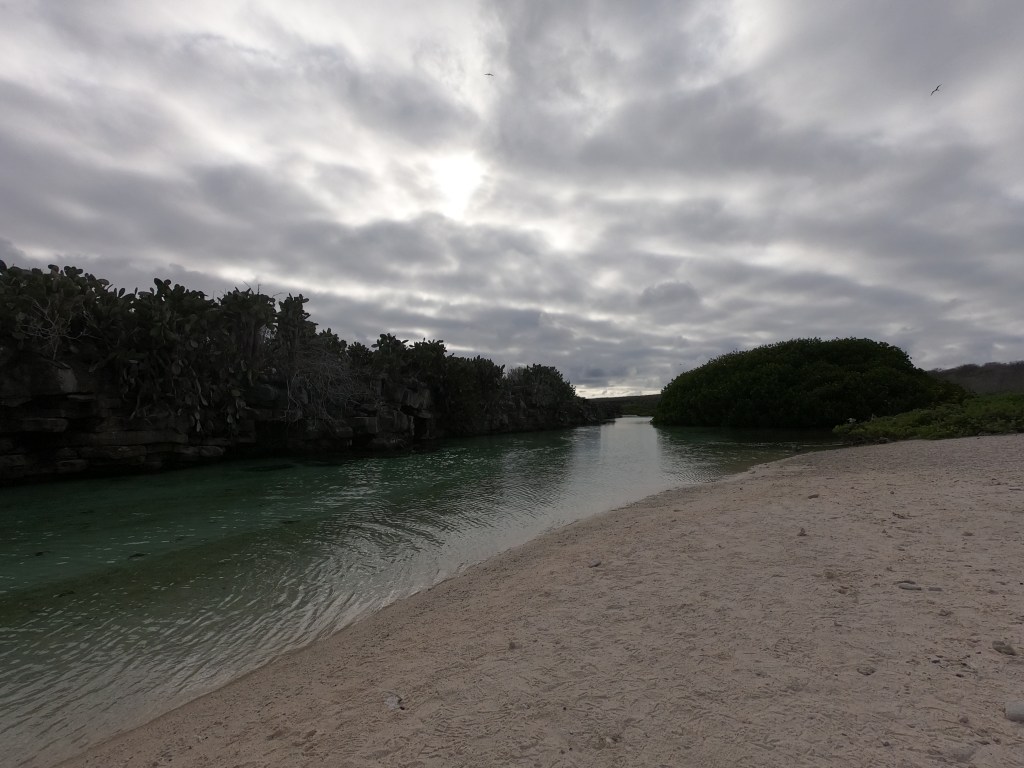
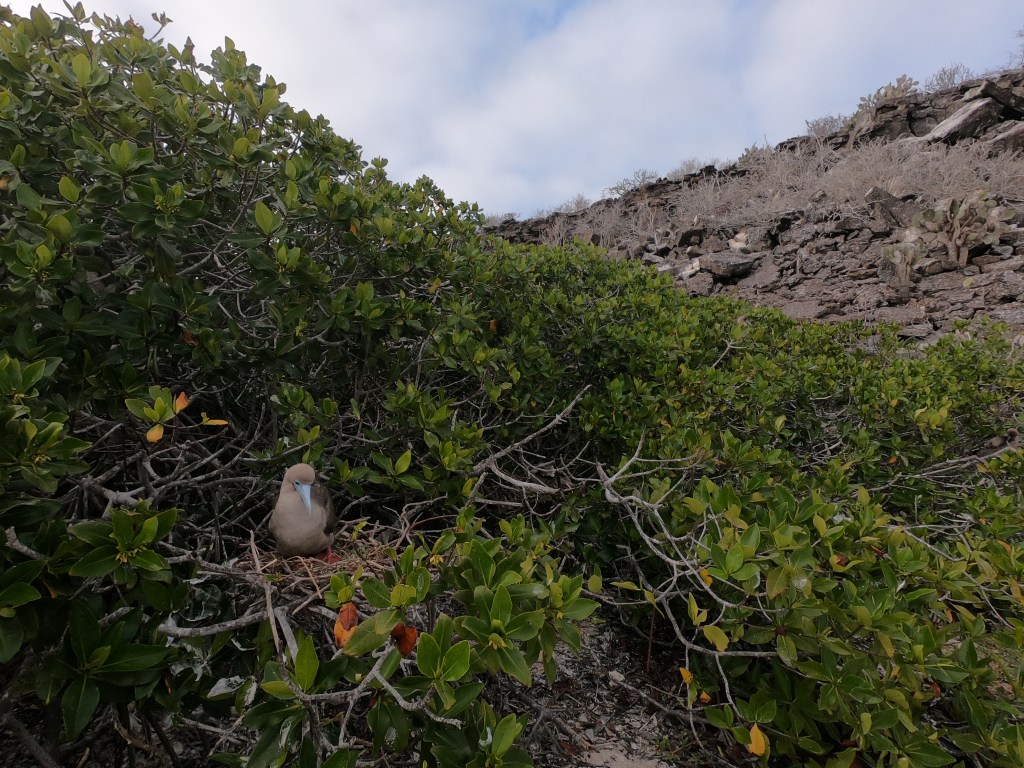
In the evening, we went for a walk along the beach at Darwin bay, watching hundreds of young red footed boobies, frigates and swallow-tailed gulls.
14/11/19 – Santiago
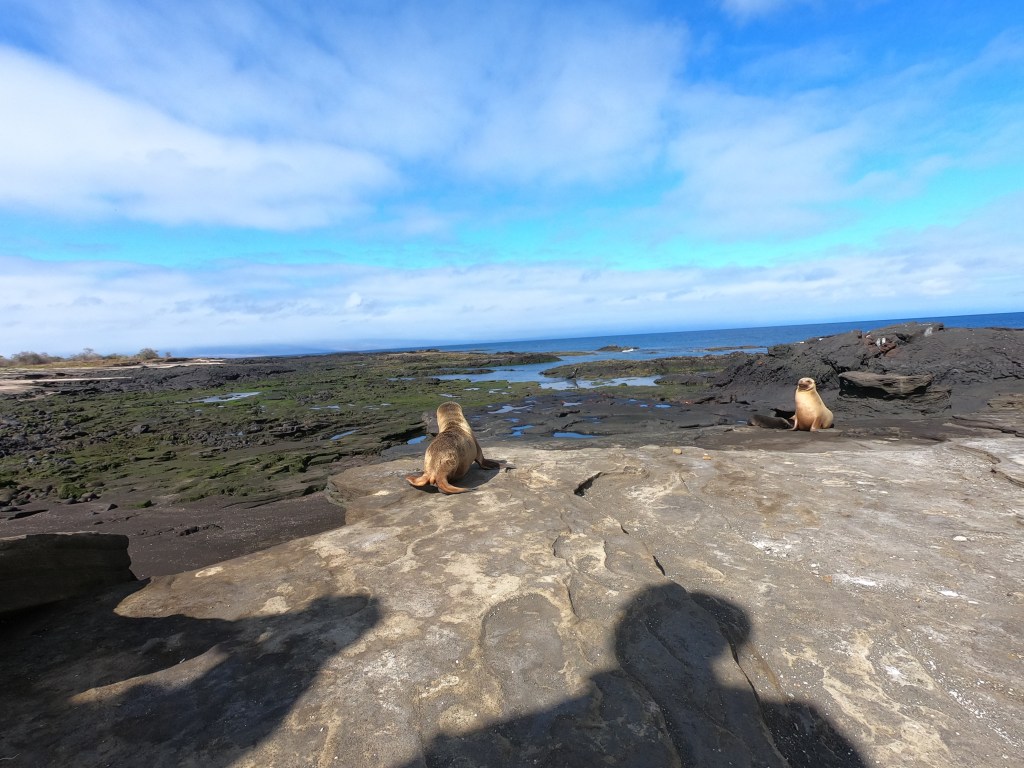
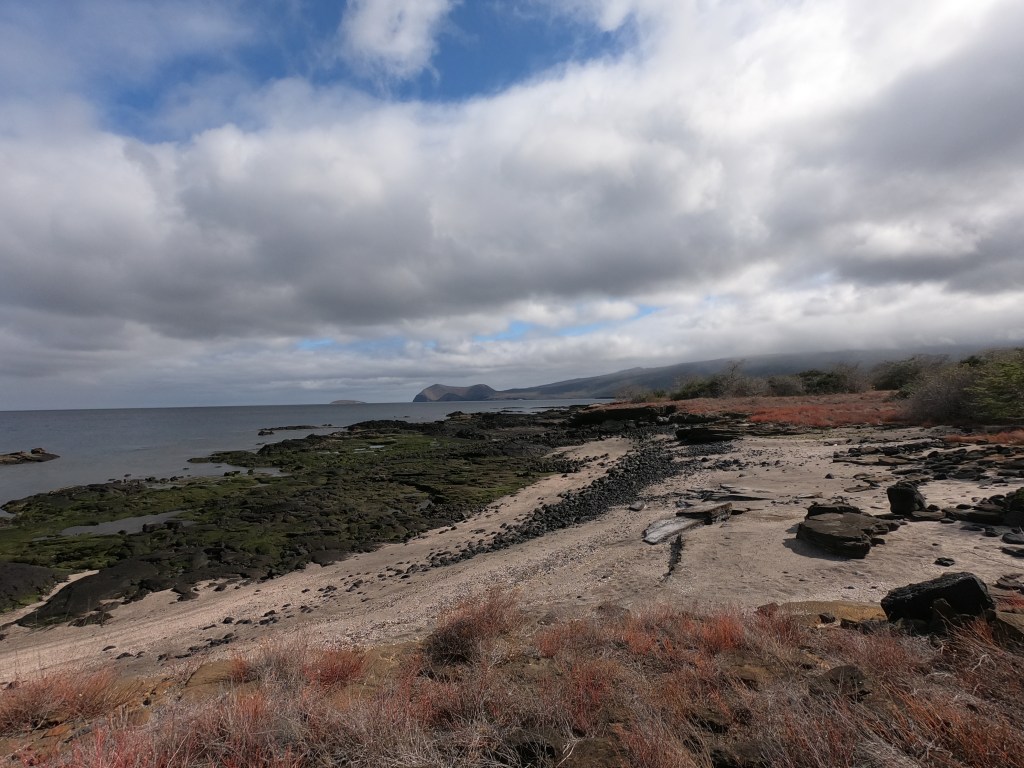
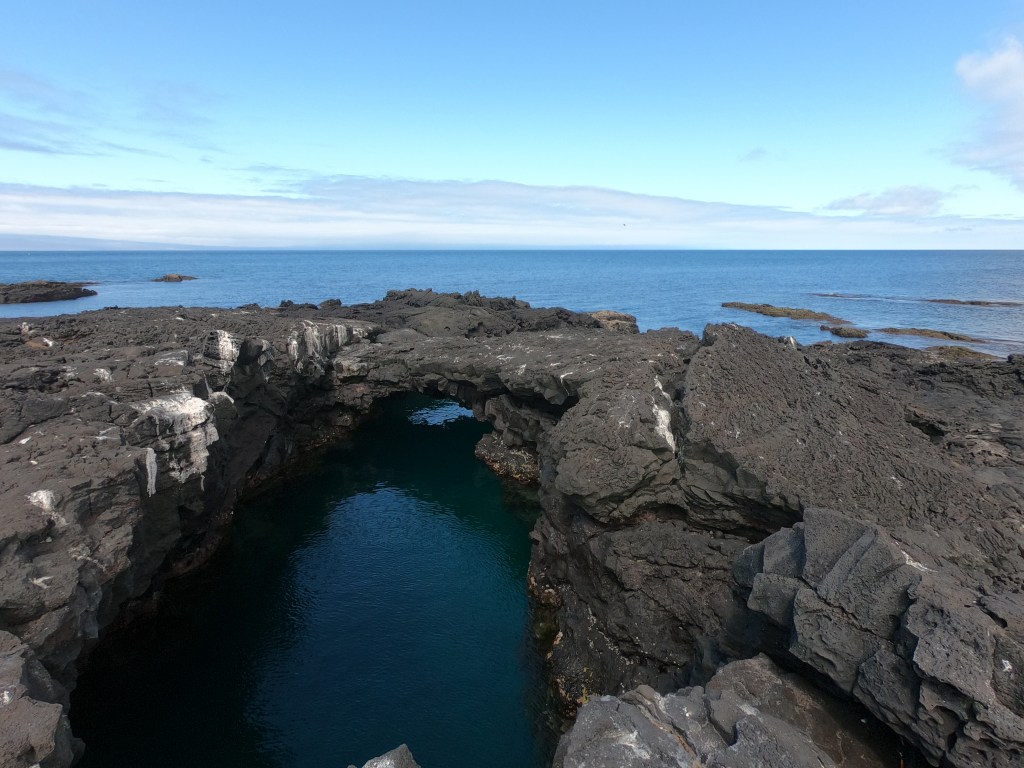
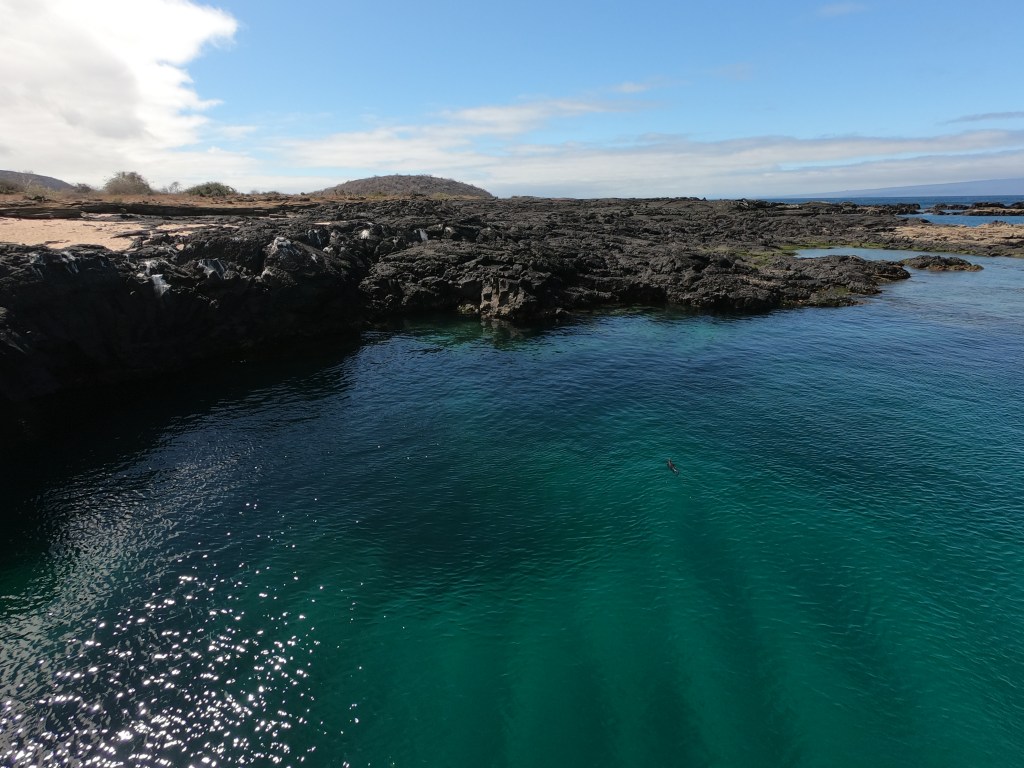
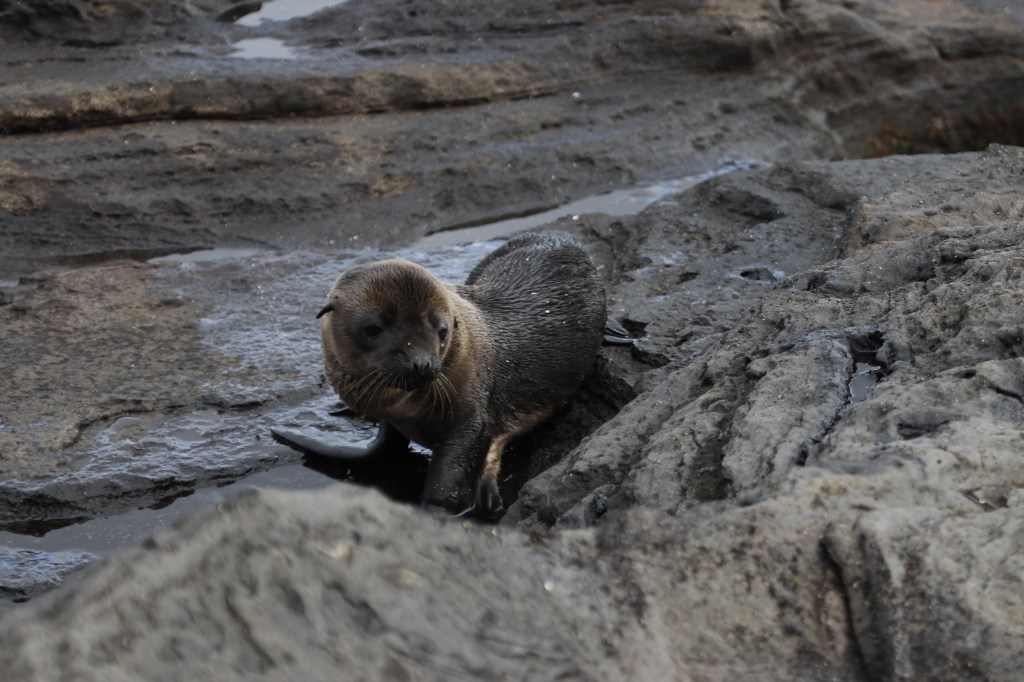
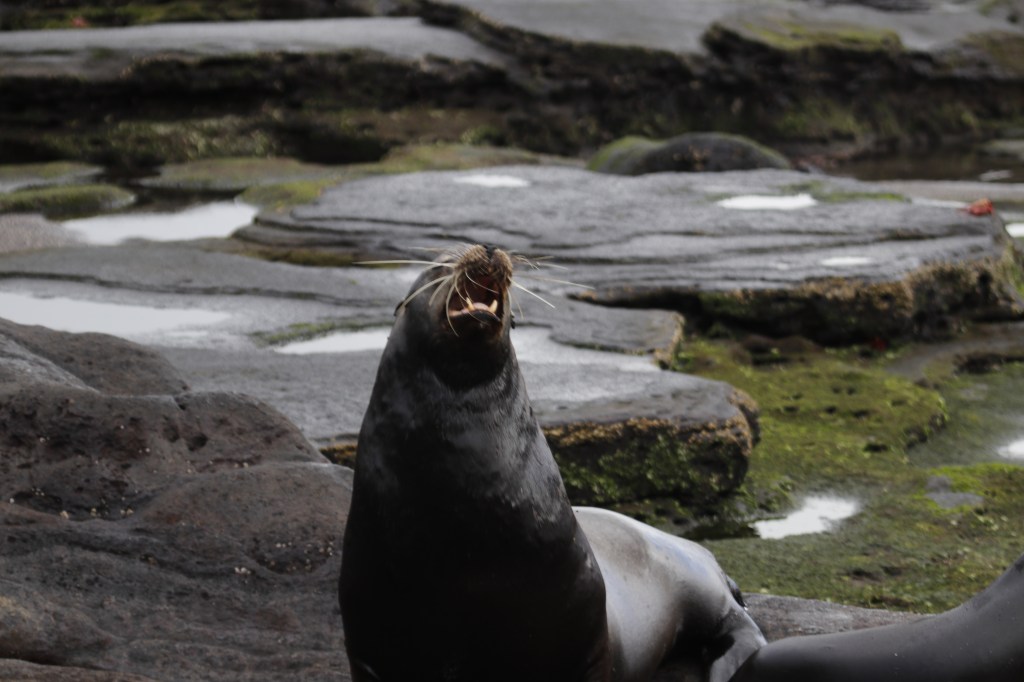
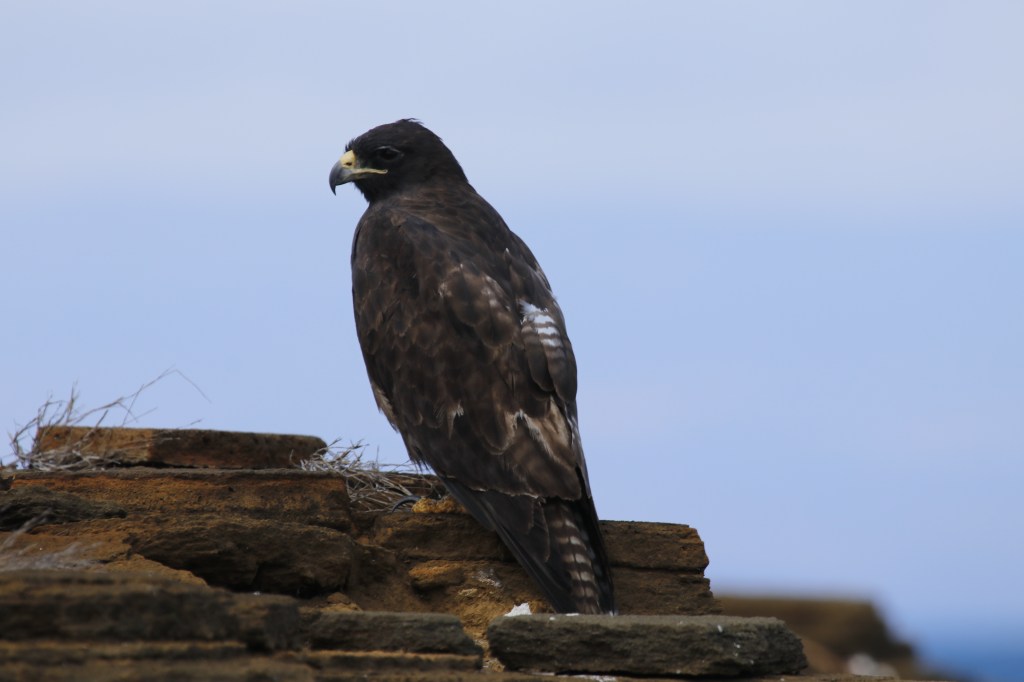
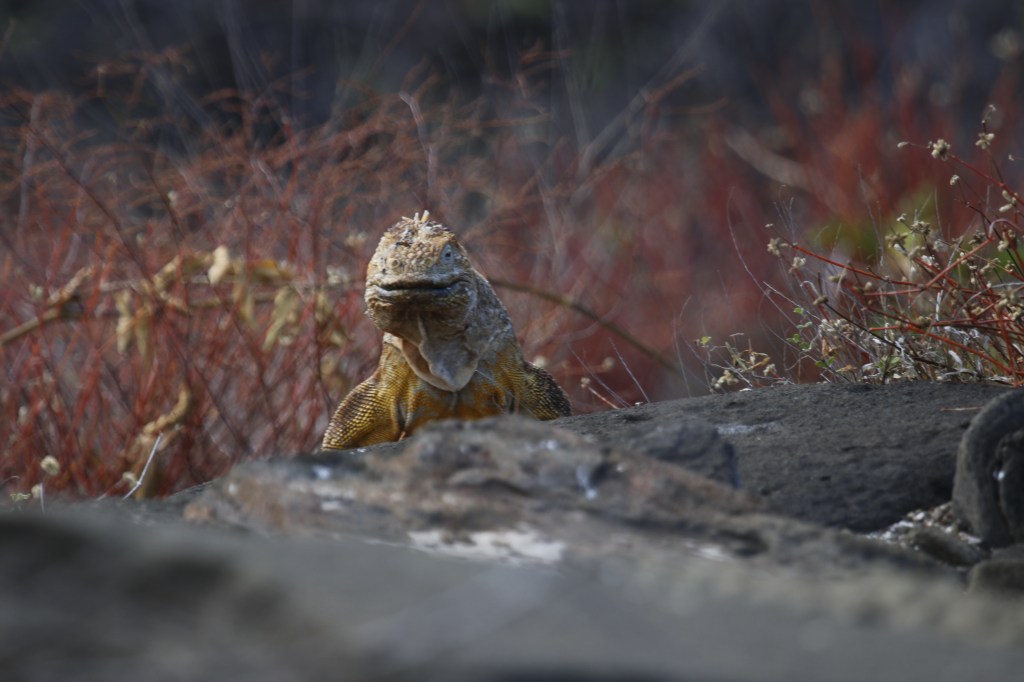
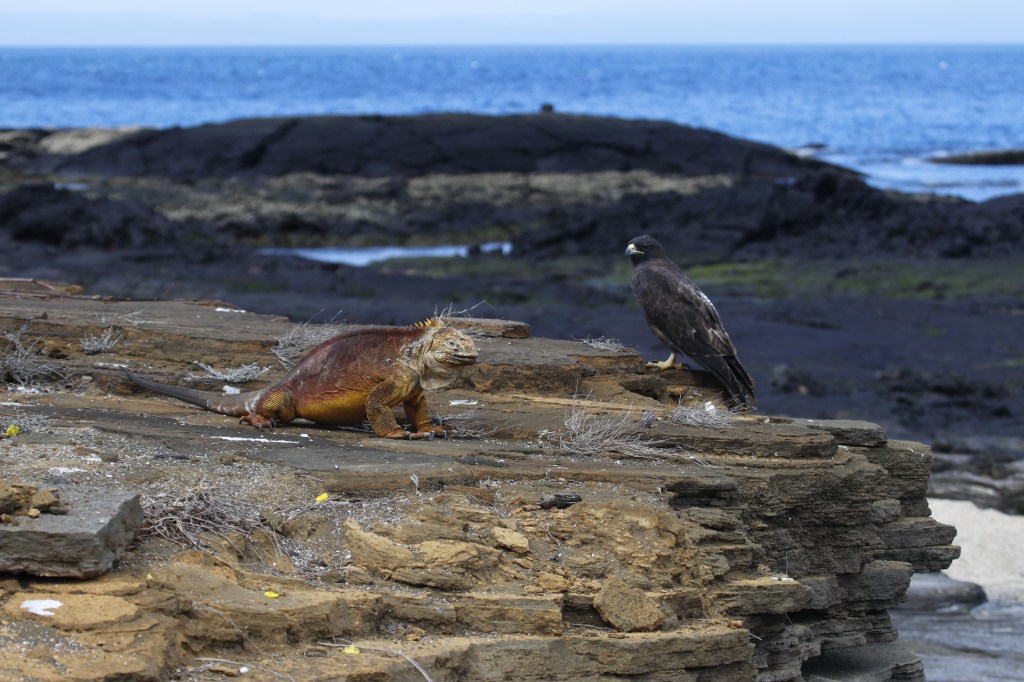
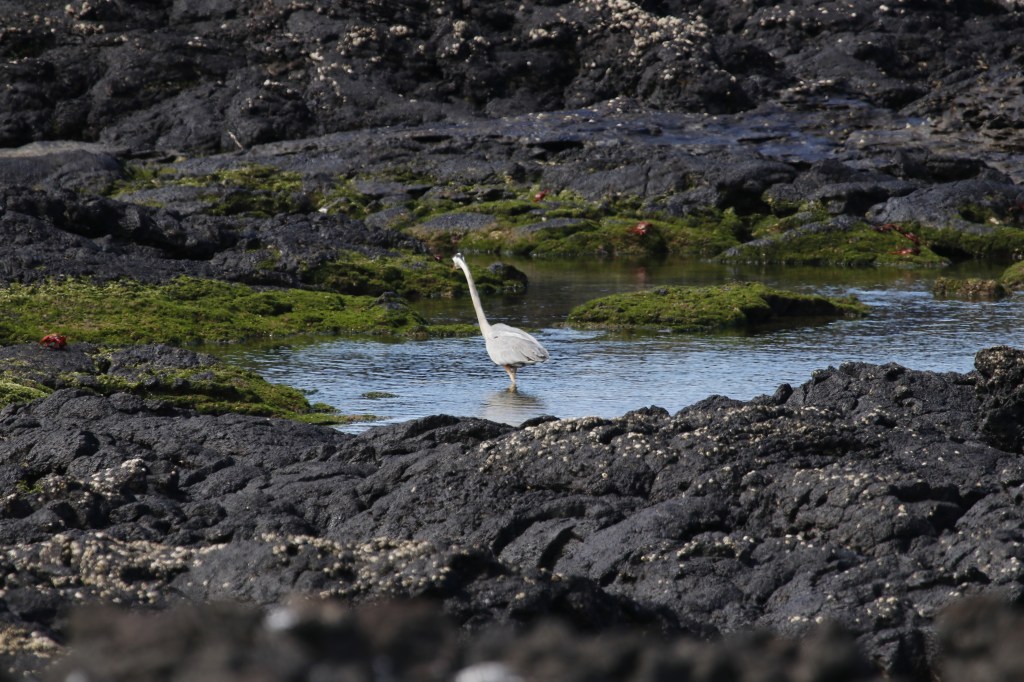
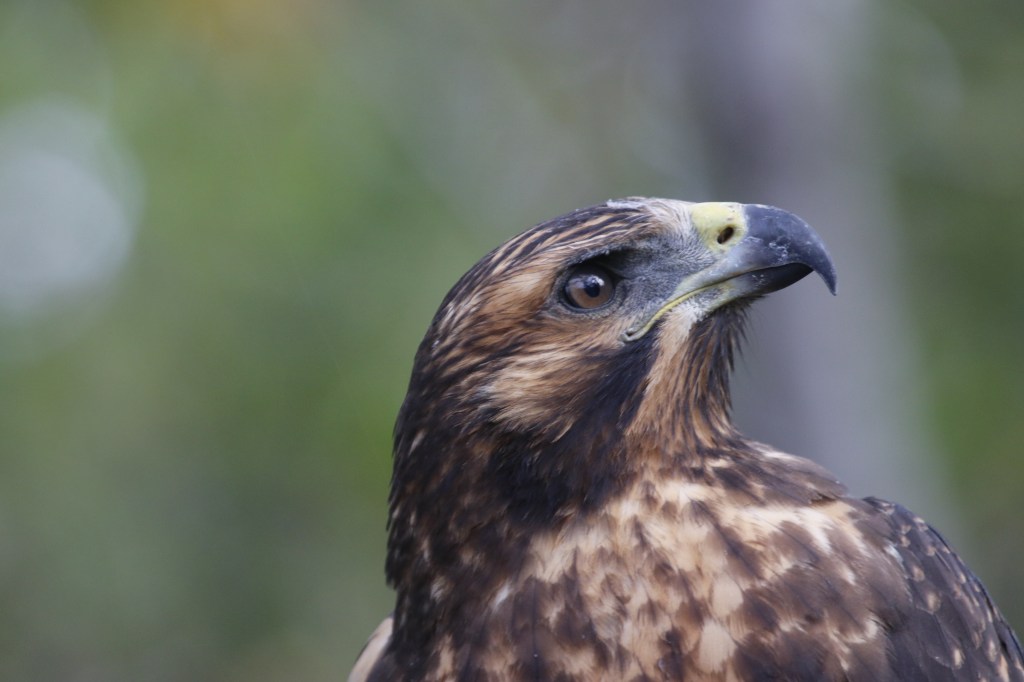
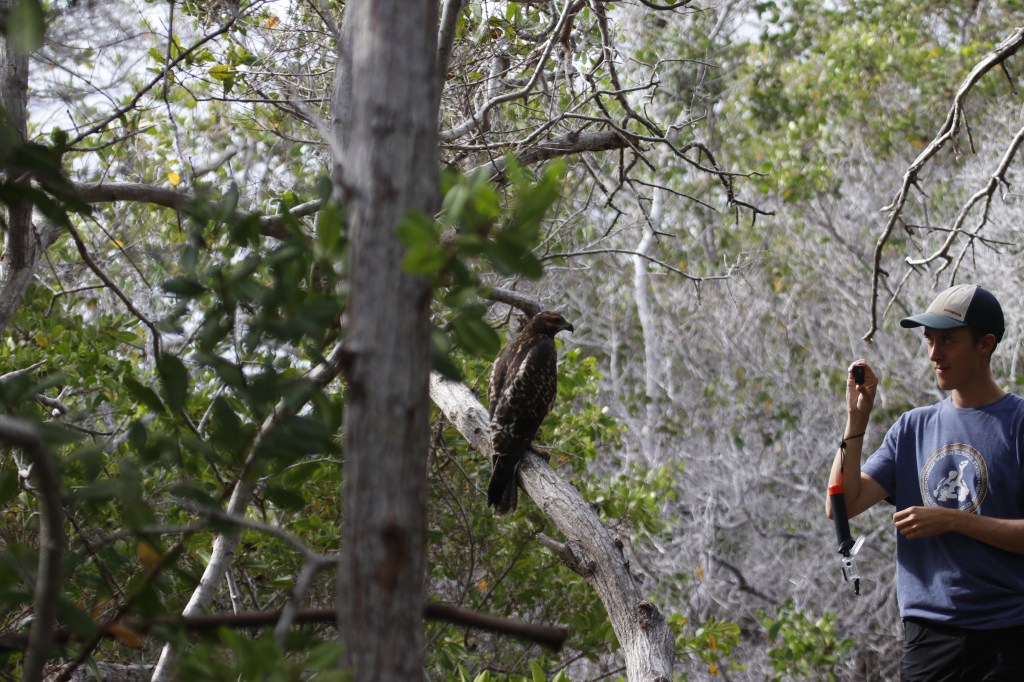
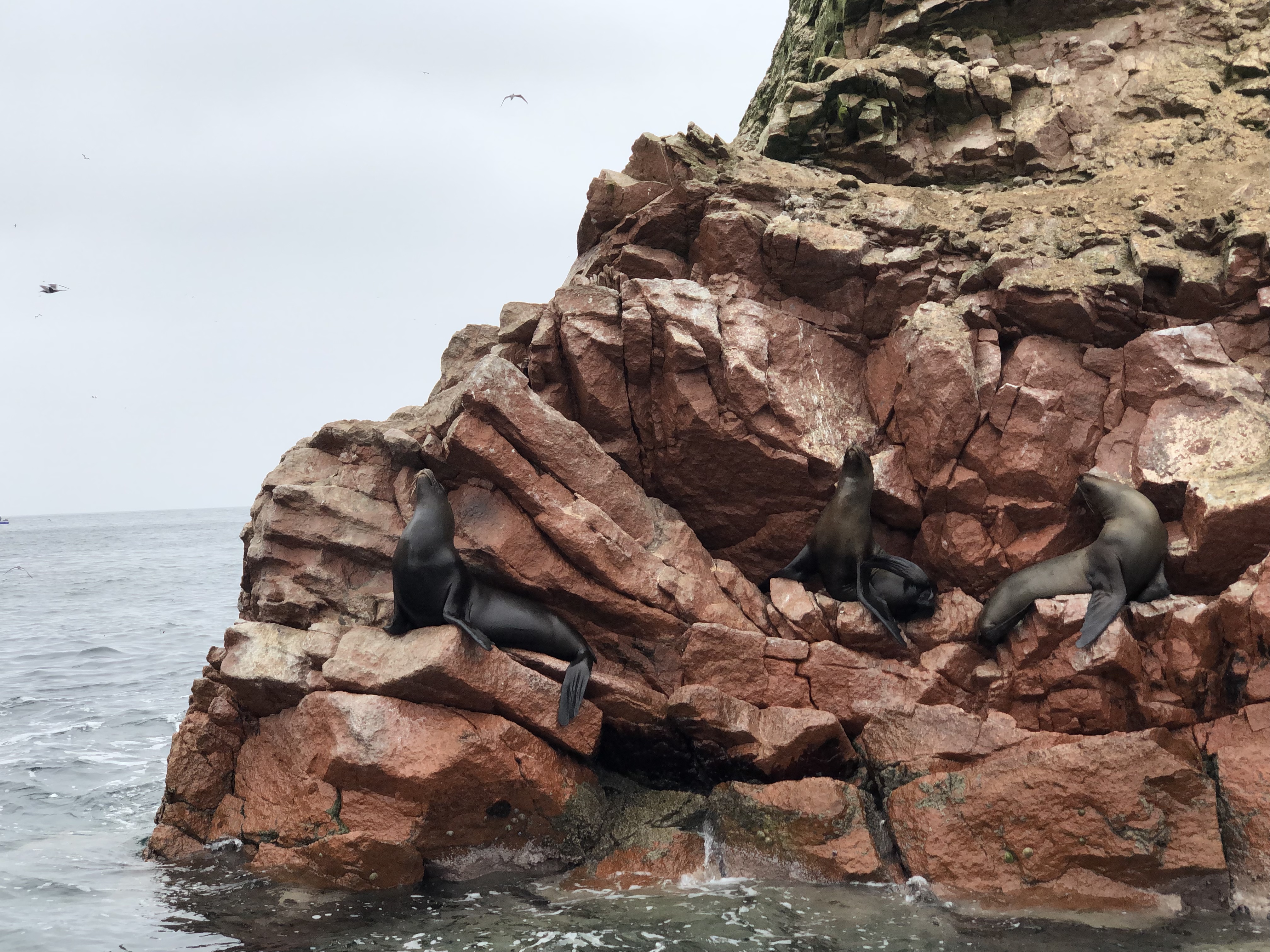
We had breakfast and took a went landing on the black beach of Puerto Egas, Santiago. We were greeted by one of the biggest male sea lions our guide (Harry) has ever seen, as well as a few females and pups (1-2 weeks old). In the 1920’s there used to be a salt mine here, and there is still some evidence of this. A couple of buildings, water tanks, and the remains of animal pens that held goats, donkeys and horses. Along the walk we saw a few Galapagos Hawks in the air, before seeing one sitting on the rocks by the sea. After approaching closer, we saw a land iguana. Land iguanas went extinct from Santiago a long time ago, but 1,400 were taken from Seymour and introduced again here in February 2019. Galapagos hawks will eat small land iguanas. This one was much bigger and knew the hawk was not a threat. It walked right up to it and was only a meter, or even less, away from it. The guide said he had never seen a land iguana and hawk so close together like this before. We also saw 2 yellow crowned night herons, a great blue heron, lots of sea lions (Galapagos sea lions and fur sea lions), numerous lava lizards, yellow warblers, pelicans, Galapagos doves.
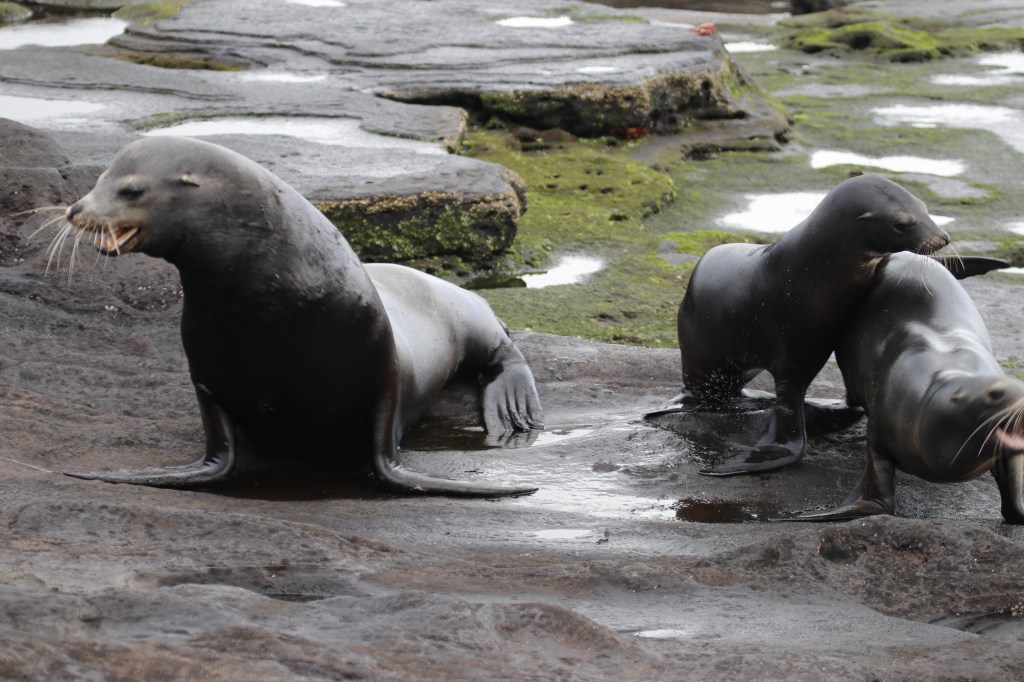
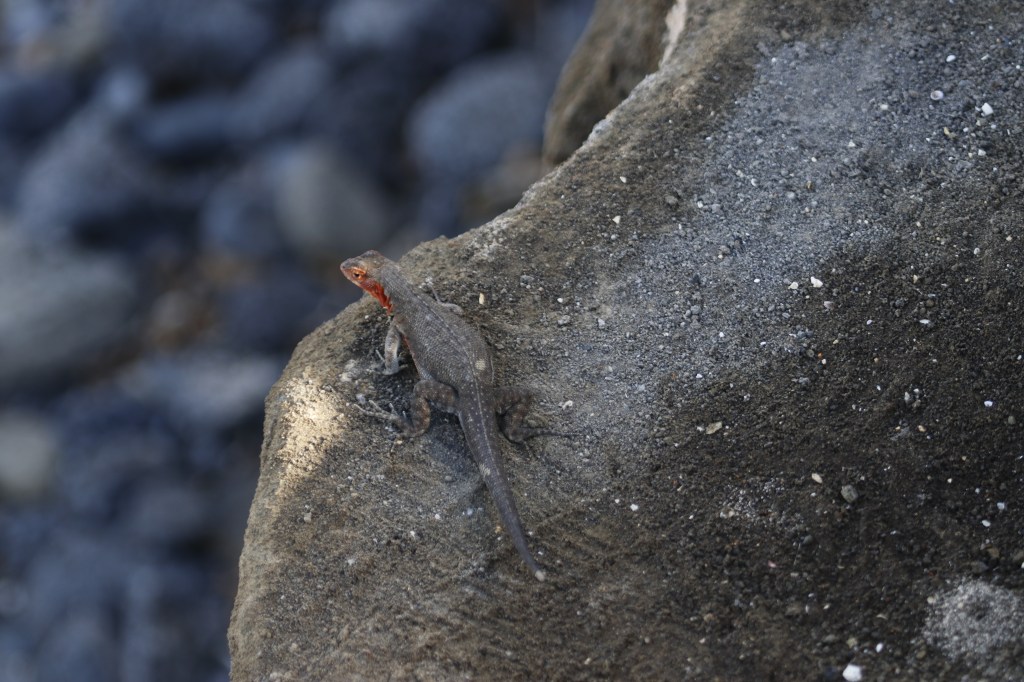
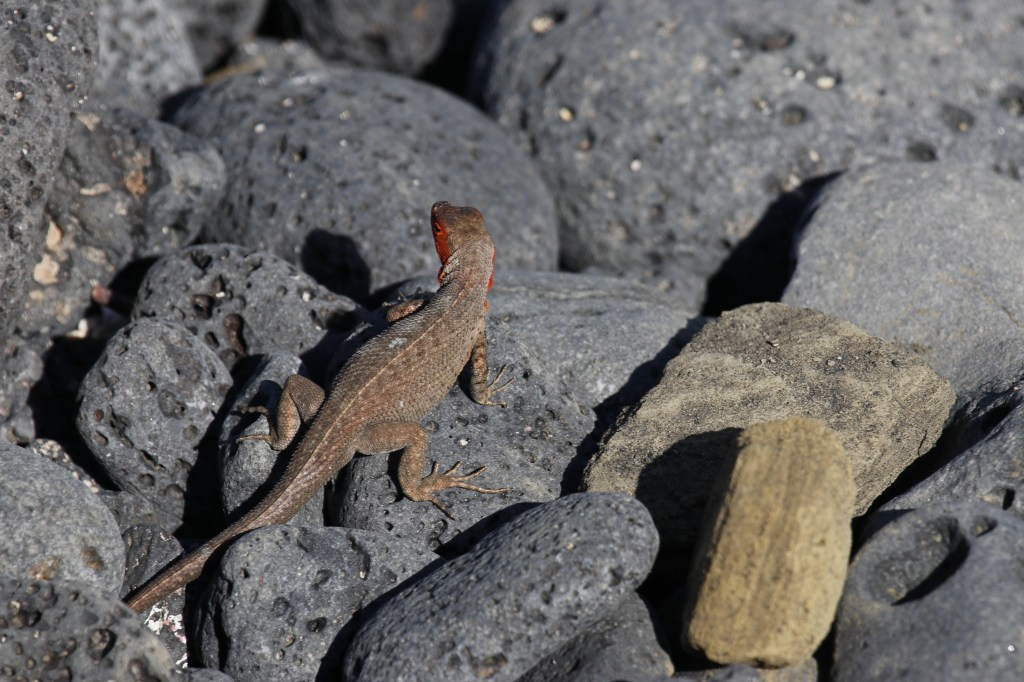
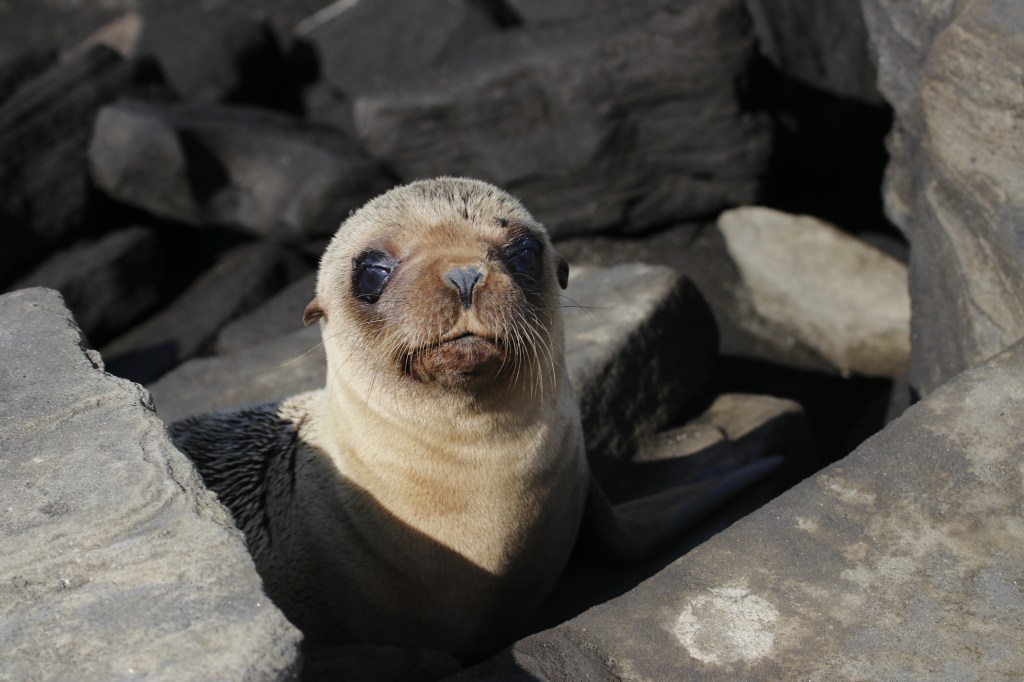
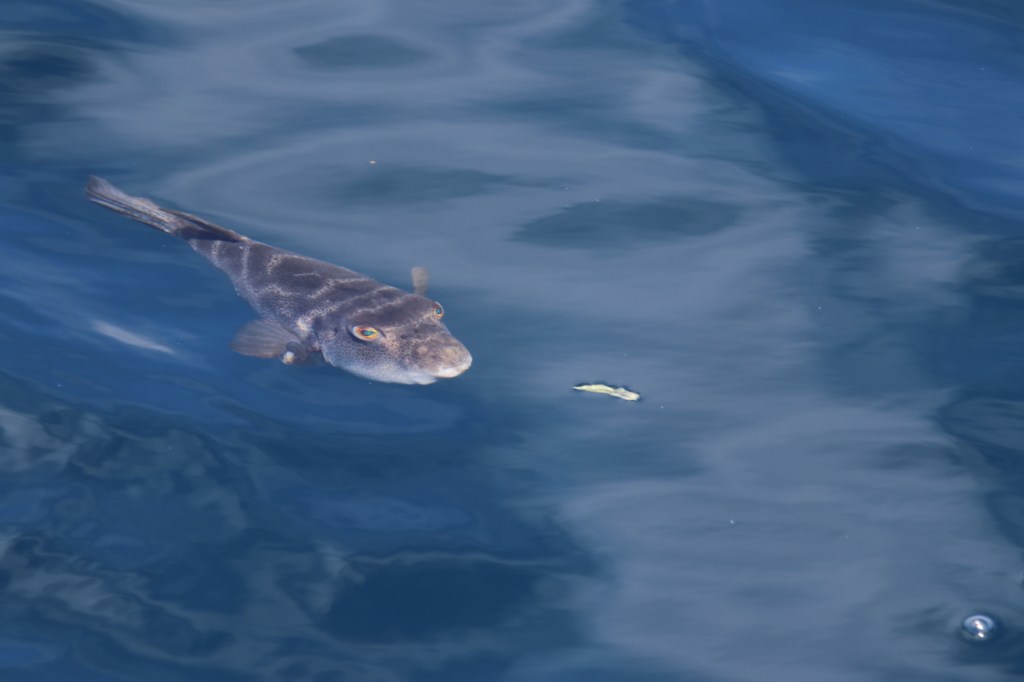
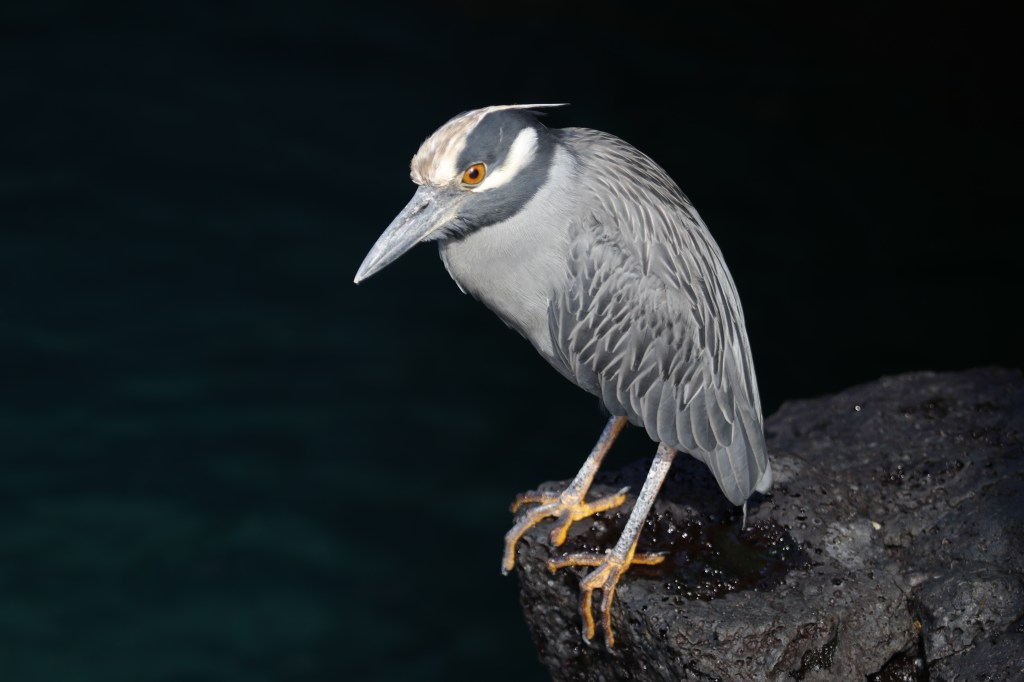
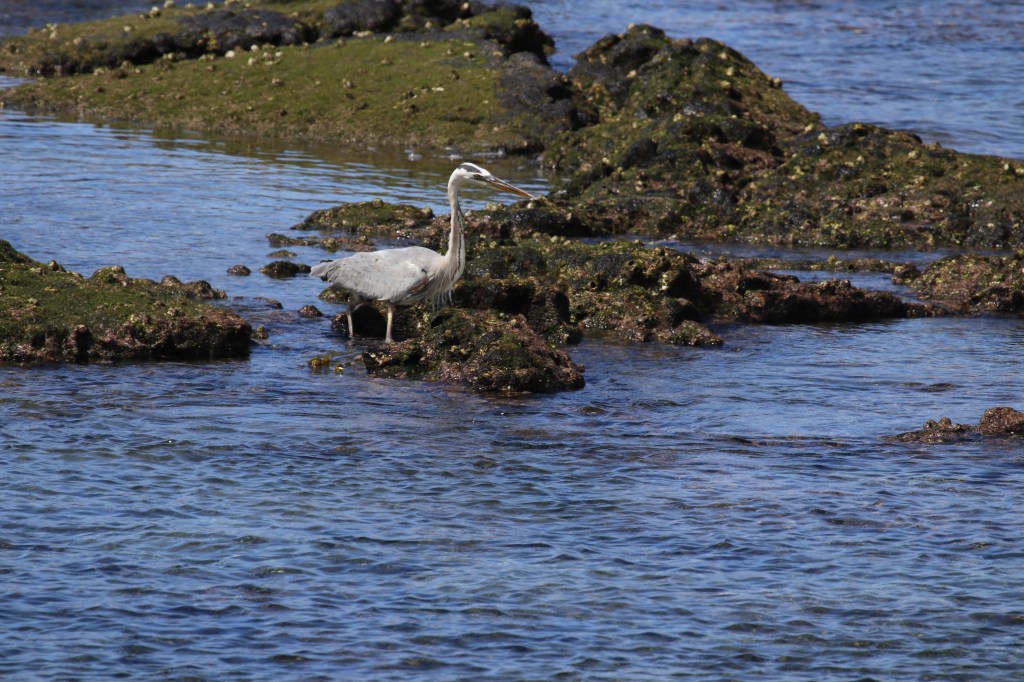
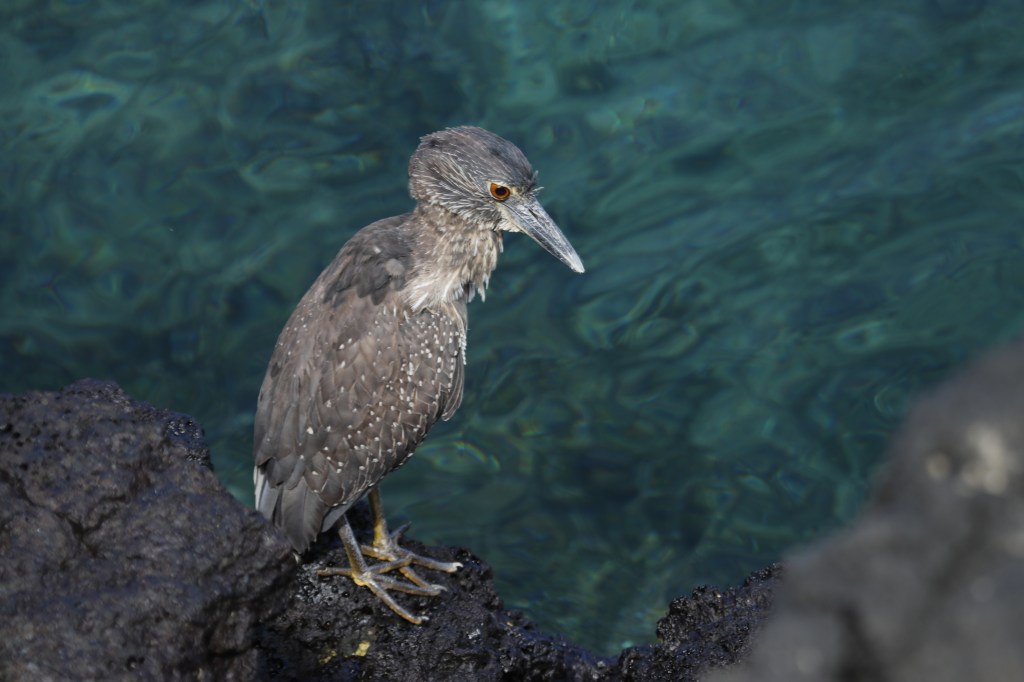
After returning from the walk we had some refreshments and went snorkelling. As soon as we jumped in, we saw two turtles, and once again swam with a sea lion.
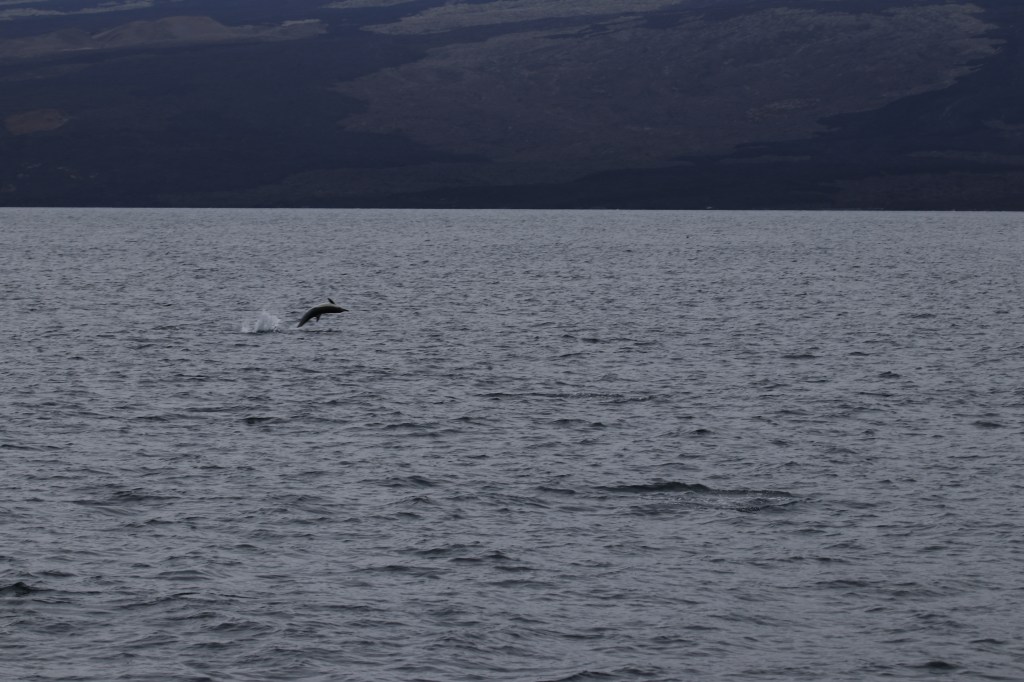
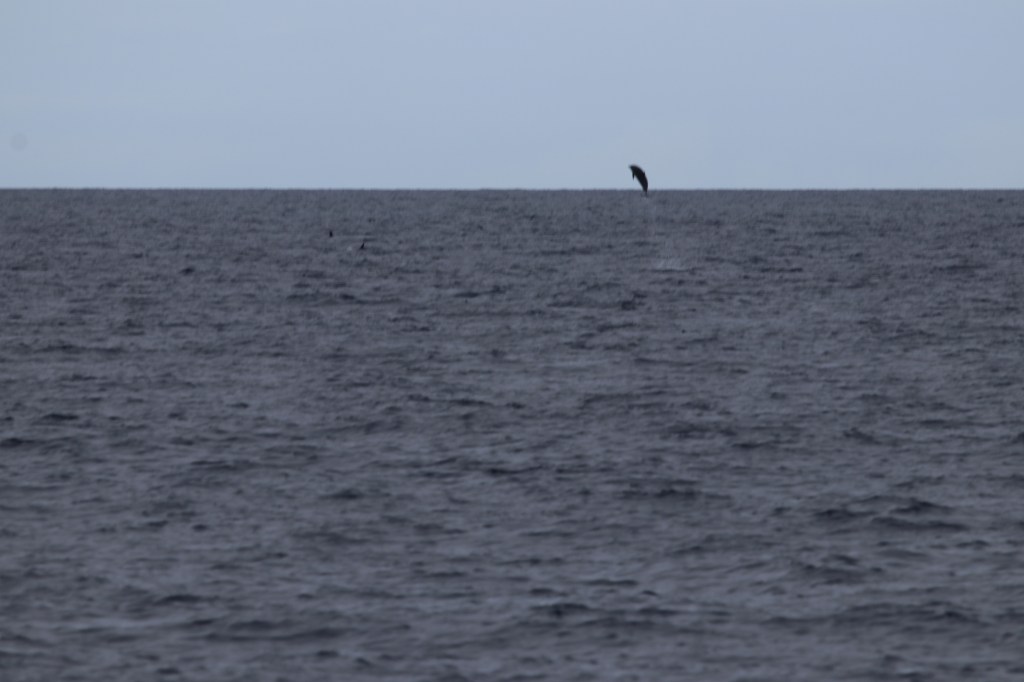
After lunch we began sailing to Isabela. On the way we came across a pod of hundreds and hundreds of common dolphins. When you looked in either side of the boat you could see dolphins from next to the boat to hundreds of meters away. Far in the distance we also saw the spouts of water from whales far in the distance. Harry saw the fin of one, and based on the fin and the pod size (4 or 5) he said they were probably right wales. We crossed the equator AGAIN whilst drinking caipirinhas (We crossed S-N on the way to Genovesa, N-S back from Genovesa to Santiago, S-N as we went from Santiago to the north of Isobela and once more N-S as we came down the western side of Isobela the next day. Crossed the equator every day for 4 days! We had a 6 hour sail this afternoon, and whilst I wasn’t dolphin or whale watching, I watched a 3 hour David Attenborough documentary on the Galapagos, seeing several places I had already been, and ones I would go to – including Punta Vicente Roca, where we would visit the following morning.
Galapagos Hawk, Land Iguana, Storm petrols, yellow crested night heron + young, blue heron, lava lizard, sea lion + pup.
15/11/19 – Isabela (Punta Vincente Roca + Tagus Cove)
We began sailing at 6am, hoping to see whales and dolphins early in the morning – no luck as yet. After 2 hours sailing, we reached Punta Vicente Roca, and had a panga ride for 1.5-2 hours. We saw lots of oceanic sunfish. This area is a cleaning station, where the fish eat the parasites from Sunfish, Rays, Sea Turtles – a mutually beneficial relationship.
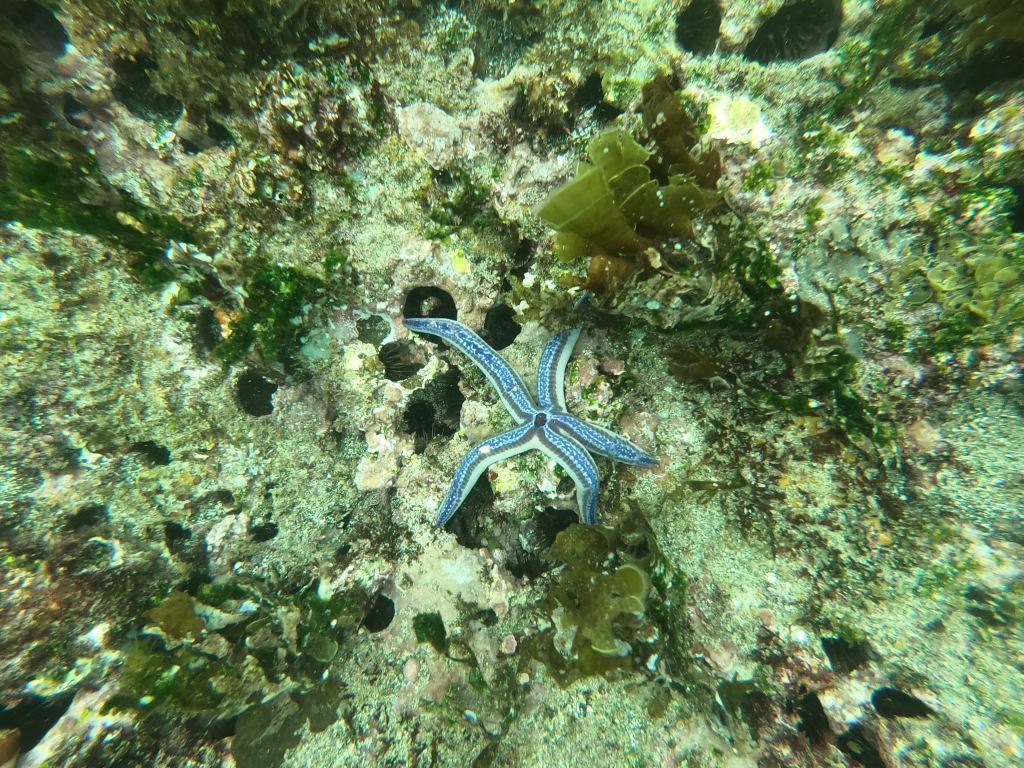
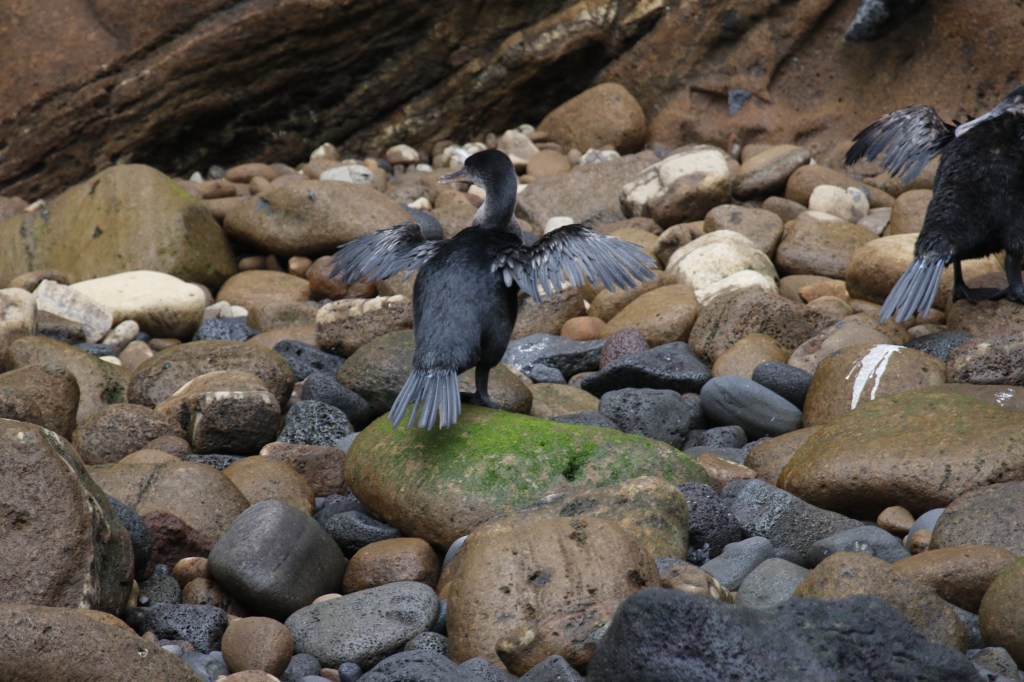
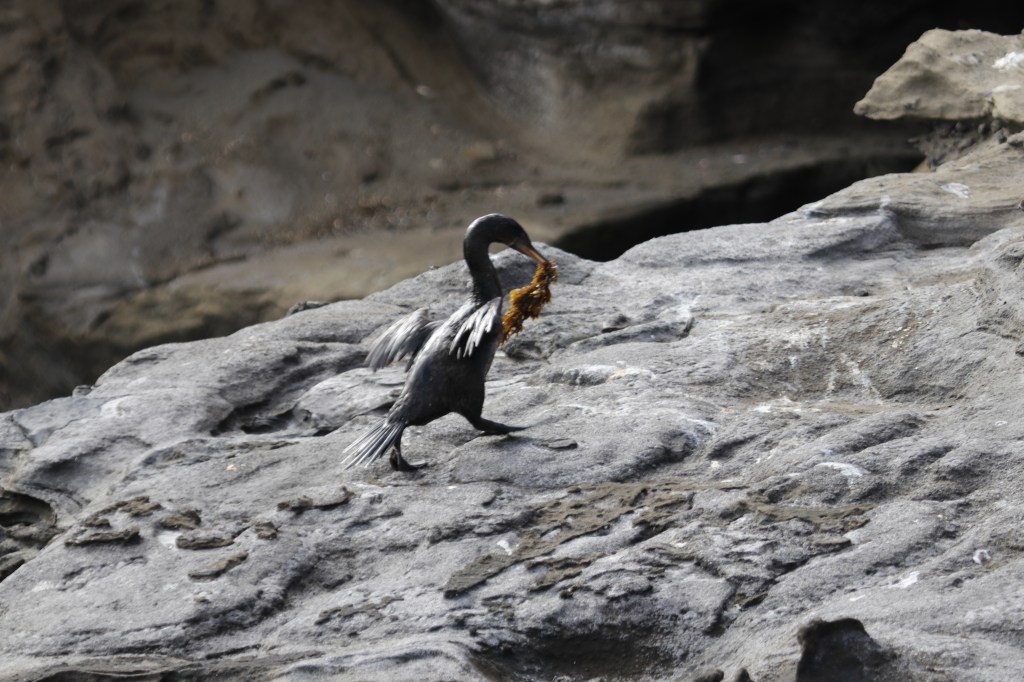
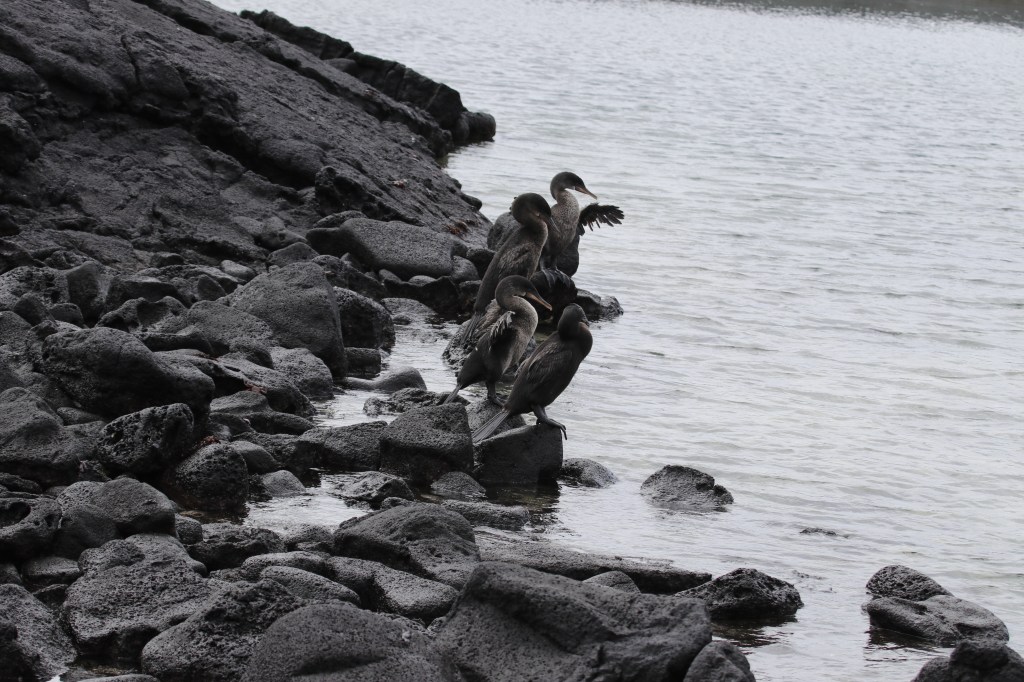
We then passed into the cave, which is quite a famous site (it looks very interesting geologically). Around the other side we saw many flightless cormorants. They are the only species of Cormorant that cannot fly and have tiny wings. They still however hold them out for them to dry in the sun – which is a useless behaviour when they cannot fly. They are instead excellent at fishing. Small wings is a common defect in cormorants, but those who have it in other areas of the world die and do not pass on their genes. The Galapagos flightless cormorant was able to evolve this way due to their lack of predators on land, and their excellent fishing skills. We then went snorkelling around the same areas, seeing lots of tropical fish, many many turtles (at one time there was 6 huge ones all near each other in a small area). I saw a flightless cormorant dive down and go fishing, in addition to two marine iguanas diving down then feeding on algae in the rocks. One of them was the biggest one I have seen so far in the Galapagos (and I have seen hundreds and hundreds, probably thousands). I swam/dived/danced with some sea lions as well!
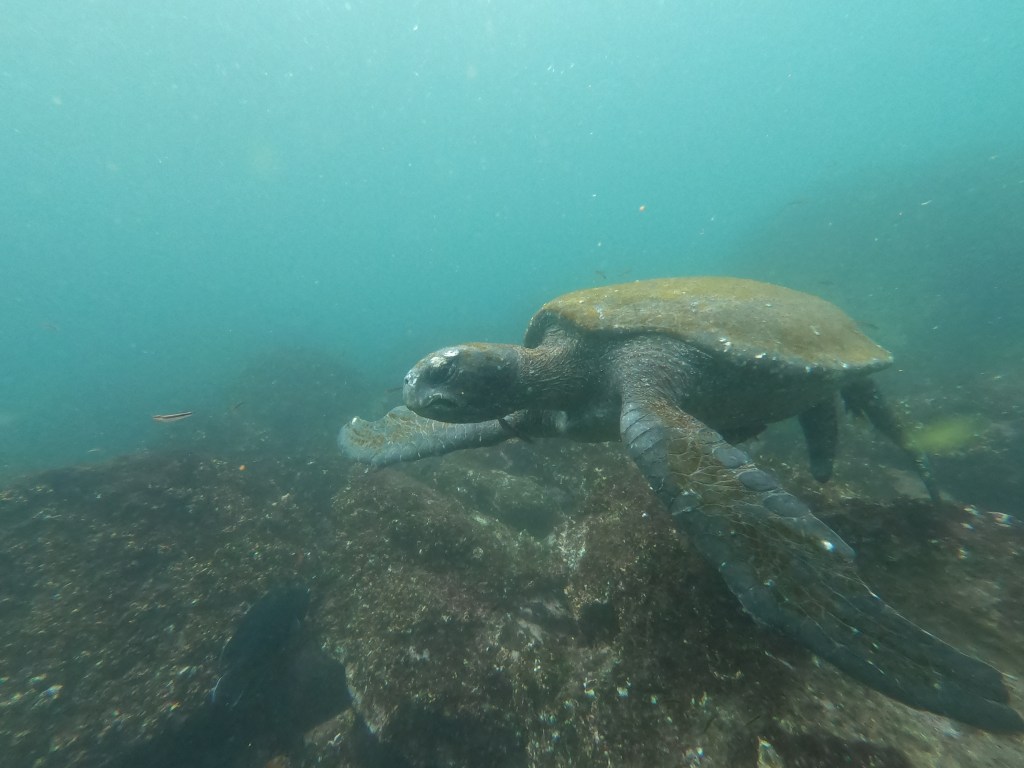
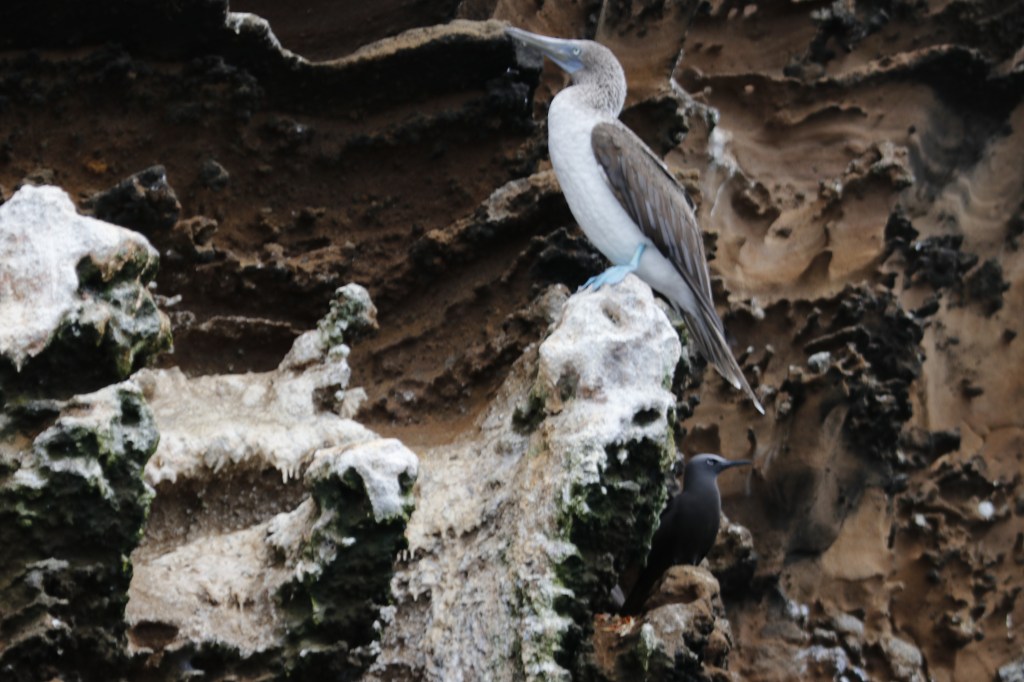
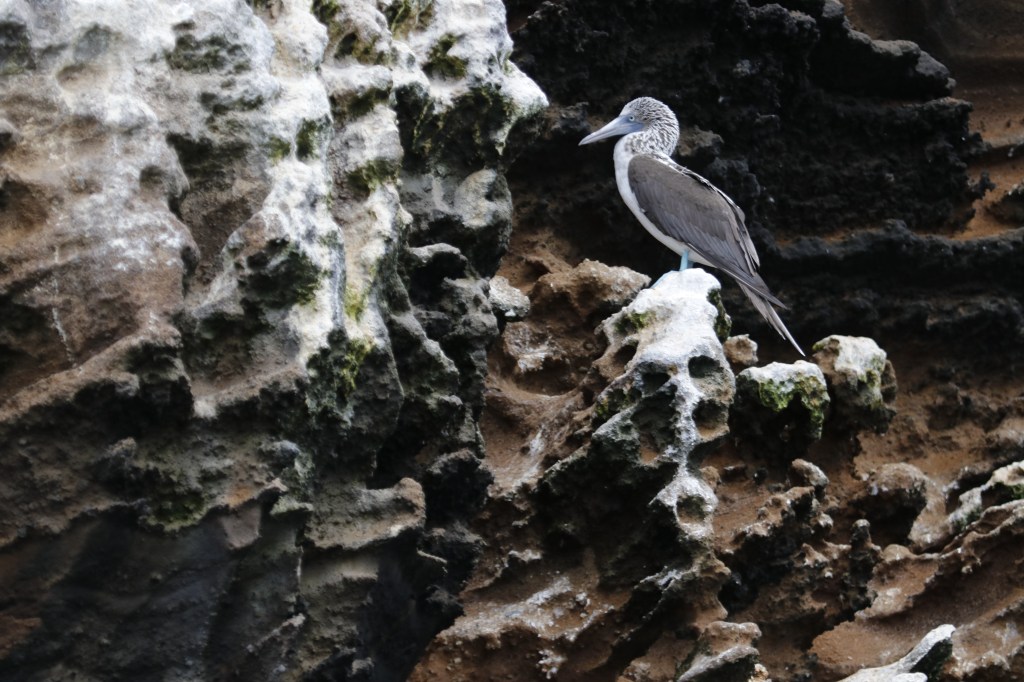
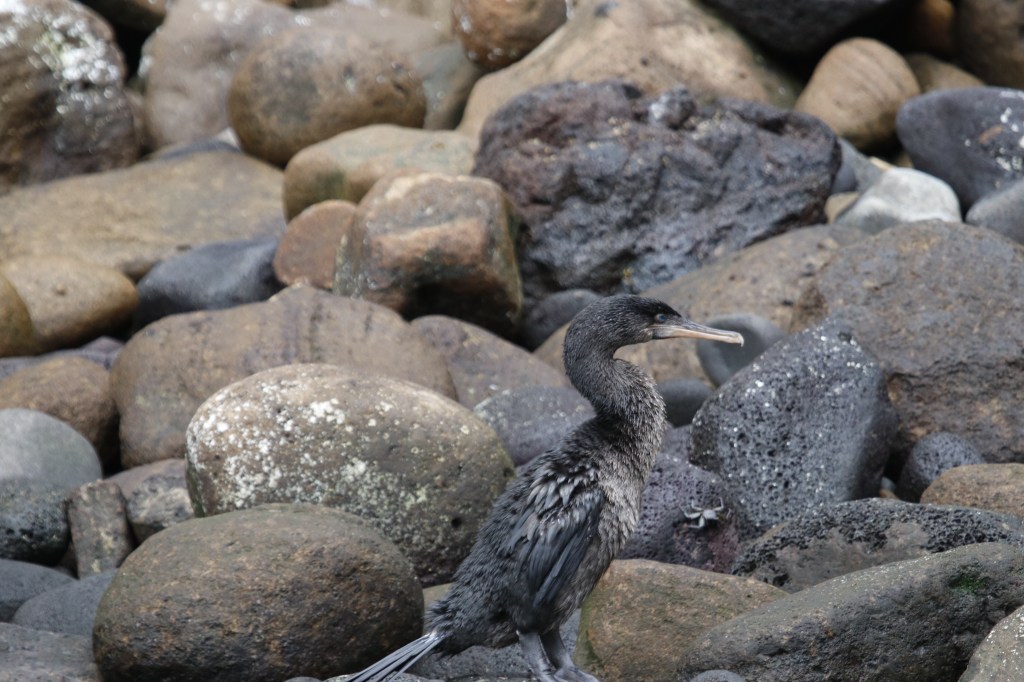
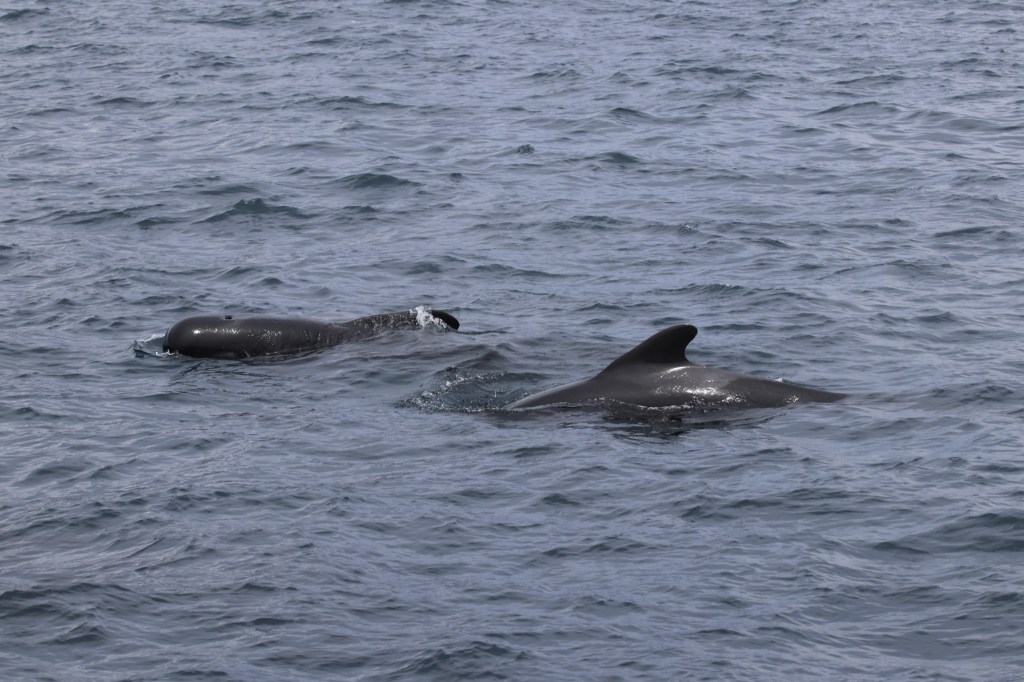
After snorkelling we began sailing to Tagus cove. On the way we found a pod of 20+ pilot whales. They were swimming and breaching at the surface right near the boat for 25-30 minutes. It was really amazing to see. Harry said it was only the second time in his life that he had seen pilot whales.
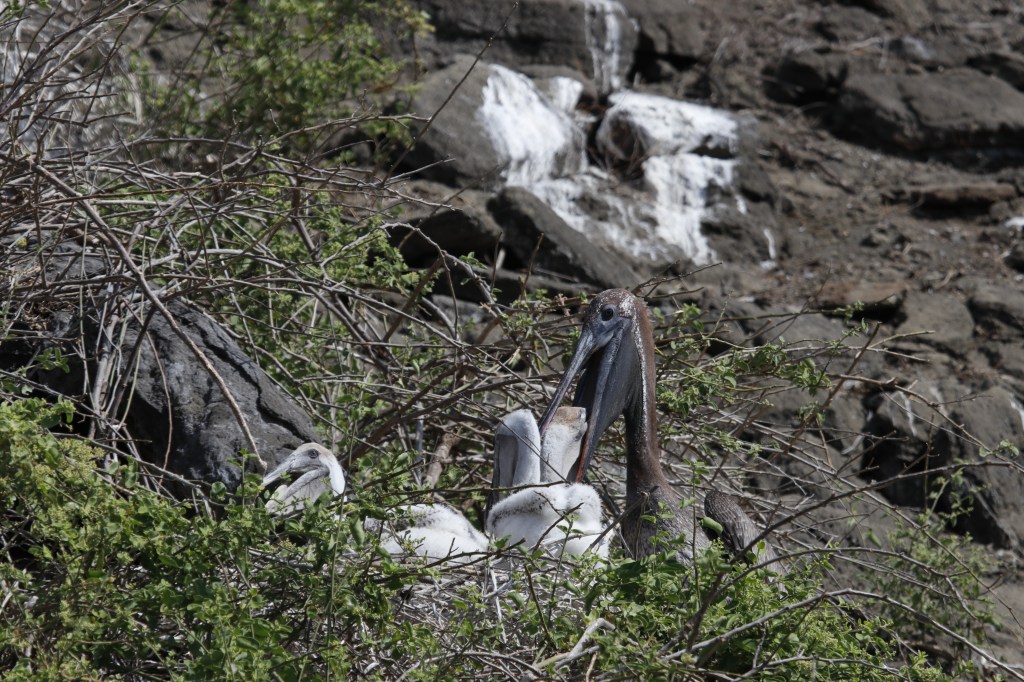
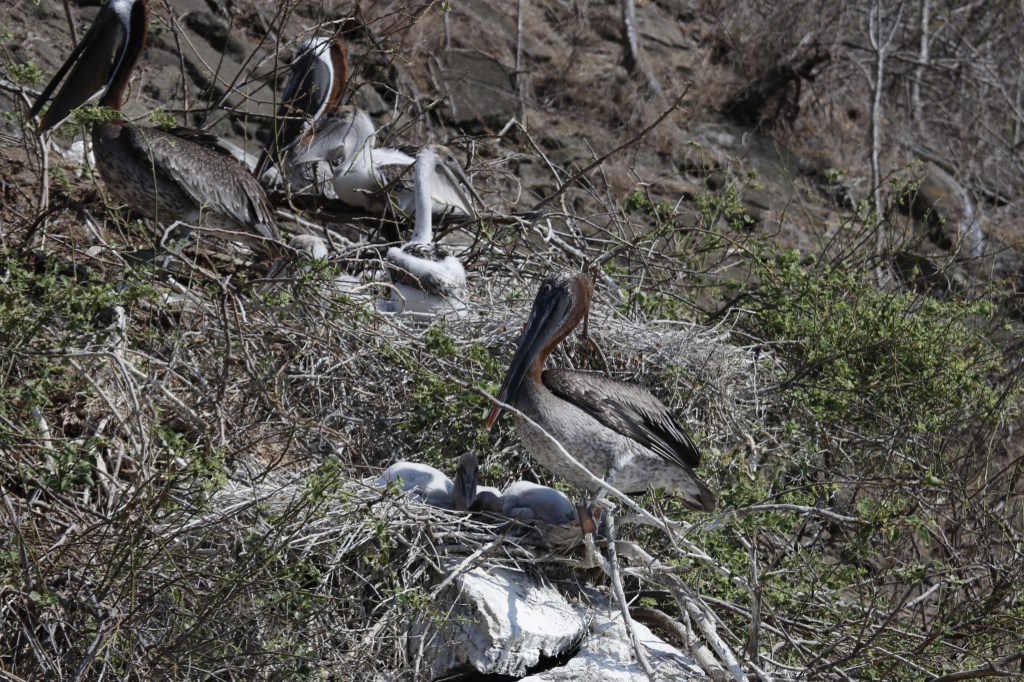
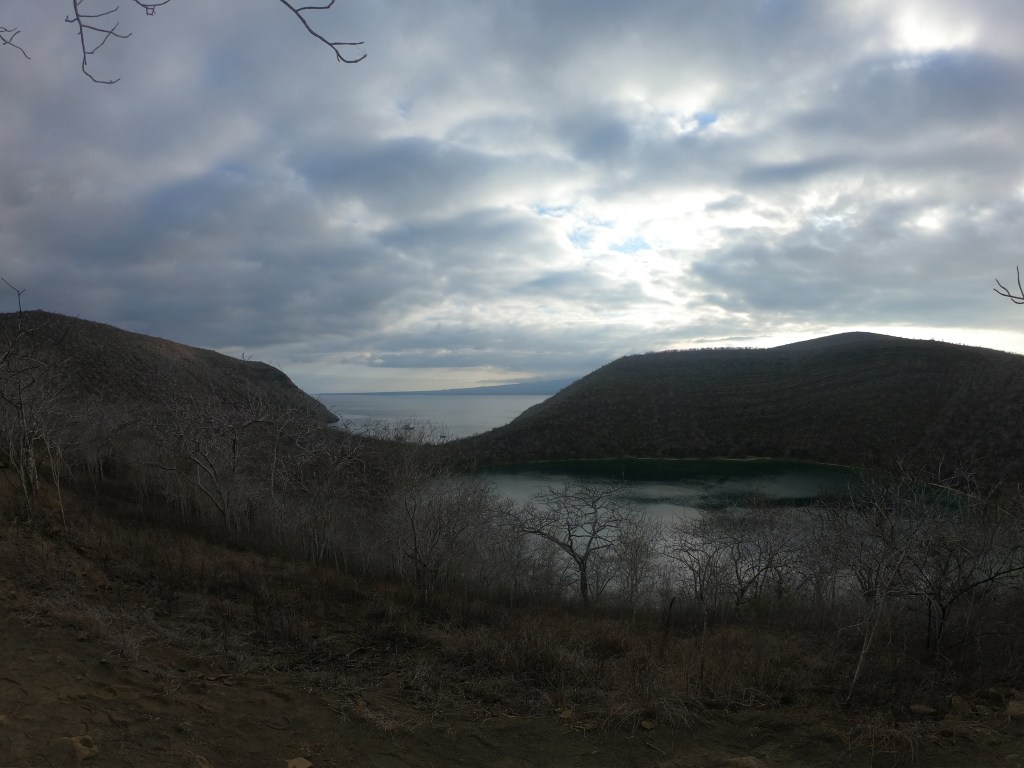
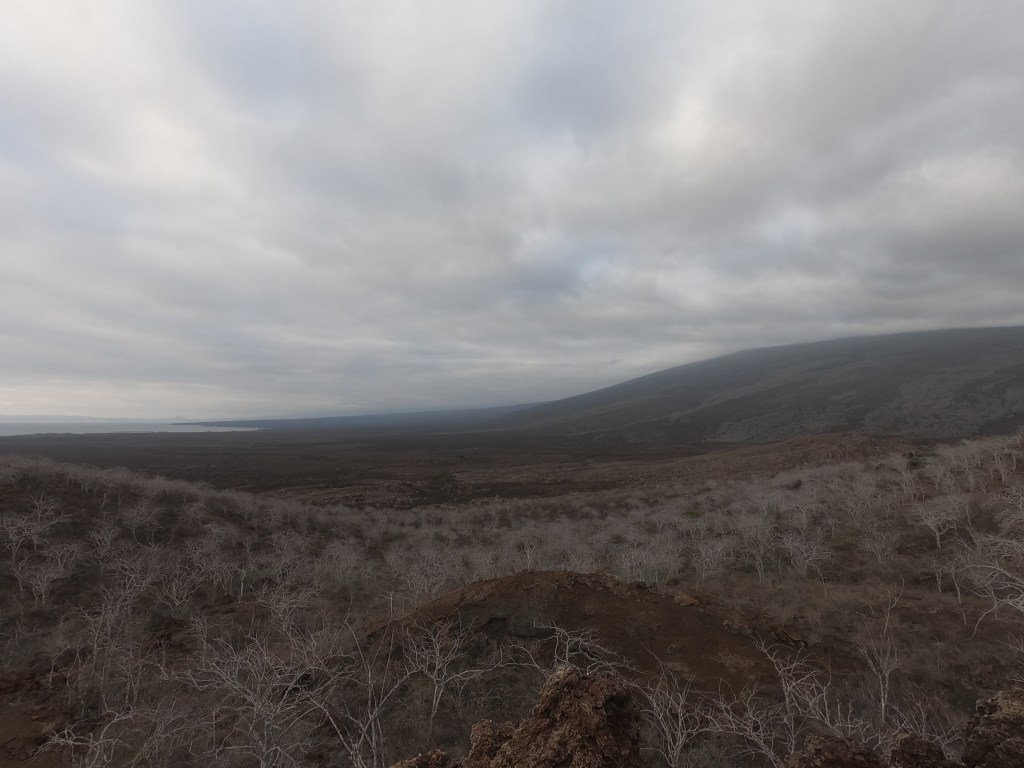
In the evening we walked up to a viewpoint of the lake next to Tagus cove and the surrounding lava fields. We could see Ecuador Volcano, Wolf Volcano and Darwin Volcano (the closest to us). In the distance we could also see the small patch of mangrove where the critically endangered Darwin Mangrove finch lives. There are less than 100 individuals, which live in one very small area of mangrove. They are threatened due to only being in one area – thus any event such as lava flows, tsunami, fire etc could wipe them out, but also due to the invasive fly Philornis Downsi. These flies lay their lavae in the nest of the finch, and when the finches hatch the flies suck their blood. There is a very high mortality rate. These finches are the subject of great conservation efforts. They are bred at the Charles Darwin research centre on Santa Cruz, away from the flies, and are re-released. The mangroves have lots of fly traps. They are also invasive to mainland Ecuador, but nowhere near as much of a problem as there is predators to control their numbers.
16/11/19 – Fernandina (Punta Espinoza) + Isabela (Urbina bay)
After a 30-minute crossing from Isabela to Fernandina, we made a dry landing at Punta Espinoza. As we started the trail, we came across a Galapagos Hawk feasting on a marine iguana. After eating the hawk walked along the path toward us and looked curiously at us. After watching it for a while we walked along the path and past the hawk (1m or less away) who couldn’t be less bothered by our presence.
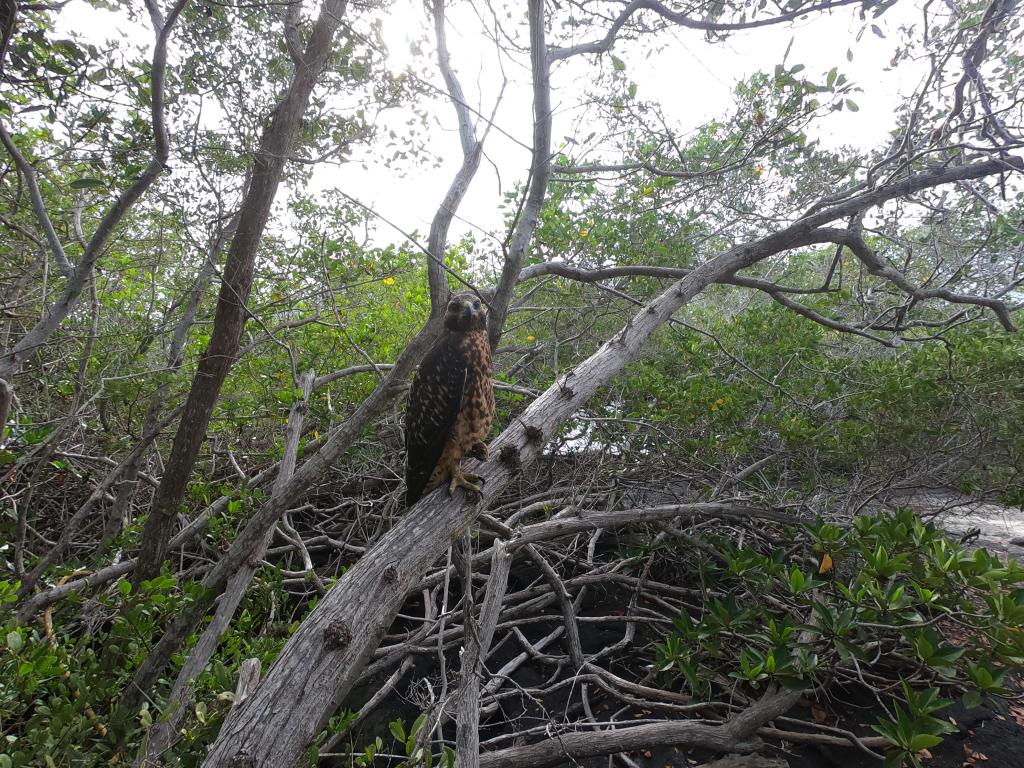
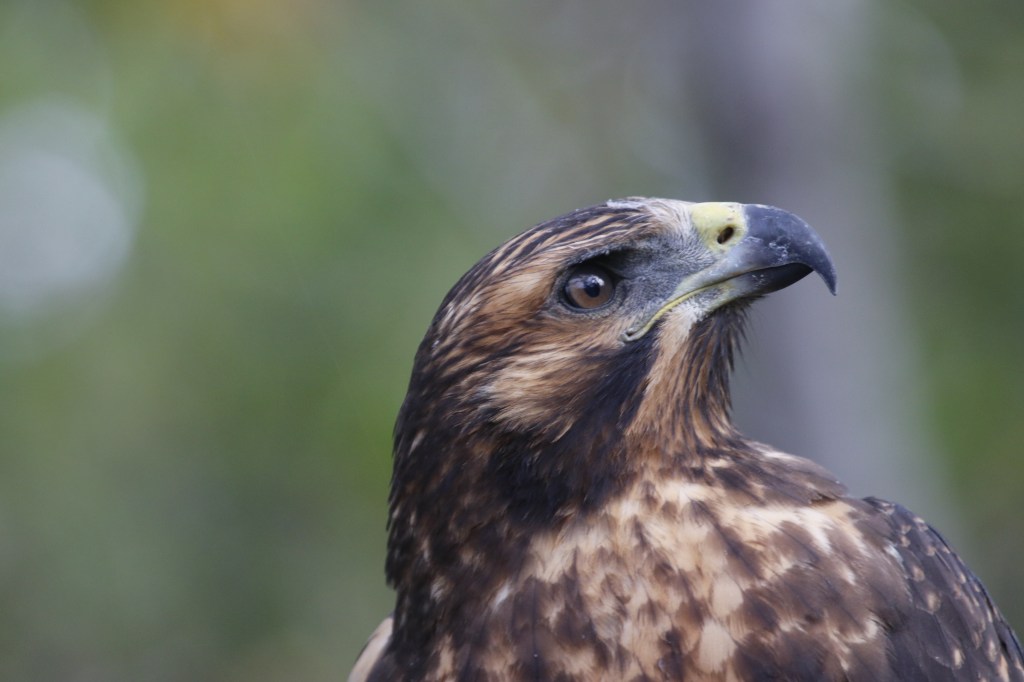
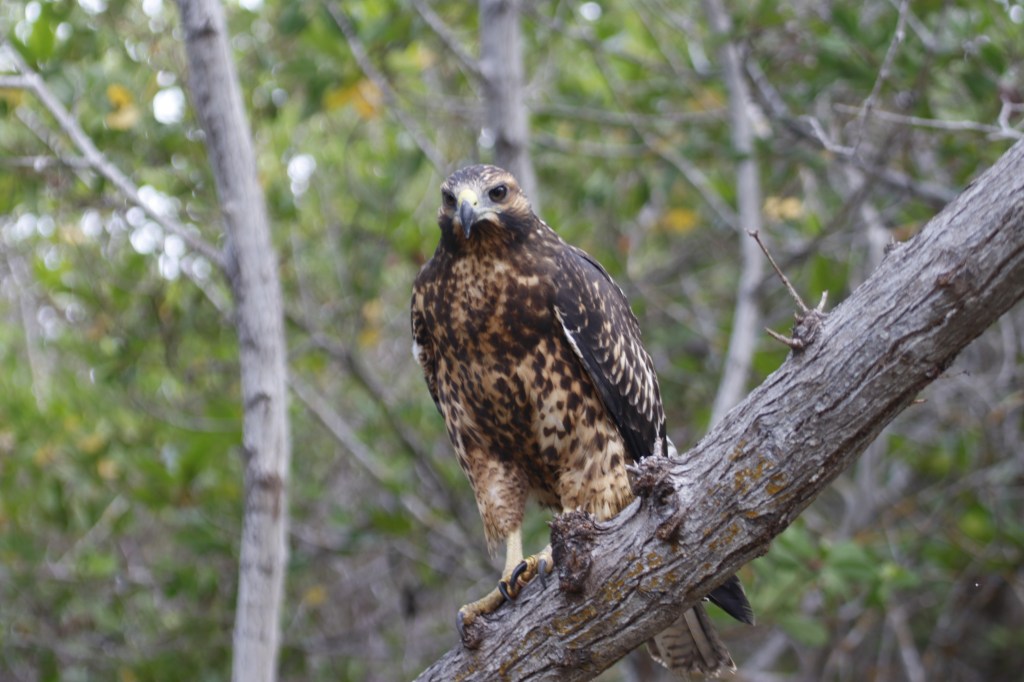
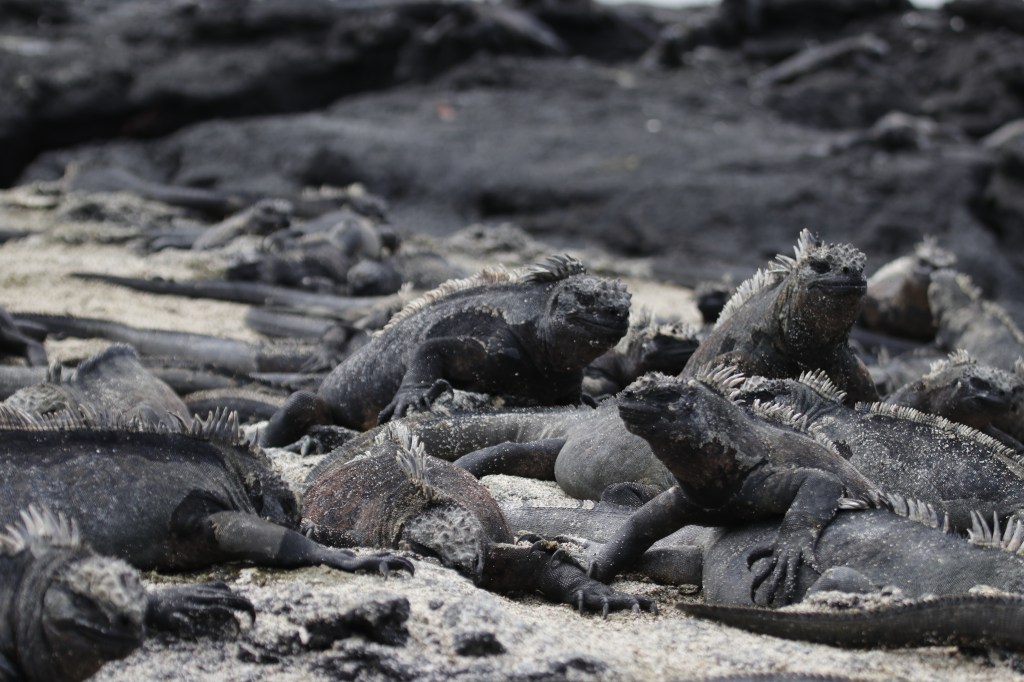
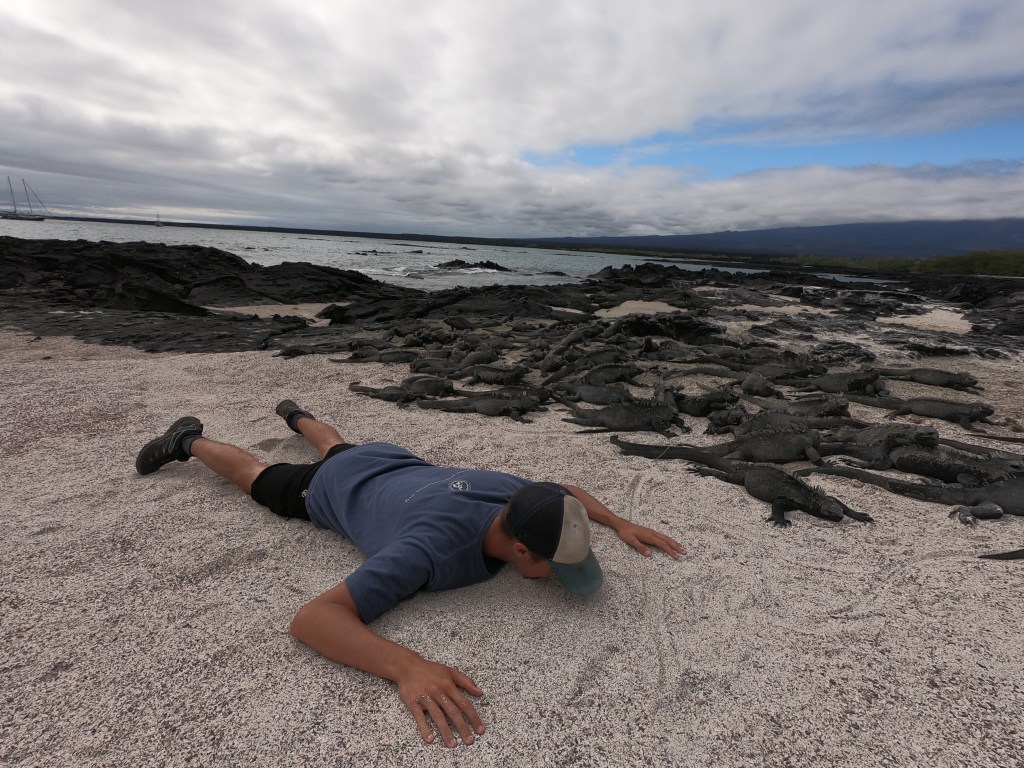
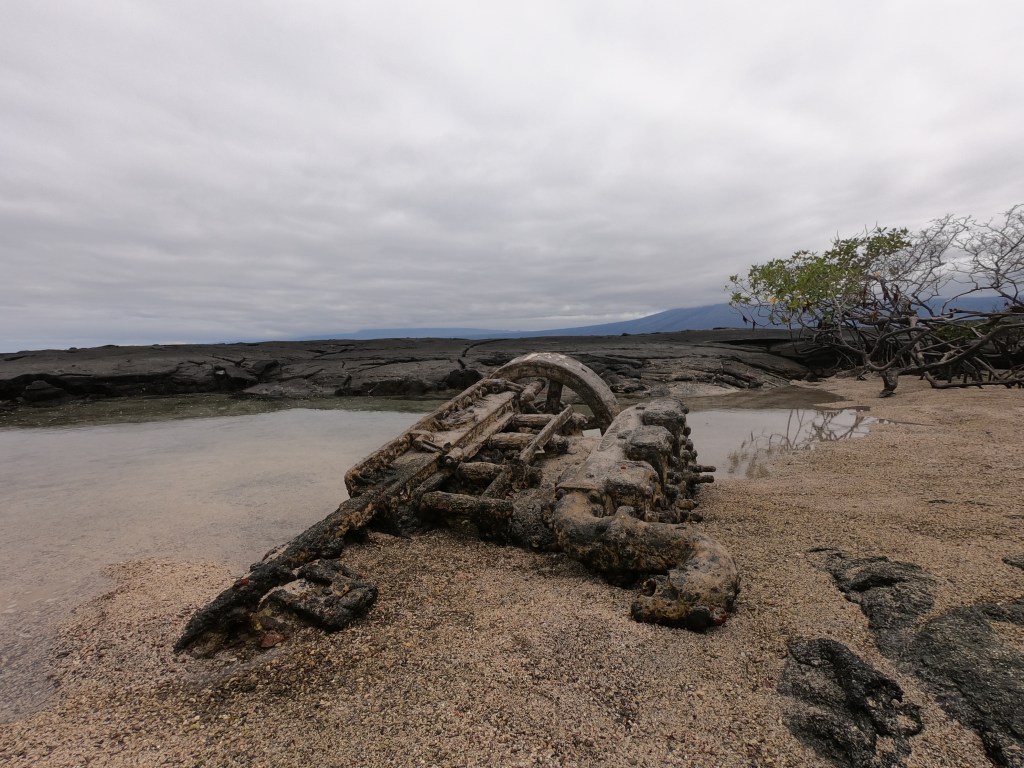
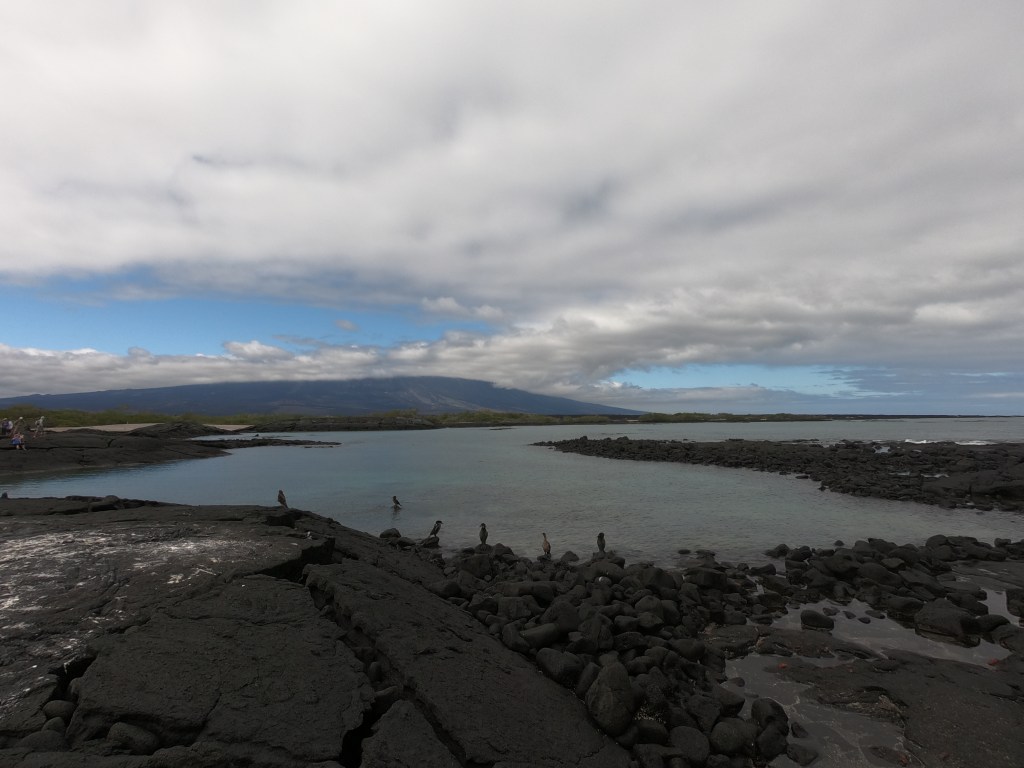
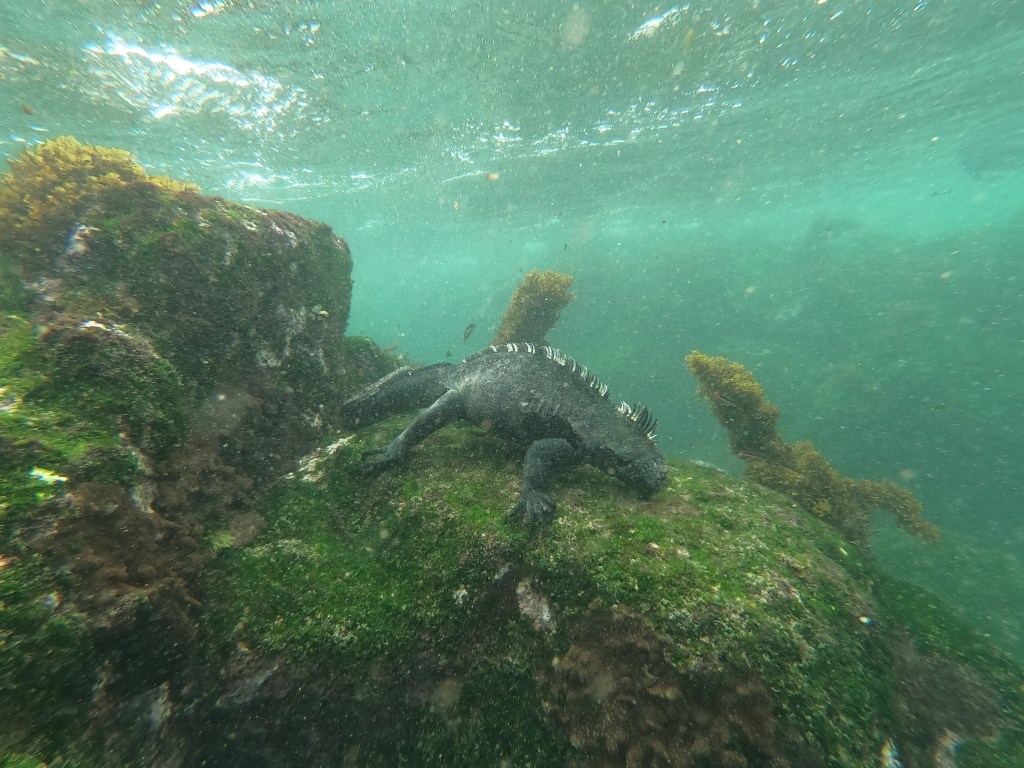
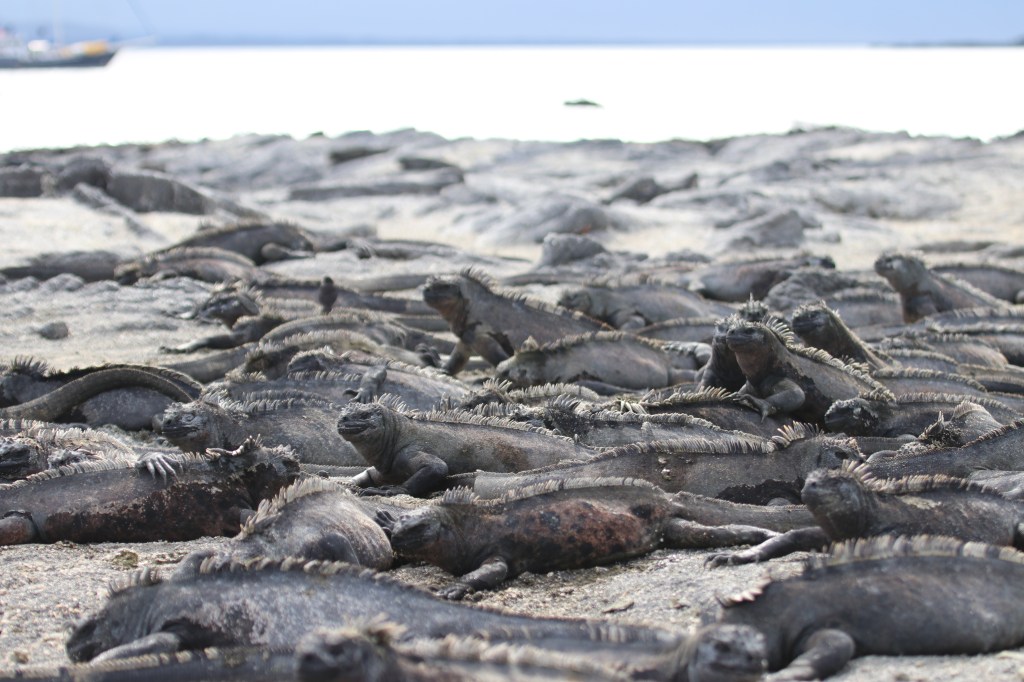
We then walked around looking at the huge congregations of marine iguanas. There are areas of hundreds of them piled on top of each other. They are not social animals, but only congregate like this to thermo regulate and help each other heat up. The hawk stood right next to many of the groups, who do not care about it being there, as they know they are too big for the hawk to take. The hawks can only take young, and females (which are naturally smaller). Interestingly, the marine iguana is not a calling species, but it has learnt to recognise the warning call of the Galapagos mockingbird. When the mockingbird calls that there is a hawk, the young and females all hide. This has even been replicated with experiments, where they had a group of 100 iguanas, played a recording of the mockingbird, and all the smaller iguanas run and hide – the larger ones do not care. We watched sea lions playing, and saw yet more flightless cormorants, Galapagos penguins and green sea turtles. I think I have only seen one sea turtle before (aside from aquariums etc), and now have almost definitely seen over 100. They are incredibly abundant here. We also saw an old American engine from WW2, stranded here. After that we went snorkling, watching marine iguanas swimming and feeding on algae. I saw some cormorants diving and swimming also.
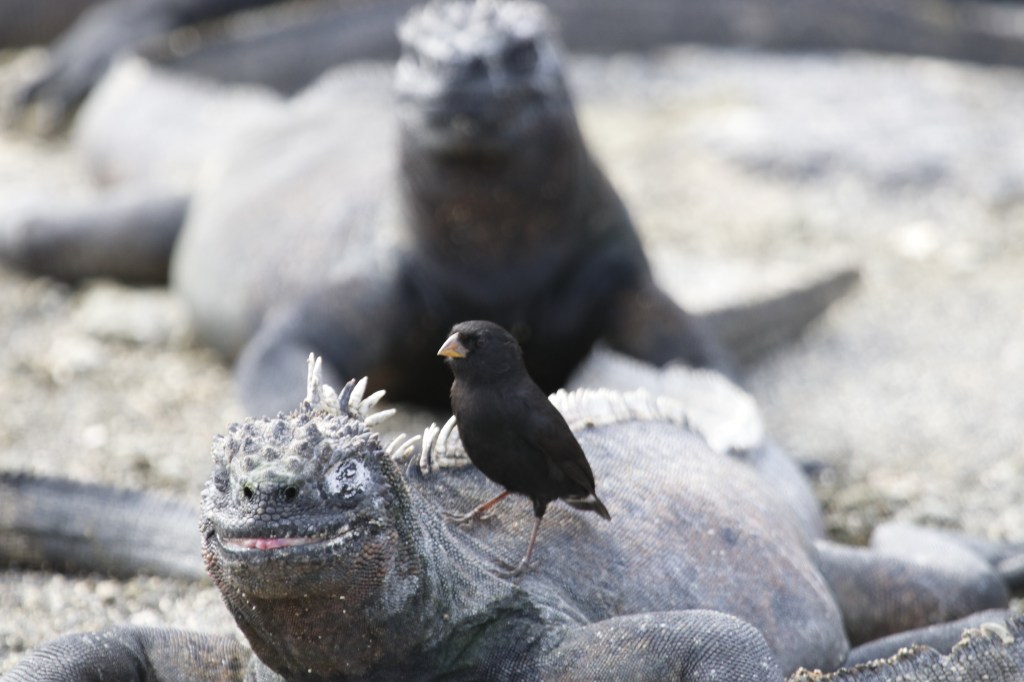
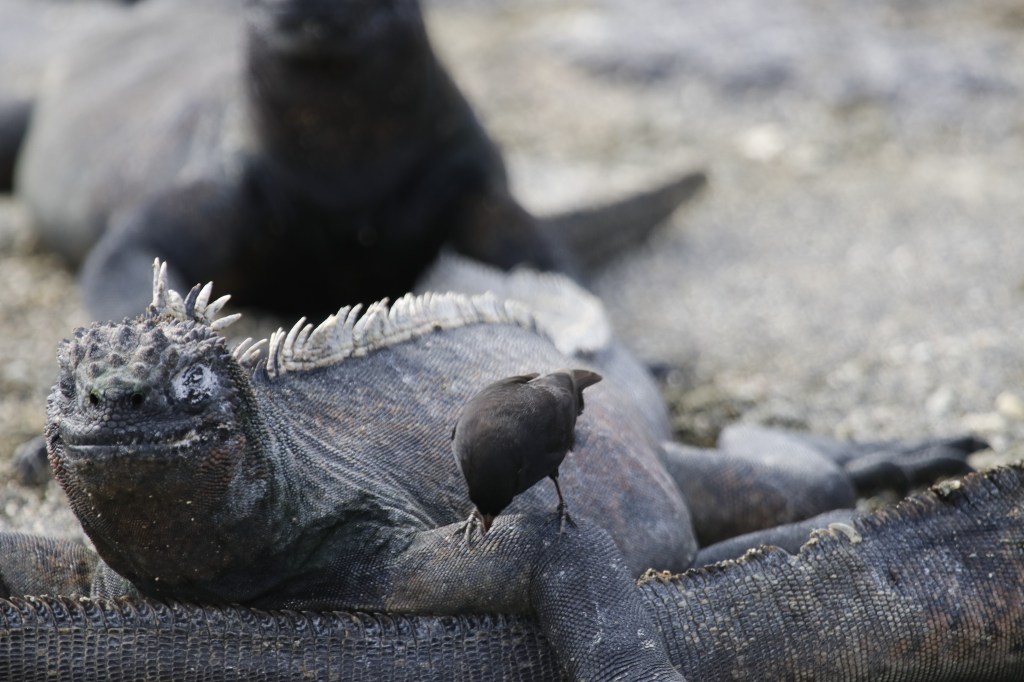
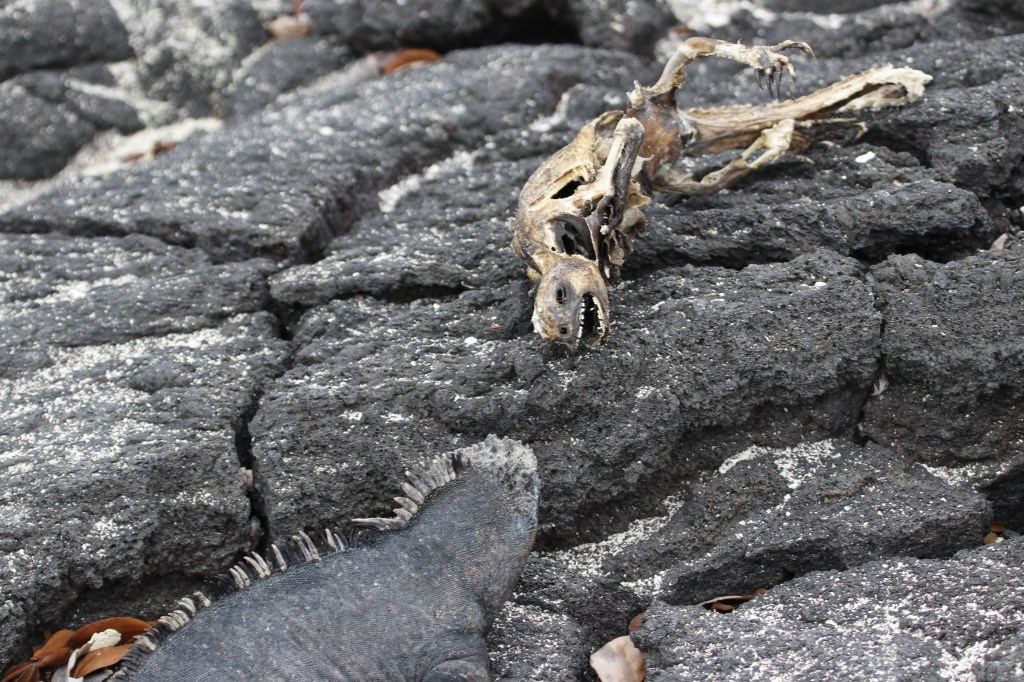
Staring into the face of death… 
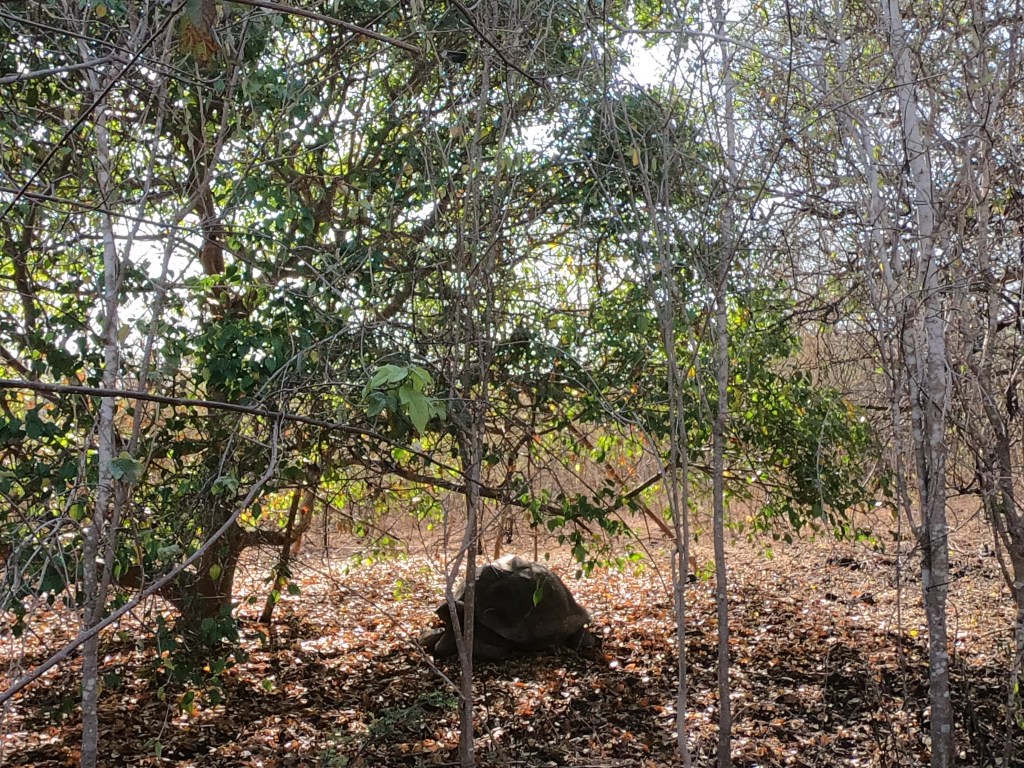
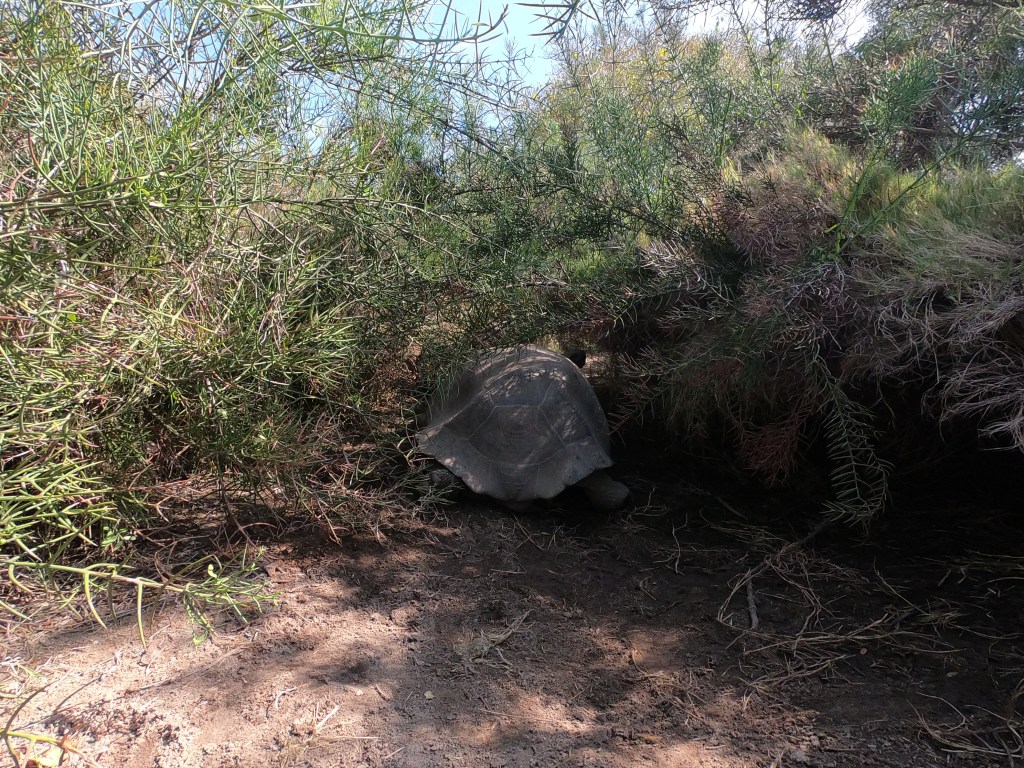
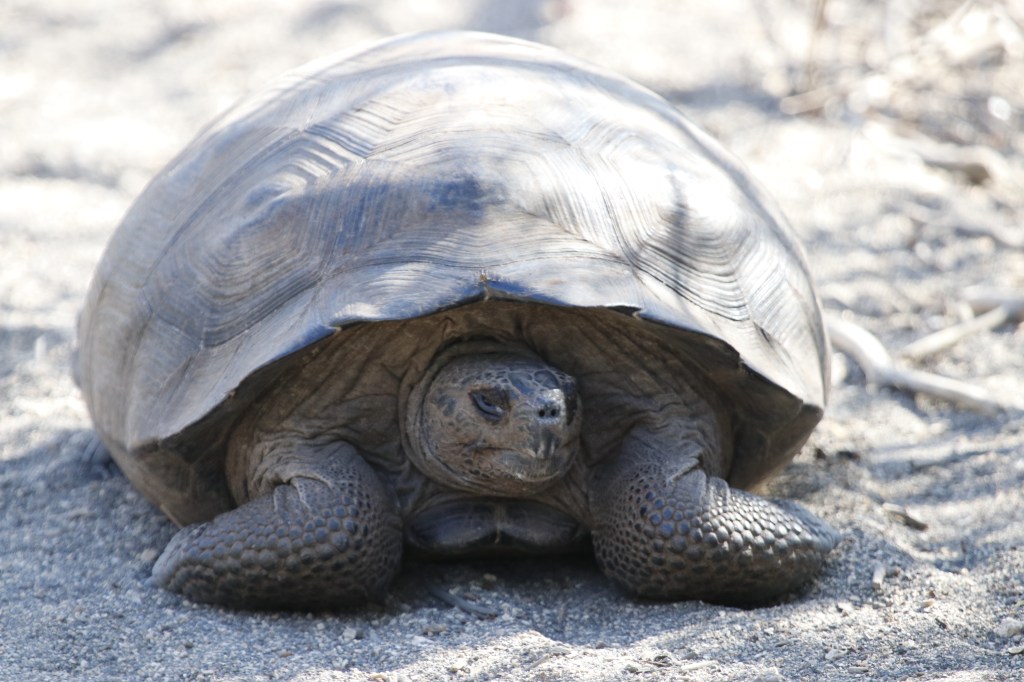
During lunch, we navigated back to Isabela, to Urbina bay. At Urbina bay we went walking to look for giant tortoises. They come down from the Alcedo volcano during the dry season for water. Water from the sea is filtered by the rocks and sand, removing salt. We managed to spot 5, which was very lucky. We were also lucky to see a wide range of sizes/ages (estimated at about 5,15,50,50,100). Land Iguanas were easily spotted in this area – we saw ~10.
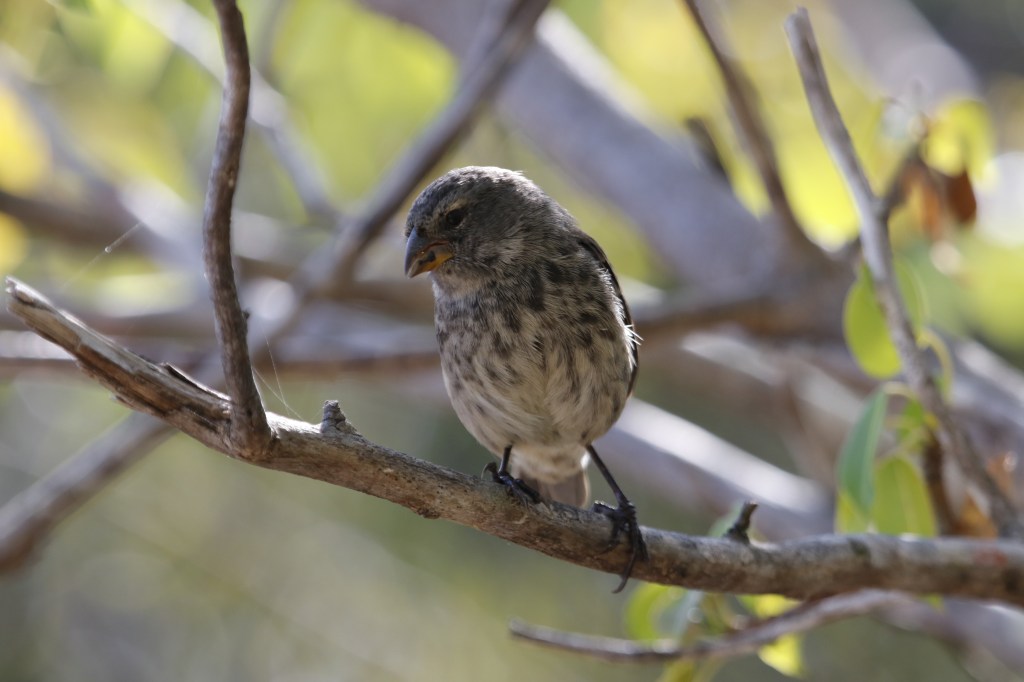
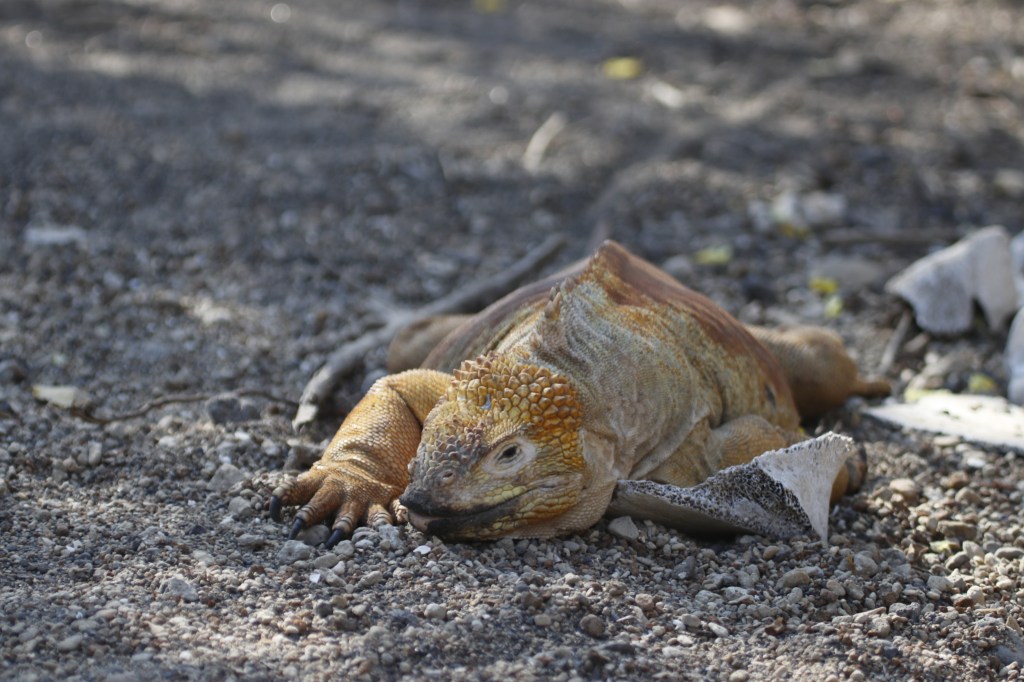
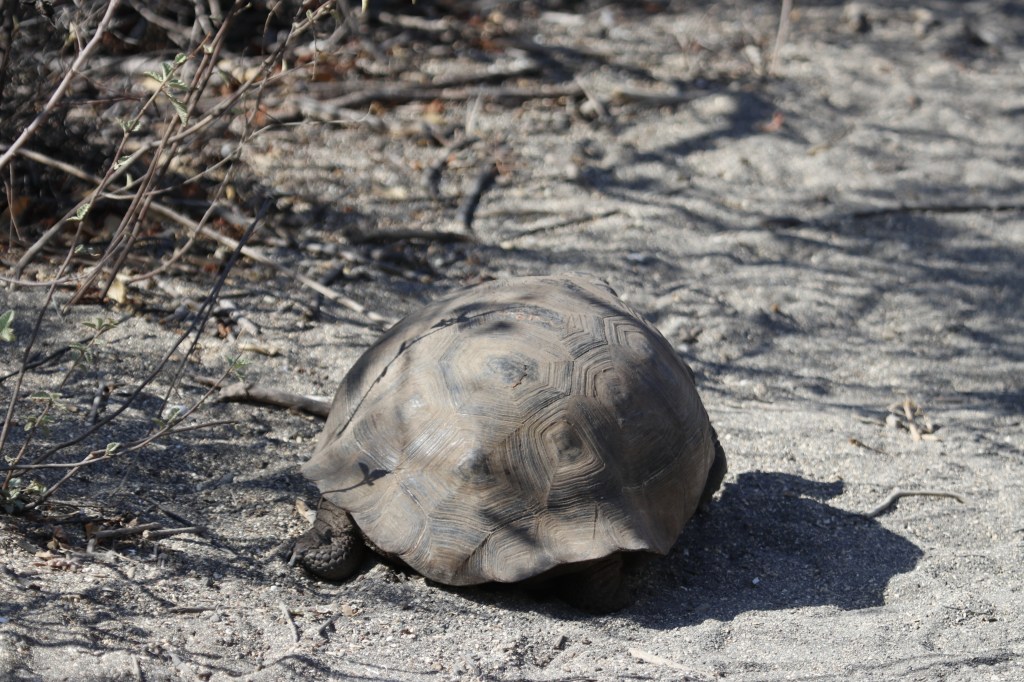
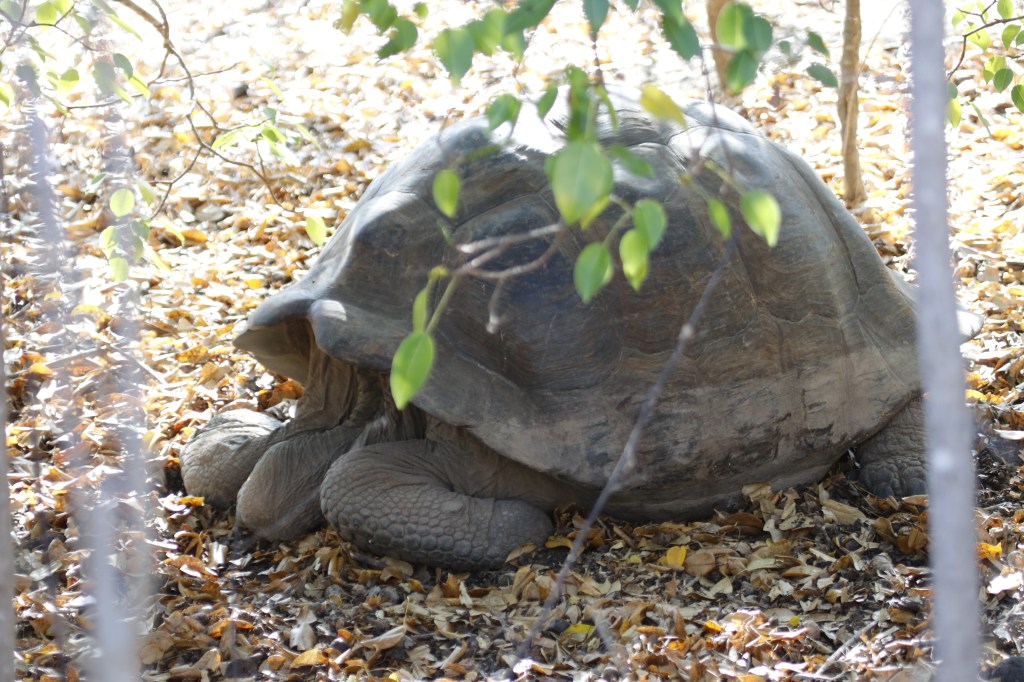
Another interesting part of this excursion was to see pebbles, shells, sand inland. This was an example of an area that had been rapidly (weeks) lifted by several meters, due to the volcanic hotspot the Galapagos is situated at. This area lifted in the 1950’s, but the area we docked at in Fernandina lifted similarly in the 90’s. Consequently, the small dock there is now almost impossible to use at low tide – you must use rocks in a nearby area. After the walk, we chilled out on the beach for a little while, before a short panga ride back to the boat.
17/11/19 – Isabela (Elizabeth Bay + Punta Moreno)
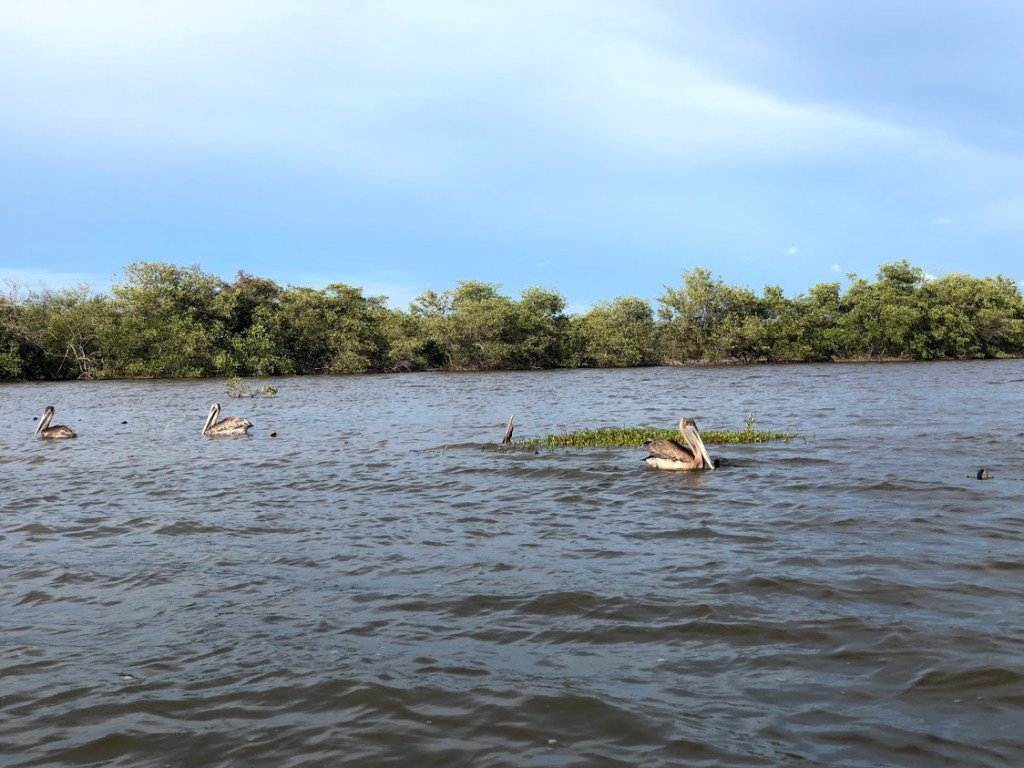
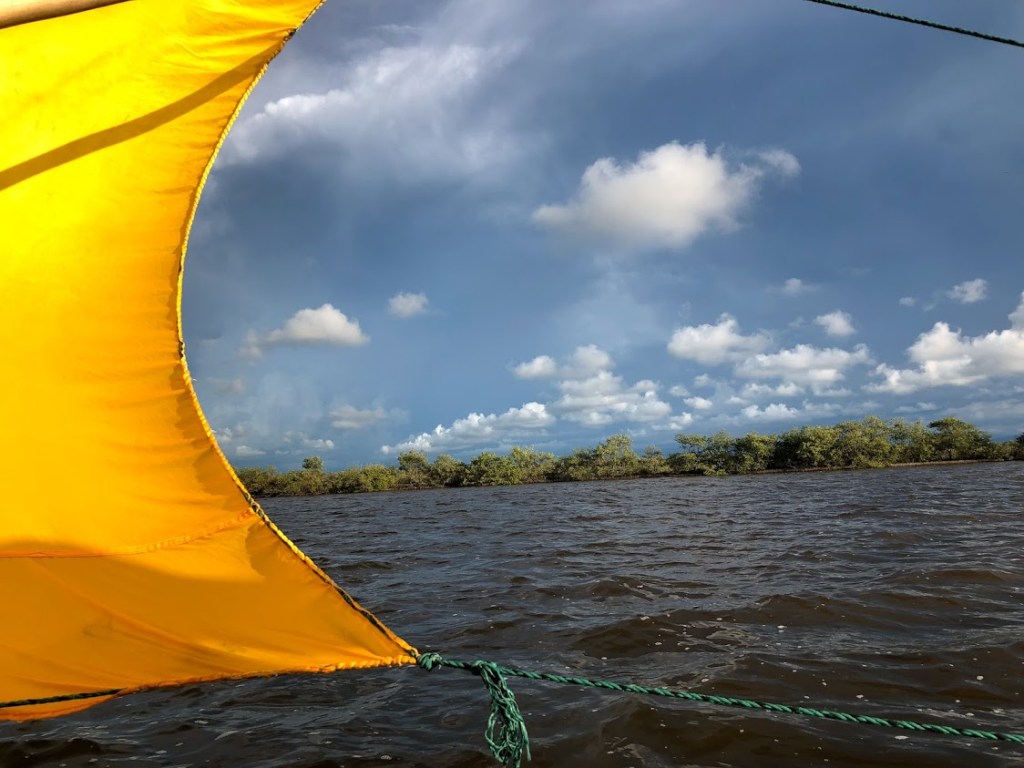
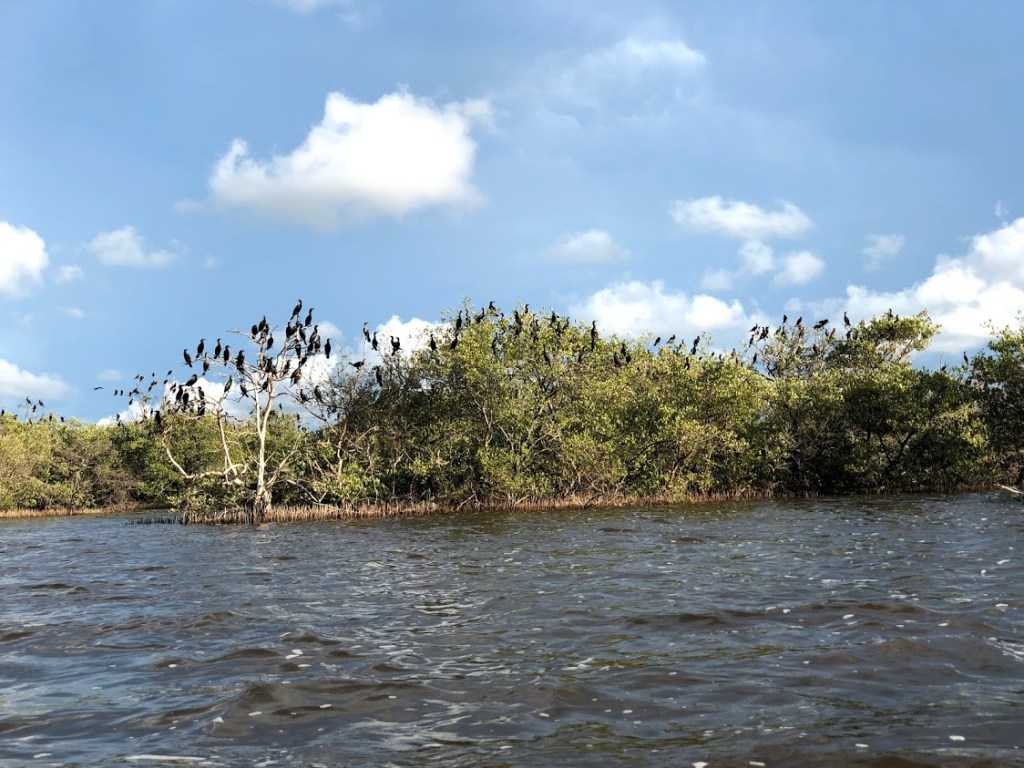
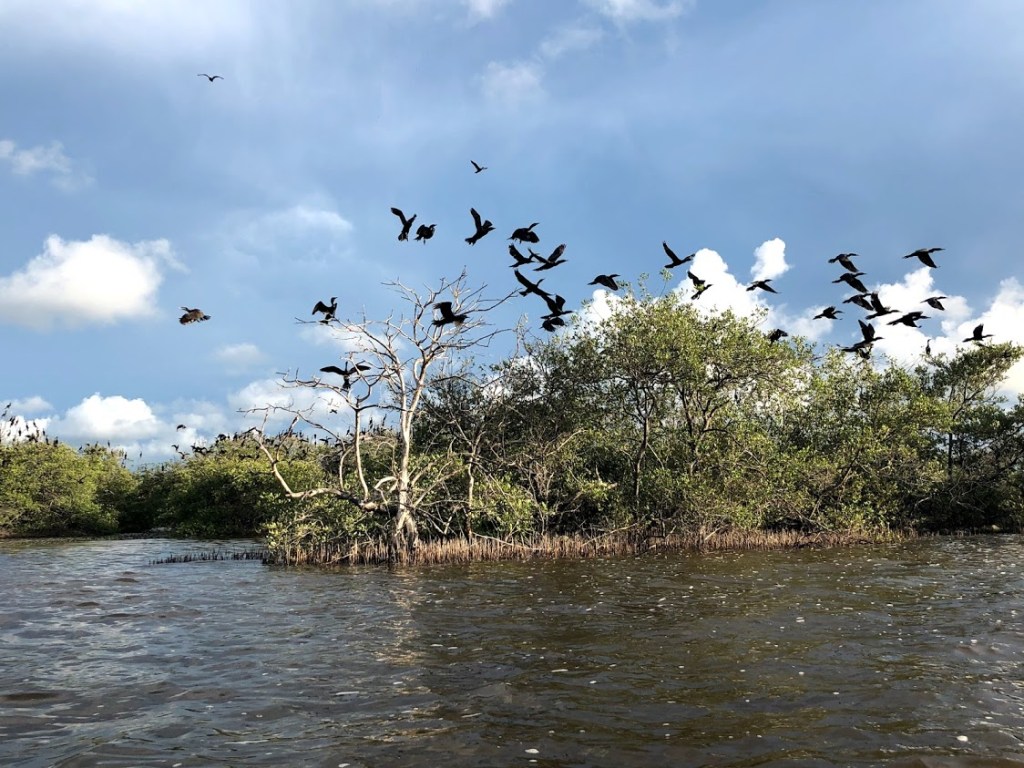
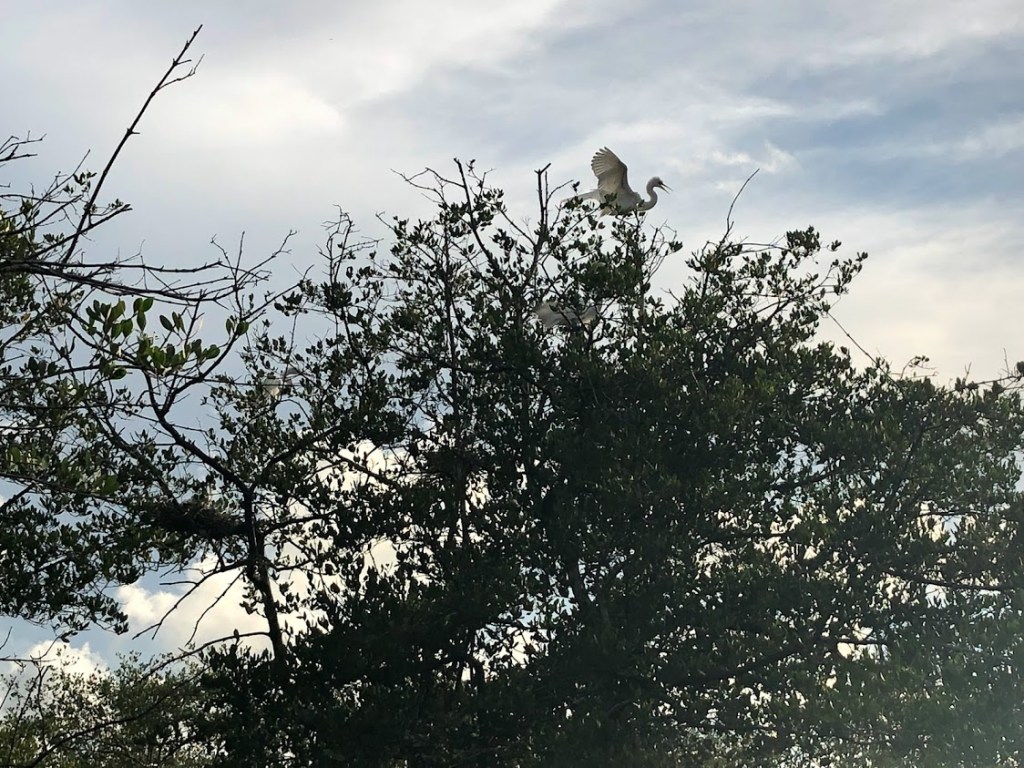
The day started with a 1.5-hour panga ride through the mangroves in Elizabeth Bay. The bay is a breeding ground for Galapagos Penguins, and we spotted many within the mangroves. This bay is the only place on the planet where you can see Penguins in mangrove. We also saw lots of turtles (as always), flightless cormorants, pelicans, etc etc.
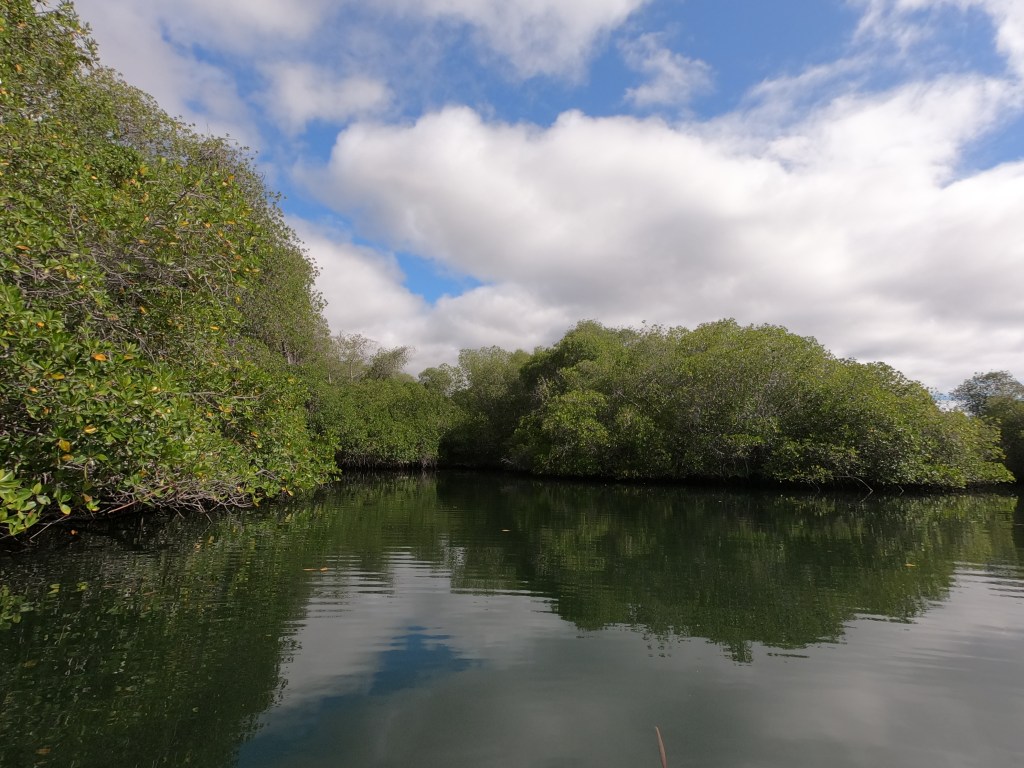
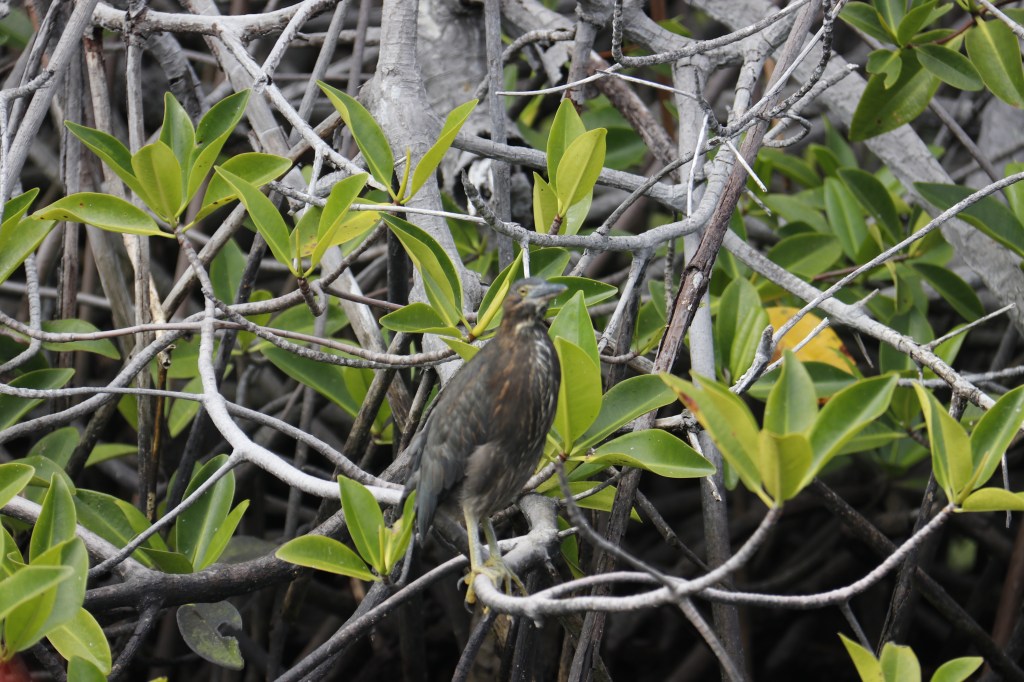
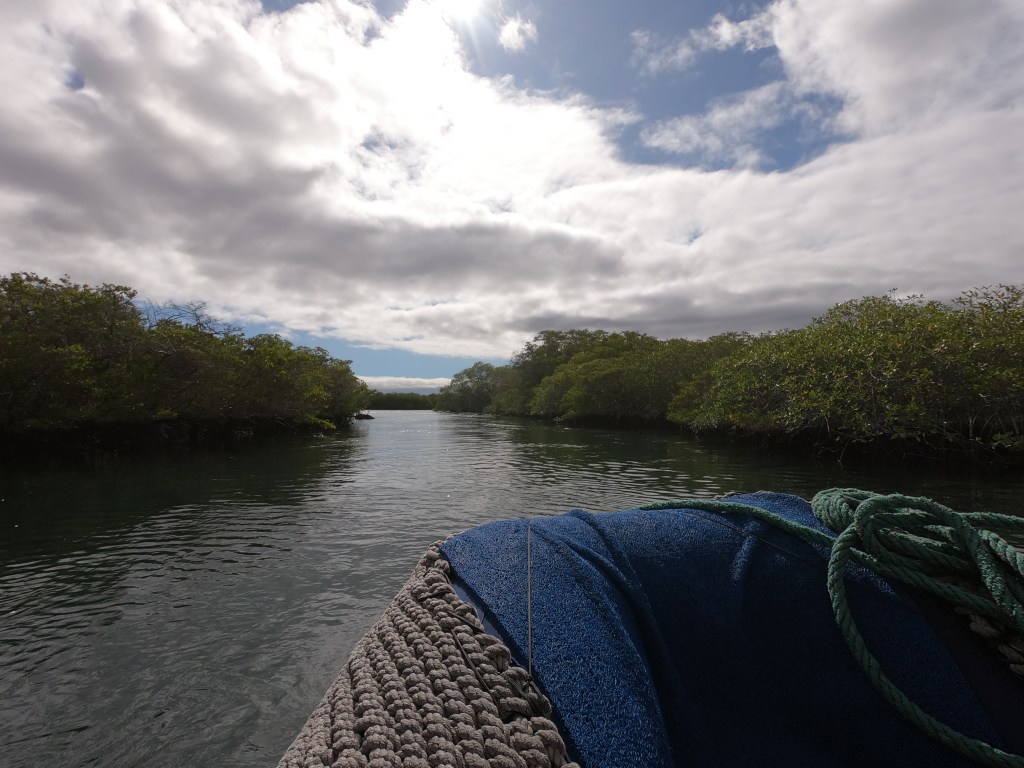
After going around the mangroves we drove around a small islet, where we could see many penguins, their nesting areas and a flock of blue footed boobies. After that, we set sail for 2 hours to punta moreno, passing around an area with the biggest marine iguanas found in the Archipelago. There was even a penguin lying down amongst the group of iguanas, thinking it was one of them. The Galapagos is the only place where penguins can be found above the equator (in certain areas, the Galapagos straddles the equator) and the only place in the tropics. Penguins that arrived on cold currents from the south can be seen amongst tropical fish that arrived on warm currents from central America.
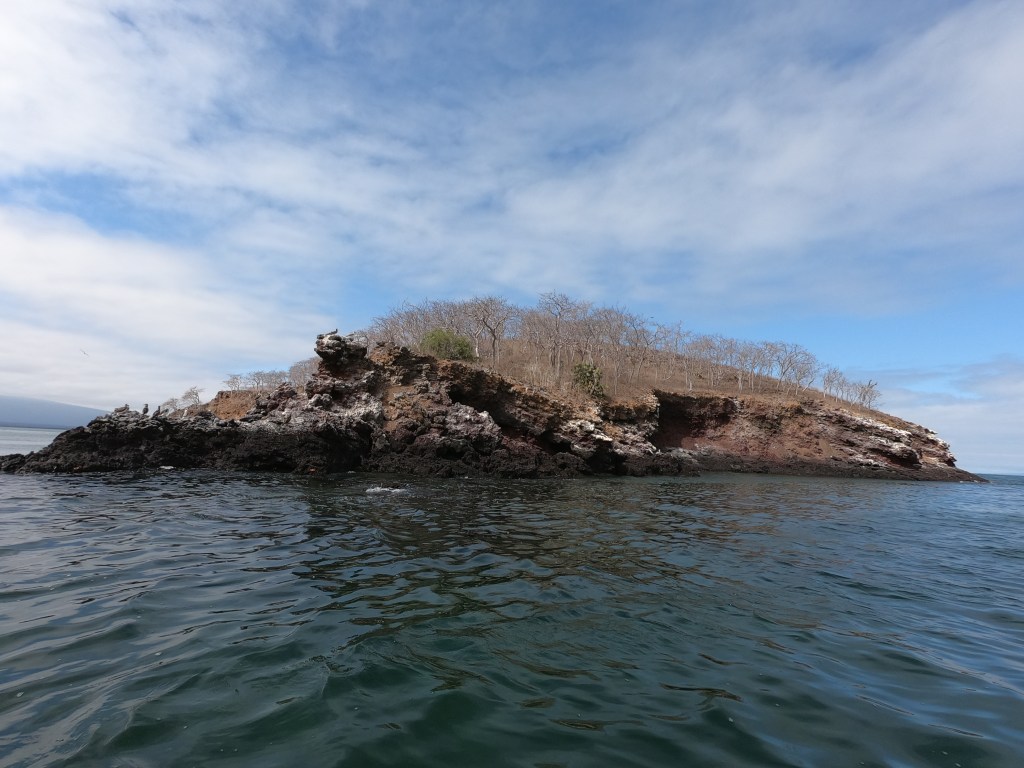
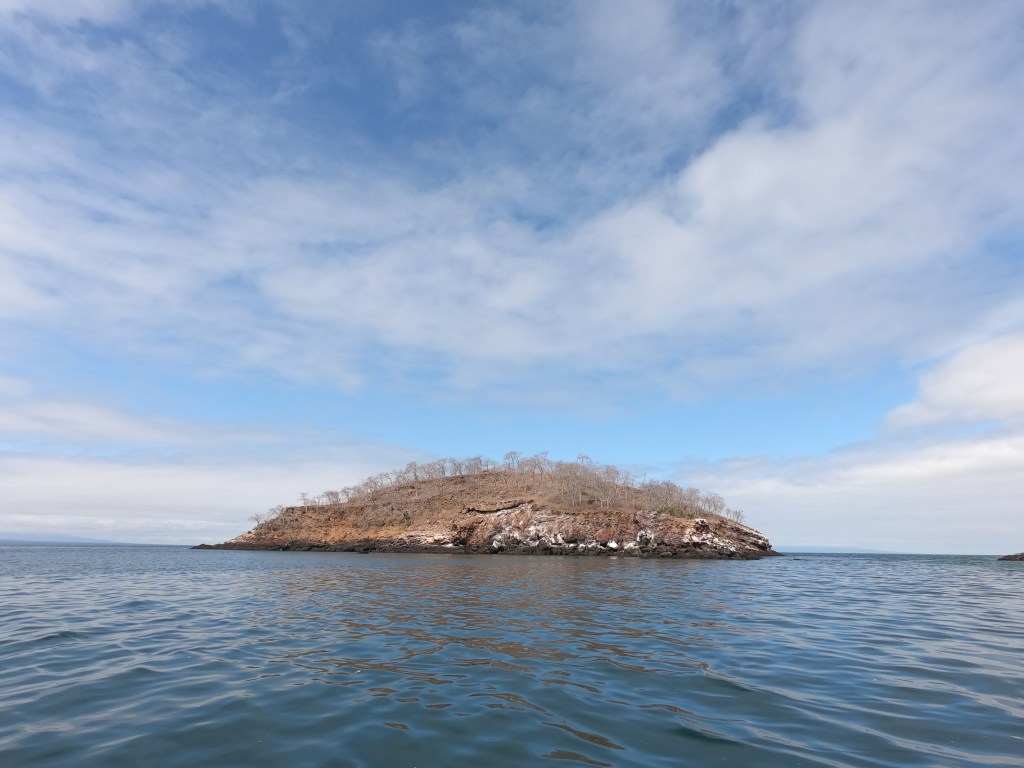
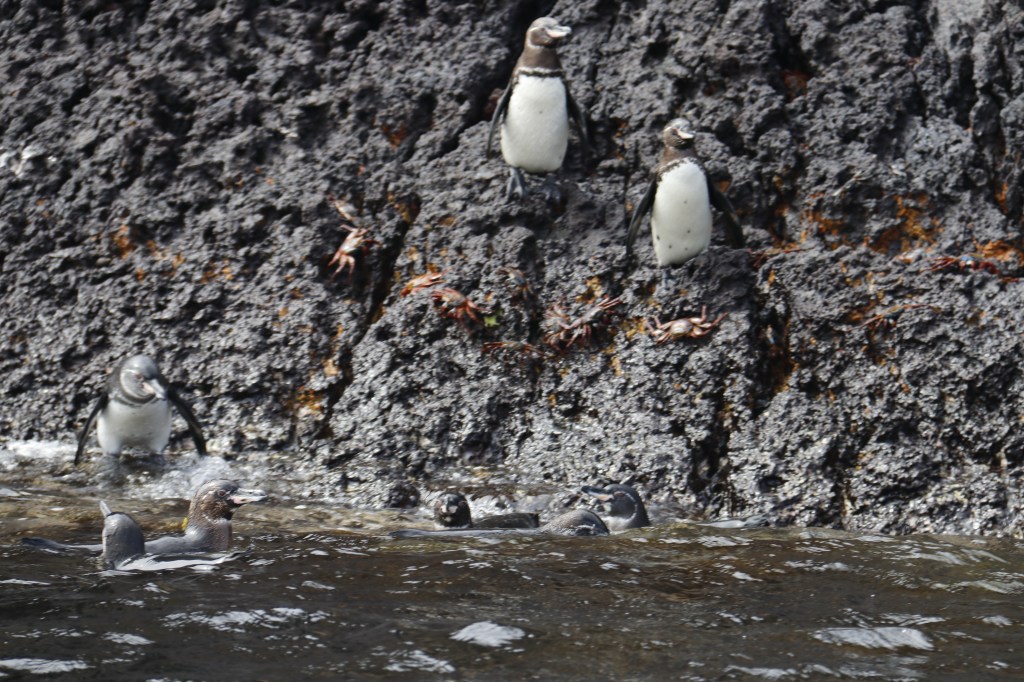
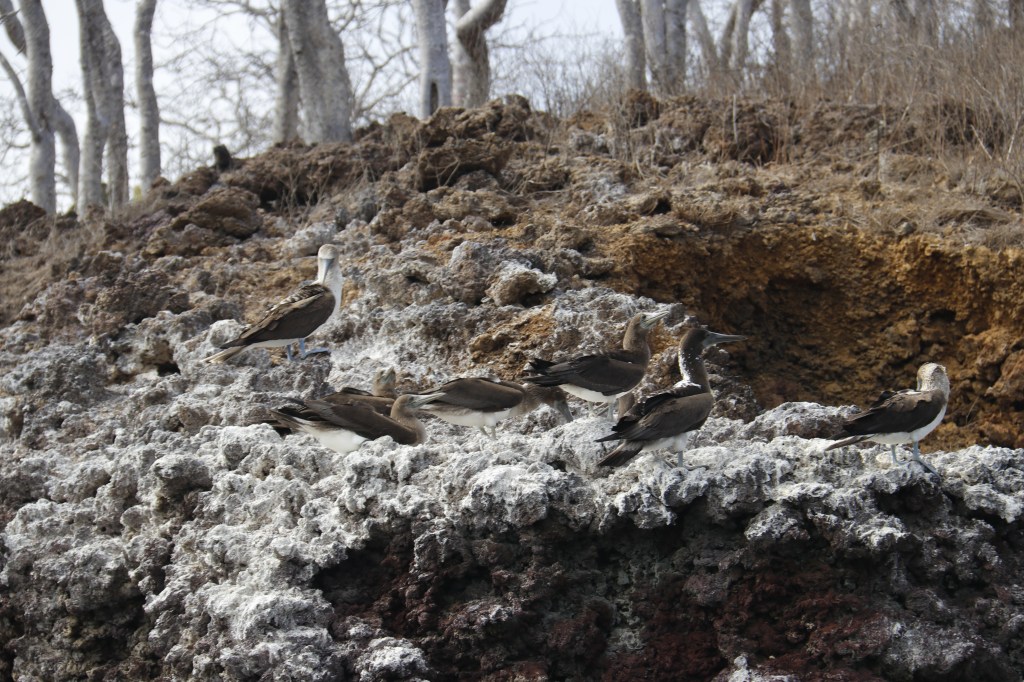
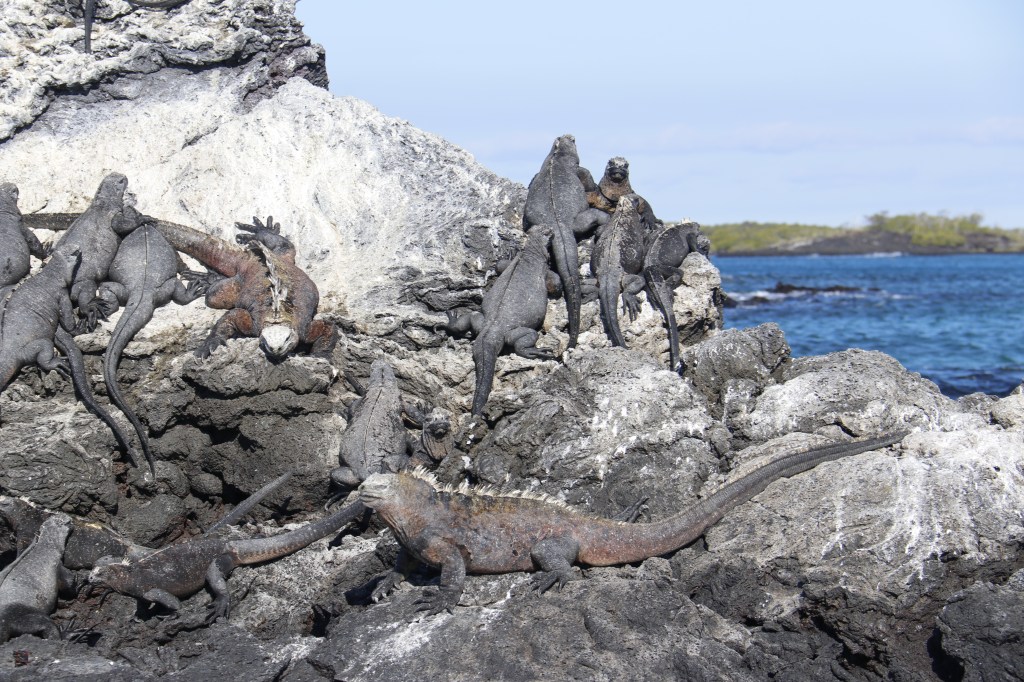
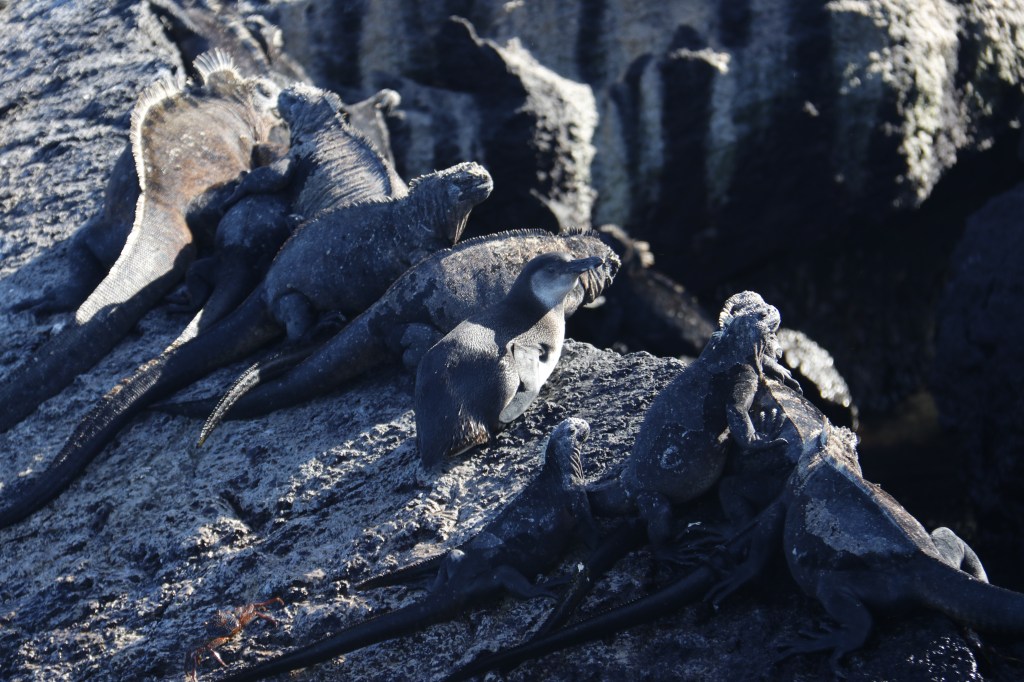
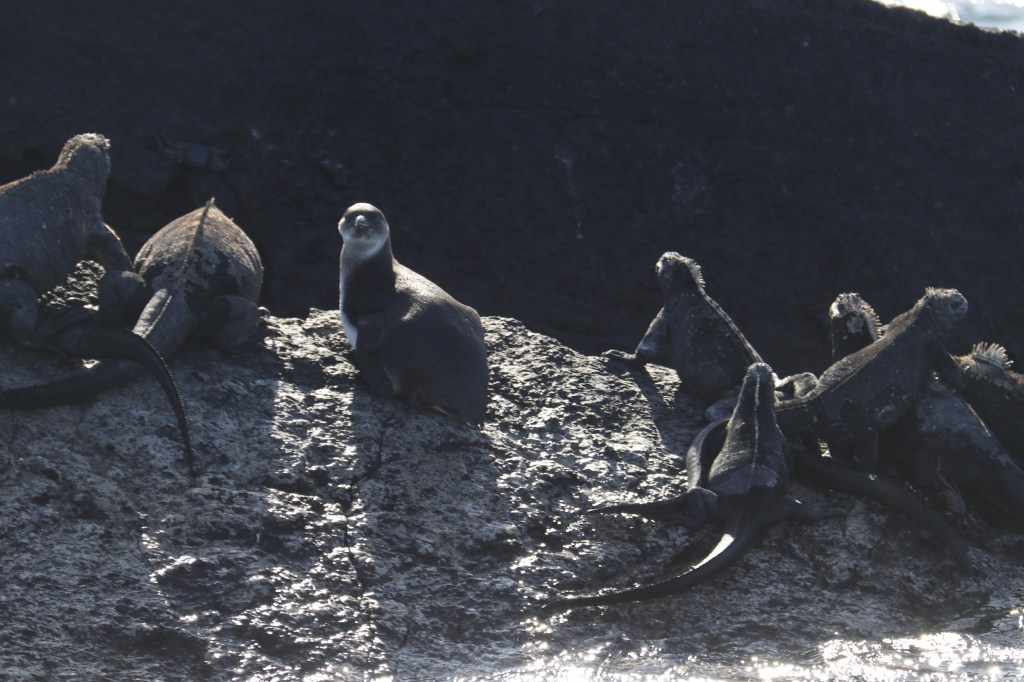
We then went snorkelling, looking for pacific seahorses (no luck). But, we did of course see looaaaaddssss of sea turtles. I even got a video of seeing 7 sea turtles at once.
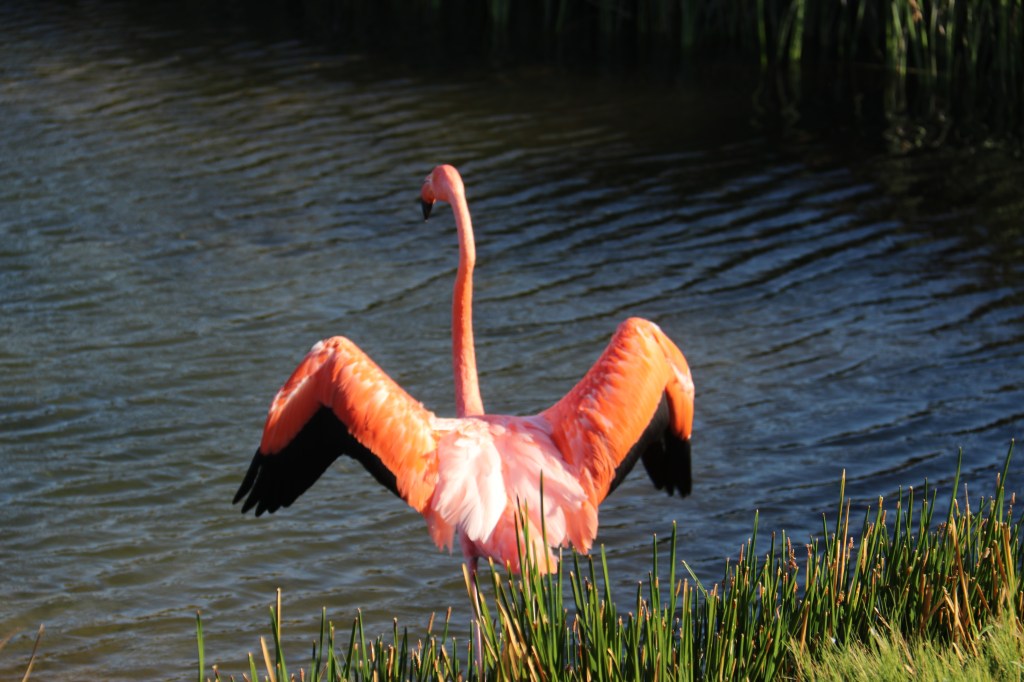
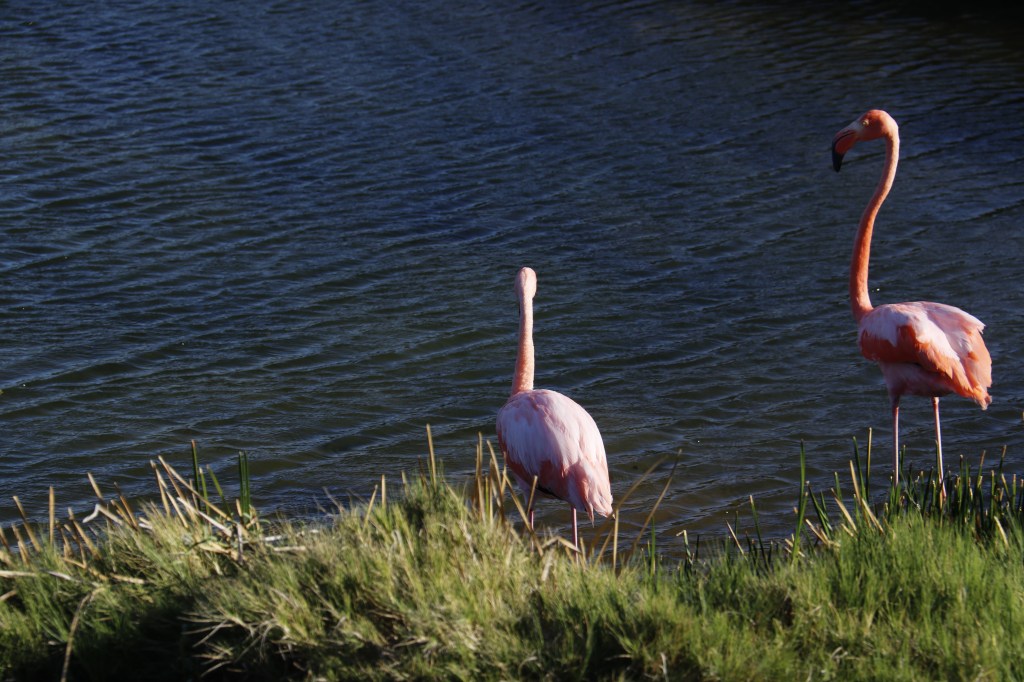
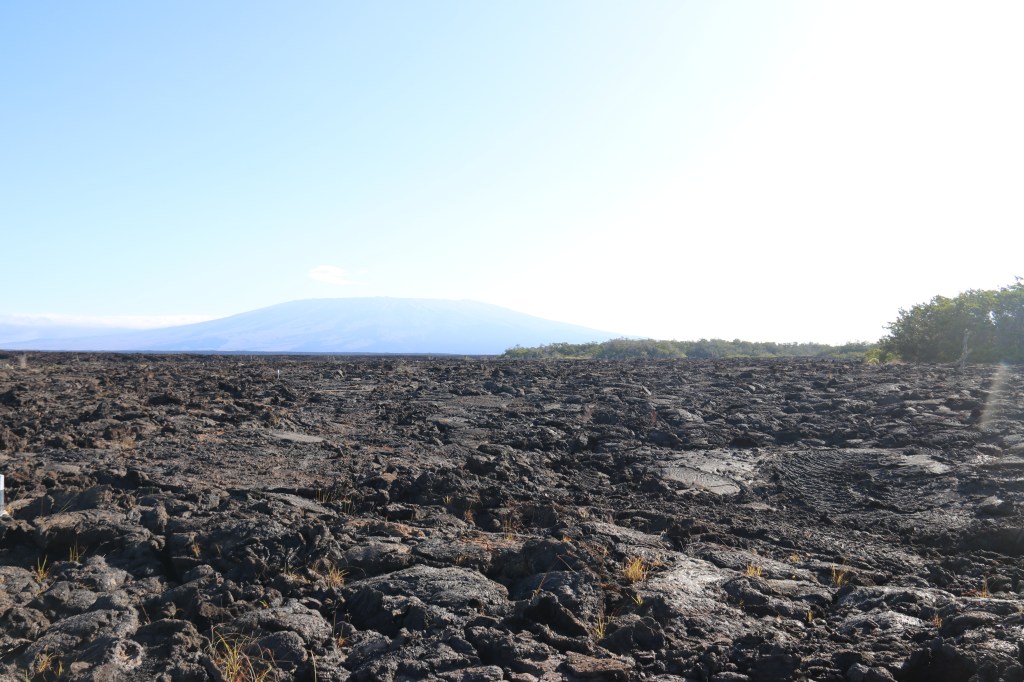
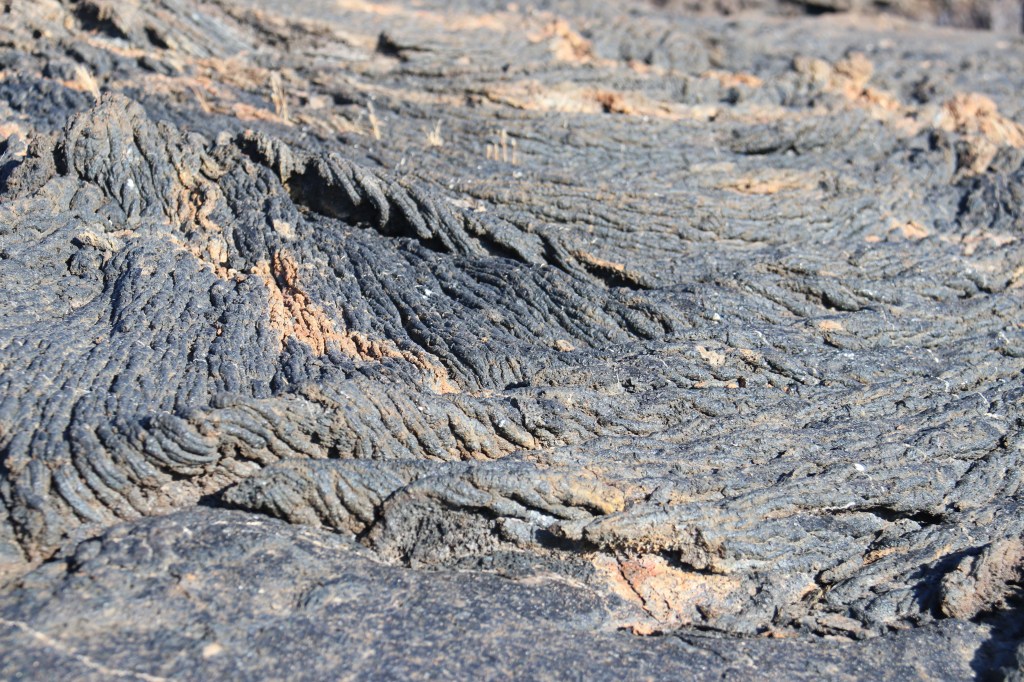
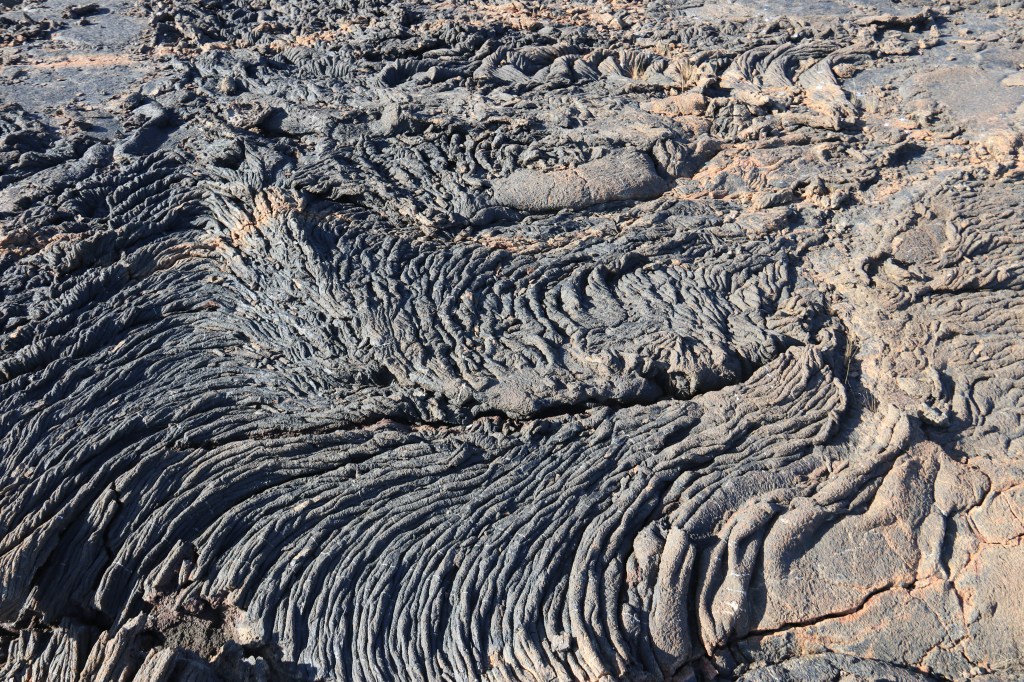
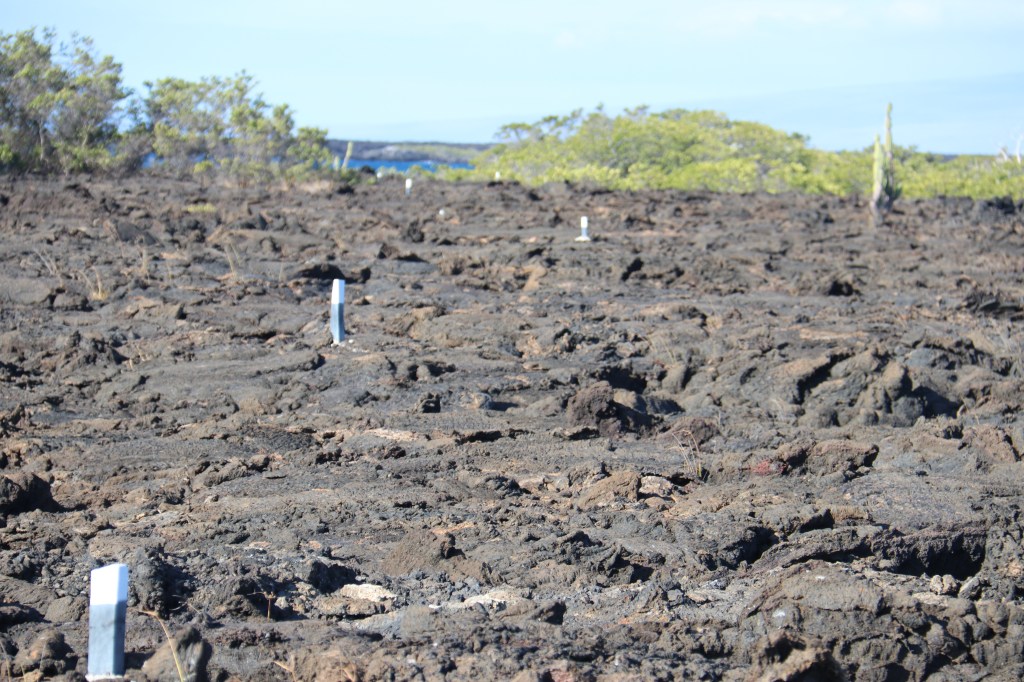
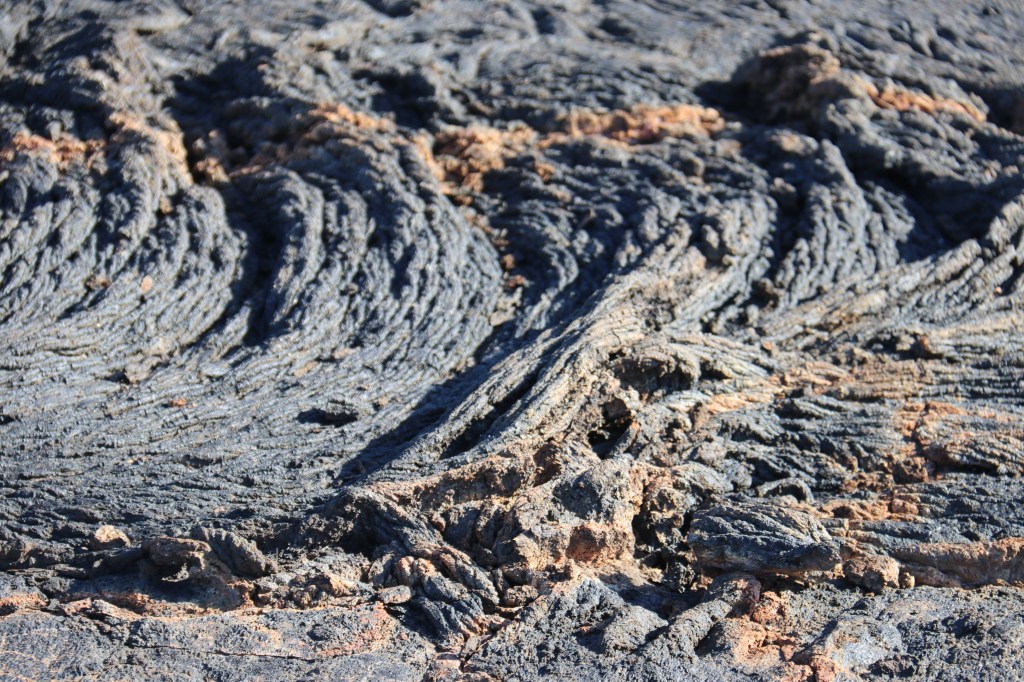
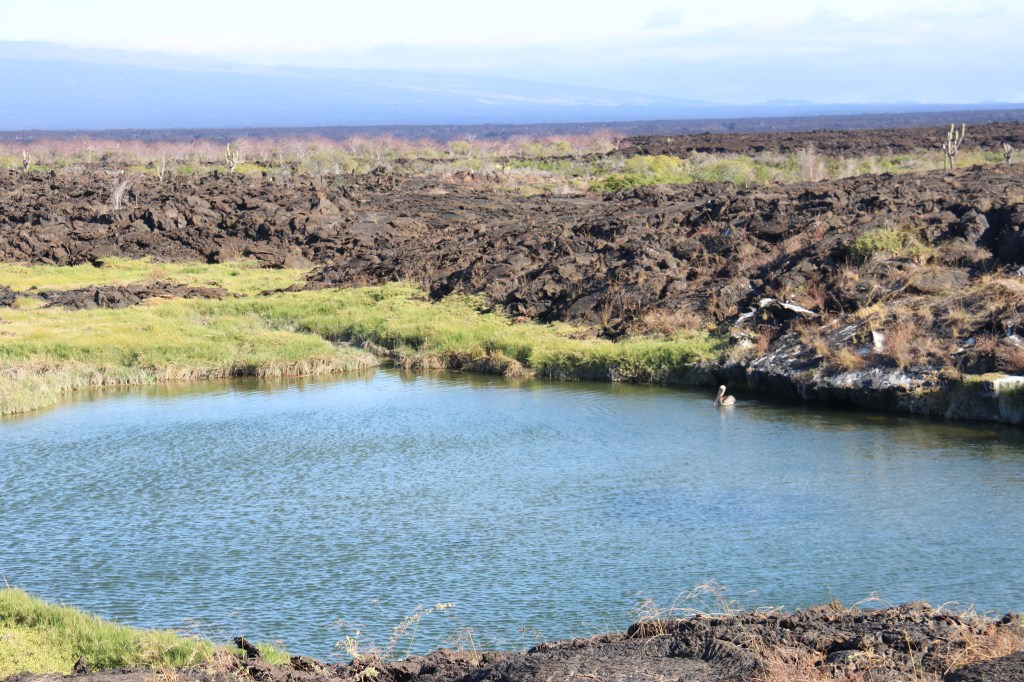
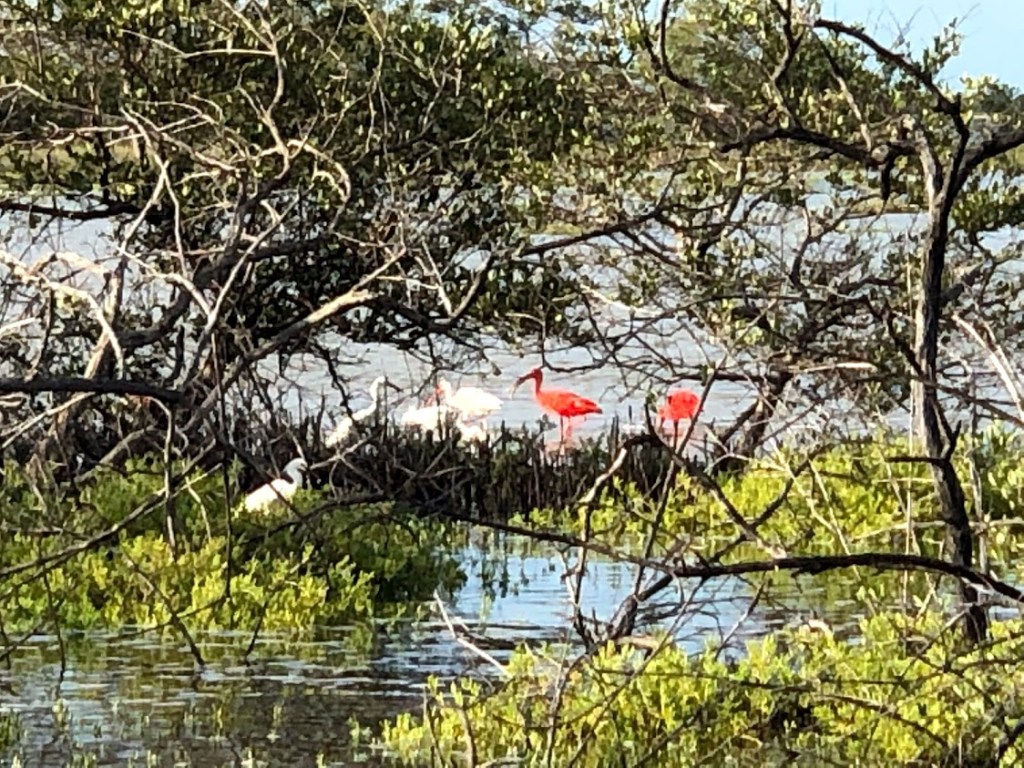
After snorkelling, we went for a walk on the broken lava fields. There are oasis type areas amongst the baron lava where the top of a lava tunnel has collapsed, and there were pools of water (which actually comes through the whole area, through the cracks in the lava, but is deeper where it is not visible). Mangroves have inevitably populated the areas around these pools. We were lucky enough to see another 3 Galapagos flamingos and some common gallinule moorhens. The evening encompassed an 8-hour sail around the southern part of Isabela to Puerto Villamil.
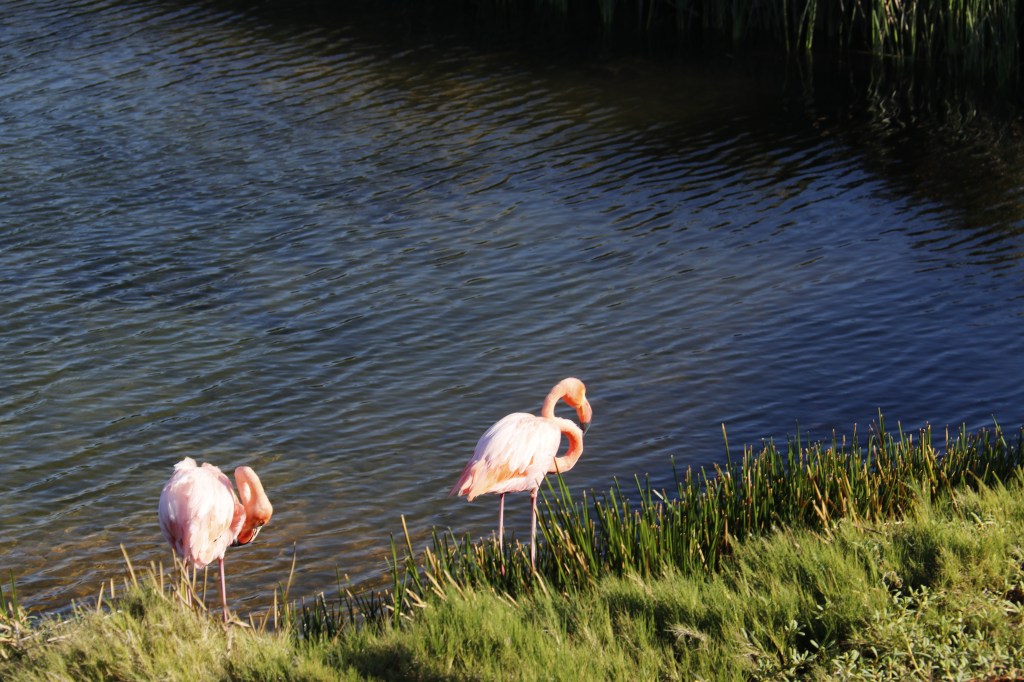
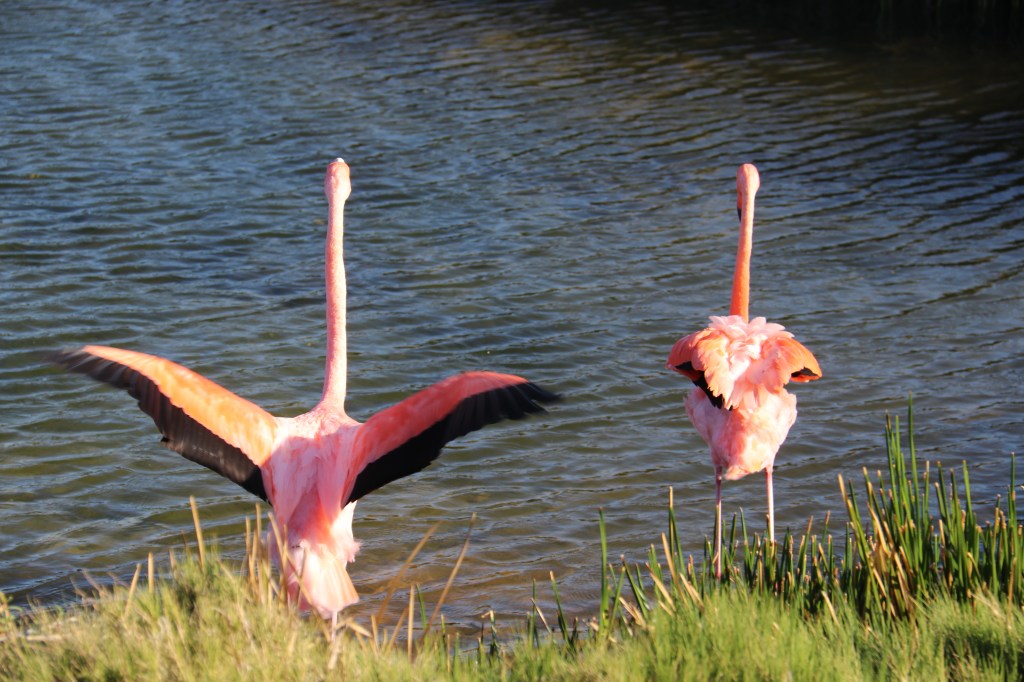
18/11/19 – Isabela (Puerto Villamil)
In the morning we arrived on land and took a bus to the giant tortoise rearing centre near Puerto Villamil (the only inhabited part of Isabela, about 3,000 population). The centre breeds 4 of the 5 species of tortoise on Isabela, the 5th being from Alcedo Volcano, the ones we saw in the wild. These breeding centres are needed for the other species due to the huge population decline caused by humans and human influence. Many tortoises were taken and eaten by sailors for hundreds of years (more than 100,000). Goats, rats, donkeys, cats and dogs have all also impacted the populations by either outcompeting for food, trampling nests or eating the eggs. One species was particularly interesting, having shells with a flat top.
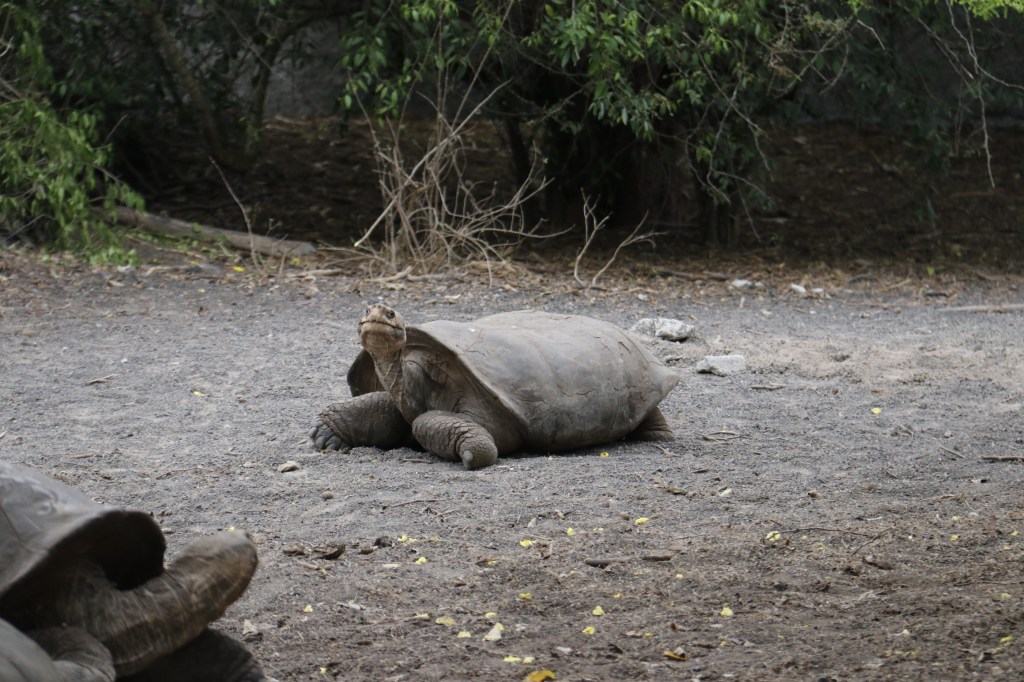
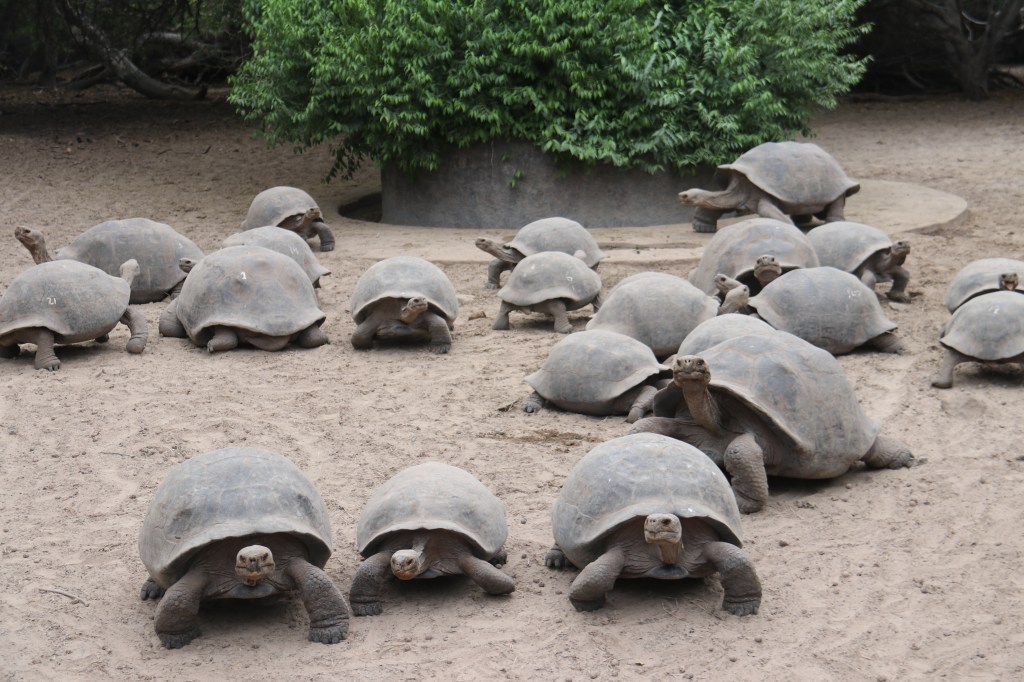
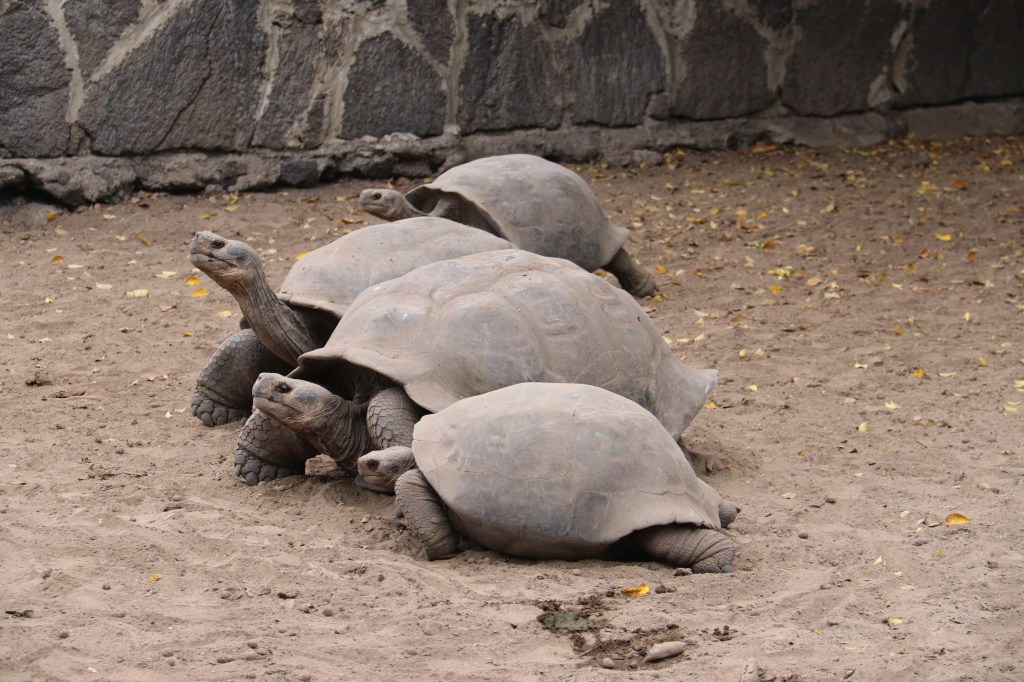
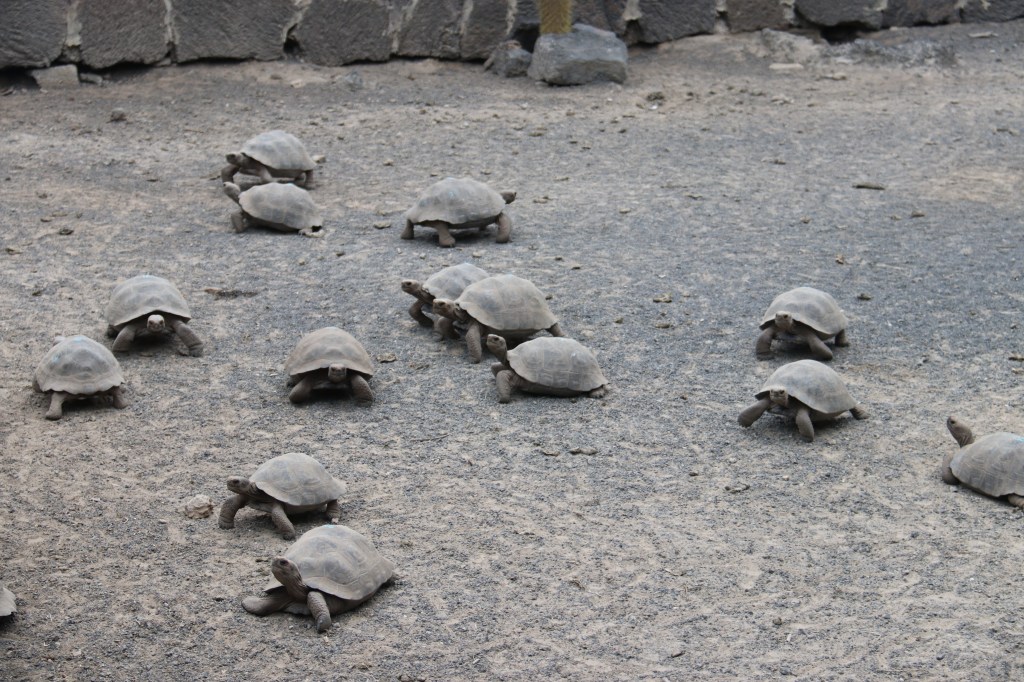
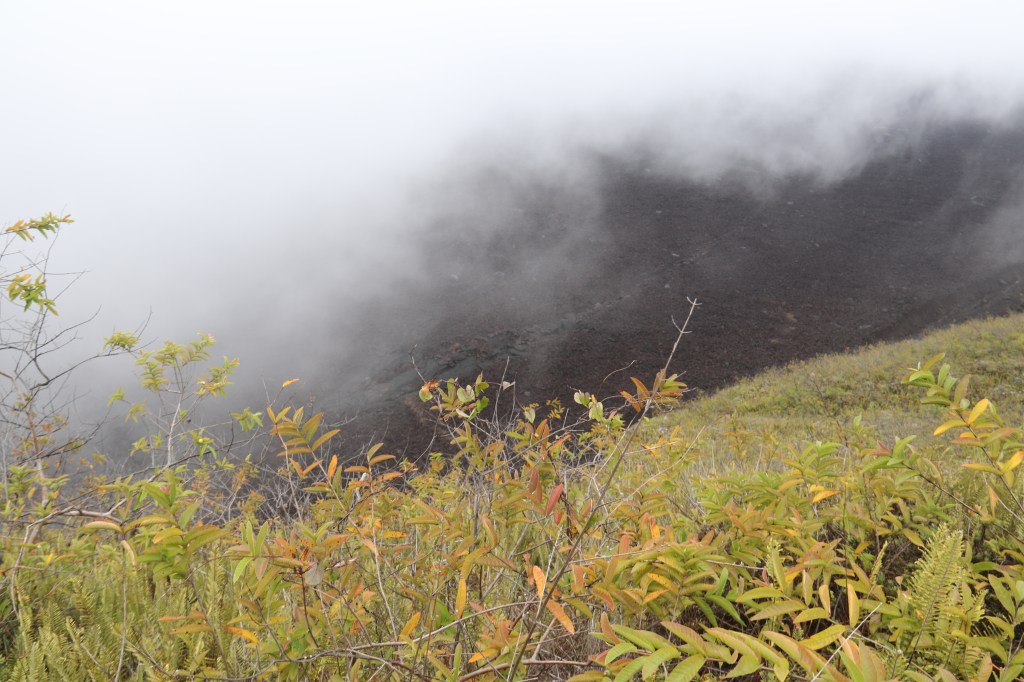
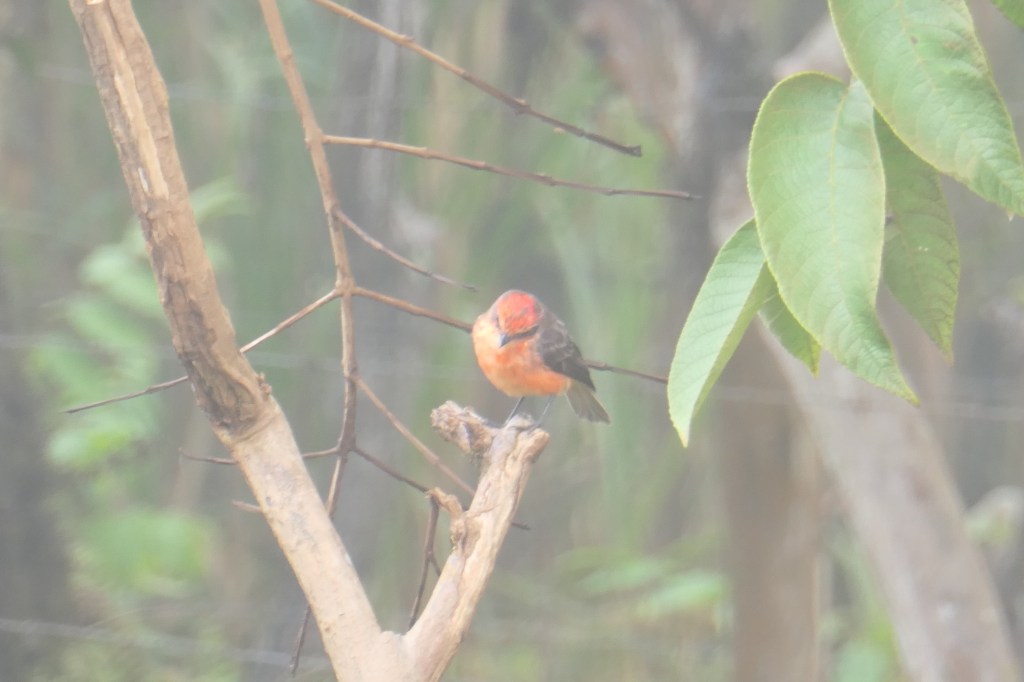
After that, we walked to the crater of the Sierra Negra volcano. It was very misty and hard to see much, but we could see the floor of the crater in the area near to us, including lava flows from the eruption last year. The crater is 7km wide and is one of the largest active volcanos in the world. On the way back we saw a Vermillion fly catcher, which is exceedingly rare. Like the mangrove finch, its population has hugely declined due to the philornis downsi fly. Harry said it has been over a year since he last saw one. During the bus ride we saw a short-eared owl, endemic to the Galapagos.
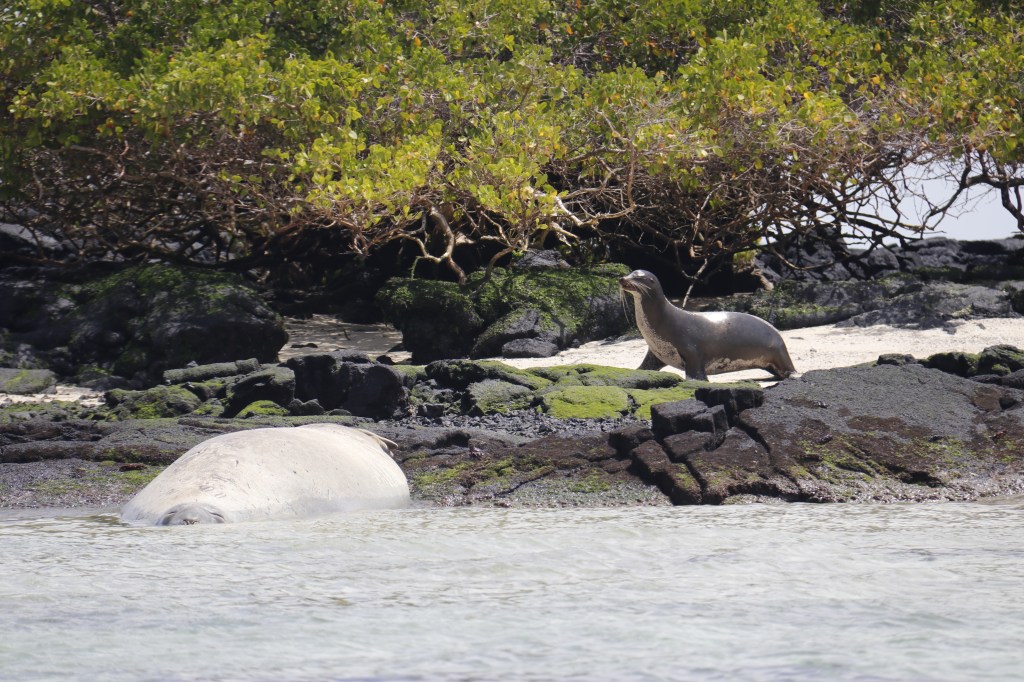
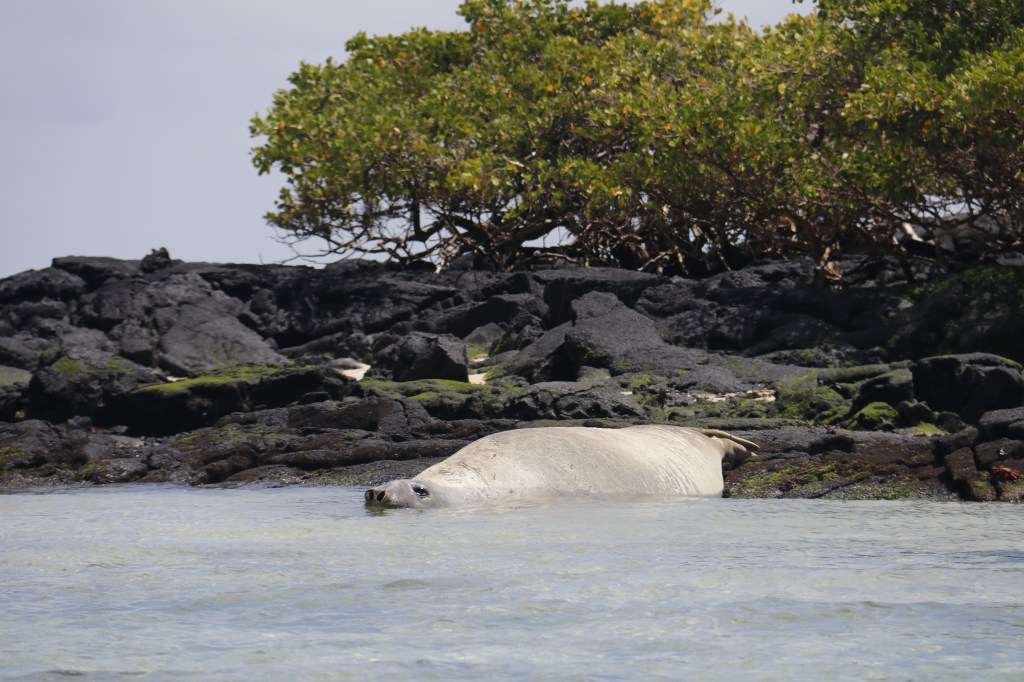
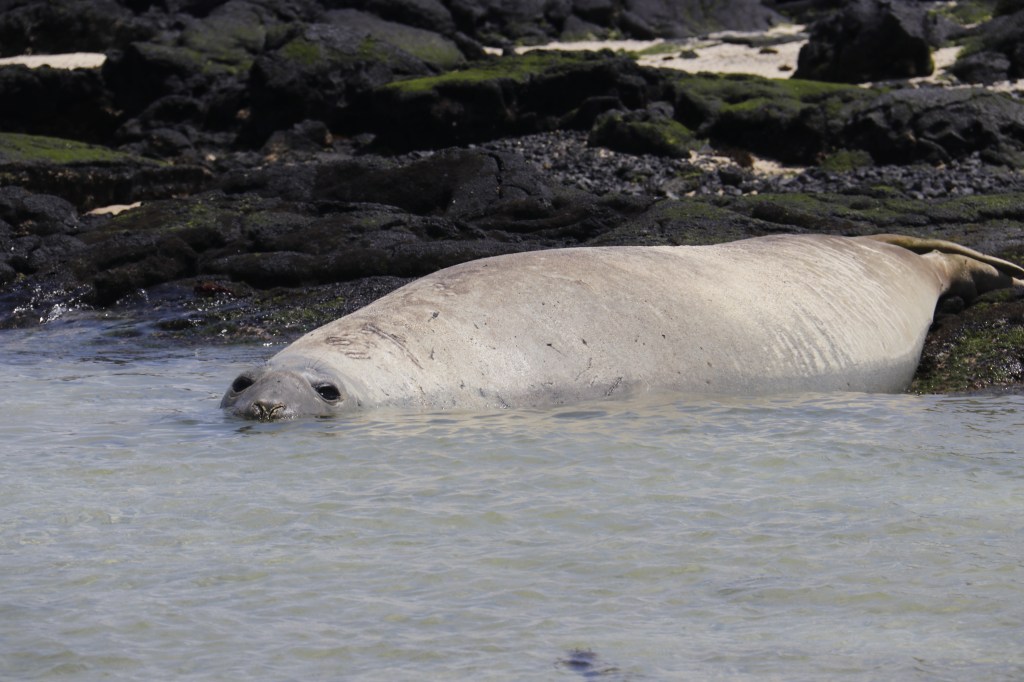
As we arrived back at Puerto Villamil, we found out the big news. Incredibly, there was an elephant seal in the bay. Researchers were on the way, but had not arrived yet, to investigate more. Harry said his uncle once saw one in the 1970’s, but does not know of any other sightings. It is very very strange to find one here in the Galapagos. A quick google returned this paper, if anyone is interested: https://mbr.biomedcentral.com/articles/10.1186/s41200-018-0149-y .
My time in the Galapagos has been absolutely incredible. It has definitely been the highlight of my trip so far. To me it is the most amazing place on the planet. Not only are there animals that cannot be found anywhere else, it is amazing and bizarre how they are not at all bothered by the presence of humans. The care taken by the national park to preserve the animals and their habitats is very clear to see. Conservation efforts and research is clearly doing a fantastic job at repairing some of the damage caused by earlier human settlers, and to further the understanding of species here. I really hope I get the chance to come back again later in life.






 rorystravellingblog